Making ice cream at home is a joy, but many people worry about the high sugar content in most recipes. If you’re looking for a way to enjoy creamy, delicious ice cream without the sugar spike, you’re not alone. Modern ice cream machines make it easy to create low sugar ice cream that tastes just as good as the store-bought kind. Whether you’re watching your sugar intake for health reasons, or you simply want a lighter dessert, you can make satisfying, scoopable ice cream with the right ingredients and a bit of know-how.
Let’s explore how you can make low sugar ice cream in a machine, from choosing the best sweeteners to getting the perfect texture. You’ll learn why some recipes fail, which ingredients to use, and the exact steps to follow. With the right approach, you can create healthier ice cream that everyone will enjoy.
Why Choose Low Sugar Ice Cream?
Lowering sugar in ice cream isn’t just about cutting calories. Sugar affects texture, taste, and how ice cream freezes. Reducing sugar can help:
- Lower total calories per serving
- Reduce blood sugar spikes
- Make ice cream suitable for diabetics or low-carb diets
- Fit into weight loss or healthier eating plans
But there’s a challenge: sugar isn’t just for sweetness. It also prevents ice cream from becoming icy and hard. If you remove too much sugar, your ice cream can turn into a block of ice. That’s why it’s important to replace sugar with the right alternatives, not just leave it out.
Understanding Sweeteners For Low Sugar Ice Cream
Choosing the right sweetener is key to making good low sugar ice cream. Let’s look at the options:
| Sweetener | Calories (per tsp) | Sweetness vs. Sugar | Freezing Point Impact | Notes |
|---|---|---|---|---|
| Erythritol | 0 | ~70% | Low | Can cause slight cooling effect |
| Stevia | 0 | 200–300% | None | Can taste bitter if overused |
| Allulose | 0.4 | 70% | High | Best for creamy texture |
| Xylitol | 10 | 100% | Medium | Toxic to dogs |
Allulose is a top choice for low sugar ice cream. It lowers the freezing point, making the ice cream softer and scoopable, even straight from the freezer. Erythritol works well but can sometimes make the texture icy. Stevia and monk fruit are very sweet, so they’re best used with other sweeteners.
Non-obvious insight: Many beginners think they can use any sugar substitute, but most artificial sweeteners (like sucralose or aspartame) don’t help with texture and can result in hard, crumbly ice cream.
Essential Ingredients For Low Sugar Ice Cream
You need more than just sweetener to get creamy, delicious ice cream. Here’s what you should include:
- Milk and Cream: Classic ice cream uses both for richness and smooth texture. Whole milk and heavy cream are best, but half-and-half can work for lighter versions.
- Sweetener: See the table above for the best low sugar options.
- Egg Yolks: These add creaminess and help prevent iciness.
- Stabilizer: Optional, but adding a small amount of xanthan gum or guar gum (1/4 tsp per quart) can improve texture.
- Flavorings: Vanilla extract, cocoa powder, fruit purees, or coffee are common.
- Salt: Just a pinch boosts flavors.
Extra tip: Don’t skip stabilizers if you want ice cream that stays scoopable. They help trap air and moisture, making a smoother texture.
Equipment You’ll Need
To make low sugar ice cream, you need:
- Ice cream machine: Any modern electric machine works, whether it’s compressor-based or pre-freeze bowl style.
- Mixing bowls and whisk
- Saucepan (for custard-style recipes)
- Measuring cups and spoons
- Fine mesh strainer (for smoother custard)
Experience-based guidance: Many people skip the strainer, but it removes bits of cooked egg for a perfectly smooth base.
Credit: www.asweetpeachef.com
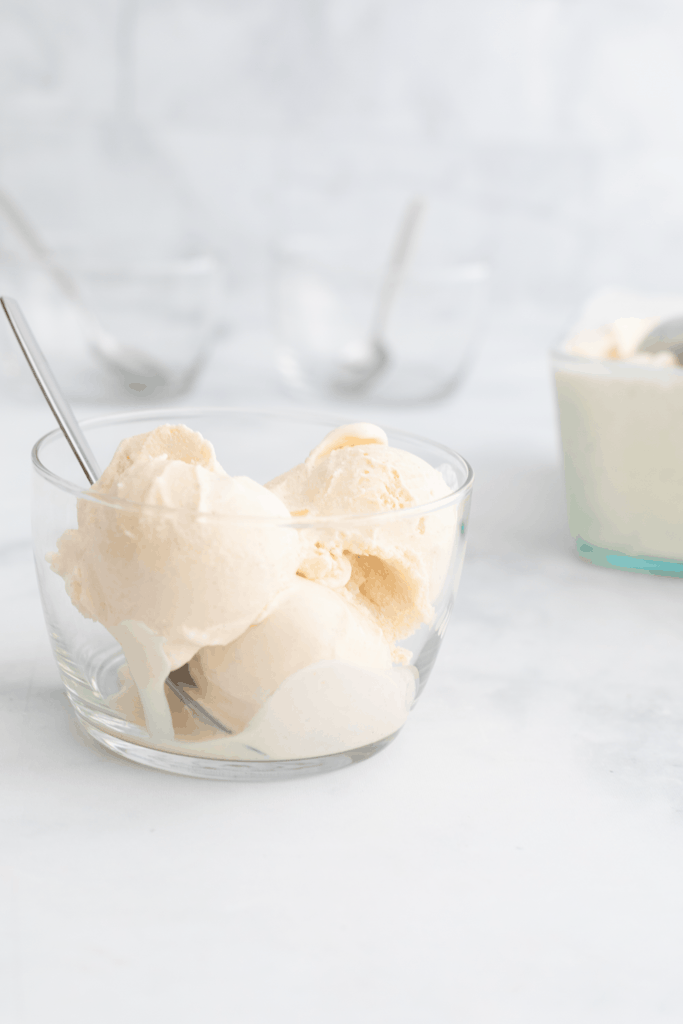
Step-by-step: How To Make Low Sugar Ice Cream In A Machine
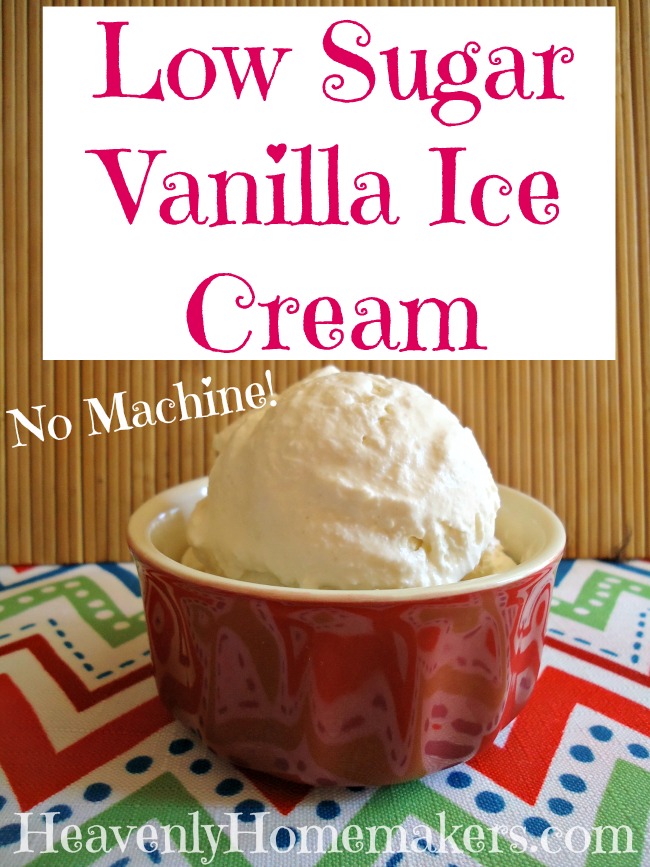
Let’s walk through a classic vanilla ice cream recipe, then discuss how to customize flavors.
Ingredients (yields About 1 Quart)
- 1 1/2 cups heavy cream
- 1 1/2 cups whole milk
- 4 large egg yolks
- 1/2 cup allulose (or 1/3 cup erythritol + 1/4 tsp stevia blend)
- 2 teaspoons pure vanilla extract
- 1/8 teaspoon salt
- 1/4 teaspoon xanthan gum (optional)
Method
- Prepare the base: In a medium saucepan, whisk egg yolks, sweetener, and salt until smooth. Slowly add milk and cream, whisking constantly.
- Cook gently: Heat over medium-low, stirring often, until the mixture thickens slightly (170–175°F). It should coat the back of a spoon but not boil.
- Strain: Pour through a fine mesh strainer into a clean bowl to remove any cooked egg bits.
- Add flavor and stabilizer: Mix in vanilla extract and xanthan gum. Whisk well to dissolve.
- Chill: Cover and refrigerate until cold—at least 4 hours, or overnight for best results.
- Churn: Pour into your ice cream machine and churn according to manufacturer instructions, usually 20–25 minutes. The mixture should thicken and double in volume.
- Freeze: Transfer to a container. Freeze at least 2 hours to firm up.
Pro tip: If you want mix-ins (chocolate chips, berries, nuts), add them in the last 5 minutes of churning.
Why Chilling The Base Matters
Many skip this step, but chilling the base before churning helps form smaller ice crystals. This means smoother ice cream. If you churn a warm base, the texture will be icy and less creamy.
Customizing Flavors
Once you master the basic recipe, you can create endless variations:
- Chocolate: Add 1/3 cup unsweetened cocoa powder to the milk before heating.
- Strawberry: Blend 1 cup pureed strawberries into the chilled base.
- Coffee: Dissolve 2 tablespoons instant espresso in the milk.
- Mint: Add 1/2 teaspoon peppermint extract.
For fruit flavors, reduce the milk slightly to account for extra liquid in the puree.
Comparison: Traditional Vs. Low Sugar Ice Cream
Here’s how homemade low sugar ice cream compares to regular ice cream:
| Regular Ice Cream | Low Sugar Ice Cream | |
|---|---|---|
| Calories (per 1/2 cup) | 200–250 | 120–160 |
| Sugar (g) | 18–22 | 2–6 |
| Texture | Creamy, soft | Creamy, can be firmer |
| Impact on Blood Sugar | High | Low |
Non-obvious insight: Some commercial low sugar ice creams use bulking agents like inulin or polydextrose, but these can cause digestive upset in sensitive people. Homemade recipes let you control every ingredient.
Troubleshooting Common Problems
Even with the right ingredients, homemade ice cream can sometimes go wrong. Here’s how to fix common issues:
Ice Cream Is Too Hard
- Why: Not enough sugar or fat, or wrong sweetener.
- Fix: Use more allulose or add a tablespoon of alcohol (like vodka) to lower the freezing point.
Texture Is Icy
- Why: Too much water, not enough stabilizer or fat.
- Fix: Add a stabilizer or increase cream-to-milk ratio.
Ice Cream Is Not Sweet Enough
- Why: Low sugar sweeteners can taste less sweet when cold.
- Fix: Taste the base before churning and adjust sweetness. It should taste slightly sweeter than you want the finished ice cream.
Base Didn’t Thicken
- Why: Didn’t cook long enough or used only milk.
- Fix: Ensure temperature reaches at least 170°F, and use at least some cream for richness.
Credit: www.heavenlyhomemakers.com
Storing Homemade Low Sugar Ice Cream
Homemade ice cream is best eaten within a week. Store in a shallow, airtight container to minimize ice crystals. Press a piece of parchment or plastic wrap on the surface before closing. This reduces freezer burn.
If the ice cream is too firm out of the freezer, let it sit at room temperature for 10–15 minutes before scooping. Low sugar recipes tend to freeze harder because there’s less sugar to keep them soft.
Nutrition Facts: Low Sugar Vanilla Ice Cream (per 1/2 Cup)
- Calories: 140
- Protein: 3g
- Fat: 11g
- Sugar: 3g
- Carbs: 6g
Values will change based on sweetener and mix-ins. Always check nutrition if you’re counting carbs or calories.
Tips For Best Results
- Use allulose if you want the softest, most scoopable texture.
- Always chill your base thoroughly.
- Add mix-ins at the end of churning, not before.
- If you want a dairy-free version, full-fat coconut milk works well but can change the flavor.
Beginner mistake: Many people try to use only stevia or monk fruit. These are super sweet but don’t add bulk, so the ice cream turns icy. Always combine with a bulking sweetener like erythritol or allulose for best results.
When To Use A Custard Base
A custard (egg yolk) base gives the richest, creamiest result. If you want a lighter, egg-free ice cream, you can use 2 cups cream, 2 cups milk, and 3/4 cup sweetener, heated and cooled as above. The result will be lighter and less scoopable but still tasty.
How To Scale And Store
If you want to make a larger batch, double the recipe but don’t overfill your machine. Ice cream expands as it churns. Store leftover ice cream in small containers to reduce air exposure and keep it fresher longer.
Where To Find More Inspiration
For more about sugar substitutes and ice cream science, the Serious Eats guide to sugar substitutes in ice cream offers in-depth comparisons and testing.

Credit: www.asweetpeachef.com
Frequently Asked Questions
How Do I Prevent Homemade Low Sugar Ice Cream From Turning Icy?
Use a sweetener like allulose that helps control ice crystals. Adding stabilizers like xanthan gum and using a custard base (egg yolks) also creates a smoother texture. Make sure to chill the base fully before churning.
Can I Make Low Sugar Ice Cream Without An Ice Cream Machine?
Yes, but the texture will not be as creamy. You can freeze the mixture in a shallow dish and stir every 30 minutes until firm. This breaks up ice crystals, but the result is still less smooth than churned ice cream.
Are Sugar Alcohols Safe For Everyone?
Erythritol and xylitol are generally safe for most people, but xylitol is toxic to dogs. Some people may experience digestive upset with large amounts of sugar alcohols. Start with small amounts if you’re unsure.
Can I Use Honey Or Maple Syrup As A Low Sugar Option?
Honey and maple syrup have natural sugars but are not considered low sugar. They can be used in small amounts for flavor, but will still raise blood sugar levels. For true low sugar ice cream, use allulose, erythritol, or stevia blends.
How Long Does Homemade Low Sugar Ice Cream Last In The Freezer?
It’s best eaten within one week. After that, it may develop ice crystals and lose its creamy texture. Always store in an airtight container with a piece of parchment or plastic wrap pressed on the surface.
Enjoy your homemade, healthier ice cream—without sacrificing flavor or texture! With the right sweetener and a few simple tricks, you’ll never miss the sugar.