Making your own oat flour is super easy and a great way to save money. Lots of people wonder about how to make oat flour in a blender at home because it sounds a bit tricky. But really, it’s one of the simplest kitchen hacks you can learn!
You don’t need fancy equipment at all. We’ll show you exactly how to do it, step by step, so you can start baking with your fresh oat flour right away.
Key Takeaways
- You can easily make oat flour using a standard blender.
- Only whole, rolled oats are needed to start.
- The process takes just a few minutes.
- Oat flour is a healthy alternative to all-purpose flour.
- Homemade oat flour is cost-effective.
Why Make Your Own Oat Flour
Oat flour is a fantastic ingredient for healthy baking. It’s naturally gluten-free if you use certified gluten-free oats, which is great for people with celiac disease or gluten sensitivities. It adds a lovely, slightly nutty flavor and a tender texture to baked goods like muffins, pancakes, and cookies.
Plus, oats are packed with fiber and nutrients, making your treats a bit healthier.
Buying pre-made oat flour can sometimes be expensive, especially if you bake often. When you learn how to make oat flour in a blender at home, you gain control over the ingredients and save money. You also ensure your flour is always fresh.
This skill is a real game-changer for anyone who enjoys baking with wholesome ingredients.
Choosing Your Oats
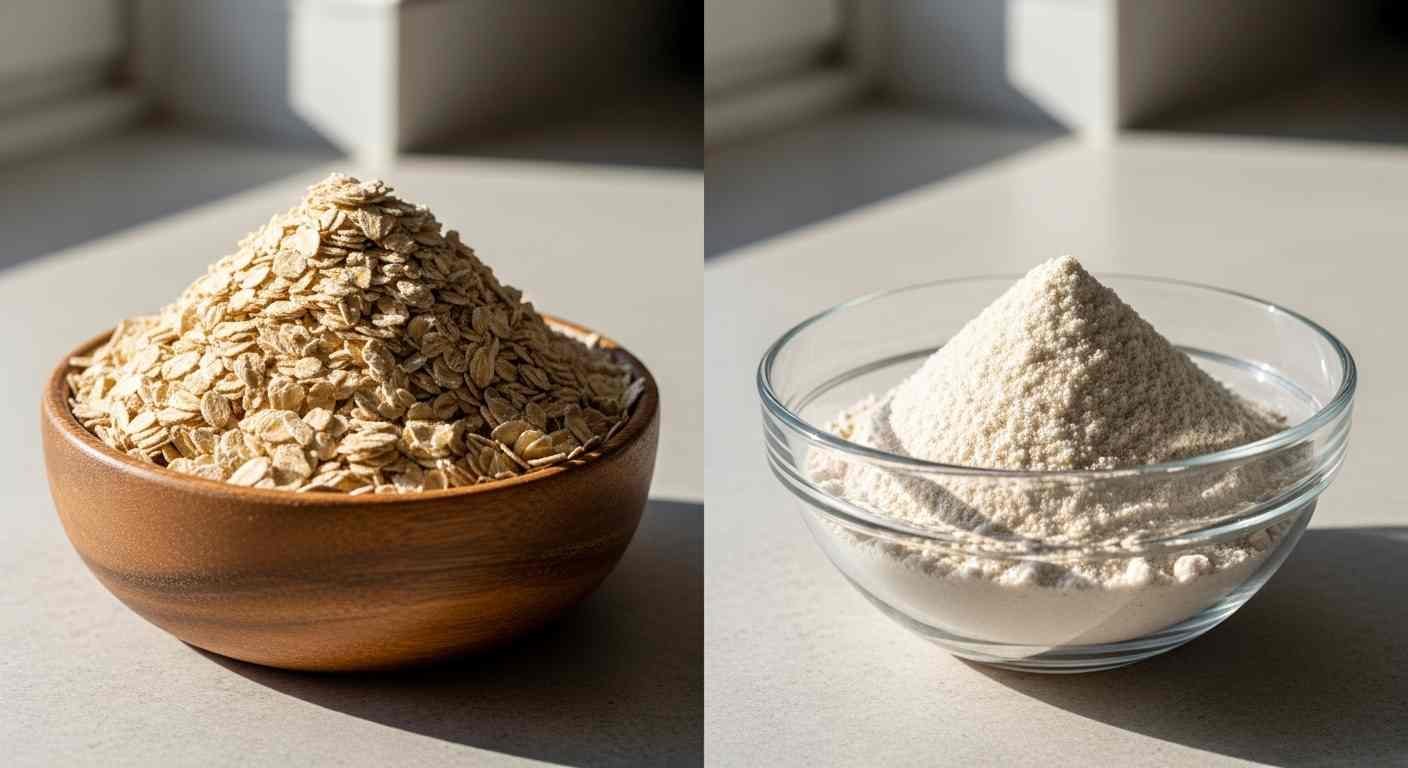
For making oat flour, the type of oats you use matters. The best choice is rolled oats, also known as old-fashioned oats. These are steamed and flattened oat groats.
They blend up nicely into a fine flour.
Steel-cut oats are too hard and tough. They won’t break down well in a blender and can create a gritty flour. Instant oats (quick oats) can work, but they are more processed.
They might result in a slightly different texture. Stick with rolled oats for the best results.
If you need to make gluten-free oat flour, make sure to buy oats that are certified gluten-free. Oats are naturally gluten-free, but they can be cross-contaminated with wheat during processing or packaging. Checking for the gluten-free label is important for those with serious gluten issues.
The Simple Blender Method
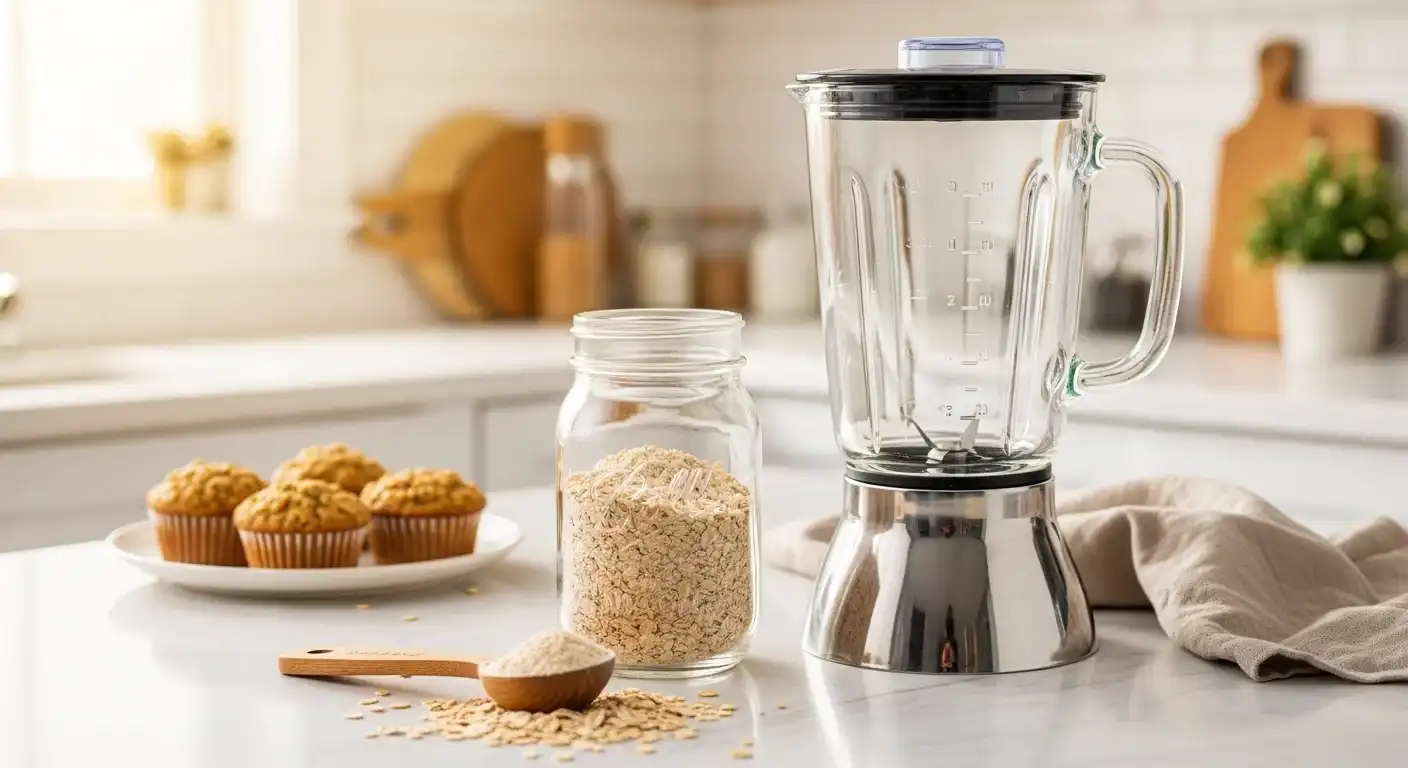
The process of how to make oat flour in a blender at home is incredibly straightforward. You only need two things: oats and a blender.
Here’s what you do:
- Measure out your rolled oats.
- Pour them into your blender.
- Blend until you have a fine powder.
It really is that simple!
Step One Measure Your Oats
Decide how much oat flour you need. A good starting point is to measure one cup of rolled oats. This will yield about one and a half cups of oat flour, as oats expand slightly when ground.
If you need more, just scale up the amount.
Step Two Add Oats to Blender
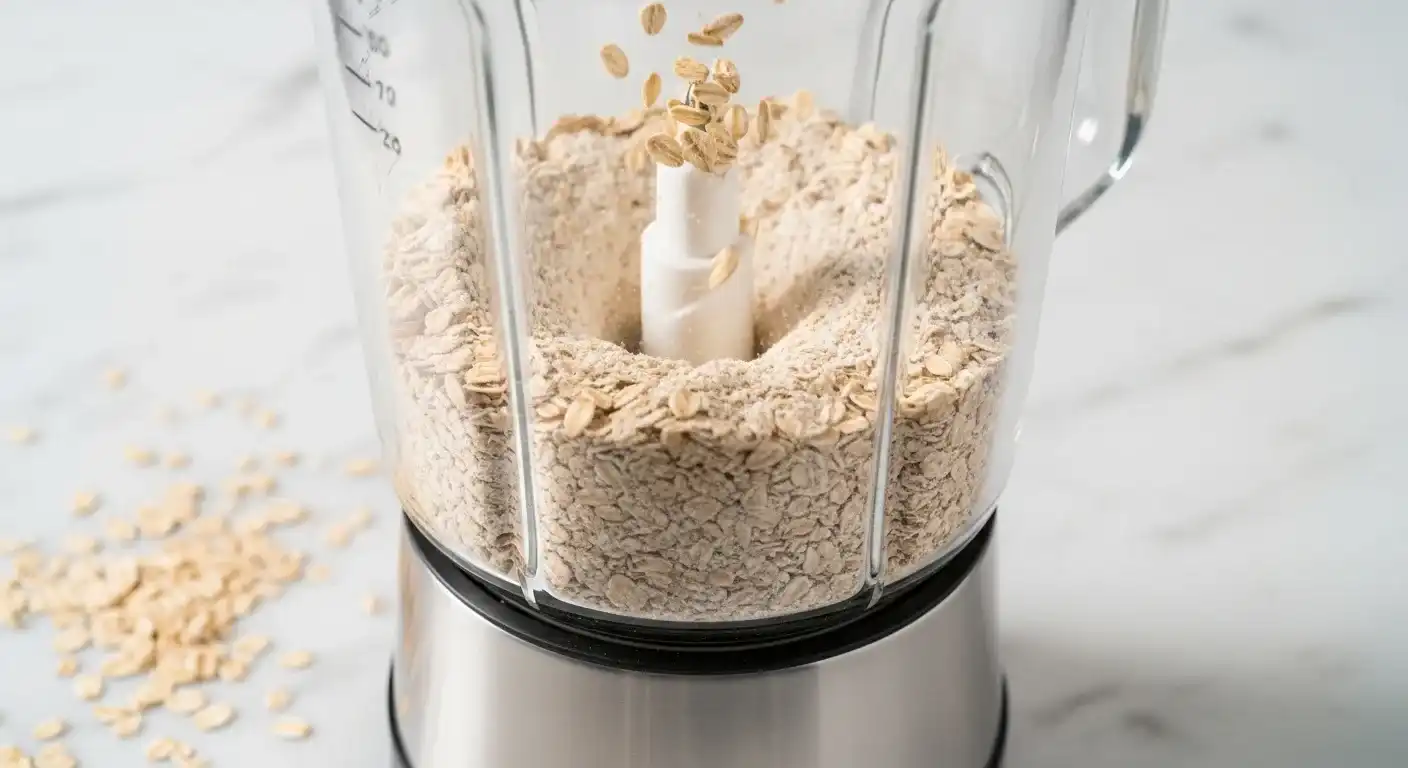
Pour the measured rolled oats into your blender. Make sure not to overfill the blender. If you’re making a large batch, it’s better to blend in smaller portions.
It’s also a good idea to let the oats settle in the blender jar before you start blending. This helps ensure an even grind.
Step Three Blend Until Fine
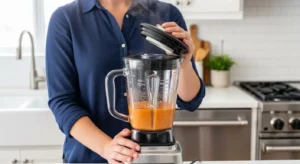
Secure the lid on your blender. Start blending on a low speed and gradually increase to a high speed. You’ll hear the oats breaking down.
Continue blending for about 30 seconds to 1 minute. Stop the blender and check the consistency. You want a fine, powdery flour.
If there are still whole oats or large pieces, blend for another 15-30 seconds. You might need to shake the blender gently or scrape down the sides if any oats stick.
The goal is a flour-like texture. It should feel powdery when you rub it between your fingers.
Storing Your Homemade Oat Flour
Once your oat flour is ready, you can use it right away or store it. For the best freshness, store it in an airtight container. This can be a glass jar with a tight-fitting lid or a resealable plastic container.
Keep the container in a cool, dry place, like your pantry. Properly stored, homemade oat flour can last for several weeks, usually up to a month.
If you plan to store it for longer, you can keep it in the refrigerator or freezer. Refrigeration can extend its life for a few months. Freezing it is the best way to keep it fresh for six months or even longer.
This is especially useful if you’ve made a big batch.
Tips for the Best Oat Flour
Here are a few extra tips to help you achieve perfect oat flour every time you learn how to make oat flour in a blender at home.
- Don’t over-blend: Blending for too long, especially with a high-powered blender, can turn your flour into oat butter. Stop as soon as it reaches a powdery consistency.
- Use a clean blender: Ensure your blender is completely clean and dry. Any moisture or residue can affect the flour’s texture and shelf life.
- Work in batches: If you have a smaller blender or are making a large quantity, blend the oats in batches. This prevents the blender motor from overheating and ensures a more uniform grind.
- Sift if needed: If you desire an extremely fine flour for delicate baking, you can sift the ground oats through a fine-mesh sieve. Any larger pieces can be put back into the blender for another round.
When to Use Oat Flour
Oat flour is versatile in baking. You can substitute it for all-purpose flour in many recipes. Often, you can
It works wonderfully in:
- Pancakes and waffles
- Muffins and quick breads
- Cookies and bars
- Crumbles and crisps
- As a thickener for sauces or soups
When substituting, you might notice slight differences in texture and browning compared to recipes made with regular flour. Oat flour tends to make baked goods a little more moist and dense.
Troubleshooting Common Issues
Even with a simple process, sometimes things don’t go perfectly. Here are common issues and how to fix them when you’re learning how to make oat flour in a blender at home.
Issue: Flour is gritty
Cause: Not blending long enough, or the blender blades aren’t sharp enough. Solution: Blend for longer, or if your blender is old, consider using a food processor for a more robust grind. You can also sift the flour through a fine-mesh sieve and re-blend the larger pieces.
Issue: Flour is sticky or gummy
Cause: Over-blending, or the oats were not fully dry. Solution: Stop blending as soon as a powder forms. Make sure your oats are completely dry before you start.
If it feels sticky, you might have blended too long and started to create oat butter.
Issue: Blender motor smells hot
Cause: Blending for too long without breaks, or too many oats in the blender. Solution: Always blend in batches if you’re making a large amount. Give your blender short breaks between blending sessions.
Ensure you’re not packing too many oats into the blender jar.
Nutritional Benefits
Oat flour is a nutritional powerhouse. It’s a good source of dietary fiber, particularly beta-glucan. Beta-glucans are known for their heart-health benefits, helping to lower cholesterol levels.
Oats also contain important vitamins and minerals like manganese, phosphorus, magnesium, and B vitamins. Using oat flour in your baking can increase the nutritional value of your meals and snacks. It’s a whole-grain option that provides sustained energy.
Comparing Oat Flour to Other Flours
Let’s look at how oat flour stacks up against other common flours.
| Flour Type | Gluten | Fiber Content | Common Uses | Texture/Flavor |
|---|---|---|---|---|
| All-Purpose Flour | Yes | Low | All types of baking | Neutral |
| Oat Flour | No (if certified GF) | High | Pancakes, muffins, cookies | Slightly nutty, moist |
| Almond Flour | No | Moderate | Cookies, cakes, gluten-free baking | Nutty, dense |
| Coconut Flour | No | Very High | Gluten-free and low-carb baking | Slightly sweet, absorbent |
As you can see, oat flour offers a great balance of nutrition, texture, and versatility. It’s a healthy and accessible choice for many home bakers.
Making Oat Flour for Specific Needs
If you have specific dietary requirements, making your own oat flour is especially beneficial.
Gluten-Free Baking
For those avoiding gluten, using certified gluten-free rolled oats is essential. This ensures your oat flour is safe and suitable for a gluten-free diet. Many people find oat flour gives baked goods a pleasant texture that can be hard to achieve with other gluten-free flours alone.
Vegan Baking
Oat flour is naturally vegan, making it a perfect fit for vegan recipes. You can use it in all sorts of vegan baked goods, from cookies to cakes, without any worry about animal products.
Baby Food
Homemade oat flour can also be used to make simple, nutritious baby food. When cooked with water or milk, it creates a smooth porridge. Always consult with a pediatrician before introducing new foods to infants.
You can also read: Best Mini Blenders for Baby Food
Frequently Asked Questions
Question: What kind of oats should I use to make oat flour
Answer: You should use rolled oats, also known as old-fashioned oats. Avoid steel-cut oats or instant oats for the best texture.
Question: How long does homemade oat flour last
Answer: Stored in an airtight container in a cool, dry place, homemade oat flour typically lasts for about 3-4 weeks. For longer storage, keep it in the refrigerator or freezer.
Question: Can I make oat flour if I don’t have a high-powered blender
Answer: Yes, a standard blender works well. For tougher grains or to ensure a finer texture, a food processor can also be used.
Question: How much oat flour does one cup of oats make
Answer: One cup of rolled oats will yield approximately 1.5 cups of oat flour. Oats expand slightly when ground.
Question: Is homemade oat flour gluten-free
Answer: Oat flour is naturally gluten-free, but it can be cross-contaminated during processing. If you need gluten-free flour, be sure to use oats that are certified gluten-free.
Final Thoughts
Learning how to make oat flour in a blender at home is a simple skill that pays off. You get fresh, healthy flour for all your baking needs. Just grab rolled oats, a blender, and a few minutes.
You can quickly turn them into a fine powder. Store it well, and you’ll have a great baking staple ready whenever you need it for muffins, cookies, or pancakes.

I’m Joshua Miller, a U.S.-based food enthusiast and Co-Founder of KitchenWink.com. With a Bachelor’s degree in Food Science and over five years of hands-on experience testing blenders, coffee makers, and other kitchen tools, I focus on real-world results—not lab theories.