Skip to content
Protein shakes are one of the fastest ways to refuel after a workout, hold off the mid-afternoon slump, or start a busy morning with a solid dose of protein. Yet many homemade shakes come out lumpy, watery, or foamy — not because the blender is bad, but because the technique is off.
After years of making shakes at home across every style of blender, I can tell you this: the price tag matters far less than the method. Ingredient order, the liquid-to-powder ratio, and blend time turn a mediocre shake into a genuinely great one. This guide walks through everything that matters, from picking the right powder to cleaning up afterward. You can also read our guide on how to sharpen blender blades.
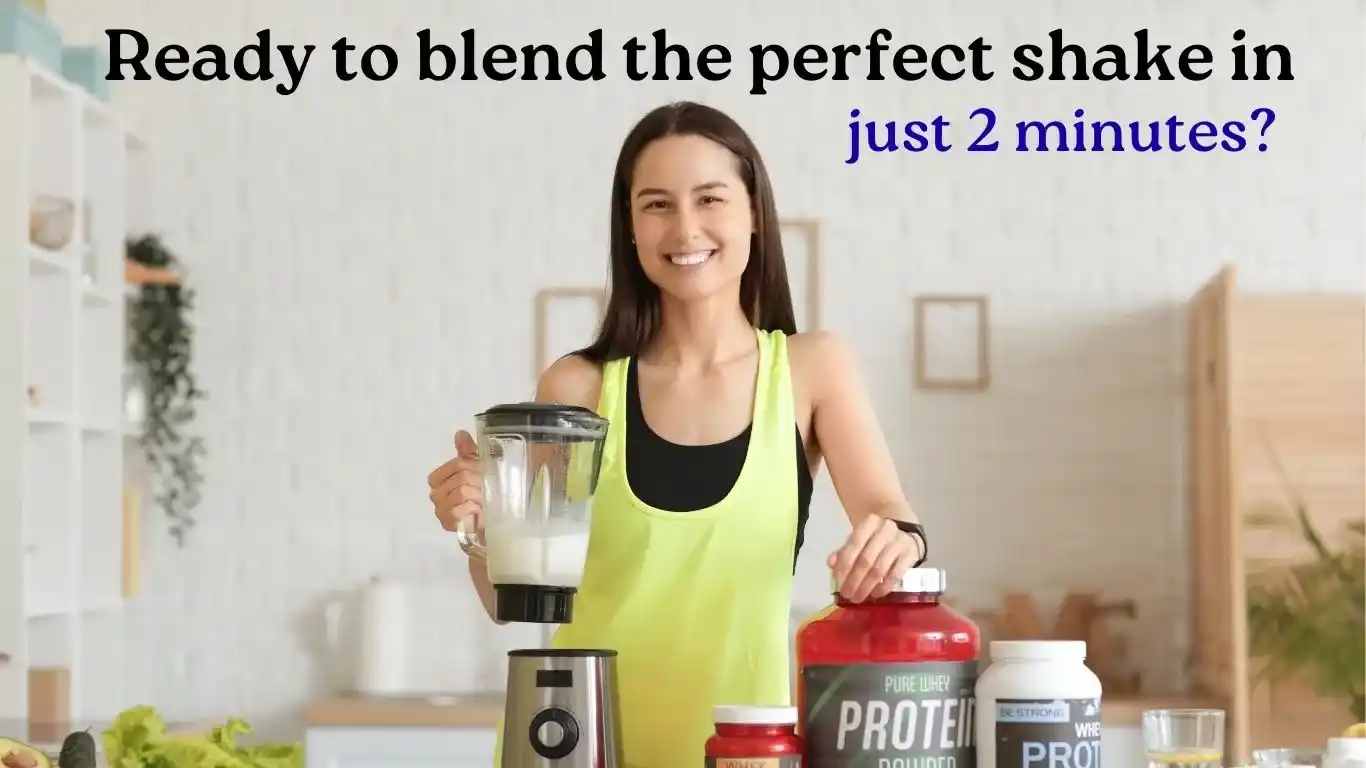
A properly blended shake looks smooth and uniform, not separated or frothy.
Why Blend Your Own Protein Shake at Home
You can buy a ready-made shake at almost any store, but making your own at home is cheaper and better in three ways.
First, cost: a single bottled shake typically sells for three to five dollars, while a homemade version runs about a dollar or two per serving. Second, control: you decide the protein dose, the sweetness, and exactly what goes in. Many bottled options contain added gums, oils, or artificial sweeteners you may not want. Third, taste: a shake made with real fruit and cold milk is noticeably fresher than anything shelf-stable, and once you have the method down it takes about two minutes of active time — faster than a trip to the store.
Choosing a Protein Powder That Actually Tastes Good
Your powder sets the foundation for flavor, nutrition, and blendability, so this is where a little label-reading pays off. For more on this, see our guide on how to make oat flour in a blender.
Whey vs. Plant-Based Protein
Whey comes from milk. It digests quickly and contains a complete set of essential amino acids, including a naturally high level of leucine — the amino acid most linked to muscle recovery. Plant-based powders, usually made from peas, rice, or hemp, suit vegans and anyone sensitive to dairy. Pea protein alone is lower in a few amino acids, so look for a blend such as pea plus rice, which fills those gaps.
Research that compares plant and animal proteins has repeatedly found similar results for strength and lean mass when total protein and amino acid profiles are matched. Whey has a small built-in edge in leucine, but a well-formulated plant blend closes most of that gap. In practice, the best protein powder is the one you enjoy drinking daily — consistency beats perfection. For more on this, see our guide on how to make muffins without a muffin pan.
What to Look For on the Label
- Protein: at least 20 g per serving.
- Sugar: 5 g or less unless you want a dessert-style shake.
- Amino profile: a complete protein (whey, casein, soy) or a blend like pea + rice.
- Third-party testing: competitive athletes should look for brands verified by a program such as NSF Certified for Sport, which screens for banned substances and confirms the label matches the contents.
- Short ingredient list: fewer additives usually means less chalky filler.
Flavors That Blend Best
Vanilla is the most versatile flavor — it pairs with berries, chocolate, coffee, and greens. Chocolate works beautifully with banana and peanut butter. Unflavored powder is the best choice if you plan to add fruit, cocoa, or spices, since it lets the other ingredients shine.
The Only Tools You Really Need
You do not need a professional-grade machine to make an excellent shake. Understanding the two main blender types helps you pick what fits your routine. For more on this, see our guide on what does an immersion blender do.
Blender Types and Features
Countertop blenders have stronger motors and larger jars, which makes them ideal for big batches, frozen fruit, and crushing ice. Personal blenders are smaller, cheaper, and easier to clean — the jar doubles as your drinking cup, which is convenient for single servings.
What actually matters is modest: a motor around 500 watts or more, sharp stainless steel blades, and a simple pulse or speed setting. That combination crushes ice and breaks down frozen fruit without struggling. In my experience, a mid-range personal blender makes a perfectly smooth single shake, while a countertop model earns its place if you batch-prepare.

A basic countertop or personal blender handles most shakes without issue.
Credit: www.rtings.com
Useful Accessories
A travel cup with a tight lid is worth having if you drink on the go. A tamper pushes stubborn frozen fruit down into the blades, and clear measurement marks on the jar remove the guesswork from your liquid ratio. None of these are essential, but they make the routine smoother.
The Proven Step-by-Step Recipe
This is the formula I use several times a week. It produces a creamy, well-balanced shake with about 25–30 g of protein.
Ingredients
- 1 scoop protein powder (20–30 g protein)
- 8–12 oz milk, plant milk, or water
- 1 small banana, or 1 cup frozen fruit
- 1 tablespoon nut butter (optional)
- 3–4 ice cubes (skip if using frozen fruit)
- Pinch of salt (optional, rounds out the sweetness)
Blend in This Order
Order matters more than most people realize. It prevents clumping and keeps powder from sticking to the jar.
- Pour the liquid in first. Liquid at the bottom keeps the powder from sticking to the base.
- Add the protein powder. It disperses into the liquid instead of clinging to dry walls.
- Add the banana or frozen fruit.
- Add nut butter and any extras.
- Add ice last, then secure the lid firmly.
- Blend on low for 10 seconds to pull everything down, then blend on high for 30–45 seconds.
- Stop and check. If powder streaks remain on the sides, scrape them down with a spatula and pulse for another 10 seconds.
- Pour and drink immediately for the best texture and flavor.
Prefer to watch it done? Here's a short video demo of the same blender method.
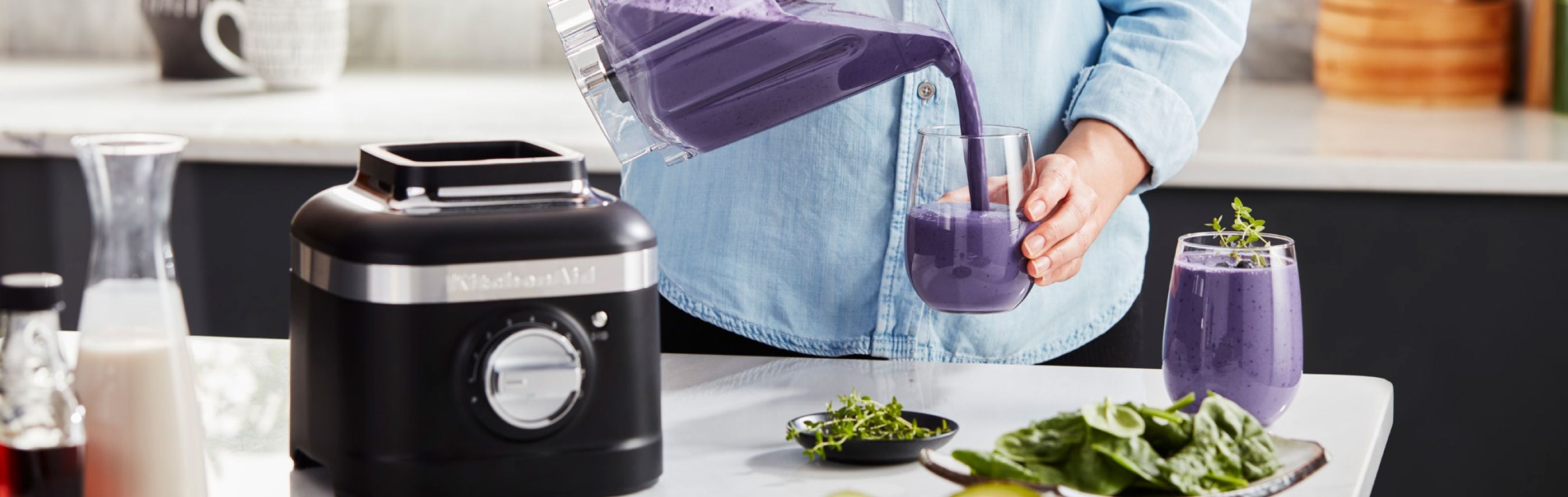
The ideal consistency pours easily but still coats the glass.
Credit: www.kitchenaid.com
Liquid Ratios That Work Every Time
Your goal determines how much liquid to use:
| Texture | Liquid | Best For |
|---|---|---|
| Thick and spoonable | 4–6 oz | Smoothie bowls, high-protein dessert |
| Classic shake | 8–12 oz | Everyday post-workout drink |
| Light and refreshing | 12–16 oz | Hot days, leisurely sipping |
Do You Really Need to Drink It Within 30 Minutes?
No. The idea of a tiny post-workout "window" is one of the most persistent myths in fitness. Total daily protein and how you spread it across meals matter more than the exact minute you drink your shake. Daily needs depend on body weight and training volume; USDA dietary guidance is a sensible starting point for planning servings across the day. For most active adults, roughly 1.6–2.2 g of protein per kilogram of body weight per day is a practical target, with 20–40 g per shake depending on your size and goals. Drink it when it's convenient — before or after training both work.
Common Mistakes and How to Fix Them
Even experienced blenders hit these snags. Here's what goes wrong and how to correct it:
| Problem | Cause | Fix |
|---|---|---|
| Clumps of dry powder | Powder added before liquid | Liquid first, then powder; blend briefly on low |
| Excessive foam | Over-blending or too little liquid | Cap blend time at 45 seconds; add a pinch of salt |
| Thin and watery shake | Too much liquid, no frozen base | Use frozen fruit; add 2 tbsp Greek yogurt or oats |
| Chunky ice pieces | Ice added to too little liquid | Add more liquid, or pulse the ice first |
| Powder streaks on sides | Powder trapped under the blades | Stop once, scrape down, then resume blending |
Boost Flavor and Nutrition Without Complicating It
A basic shake is good; a shake you look forward to is better. Small additions transform flavor and nutrition without much effort.
Fruits and Vegetables
Bananas add natural sweetness and body. Berries bring tart flavor and antioxidants with little sugar. Mango pairs beautifully with vanilla protein and plant milk. Greens like spinach or kale contribute fiber and micronutrients with almost no change in taste — start with a small handful and increase from there. Firm fruit such as apples or pears breaks down faster when sliced into ribbon-cut strips rather than bouncing around the blades in chunks.
Healthy Fats That Keep You Full
Nut butters, chia seeds, ground flax, and avocado all add richness and slow digestion so the shake keeps you satisfied longer. Peanut or almond butter gives the most flavor for a single tablespoon. Chia and flax contribute omega-3s and thicken the texture slightly. Half a small avocado makes the shake ultra-creamy without dominating the taste, and if you use one regularly, quick avocado prep keeps the morning routine fast.
Sweeteners and Spices Without the Sugar Spike
Honey, maple syrup, or one or two pitted dates add sweetness in small, controlled doses. Cinnamon, nutmeg, vanilla extract, cacao powder, or a shot of espresso add depth without extra calories. A tiny pinch of salt balances sweetness and reduces any chalky aftertaste — a trick most people discover late.
Flavor Combinations to Rotate
| Combo | Ingredients |
|---|---|
| Peanut Butter Cup | Chocolate protein, 1 tbsp peanut butter, banana |
| Berry Vanilla | Vanilla protein, mixed berries, handful of spinach |
| Green Recovery | Vanilla or unflavored protein, mango, kale, squeeze of lime |
| Iced Mocha | Chocolate protein, 1 shot espresso, milk, ice |
| Tropical | Vanilla protein, pineapple, coconut milk, 1 tbsp chia |
Adjusting Texture and Consistency
The right texture is personal. Here's how to fine-tune it without guessing.
Make It Thicker
Frozen banana adds more body than fresh. Greek yogurt, rolled oats, chia seeds (soaked for 10 minutes), avocado, or an extra tablespoon of nut butter all thicken the shake while adding nutrition. Grind oats into flour first if you want zero grittiness.
Make It Thinner
Add liquid in small increments — about 2 tablespoons at a time — after blending. Adding it all upfront risks overshooting into a watery drink. Whole milk or full-fat plant milk makes the shake richer than water or light milk.
Warm Shakes Count Too
Cold isn't mandatory. In winter, blend with warm (not boiling) milk, or steep a tea bag in warm water and use that as your base. If you're often away from home, having hot water while traveling means you can still make a warm shake in any hotel room with a portable kettle.
Prevent Foam and Clumps
Foam forms when air gets trapped in the protein structure — over-blending and too little liquid are the usual culprits. Keep the final blend under 45 seconds, always start with the liquid, and use frozen fruit instead of relying only on ice. If clumps still appear, the low-speed-first approach fixes most of them.
Clean Your Blender in 30 Seconds
Protein residue is the hardest thing to remove from a blender once it dries, so clean immediately after pouring. Skipping this step is the most common reason blenders develop that sour, mildewy smell.
The Quick Clean Method
Fill the jar halfway with warm water, add a drop of dish soap, secure the lid, and run on high for 30 seconds. Rinse thoroughly. That removes most residue without touching the blades. For a personal blender, add water and soap to the cup, reattach the blade base, and shake vigorously.
Wash the lid and rubber gasket by hand every few days — powder and milk collect there. Let everything air-dry upside down. A sturdy spatula scrapes out the last of a thick shake so you don't waste any, and it keeps cleanup faster.
Maintenance That Extends the Blender's Life
Inspect the blades occasionally for nicks or dullness, and check that the base and lid seal tightly. If the gasket stretches or cracks, replace it — a poor seal causes leaks and lets liquid reach the motor. Store the jar dry and assembled loosely so no trapped moisture develops odors. A well-cared-for blender lasts years.
Storing and Serving Shakes
Protein shakes are best fresh, but with a little planning, they fit into a busy week.
How Long Does a Blended Shake Last?
Drink it within 30 minutes for the best texture. You can refrigerate it in an airtight container for up to 24 hours — separation is normal, so shake it well before drinking. Avoid freezing shakes made with dairy; ice crystals break down the texture. If you want make-ahead convenience, portion the dry ingredients into small jars instead, so blending takes seconds later.
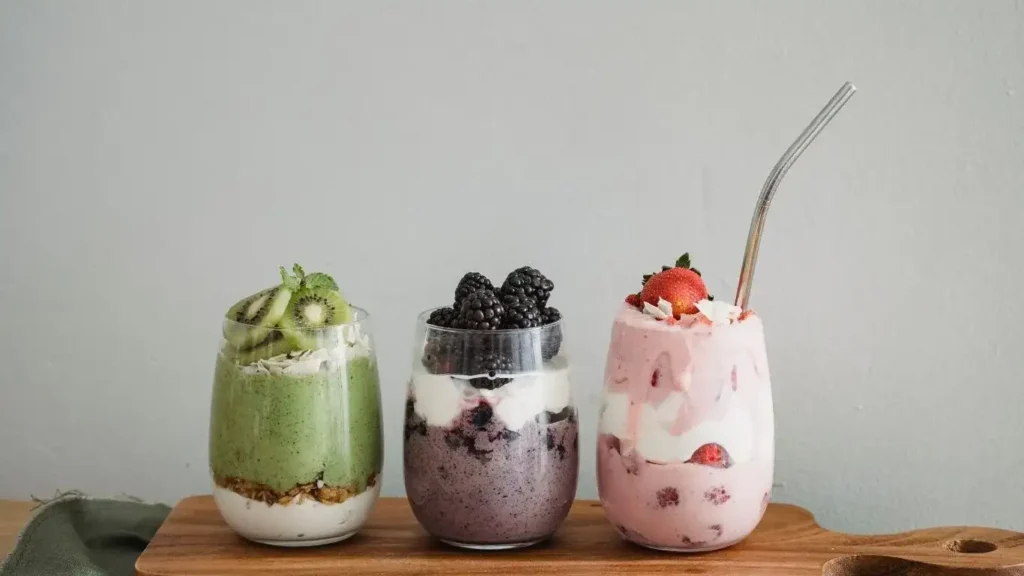
Batch-prepare shakes in sealed bottles for grab-and-go mornings.
Serve It Well
A chilled glass, a few ice cubes, and a simple garnish — cinnamon, cacao nibs, or a slice of fruit — make the shake feel like a treat rather than a chore. A wide straw helps with thick shakes, and a well-sealed travel cup gets you out the door faster.
Frequently Asked Questions
What ingredients are best for a protein shake in a blender?
Protein powder, milk or plant milk, a frozen banana or berries, and a tablespoon of nut butter cover the basics. That combination delivers roughly 25–30 g of protein, natural sweetness, and a smooth texture.
How long should I blend a protein shake?
Blend for 30–45 seconds on high, after a short 10-second low-speed start to pull ingredients down. Longer blending adds air, foam, and heat, which dulls the texture.
Can I use frozen fruits in my protein shake?
Yes. Frozen fruit makes the shake cold and thick without watering it down the way melting ice can. Reduce or skip the ice cubes when using frozen fruit.
What type of protein powder works well in a blender?
Any quality powder blends well if you use the right order and liquid ratio. Whey mixes the fastest; plant-based options may need a few extra seconds of blending to become fully smooth.
How much liquid should I add to my protein shake?
Eight to twelve ounces is the standard range for a classic shake. Use four to six ounces for a thick, spoonable version and twelve to sixteen for a light, refreshing drink.
Can I add vegetables to my protein shake?
Yes. A handful of spinach or kale blendsinvisibly into most fruit-forward shakes, adding fiber, vitamins, and minerals without changing the flavor much. Start with one handful, then work up from there as your taste adjusts.
Final Thoughts: Master the Routine, Then Make It Yours
The method for a perfect protein shake is refreshingly simple: liquid first, powder second, blend low then high for 30–45 seconds, and drink immediately. Master that foundation, then experiment with flavors, textures, and add-ins to make each shake your own.
What separates a shake habit that sticks from one that fades is convenience. A shake you can make in two minutes is one you will actually make every day. To keep the routine fast and frustration-free, pair your blender with the right everyday tools. A sturdy scraping tool makes cleanup effortless, a compact hot-water heater lets you make warm shakes in any hotel room, and smart prep gadgets cut down the time you spend slicing fruit before blending. When every part of the process is quick, consistency follows.
Change up flavors each week to keep things interesting — rotate between Peanut Butter Cup, Iced Mocha, and Green Recovery. The best protein shake is the one you enjoy drinking and will happily make again tomorrow. Blend it your way, and keep it simple.