Skip to content
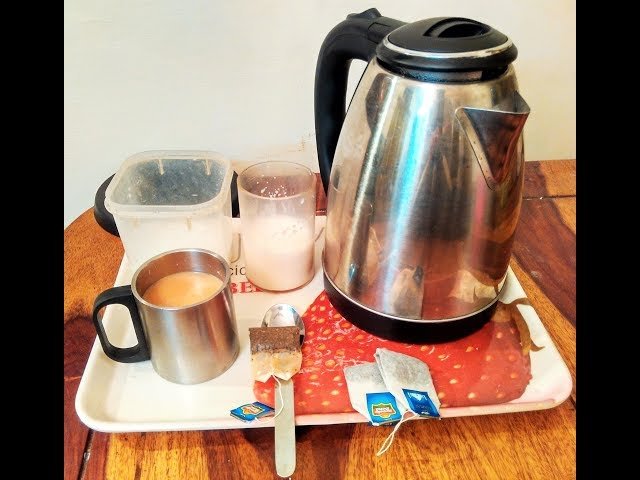
Making tea in a kettle is an art that brings comfort and simplicity to your daily routine. Whether you love a strong cup of black tea or a calming herbal blend, knowing how to use a kettle properly can change the flavor and experience of your tea.
Many people think making tea is just about boiling water, but the small details—like water temperature, steeping time, and even the kettle type—can make a big difference. If you want to get the most from your tea leaves or bags, learning how to make tea in a kettle is a skill worth mastering.
Understanding The Different Types Of Kettles
Choosing the right kettle is the first step. Not all kettles are the same, and each has its strengths. The three main types are stovetop kettles, electric kettles, and whistling kettles.
| Kettle Type | Heating Method | Best For | Time to Boil (Avg.) |
|---|---|---|---|
| Stovetop | Gas/Electric Stove | Classic taste, large batches | 6-10 min |
| Electric | Plug-in, electric coil | Speed, precise temp | 2-5 min |
| Whistling | Stovetop | Audible reminder | 6-10 min |
Electric kettles are known for speed and convenience, often with temperature controls. Stovetop kettles offer a traditional feel and suit those who enjoy the ritual of making tea. Whistling kettles add a safety feature, reminding you when water is ready. If you want to control water temperature for different teas, consider an electric kettle with adjustable settings.
Choosing Your Tea
There are thousands of tea varieties, but they can be grouped into a few main types: black, green, oolong, white, herbal, and chai. Each type needs a different approach.
- Black tea: Strong and bold, usually requires boiling water.
- Green tea: Delicate, best with water below boiling (about 175-185°F).
- Oolong tea: Between green and black, water around 185-205°F works well.
- White tea: Very delicate, water should be 160-185°F.
- Herbal tea: Caffeine-free, most need boiling water.
Loose leaf tea often gives a richer flavor than tea bags, but both work well in a kettle. For beginners, tea bags are simpler and less messy.
Preparing Your Kettle
Before you make tea, your kettle needs to be clean. Old residue or limescale affects taste. Here’s how to prepare your kettle:
- Clean it regularly: Fill the kettle with water and a few tablespoons of vinegar. Boil, rinse, and repeat with plain water.
- Check for limescale: Hard water areas cause buildup. Use a descaling agent if needed.
- Use fresh water: Stale or previously boiled water can make tea taste flat. Always start with cold, fresh tap or filtered water.
How Much Water And Tea To Use
The ratio of water to tea is vital for flavor. Too little tea, and it’s weak. Too much, and it’s bitter. A general rule:
- 1 tea bag or 1 tsp loose leaf per 8 oz (about 240 ml) cup of water
If you’re making a pot, multiply by the number of cups. For example, a 32 oz (1 quart) kettle needs 4 tea bags or 4 teaspoons loose leaf.
Credit: www.youtube.com
Step-by-step: Making Tea In A Kettle
Here’s a clear, practical process for making tea using a kettle.
1. Fill The Kettle
Pour the amount of fresh, cold water you need into the kettle. Don’t overfill; most kettles have a max line. Using too much water can cause spills and uneven heating.
2. Heat The Water
- Electric kettle: Set the temperature if possible (see the table below).
- Stovetop/whistling kettle: Heat until the kettle whistles or reaches the right temperature.
| Tea Type | Ideal Temperature (°F) | Boiling Needed? |
|---|---|---|
| Black | 200-212 | Yes |
| Green | 175-185 | No |
| Oolong | 185-205 | No |
| White | 160-185 | No |
| Herbal | 212 | Yes |
Pro tip: If you don’t have a thermometer, after boiling let the water sit for 2-3 minutes for green or white tea.
3. Add Tea
- Loose leaf: Place tea in a teapot, infuser, or directly in your mug.
- Tea bag: Place in the cup or teapot.
Do not put tea leaves directly into the kettle. Kettles are for boiling water, not steeping tea. Steeping in the kettle can clog spouts and is hard to clean.
4. Pour Water Over Tea
Carefully pour the hot water over your tea leaves or bag. This helps the tea release its flavors evenly. Pouring water directly on tea in a cup or pot is the most effective method.
5. Steep
Let your tea steep for the correct time:
- Black tea: 3-5 minutes
- Green tea: 2-3 minutes
- Oolong tea: 3-5 minutes
- White tea: 4-5 minutes
- Herbal tea: 5-7 minutes
If you steep too long, the tea becomes bitter; too short, and it’s weak. Use a timer for best results.
6. Remove Tea
Take out the tea bag or strain the loose leaves after steeping. Leaving tea in water too long ruins the balance of flavors.
7. Add Extras (optional)
You can add milk, sugar, honey, lemon, or spices depending on your tea and taste. Black tea often goes well with milk and sugar, while green and herbal teas are usually enjoyed plain or with honey.
Differences: Loose Leaf Vs Tea Bags
Many wonder if loose leaf or bagged tea is better. Here’s a quick comparison:
| Aspect | Loose Leaf | Tea Bags |
|---|---|---|
| Flavor | Richer, more complex | Simpler, faster |
| Convenience | Needs infuser/strainer | Easy, no tools needed |
| Price | Often higher per cup | Usually cheaper |
| Freshness | Stays fresh longer | Can go stale faster |
Loose leaf tea allows leaves to expand and release full flavor, but takes more effort. Tea bags are great for quick, easy tea, especially when you’re busy.
Practical Tips For Better Tea
To make your tea experience better, keep these tips in mind:
- Pre-warm your cup or teapot: Rinse with hot water before brewing. This keeps your tea hot longer.
- Avoid reboiling water: Each boil removes oxygen, making tea taste dull.
- Store tea properly: Keep tea in an airtight container, away from light and moisture. This keeps flavors fresh.
- Use filtered water: If your tap water tastes odd, your tea will too.
- Try different steeping times: Every brand and type of tea is a little different. Start with the suggested time, then adjust to your taste.
Non-obvious insight: Most people overlook the impact of water quality. Using filtered or spring water often brings out more flavors than hard tap water. Also, pre-warming your teapot or mug is a small step that many skip, but it makes a surprising difference in how long your tea stays hot.
You might find this helpful:
Common Mistakes To Avoid
Even experienced tea drinkers make mistakes. Here are frequent issues:
- Steeping too long: Leads to bitterness, especially with black and green teas.
- Using boiling water for all teas: Green and white teas need cooler water.
- Leaving tea in the kettle: This makes cleaning hard and affects the next batch’s taste.
- Not cleaning the kettle often: Limescale and old flavors ruin fresh tea.
- Using old tea leaves or bags: Tea loses flavor over time.
Credit: www.youtube.com
Experimenting With Flavors
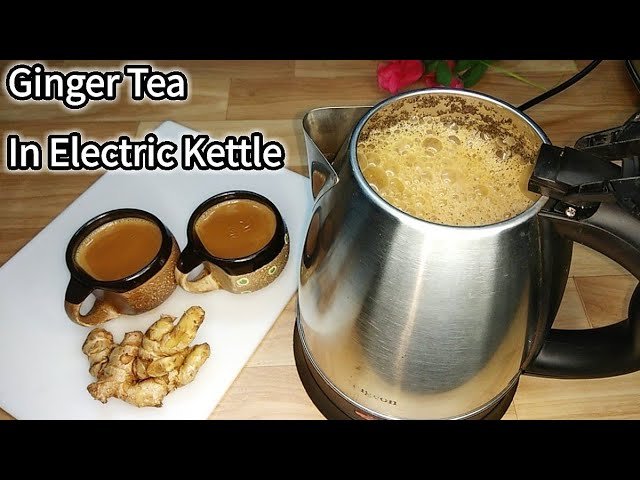
Once you’re comfortable, try different teas and extras. Add ginger, cinnamon, or mint to your kettle water for a twist. For iced tea, make a strong batch in the kettle, then cool and serve over ice. You can also blend teas—like adding a bag of green and a bag of peppermint together.
Making tea in a kettle is flexible. The more you experiment, the better you’ll understand what you like.
Safety Tips
Hot water is dangerous. Always be careful:
- Don’t overfill the kettle; boiling water can spill.
- Use the handle, not the body, to lift the kettle.
- Pour slowly to avoid splashes.
- Keep the kettle away from children.
If your kettle is electric, never immerse it in water and always unplug before cleaning.
Environmental Considerations
Electric kettles use less energy than stovetop ones and are often more efficient. If you care about the planet, only boil as much water as you need—this saves energy and time. Some kettles now have auto shutoff features to prevent overheating and save power.
Reusing tea leaves for a second brew is another eco-friendly tip, especially with high-quality loose teas. Composting used tea leaves or bags (if they are plastic-free) is good for the environment.
Why Kettle-made Tea Tastes Better
Heating water to the right temperature in a kettle extracts the best flavors from tea leaves. The gentle, even heating helps release delicate oils and aromas that microwaving or instant hot water can’t match. This is why tea experts around the world prefer kettles.
According to the Tea Association of the USA, Americans consumed over 84 billion servings of tea in 2026, with kettle-brewed tea making up a large share. This classic method remains popular because it delivers reliable results.
For more details on tea types and preparation, visit Wikipedia.

Credit: destinationtea.com
Frequently Asked Questions
How Do I Know When The Water Is Hot Enough If My Kettle Has No Temperature Control?
If your kettle does not have a temperature setting, watch for bubbles. Small bubbles form at 160-180°F (good for green or white tea). Full, rolling boils (big bubbles) mean the water is at 212°F, perfect for black or herbal teas.
Let the water cool for 2-3 minutes after boiling for green or white teas.
Can I Put Loose Tea Leaves Directly Into The Kettle?
It’s not recommended. Loose tea leaves can clog the spout, make cleaning difficult, and may give your next batch a stale taste. Use a teapot, infuser, or strainer instead.
Is It Safe To Reboil Water In A Kettle?
Reboiling water is safe, but it removes oxygen and can make your tea taste flat. For best flavor, always use fresh water each time you make tea.
How Often Should I Clean My Kettle?
Clean your kettle at least once a week if you use it daily. In hard water areas, descale every 1-2 weeks to prevent limescale buildup. Regular cleaning keeps your tea tasting fresh.
What’s The Best Way To Store Tea?
Keep tea in an airtight container away from light, moisture, and strong smells. A cool, dry cupboard works well. This helps preserve the flavor and aroma for as long as possible.
Making tea in a kettle is a satisfying daily ritual. With a little practice, you’ll find your perfect cup is just a few simple steps away. Enjoy exploring different teas and techniques, and remember—the best tea is the one you like most.