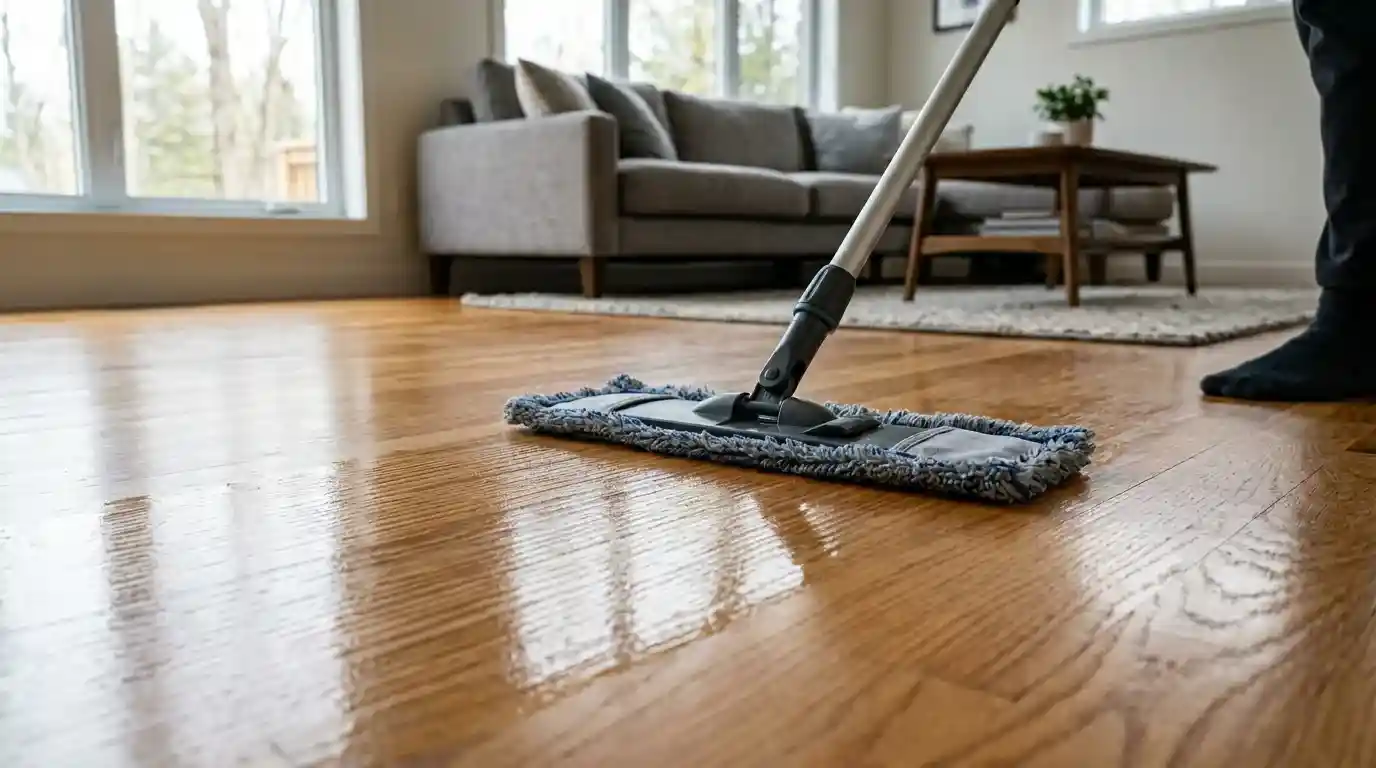
Mopping the floor seems simple, but getting a perfectly clean, streak-free finish is not easy for everyone. Many people mop their floors only to find streaks, dull spots, or sticky areas after drying. These streaks can make your home look less clean and even damage some flooring types over time.
If you want your floors to shine without streaks, you need the right tools, products, and technique. This guide will show you how to mop floors without leaving streaks, no matter what type of floor you have.
Why Do Floors Get Streaks After Mopping?
Streaks are often caused by a combination of dirty water, poor technique, and the wrong cleaning products. When you mop with water that is already dirty, you are spreading grime instead of removing it. Using too much cleaning solution or the wrong type can also leave residue behind, which dries as streaks. Some floors, like glossy tiles or laminate, show streaks more clearly than others.
There are other less obvious reasons too. For example, mopping with a dry mop head can pull up dust but leave streaks behind. Using hard water, which contains minerals, also increases streaking. Understanding the cause is the first step to fixing the problem.
Choosing The Right Mop And Cleaning Solution
Your mop and cleaning solution are the foundation of streak-free floors. Not every mop is suitable for every floor, and not all cleaning products are streak-free.
Mop Types Comparison
Here is a quick comparison of common mop types and their strengths for streak-free mopping:
| Mop Type | Best For | Streak Risk | Notes |
|---|---|---|---|
| Microfiber Mop | Tile, laminate, hardwood | Low | Holds dust, uses less water, easy to rinse |
| Sponge Mop | Tile, linoleum | Medium | Can leave streaks if not rinsed well |
| String Mop | Cement, outdoor areas | High | Harder to wring, leaves water marks |
| Steam Mop | Sealed hard floors | Low | Sanitizes, dries quickly, avoids residue |
For most homes, a microfiber mop is ideal. It traps dirt without spreading it, uses less water, and is easy to wash.
Cleaning Solutions Comparison
Using the right cleaning solution is just as important. Many store-bought cleaners contain soaps that leave residue. Others are too strong for certain floors.
| Cleaner Type | Residue Risk | Best For | Notes |
|---|---|---|---|
| pH-neutral cleaner | Low | Laminate, hardwood | Safe for sensitive floors, streak-free |
| Vinegar solution | Medium | Tile, vinyl | Can dull wood, avoid on stone |
| Soap-based cleaner | High | Heavy dirt | Rinse well to avoid streaks |
| Steam (water only) | None | Sealed hard floors | No residue, dries fast |
Always read your floor manufacturer’s instructions. Using the wrong cleaner can void your warranty or damage the surface.

Credit: www.reddit.com
Preparing The Floor Before Mopping
Never mop a dirty floor. Dust, crumbs, and pet hair are the main causes of streaks. Before you mop:
- Sweep or vacuum thoroughly.
- Remove any sticky spots or spills with a damp cloth.
- Move small furniture or rugs so you can reach every area.
Some beginners skip this step, thinking the mop will pick up everything. In reality, mopping over dirt only spreads it and causes streaks.
Mixing Your Cleaning Solution Correctly
More cleaning solution does not mean cleaner floors. In fact, using too much can leave a sticky residue that dries as streaks. Always follow the instructions on the bottle.
- For most cleaners: Mix about one tablespoon per gallon of water.
- For vinegar solution: Use half a cup of vinegar in one gallon of water.
- Never use hot water for wood or laminate. Warm water is better.
If you have hard water, consider using distilled water to reduce mineral streaks. This is a tip many people miss, but it can make a big difference, especially on glossy floors.
The Best Mopping Technique For Streak-free Floors
How you mop matters just as much as what you use. Here’s a step-by-step guide for streak-free mopping:
- Dampen the mop—not soaking wet. Too much water leaves streaks and can damage floors.
- Start in one corner and work toward the exit. This prevents walking on the wet floor.
- Mop in straight lines or figure-eight patterns. Avoid swirling, which spreads dirt.
- Rinse the mop often. If your water looks dirty, change it immediately.
- After finishing, rinse the floor with clean water if your cleaner requires it.
- Let the floor air dry or use a soft towel to dry for extra shine.
One insight beginners often miss: always mop in small sections. Don’t try to cover the whole room at once. Smaller areas dry faster and are easier to check for streaks.
You might find this helpful: Best Mops for Tile Floors
Drying Floors Properly
Leaving floors to air dry is fine, but in humid climates, moisture can linger and cause streaks. If you want a streak-free finish:
- Use a clean microfiber towel to buff the floor gently after mopping.
- Open windows or turn on fans to speed up drying.
- Avoid walking on the floor until it is completely dry.
Some people use paper towels, but these can leave lint or fibers behind. Microfiber cloths are best.

Credit: www.microfiberwholesale.com
Special Tips For Different Floor Types
Every floor has its own challenges. Here are tips for the most common types:
Hardwood
- Use very little water and a pH-neutral cleaner.
- Dry the floor quickly to avoid water damage.
- Buff with a microfiber towel for extra shine.
Laminate
- Too much water can cause warping and streaks.
- Avoid vinegar and soap-based cleaners.
- Mop with a barely damp microfiber pad.
Tile
- Use a mild detergent or vinegar solution.
- Change water frequently to avoid streaks.
- Rinse with clean water for a polished look.
Vinyl
- Avoid abrasive cleaners.
- Mop with diluted vinegar for a streak-free finish.
- Dry with a soft towel.
Stone
- Use only cleaners made for stone.
- Avoid acid-based cleaners like vinegar.
- Buff with a dry microfiber cloth.
If you’re unsure, check your floor type online or consult the manufacturer. Some floors are more sensitive than others.
Common Mistakes That Cause Streaks
Even experienced cleaners make mistakes. Here are five common errors:
- Using too much cleaner: More is not better. Excess cleaner leaves residue.
- Not rinsing the mop: Dirty mop heads spread grime.
- Mopping too fast: Rushing can leave uneven spots.
- Using old mop heads: Worn mop heads don’t pick up dirt well.
- Walking on wet floors: Shoes or feet can create new streaks.
Avoiding these mistakes will help you get a cleaner, streak-free result every time.
Comparing Professional And Diy Mopping
Professional cleaners often use tools and techniques that regular people don’t. Here’s a quick comparison:
| Method | Tools Used | Streak Risk | Cost |
|---|---|---|---|
| DIY | Microfiber mop, home solution | Medium | Low |
| Professional | Commercial mop, pH-neutral solution, drying equipment | Low | High |
You don’t need professional equipment for streak-free floors. With the right mop and technique, you can get results just as good.
How Often Should You Mop?
How often you mop depends on your home and lifestyle. In general:
- High-traffic areas: Mop 1–2 times per week.
- Low-traffic areas: Mop every 2–3 weeks.
- Homes with pets/kids: Mop more frequently.
Regular mopping prevents dirt build-up and makes streak-free cleaning easier. For busy homes, spot-clean spills right away to avoid stains and streaks.
Eco-friendly Streak-free Mopping
If you prefer natural cleaning, you can still avoid streaks. Use microfiber mops and water for light cleaning. For deeper cleaning, try diluted vinegar for tile or vinyl, or a mild, plant-based cleaner for wood. Always rinse with water to avoid residue.
According to the EPA Safer Choice, choosing certified cleaners reduces chemical residue and streaks, especially for sensitive floors.
Frequently Asked Questions
How Do I Avoid Streaks On Laminate Floors?
Use a microfiber mop with a pH-neutral cleaner. Mop with a barely damp pad, never wet. Avoid vinegar, as it can dull laminate and cause streaks.
Is It Better To Use Hot Or Cold Water For Mopping?
For most floors, warm water works best. Hot water can damage wood and laminate, while cold water may not dissolve grime as well. Always follow your floor manufacturer’s advice.
Can I Use Vinegar On All Types Of Floors?
No. Vinegar is safe for tile and vinyl, but can damage wood, laminate, and stone. Check your floor’s care instructions before using vinegar.
How Often Should I Change The Mop Water?
Change water whenever it looks dirty—usually after every small area or room. Dirty water causes streaks and spreads dirt.
What’s The Best Way To Dry Floors After Mopping?
Let floors air dry in small sections, or use a clean microfiber towel to buff dry. Avoid paper towels, as they can leave lint. Open windows or use fans for faster drying.
For a truly streak-free shine, remember: the right tools, the right products, and careful technique make all the difference. With practice, anyone can achieve clean, sparkling floors without streaks.