Keeping your dish rack free from rust seems simple, but for many people, it’s a constant battle. Water, soap, air, and kitchen humidity create the perfect environment for rust to form. Once it appears, rust not only looks bad—it can stain your dishes and even weaken the rack. The good news: you can prevent rust with the right steps. This article will show you how to keep your dish rack clean, dry, and rust-free for years. You’ll learn practical tips, maintenance habits, and a few surprising solutions that most people miss.
Why Dish Racks Rust
Before you stop rust, it’s helpful to know why it happens. Rust forms when iron reacts with oxygen and water. Dish racks are exposed to water daily, and even stainless steel racks can rust if their protective coating wears away. Cheaper racks often use thin coatings that chip or scratch easily, letting water reach the metal inside. Even plastic-coated racks can rust if cracks form.
Humidity plays a role too. Kitchens are often warm and damp—perfect for rust. Leaving a wet rack sitting by the sink or placing it near a steamy stove speeds up rusting. Salty water (from food or dish soap) can make things worse by breaking down protective layers faster.
Key Materials: Which Last Longest?
Choosing the right dish rack material is your first defense against rust. Some materials handle water and kitchen use better than others.
| Material | Rust Resistance | Durability | Maintenance Level |
|---|---|---|---|
| Stainless Steel | High | Very Good | Low |
| Plastic | Does not rust | Moderate | Low |
| Chrome-Coated Steel | Moderate | Average | Medium |
| Bamboo/Wood | Does not rust | Low (prone to mold) | High |
Stainless steel is usually the best choice for rust prevention. Plastic doesn’t rust, but it can crack and stain over time. Chrome-coated racks look shiny but will rust quickly if the coating gets damaged. Bamboo or wood won’t rust, but they can rot or develop mold if left wet.
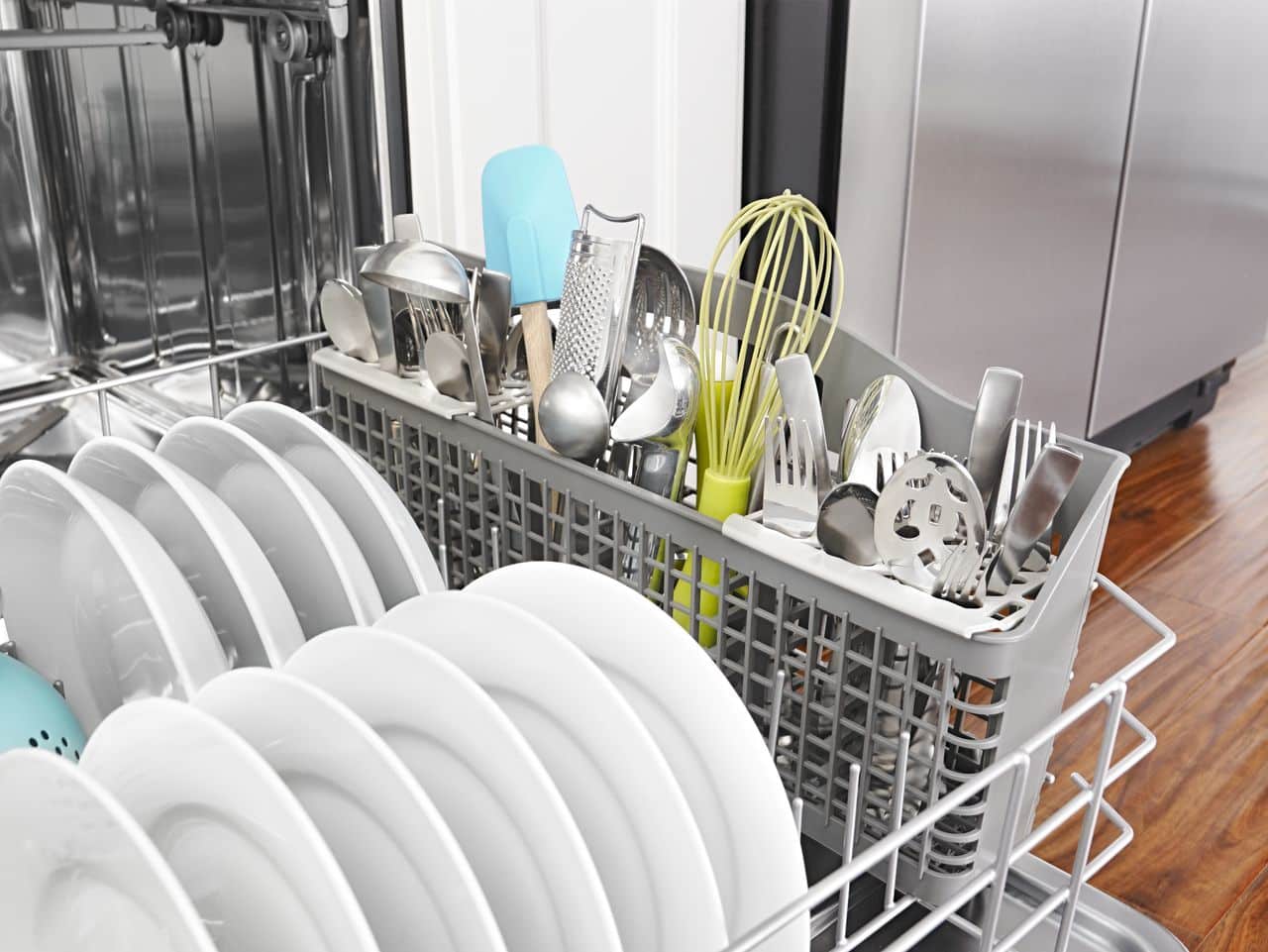
Credit: fredsappliance.com
Smart Buying: What To Look For
The right dish rack can make a huge difference in how often you deal with rust. Here’s what matters most:
- Material Quality – Buy a rack made from 304 or 316 stainless steel. These grades resist rust better than cheaper steel.
- Coating Thickness – If you buy a coated metal rack, check that the coating feels thick and even. Thin coatings chip easily.
- Weld Quality – Joints and welds are common places for rust. Look for smooth, sealed welds with no gaps or bumps.
- Drainage Features – Good racks have angled trays or spouts to direct water away. Stagnant water means faster rust.
- Design Simplicity – Fewer nooks and crannies mean less water trapped and easier cleaning.
It’s tempting to go for a low price, but a little extra investment often means years without rust problems.
Daily Habits To Prevent Rust
A few small changes in your daily routine can greatly extend your dish rack’s life. Here are the most effective habits:
1. Dry Your Rack After Each Use
Wipe down the rack with a dry cloth after dishes are put away. Even a quick swipe removes most water and prevents rust.
2. Empty The Drip Tray Regularly
Don’t let water pool under your rack. Empty and dry the tray after each dishwashing session.
3. Air Circulation
Place your rack in a spot with good airflow, away from walls or corners. If possible, leave windows open or use a fan to speed up drying.
4. Rotate The Rack
Every few days, move the rack slightly or flip it. This helps dry spots that normally stay damp.
Non-obvious tip: If you use a silicone mat under your rack, lift it often. Water can get trapped under the mat, causing hidden rust on the rack’s feet.
Cleaning Methods That Stop Rust
Regular cleaning keeps food acids and soap from breaking down protective coatings. Here’s how to do it right:
Weekly Cleaning Routine
- Remove the rack from the sink area.
- Wash with warm soapy water using a soft sponge. Avoid steel wool or abrasive pads—they scratch coatings and invite rust.
- Rinse well and dry completely with a towel.
- For tough stains, use a mixture of baking soda and water. It’s gentle and won’t damage most finishes.
- Check for chips or cracks in the coating. If you spot them, see the repair section below.
Monthly Deep Clean
- Soak the rack in a solution of one part white vinegar, three parts water for 10–15 minutes. Vinegar dissolves mineral deposits that can trap moisture.
- Scrub gently, rinse, and dry.
- Spray with a bit of cooking spray (like vegetable oil) and wipe off the excess. This leaves a thin barrier against water.
Non-obvious tip: Toothbrushes are great for cleaning corners and welds—areas where rust often starts.
Repairing Coatings And Small Rust Spots
If you catch damage early, you can stop rust before it spreads.
- For small rust spots:
Mix a paste of baking soda and water. Apply to the spot, let sit for 30 minutes, then scrub gently with a toothbrush. Rinse and dry.
- For chips in the coating:
Use a food-safe clear nail polish or a specialized metal sealant to cover bare spots. Let dry completely before using the rack again.
- For larger rusty areas:
If rust is spreading or the metal feels rough, it may be time for a new rack. Deep rust weakens the metal and can’t be fully repaired.
Avoid painting over rust directly—this traps moisture inside, making things worse over time.

Credit: www.amazon.com
Environment: Location Matters
Where you place your dish rack can affect how quickly it rusts.
| Location | Rust Risk Level | Why |
|---|---|---|
| Next to Sink | High | Constant splashing and water exposure |
| Near Stove | Medium-High | Steam and heat increase humidity |
| Under Cabinet | Medium | Limited airflow slows drying |
| Open Countertop | Low | Better air circulation and faster drying |
Best practice: Place your rack in a well-ventilated area, away from major sources of steam or splashing. If you must keep it near the sink, wipe up splashes quickly and consider a rack with a raised design.
Using Protective Accessories
Accessories can help reduce direct water contact and rust risk.
- Rubber feet or caps:
Adding these to the bottom of metal racks keeps them from sitting in puddles.
- Removable trays:
These catch water, making it easy to empty and clean.
- Silicone or plastic mats:
Good for catching drips, but remember to lift and dry both mat and rack regularly.
Note: Mats can do more harm than good if not dried often. Always pick up both the rack and mat to dry underneath.
When To Replace Your Dish Rack
Even with perfect care, every dish rack has a lifespan. Here’s when it’s time to buy new:
- The metal feels thin, rough, or pitted.
- Rust keeps returning after cleaning.
- The coating is peeling or flaking in several places.
- Rust stains show up on your dishes.
- The rack is unstable or wobbly.
A new rack is less expensive than replacing stained dishes or dealing with health risks from rust.
Surprising Mistakes That Cause Rust
Many people think they’re careful, but these common mistakes lead to rust:
1. Leaving Wet Sponges Or Towels On The Rack:
These trap water against the surface.
2. Using Harsh Chemicals Or Bleach:
Strong cleaners can strip away protective coatings.
3. Stacking Dishes Too Tightly:
Plates and bowls can chip the rack’s coating as they rub.
4. Letting Food Sit On The Rack:
Acidic foods (like tomato or lemon) can eat through coatings if not cleaned quickly.
5. Ignoring Early Signs Of Rust:
Small spots are easy to fix—large patches are not.

Credit: www.youtube.com
Natural Home Remedies To Prevent Rust
If you like DIY solutions, try these easy methods:
- Oil barrier:
After cleaning, wipe the rack with a few drops of mineral oil or cooking oil. This creates a thin, water-resistant layer.
- Vinegar rinse:
Once a week, spray the rack with white vinegar and let dry. Vinegar helps break down minerals and slows rust.
- Silica gel packs:
Place a few dry packs near your rack to absorb extra moisture (be sure they’re out of reach of children and pets).
These methods aren’t a replacement for drying, but they help add extra protection.
Comparing Popular Dish Rack Brands
To see how top brands stack up for rust prevention, here’s a quick comparison:
| Brand | Main Material | Rust-Proof Claim | User Reviews (Rust Issues) |
|---|---|---|---|
| Simplehuman | Stainless Steel | Yes | Rare complaints |
| OXO | Stainless/Plastic | Yes (limited warranty) | Few complaints |
| Mainstays (Walmart) | Chrome-Coated Steel | No | Frequent complaints |
| Boon | Plastic | Cannot rust | No rust, but reports of mold |
Brands using true stainless steel or all-plastic parts usually hold up best. Cheap racks with thin chrome coatings often rust within a year.
Frequently Asked Questions
Why Does My Stainless Steel Rack Still Rust?
Even stainless steel can rust if its surface is scratched, or if it’s exposed to salt, acid, or harsh cleaners. Not all “stainless” is the same—lower grades rust faster. Dry and clean your rack regularly to reduce risk.
Is It Safe To Use A Rusty Dish Rack?
Small amounts of surface rust aren’t usually dangerous, but rust can stain your dishes or get into cuts. If the rust is widespread or flakes off, replace the rack to avoid health risks.
Can I Paint Over Rust To Fix My Dish Rack?
Painting over rust might hide it, but it doesn’t stop the problem. Moisture can get trapped under paint, making rust worse. Remove rust first, repair the coating, or buy a new rack.
Are Bamboo Or Wooden Racks Better For Rust?
Bamboo and wood do not rust, but they can grow mold or warp if left wet. These racks need to be dried more carefully than metal ones.
What Is The Best Way To Dry A Dish Rack Quickly?
Wipe it with a clean dry towel, place it in a sunny spot, or use a fan to speed up drying. The faster your rack dries, the less chance rust has to form.
Keeping your dish rack rust-free isn’t hard if you choose the right material, clean it the right way, and avoid hidden moisture traps. With a few smart habits, your rack can stay looking new for years. And when it’s finally time to replace it, invest in a quality model with proven rust resistance. For more details about rust and prevention methods, visit the Wikipedia Rust page. Remember, a little care now saves you time and money later—and keeps your kitchen safe and clean.