Skip to content
Burnt rice in a rice cooker is a common headache for many home cooks. That sharp smell, the blackened layer stuck to the bottom, and the fear of damaging your appliance can turn a simple meal into a stressful situation.
If you’ve ever peeked into your rice cooker and found a stubborn burnt crust, you’re not alone. But with the right approach, you can remove burnt rice safely, protect your rice cooker, and even prevent it from happening again.
Let’s explore smart, practical ways to clean up burnt rice, understand why it happens, and learn how to avoid it in the future. Whether you’re a beginner or have used rice cookers for years, this guide will help you handle burnt rice without stress.
Why Does Rice Burn In A Rice Cooker?
Rice cookers are made for convenience, but burning rice can happen for several reasons. Understanding these can help you prevent it.
- Wrong Water Ratio: Using too little water makes rice dry faster. When water evaporates, rice cooks unevenly and burns.
- Low-Quality Rice: Some rice types need more water or cook faster. Cheap rice may have broken grains that burn easily.
- Leaving Rice Too Long: After cooking, rice left in “keep warm” mode for hours becomes dry and can burn at the bottom.
- Dirty Heating Plate: Residue from previous cooking can cause hot spots, burning rice even if the water ratio is correct.
- Old or Faulty Cooker: Worn-out heating elements or sensors don’t regulate heat well, increasing burn risk.
Even experienced cooks can make mistakes. Using proper ratios and paying attention to cooker maintenance goes a long way.
Immediate Steps After Burning Rice
When you notice burnt rice, acting quickly helps limit damage and makes cleaning easier. Here’s what to do:
- Turn Off the Cooker: Switch off the power to prevent more burning.
- Remove Unburnt Rice: Use a plastic or wooden spoon to take out rice that isn’t burnt. Avoid scraping the burnt layer.
- Let the Cooker Cool: Allow the cooker to cool for 15–20 minutes before handling.
- Do Not Add Water Immediately: Adding water while hot can make the burnt layer harder to remove.
Taking these steps prevents further damage and prepares you for cleaning.
How To Remove Burnt Rice From Rice Cooker
Removing burnt rice isn’t just about scrubbing. The right method protects your cooker’s inner pot and ensures longevity.
Step 1: Gather Cleaning Supplies
You’ll need:
- Soft sponge or cloth
- Plastic spatula
- Baking soda
- White vinegar
- Dish soap
- Warm water
Avoid metal scrubbers—they can scratch the non-stick coating.
Step 2: Soak The Pot
Fill the pot with warm water. Add 2 tablespoons of baking soda. Let it soak for at least 1 hour, or overnight for heavy burns. Baking soda loosens the burnt layer and neutralizes odor.
Step 3: Scrape Gently
Use a plastic spatula to carefully lift the burnt rice. If it resists, don’t force it. Repeat soaking if needed.
Step 4: Use Vinegar Solution
For stubborn residue, mix equal parts white vinegar and water. Pour into the pot and soak for 30 minutes. Vinegar breaks down tough, stuck-on rice and removes smells.
Step 5: Wash And Rinse
After scraping, wash the pot with dish soap and a soft sponge. Rinse well. Check for any burnt smell—repeat vinegar soak if necessary.
Step 6: Dry Thoroughly
Dry the pot before reusing. Moisture left behind can cause corrosion or damage electronic parts.
Comparing Cleaning Methods
Different cleaning solutions work for burnt rice. Here’s a comparison for clarity:
| Method | Effectiveness | Time Needed | Risk to Pot |
|---|---|---|---|
| Baking Soda Soak | High | 1–8 hours | Safe for non-stick |
| Vinegar Soak | Medium–High | 30–60 minutes | Safe, but rinse well |
| Metal Scrubber | High | 10–20 minutes | Can damage coating |
| Commercial Cleaner | Varies | 30 minutes–2 hours | Check for compatibility |
Baking soda is usually safest. Metal scrubbers clean fast but can ruin non-stick coatings.

Credit: www.reddit.com
Preventing Burnt Rice In The Future
Cleaning burnt rice is just one part. Avoiding it saves time and protects your rice cooker.
Key Prevention Tips
- Use Correct Water Ratio: Follow the instructions for your rice type. As a rule, 1 cup of rice needs at least 1.5 cups of water.
- Clean the Pot Regularly: After each use, clean thoroughly. Residue builds up and causes hot spots.
- Do Not Overfill: Filling above the maximum line can cause uneven cooking.
- Monitor Cooking Time: Don’t leave rice in “keep warm” mode for too long—1–2 hours is safe, but longer can burn.
- Use Good Quality Rice: Higher-quality rice cooks more evenly and is less likely to burn.
- Check Heating Plate: Clean the base of the rice cooker regularly to ensure proper heat distribution.
Common Mistakes That Cause Burning
| Mistake | Result | How to Fix |
|---|---|---|
| Too Little Water | Rice burns, dry texture | Add more water next time |
| Leaving Rice in Warm Mode | Bottom layer burns | Remove rice soon after cooking |
| Old Cooker | Unreliable heat, burning | Check or replace cooker |
| Dirty Pot/Base | Uneven heat, burning | Clean after every use |
These mistakes are easy to avoid if you pay attention.
Rice Cooker Maintenance Tips
A well-maintained rice cooker lasts longer and cooks rice better. Here are some practical maintenance steps:
- Clean After Every Use: Wipe the pot, lid, and heating plate. Remove any rice grains or residue.
- Check for Scratches: If you see scratches on the non-stick pot, replace it. Scratches trap food and increase burning.
- Avoid Abrasive Cleaners: Stick to mild dish soap, baking soda, and vinegar.
- Dry Completely: Moisture can damage electronics. Let the pot and cooker dry fully before storing.
- Inspect Power Cord: Check for wear or fraying. Faulty cords can cause uneven heating.
Regular care makes cleaning burnt rice less likely and keeps your rice cooker safe.
What If The Burnt Layer Won’t Come Off?
Sometimes, burnt rice seems impossible to remove. Here’s what to try if soaking and scrubbing don’t work:
- Repeat Soaking: Soak with baking soda and vinegar longer—overnight or up to 24 hours.
- Use Wooden Spoon: For thick burnt layers, use a wooden spoon to gently chip away after soaking.
- Commercial Pot Cleaner: Some kitchen stores sell cleaners for non-stick cookware. Make sure they’re safe for rice cookers.
- Replace the Pot: If the coating is damaged or the burnt layer won’t come off, consider buying a new pot. Using a damaged pot can affect taste and safety.
Non-obvious insight: Many people think high heat helps clean burnt rice. In fact, heating the pot again can make the burnt layer harder and more difficult to remove.
Safety Precautions
Burnt rice can cause more than inconvenience. Here are safety points to remember:
- Never Use Metal Scrubbers: They scratch non-stick surfaces, making future burning more likely.
- Unplug Before Cleaning: Always unplug the cooker before cleaning, especially if water is involved.
- Avoid Harsh Chemicals: Only use cleaners approved for cookware. Strong chemicals can be dangerous.
- Do Not Immerse Cooker Base: Only the removable pot should be soaked. Water in the cooker’s electronics can cause hazards.
Taking these steps protects your appliance and keeps your kitchen safe.

Credit: www.slurrp.com
Rice Cooker Brands And Burn Risk
Some rice cooker brands are less likely to burn rice because of their technology. Here’s a comparison:
| Brand | Burn Risk | Special Features |
|---|---|---|
| Zojirushi | Low | Smart sensors, fuzzy logic |
| Panasonic | Medium | Basic model, good heating |
| Black+Decker | Medium–High | Simple, less advanced tech |
| Hamilton Beach | Medium | Multi-function, easy to clean |
Advanced rice cookers with fuzzy logic adjust heat automatically and reduce burning. Investing in quality can pay off over time.
Extra Tips For Stubborn Burnt Rice
Sometimes, burnt rice requires creativity. Here are some lesser-known tricks:
- Lemon Juice: Add lemon juice to the soaking water. The acid helps break down burnt residue and removes odor.
- Boiling Water Method: Fill the pot with water, bring to a boil (in another pan), then pour into the rice cooker pot and soak. The heat softens burnt rice.
- Plastic Card: Use an old plastic card (like a gift card) to gently scrape without scratching the pot.
- Freeze and Tap: Freeze the pot for a few hours. Sometimes, the burnt layer contracts and loosens, making it easier to remove.
Non-obvious insight: The freezing method works because burnt starch contracts differently than the pot’s surface, helping lift stubborn layers.
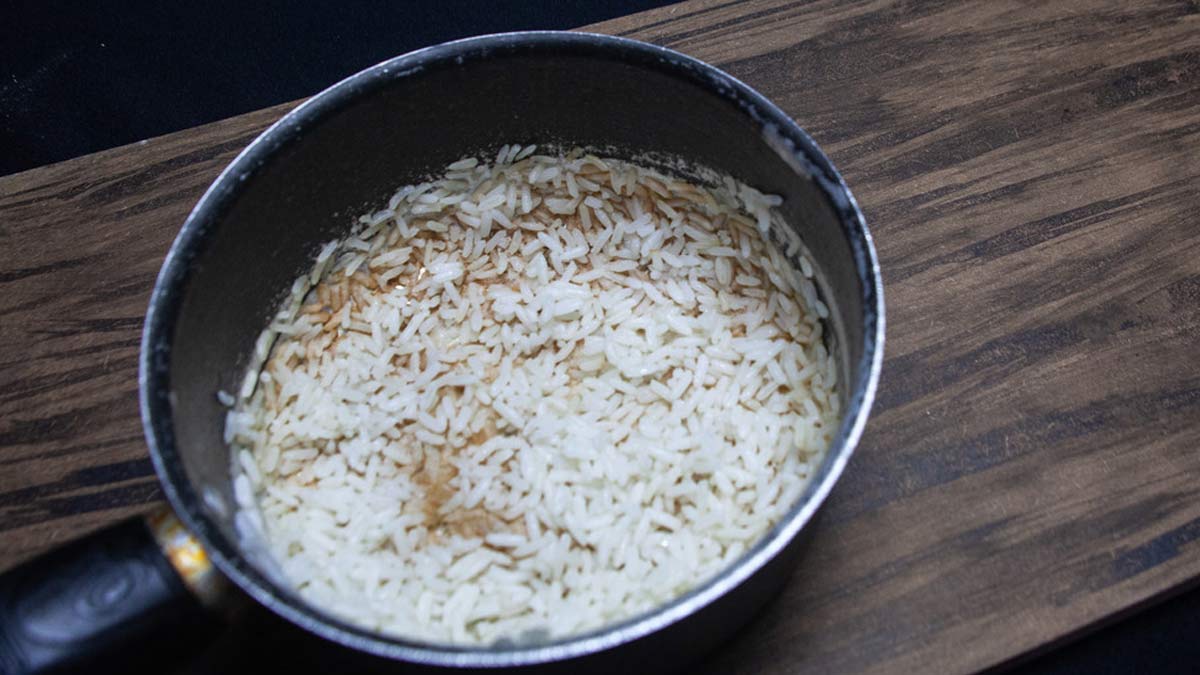
Credit: www.villamagia.com.br
Is Burnt Rice Harmful?
Small amounts of burnt rice are not dangerous, but eating large amounts can be unhealthy. Burnt food contains acrylamide, a chemical formed when starchy foods are cooked at high temperatures. This compound may be harmful if consumed regularly.
Cleaning burnt rice quickly and avoiding burnt food is smart for both taste and health.
For more scientific information, visit Wikipedia.
Frequently Asked Questions
How Can I Prevent Rice From Burning In My Rice Cooker?
Use the correct water-to-rice ratio, clean the cooker regularly, and avoid leaving rice in “keep warm” mode for more than 2 hours. Check your rice cooker’s instructions for specific guidelines.
Can I Use Metal Scrubbers To Clean Burnt Rice?
No. Metal scrubbers damage the non-stick coating, making future burning worse. Use plastic spatulas, soft sponges, and gentle cleaners.
What Should I Do If The Pot Coating Is Peeling?
Stop using the pot. Peeling coating can mix with your food and damage the rice cooker. Replace the inner pot for safety and better cooking.
Is Burnt Rice Bad For Health?
Eating small amounts isn’t dangerous, but large amounts are not recommended. Burnt food can contain harmful chemicals, so it’s best to avoid it.
Can I Cook Rice Again After Burning It Once?
If only the bottom layer is burnt and the rest is safe, you can reuse the unburnt rice. Always clean the cooker thoroughly before cooking again to avoid burnt smells and flavors.
Removing burnt rice from a rice cooker doesn’t have to be stressful or damaging. With the right tools, patience, and prevention, you can keep your rice cooker in top shape and enjoy perfect rice every time. Smart cleaning and regular maintenance are key—so next time you face burnt rice, you’ll know exactly what to do.