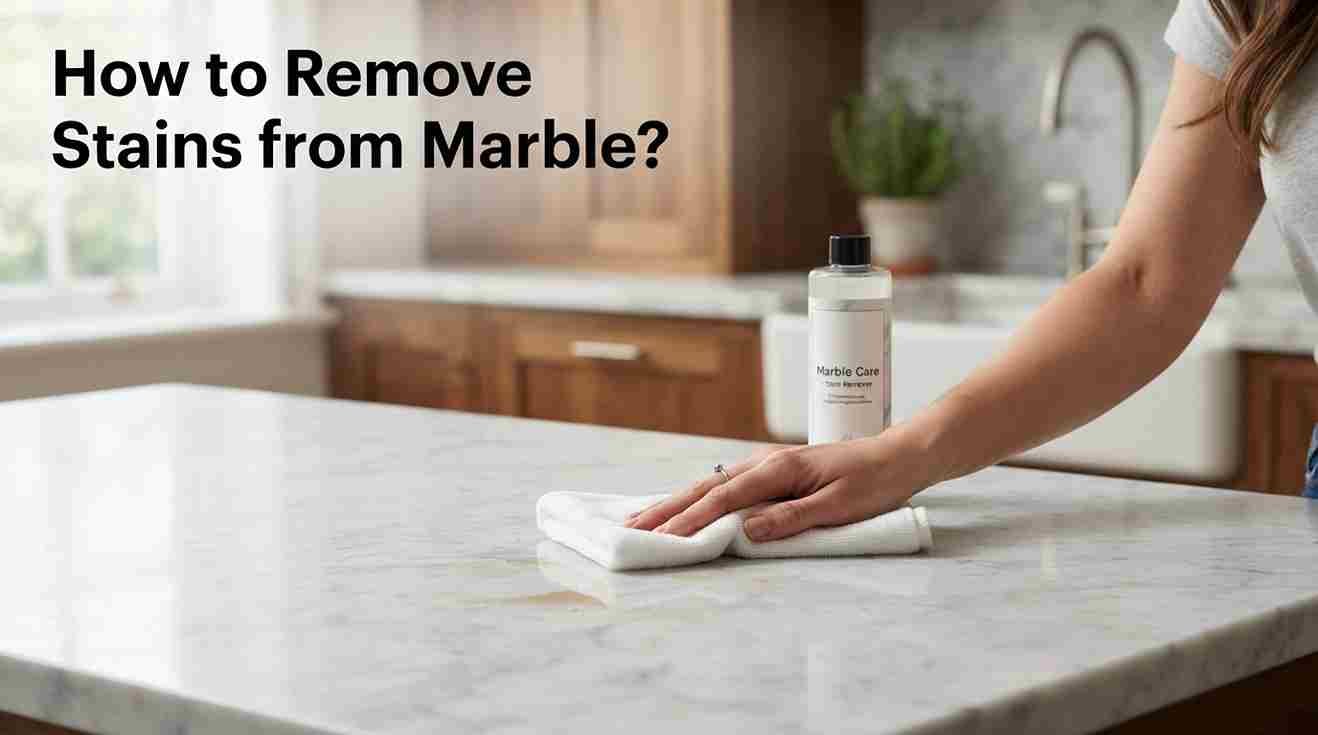
Marble is loved for its beauty and elegance. Its smooth, shiny surface gives homes, hotels, and offices a luxurious look. But marble is also delicate. It can stain easily from spills, dirt, or even cleaning mistakes. If you have marble floors, countertops, or walls, you probably worry about stains ruining their appearance.
Removing stains from marble requires care, patience, and the right techniques. This guide will help you understand how to clean marble safely, avoid common mistakes, and restore its original shine.
Understanding Marble And Stains
Marble is a natural stone formed from limestone under heat and pressure. Its surface is porous, meaning it can absorb liquids. This makes marble vulnerable to stains from coffee, wine, oil, ink, and even water. There are different kinds of stains, and each needs a specific approach.
Common Types Of Marble Stains
- Organic stains: From food, coffee, tea, wine, fruit, leaves, or paper.
- Oil-based stains: Caused by cooking oil, grease, cosmetics, or lotion.
- Rust stains: From metal objects like cans, tools, or furniture.
- Ink stains: From pens, markers, or colored liquids.
- Biological stains: Mold, mildew, or algae, usually in damp areas.
- Etch marks: Not true stains, but dull spots from acids (like lemon juice or vinegar).
Knowing the type of stain is the first step to cleaning marble properly. Using the wrong method can make the stain worse or damage the marble.
Preparing To Remove Marble Stains
Before you start cleaning, it’s important to gather the right tools and materials. Using harsh chemicals or rough tools can scratch or discolor the marble.
Essential Supplies
- Soft white cloths or paper towels
- Plastic spray bottle
- PH-neutral stone cleaner
- Mild dish soap
- Distilled water (tap water may leave minerals)
- Plastic spatula or scraper (never metal)
- Baking soda
- Hydrogen peroxide (3% solution)
- Ammonia (use very sparingly)
- Poultice material (see below)
- Rubber gloves
- Masking tape
What Is A Poultice?
A poultice is a paste made from a cleaning powder mixed with liquid. It draws stains out of the marble by absorbing them. Common poultice materials include baking soda, kaolin clay, or talc.
Safety Precautions
- Always test any cleaning solution in a small, hidden area first.
- Wear gloves to protect your skin.
- Work in a well-ventilated space.
- Avoid strong acids, bleach, or abrasive pads.

Credit: www.creeklinehouse.com
Step-by-step Guide To Removing Stains From Marble
The following steps will help you tackle most marble stains. Remember, patience is key. Some stains take several treatments to remove completely.
Step 1: Identify The Stain
Look closely at the stain. Ask yourself:
- What caused it? (food, oil, ink, metal)
- How long has it been there?
- Is it a surface stain or absorbed deep into the marble?
If you’re unsure, try to recall recent spills or events. The color and shape often give clues. For example, yellow-brown stains near metal objects may be rust.
Step 2: Clean The Surface
Start by removing any dust or debris. Use a dry, soft cloth. Next, spray a little distilled water and wipe gently. Don’t rub hard—marble scratches easily.
Step 3: Choose The Right Method
Each stain type needs a different cleaning method. Here’s how to handle the most common stains.
Organic Stains
Organic stains (food, wine, coffee) often appear as brown or pink spots.
Cleaning Method:
- Mix a few drops of mild dish soap with distilled water.
- Dampen a soft cloth and blot the stain. Don’t scrub.
- If the stain remains, make a poultice with baking soda and water (thick paste).
- Spread the paste over the stain (about ¼ inch thick).
- Cover with plastic wrap and seal edges with masking tape.
- Leave for 24–48 hours.
- Remove the poultice and rinse with distilled water.
- Repeat if needed.
Oil-based Stains
Oil stains may look dark and feel greasy.
Cleaning Method:
- Blot excess oil with a paper towel (do not rub).
- Mix baking soda with water or acetone (for professionals).
- Apply as a poultice and cover as above.
- Leave for 24–48 hours.
- Remove and rinse.
Tip: Oil stains can be stubborn. Sometimes, you need to repeat the process several times.
Rust Stains
Rust appears as orange or brown spots.
Cleaning Method:
- Use a poultice made of baking soda and hydrogen peroxide.
- Apply and cover for 24–48 hours.
- Remove and rinse.
- For deep rust, you may need a commercial rust remover made for marble (read label carefully).
Warning: Never use vinegar or lemon juice. They will etch the marble.
Ink Stains
Ink stains can be blue, black, or red.
Cleaning Method:
- For light-colored marble: Mix hydrogen peroxide with baking soda.
- For dark marble: Use acetone (professional only).
- Apply poultice and cover for 24–48 hours.
- Remove and rinse.
Biological Stains
Mold or mildew appears as green or black patches.
Cleaning Method:
- Mix a few drops of ammonia in distilled water.
- Wipe gently with a soft cloth.
- For stubborn stains, use a baking soda poultice.
Caution: Don’t mix ammonia with bleach. Dangerous fumes can result.
Step 4: Remove The Poultice
After waiting 24–48 hours, remove the plastic wrap and scrape away the dried poultice with a plastic spatula. Wipe with a damp cloth and inspect the stain. If it’s still visible, repeat the process.
Step 5: Rinse And Dry
Always rinse the area with distilled water to remove any chemical residue. Dry with a clean, soft cloth. Avoid leaving water on marble—it can cause new stains.
Comparison Of Common Marble Stain Removal Methods
Here’s a quick reference table comparing methods for different stains:
| Stain Type | Recommended Method | Risk to Marble | Effectiveness |
|---|---|---|---|
| Organic | Baking soda poultice | Low if rinsed well | High |
| Oil-based | Baking soda or acetone poultice | Medium (acetone) | Medium–High |
| Rust | Hydrogen peroxide poultice | Low | Medium |
| Ink | Hydrogen peroxide or acetone | Medium (acetone) | Medium–High |
| Biological | Ammonia solution | Low | Medium |
Avoiding Common Mistakes When Cleaning Marble
Many people make errors when cleaning marble. Some mistakes can cause permanent damage. Let’s look at the most frequent problems and how to avoid them.
Using Acidic Cleaners
Acids like vinegar, lemon juice, or bathroom cleaners will etch marble, leaving dull spots or roughness. Always use pH-neutral cleaners.
Scrubbing With Abrasives
Never use steel wool, scouring pads, or sandpaper. Marble scratches easily and will lose its shine.
Letting Stains Sit
The longer a stain stays, the deeper it goes. Clean spills immediately—even plain water can stain marble.
Using Colored Towels
Dyes from colored towels can transfer to marble, especially when wet. Use white cloths only.
Ignoring Manufacturer Guidelines
If your marble is sealed or coated, follow care instructions from the installer or manufacturer.
How To Make And Use A Marble Poultice
Using a poultice is the best way to treat deep stains. Here’s how to do it yourself.
Ingredients For A Basic Poultice
- 1 cup baking soda
- Enough distilled water to make a thick paste
- For tough stains, substitute hydrogen peroxide or acetone for water
Steps To Apply
- Mix baking soda and liquid until you have a creamy paste.
- Spread it over the stain (about ¼ inch thick).
- Cover with plastic wrap and seal edges.
- Let sit for 24–48 hours.
- Remove and rinse.
Tips For Success
- Don’t let the poultice dry out too quickly. The plastic wrap helps keep it moist.
- For larger stains, make more paste.
- Repeat the process if needed.
Professional Vs. Diy Marble Cleaning
Sometimes, stains are too deep or stubborn for home methods. Here’s a comparison table:
| Method | Cost | Skill Level | Effectiveness | Risks |
|---|---|---|---|---|
| DIY Poultice | Low (under $10) | Easy | High for surface stains | Minimal |
| Commercial Cleaner | Medium ($15–$50) | Medium | Medium–High | May contain acids |
| Professional Restoration | High ($100+) | Expert | Very high | None |
Insight: Many beginners think professional cleaning is always necessary. In fact, most stains can be removed with a homemade poultice, saving money and avoiding harsh chemicals.
You might find this helpful: Best Marble Stain Remover
Tips For Preventing Marble Stains
Prevention is better than cure. Protecting your marble will reduce stains and keep it looking new.
- Seal marble regularly. Use a high-quality stone sealer. Reapply every 6–12 months.
- Clean spills immediately. The faster you act, the easier it is to avoid stains.
- Use coasters and trays. Place under drinks, bottles, or cosmetics.
- Avoid placing metal objects directly on marble. Prevents rust stains.
- Use mats in high-traffic areas. Protects marble floors.
- Clean with pH-neutral products. Avoid all acids and harsh chemicals.
- Dry marble after cleaning. Water can cause stains or mineral deposits.
- Educate family and guests. Teach everyone to respect marble’s sensitivity.
Non-obvious tip: Many people don’t realize that marble absorbs water slowly. Leaving wet towels or cleaning cloths on marble can cause stains in a few hours.

Credit: www.thegritandpolish.com
How To Restore Etched Or Dull Marble
Etch marks are not stains, but they make marble look faded or rough. They happen when acids touch the surface. Here’s how to fix them:
For Light Etching
- Use a marble polishing powder.
- Sprinkle powder and rub with a damp cloth in circular motion.
- Rinse and dry.
For Deep Etching
- Professional restoration may be needed.
- Experts use special machines to grind and polish marble.
Tip: Don’t try sanding marble yourself. It requires skill and proper tools.
Caring For Different Types Of Marble
There are many kinds of marble, each with unique features. Some are more stain-resistant, others need extra care.
White Marble
White marble (like Carrara) is beautiful but shows stains easily. Use gentle methods and avoid colored liquids.
Colored Marble
Green, black, or red marble may hide stains better, but some cleaning agents (like hydrogen peroxide) can bleach the color. Always test first.
Polished Vs. Honed Marble
- Polished marble is shiny and smooth, but more sensitive to etching.
- Honed marble is matte and less slippery, but can absorb stains more easily.
Insight: Many homeowners assume polished marble is tougher. Actually, it’s more delicate and needs careful cleaning.
Real-life Examples Of Marble Stain Removal
Let’s look at two real cases to show how these methods work.
Example 1: Coffee Stain On White Marble Countertop
A homeowner spilled coffee and left it overnight. The next day, a dark brown spot appeared.
Solution: Mixed baking soda and hydrogen peroxide as a poultice. Applied for 48 hours. The stain faded but did not disappear completely. Repeated the process, and after the second treatment, the marble looked clean.
Example 2: Oil Stain On Bathroom Floor
A small bottle of hair oil leaked onto the marble tile. The spot was greasy and yellow.
Solution: Blotted up excess oil. Made a poultice with baking soda and water. Applied for 24 hours. The stain improved, but still visible. Used acetone (after testing) as a second poultice. The stain vanished.
Takeaway: Different stains may need more than one treatment. Patience and persistence matter.
When To Call A Professional
If stains persist after several treatments, or if you see cracks, chips, or deep etching, contact a marble restoration expert. Professionals have specialized tools and chemicals for tough stains.
Signs you need help:
- Stains more than 2 weeks old
- Large or deep stains
- Surface damage (chips, cracks)
- Color changes after cleaning

Credit: www.blesserhouse.com
The Science Behind Marble Stains
Marble is made mostly of calcium carbonate. It reacts with acids, even mild ones. This causes etching. The porous surface allows liquids to seep in, making stains hard to remove. Sealing marble reduces absorption but is not a perfect solution.
Interesting fact: A study found that sealed marble absorbs liquids 50% slower, but unsealed marble can absorb a coffee stain in less than 30 minutes.
Environmental Impact Of Marble Cleaning
Many commercial cleaners contain chemicals that can harm water and soil. Using simple poultices (baking soda, hydrogen peroxide) is safer for you and the environment. Always dispose of used poultice in regular trash, not drains.
Comparing Marble With Other Stones
Here’s a data table showing how marble compares to other common stones:
| Stone Type | Stain Resistance | Acid Sensitivity | Maintenance |
|---|---|---|---|
| Marble | Low | High | High |
| Granite | Medium–High | Low | Medium |
| Quartz | High | Low | Low |
| Travertine | Low | High | High |
Insight: Many buyers believe marble is easier to care for than granite, but granite is actually more stain-resistant and needs less frequent cleaning.
Extra Tips For Maintaining Marble Long-term
- Regular dusting: Keeps grit and dirt from scratching the surface.
- Monthly checkups: Inspect for new stains or scratches.
- Avoid standing water: Especially in bathrooms or kitchens.
- Use gentle cleaning tools: Soft cloths, sponges, never brushes.
- Educate cleaners: If you hire cleaning staff, teach them marble care basics.
Useful Resources
For more details on marble care and stain removal, visit the official Natural Stone Institute. This site offers science-backed advice and professional guidance.
Frequently Asked Questions
What Is The Fastest Way To Remove A Stain From Marble?
Blot the spill immediately, then clean with a pH-neutral cleaner. For deeper stains, use a baking soda poultice and leave it for 24–48 hours.
Can I Use Vinegar Or Lemon Juice On Marble?
No. Both are acidic and will etch marble, causing dull spots and permanent damage.
How Often Should I Seal My Marble Surfaces?
Seal marble every 6–12 months, or sooner if you notice water soaking in quickly. Sealing helps prevent stains but does not make marble stain-proof.
What Should I Do If My Marble Is Scratched?
Small scratches can sometimes be polished out with marble powder. Deep scratches or chips need professional repair.
Will Baking Soda Damage Marble?
Baking soda is safe for marble when used as a poultice and rinsed well. However, never scrub marble with baking soda, as it can act as an abrasive.
Marble brings beauty and value to any space, but it needs careful cleaning and protection. Understanding how stains form and knowing the right way to remove them will keep your marble looking its best for years. With patience, the correct supplies, and gentle methods, most stains can be removed at home.
When in doubt, seek expert help to avoid costly mistakes.