Roasting peanuts in a pan is one of those simple kitchen skills that brings big rewards. The aroma fills your home, and the flavor is much richer than store-bought roasted peanuts. Whether you want a healthy snack, a topping for dishes, or ingredients for peanut butter, learning to roast peanuts in a pan gives you control over the taste and freshness.
Many people worry about burning them or not getting the right crunch, but with the right technique, it’s easy. Let’s break down the process and all the details you need to get perfectly roasted peanuts every time.
Why Roast Peanuts In A Pan?
Many people use the oven or buy pre-roasted peanuts, but pan roasting offers unique benefits. First, you can see and smell exactly how your peanuts are roasting. Second, you can adjust the heat quickly if needed. Third, you don’t need any special equipment—just a pan. Pan-roasted peanuts also tend to taste fresher and more intense than oven-roasted ones.
A study by the National Peanut Board found that roasting peanuts at home can preserve more flavor and nutrients than commercial roasting, which often uses high temperatures and extended times. Homemade roasted peanuts contain higher levels of vitamins E and B3, and the process reduces harmful compounds that can form at very high temperatures.
Choosing The Right Peanuts
Not all peanuts are the same. Picking the best peanuts for roasting is important for taste and texture.
| Peanut Type | Best For | Flavor Profile |
|---|---|---|
| Raw, shelled | Classic snacks | Mild, creamy |
| Raw, unshelled | Traditional roasting | Earthy, richer |
| Redskin peanuts | Deep flavor | Nutty, bold |
| Spanish peanuts | Peanut butter | Sweet, intense |
For pan roasting, raw, shelled peanuts are easiest. If you use unshelled peanuts, roasting takes longer and the flavor is more earthy. Redskin peanuts are popular for their strong taste and color.
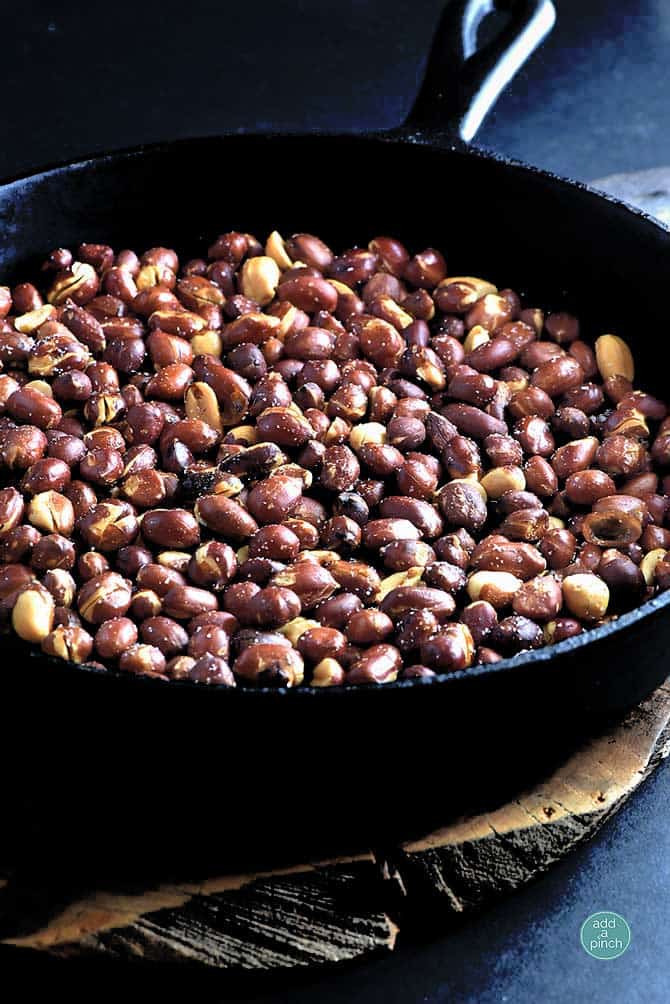
Credit: addapinch.com
Ingredients And Equipment
You don’t need a long list for roasting peanuts. Here’s what you need:
- 1 cup raw peanuts (shelled, with or without skin)
- Heavy-bottomed pan (cast iron or stainless steel works best)
- Wooden spoon or spatula
- Optional: Salt or oil
A heavy pan prevents burning because it spreads heat evenly. If you use a thin pan, peanuts can burn quickly. Using oil is optional; many prefer dry roasting for healthier results.
Step-by-step Guide: Roasting Peanuts In A Pan
Roasting peanuts is simple but requires attention. Here’s a clear process to follow:
Step 1: Prepare Your Peanuts
If your peanuts are still in the shell, remove shells and check for damaged pieces. If you use redskin peanuts, you can leave the skins on. Wash peanuts if they look dusty, then dry them well.
Step 2: Heat The Pan
Place your pan on medium heat. Let it warm up for about 2 minutes. If you add oil, pour in a teaspoon and spread it evenly. For dry roasting, skip the oil.
Step 3: Add Peanuts
Pour peanuts into the pan so they cover the surface in a single layer. Avoid overcrowding; peanuts should touch the pan, not pile up.
Step 4: Stir Regularly
Stir peanuts every 30 seconds using a wooden spoon or spatula. This prevents uneven roasting and burning. After 4–5 minutes, you’ll notice the peanuts start to change color.
Step 5: Monitor Aroma And Color
Peanuts become slightly golden and smell nutty. The color deepens. For most peanuts, roasting takes 10–12 minutes. If your pan is smaller or peanuts are piled, it can take longer.
Step 6: Test For Doneness
Pick one peanut, let it cool for 10 seconds, then taste. It should be crunchy and flavorful. If it’s soft, keep roasting for 1–2 more minutes, stirring often.
Step 7: Remove And Cool
Pour roasted peanuts onto a plate or tray to cool. They continue to cook for a minute after leaving the pan, so don’t leave them inside the hot pan.
Roasting Peanuts With And Without Skin
Some people like peanuts without the skin, while others prefer the extra flavor and fiber from the skins. Here’s how roasting differs:
| Peanut Type | Roasting Time | Texture | Tips |
|---|---|---|---|
| With skin | 12–14 min | Crispy, deep flavor | Stir gently to avoid skin loss |
| Without skin | 10–12 min | Smoother, lighter flavor | Stir more often to prevent sticking |
The skin acts as a barrier, making the peanuts roast a bit slower. If you want to remove skins after roasting, rub cooled peanuts between your hands.
Adding Flavor: Salt, Spices, And Oil
Roasted peanuts taste great plain, but adding salt, spices, or a touch of oil can make them even better. Here are a few ideas:
- Salted peanuts: Sprinkle salt right after roasting while peanuts are still warm. The salt sticks better.
- Spicy peanuts: Mix chili powder, garlic powder, or smoked paprika with a teaspoon of oil. Toss peanuts in the mixture before roasting.
- Sweet peanuts: Add a tablespoon of sugar and a pinch of cinnamon during the last two minutes of roasting.
- Herb peanuts: Use dried herbs like rosemary or thyme for a unique taste.
One insight many beginners miss: add seasoning while peanuts are warm, not hot, for best sticking. If you add salt too early, it can burn or fall off.
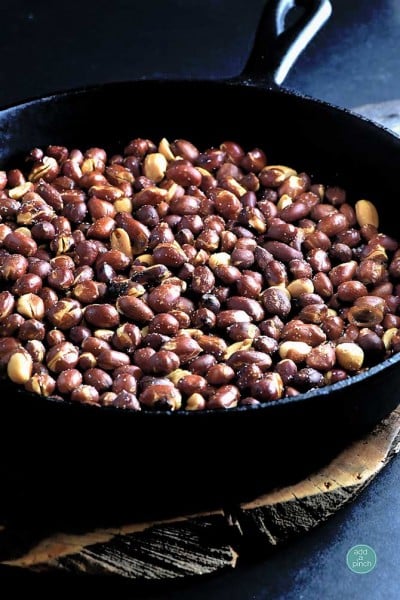
Credit: addapinch.com
Common Mistakes And How To Avoid Them
Even experienced cooks make mistakes when roasting peanuts. Here are the most frequent errors:
- Burning: Pan gets too hot, or peanuts are left unattended. Always stir and adjust heat if you see smoke.
- Uneven roasting: Peanuts pile up in the pan. Use a single layer and stir well.
- Overcrowding: Too many peanuts in the pan. If you want to roast more, do it in batches.
- Under-roasting: Peanuts are pale and not crunchy. Test a peanut to check doneness.
- Poor cooling: Leaving peanuts in the pan after roasting causes overcooking. Always transfer to a plate.
Many beginners don’t realize that peanuts keep cooking for a minute after removal. This “carryover cooking” can lead to burning if you don’t cool peanuts quickly.
Nutritional Benefits Of Roasted Peanuts
Peanuts are a nutrient-dense food. Roasting does not destroy most vitamins and minerals, but it does make them easier to digest. Here’s a quick look at the nutrients per 1 ounce (28 grams) of roasted peanuts:
| Nutrient | Amount | Health Benefit |
|---|---|---|
| Protein | 7g | Builds muscle |
| Fiber | 2.5g | Improves digestion |
| Vitamin E | 2mg | Protects cells |
| Magnesium | 50mg | Boosts energy |
| Healthy fats | 14g | Supports heart |
Roasted peanuts are a good source of antioxidants. Dry roasting helps preserve these compounds better than oil roasting.
Practical Tips For Perfect Roasted Peanuts
Getting perfect roasted peanuts every time takes practice, but these tips can help:
- Use a heavy-bottomed pan to prevent burning.
- Always stir peanuts at regular intervals.
- Watch the color and aroma closely; don’t rely only on the timer.
- Cool peanuts quickly to stop cooking.
- Add salt or spices while peanuts are warm for best flavor.
- Try small batches first to find your ideal roasting time.
A non-obvious insight: humidity affects roasting. On humid days, peanuts may take longer to get crunchy. Adjust roasting time as needed.
Storage And Shelf Life
Roasted peanuts last longer if stored properly. Keep them in an airtight container at room temperature for up to 2 weeks. For longer storage, refrigerate or freeze.
Avoid moisture, as peanuts can become soft or moldy. If you live in a humid climate, refrigeration is best. Always check for stale smell before eating.

Credit: tiffycooks.com
Using Roasted Peanuts In Recipes
Roasted peanuts are great for snacks, but they also fit well in many recipes:
- Peanut butter: Blend roasted peanuts with a pinch of salt.
- Salads: Sprinkle chopped peanuts for crunch.
- Asian dishes: Use in stir-fries or sauces.
- Desserts: Add to cakes, cookies, and chocolate.
One overlooked use: roasted peanuts make excellent toppings for oatmeal or yogurt.
Frequently Asked Questions
How Long Does It Take To Roast Peanuts In A Pan?
Most peanuts roast in 10–12 minutes over medium heat. Peanuts with skin may take up to 14 minutes. Stir regularly and check for golden color and nutty aroma.
Can I Roast Salted Peanuts?
It’s best to start with raw, unsalted peanuts. Salted peanuts are usually already roasted. If you want salty peanuts, add salt after roasting while they are still warm.
Do I Need Oil To Roast Peanuts In A Pan?
No, oil is optional. Dry roasting is healthier and gives a pure peanut flavor. If you want extra crispiness or want to add spices, use a teaspoon of oil.
How Can I Avoid Burning Peanuts?
Use a heavy-bottomed pan, roast on medium heat, and stir every 30 seconds. Remove peanuts from the pan immediately after roasting to prevent carryover cooking.
Can I Use Roasted Peanuts For Peanut Butter?
Yes. Roasted peanuts are perfect for homemade peanut butter. Blend them with a pinch of salt and a little oil if needed for smooth texture.
Roasting peanuts in a pan is a simple skill that makes a big difference in taste and nutrition. With the right peanuts, careful stirring, and a watchful eye, you’ll get crunchy, flavorful snacks every time. Try different flavors and use your roasted peanuts in creative ways. For more information on peanut nutrition and roasting methods, visit the Wikipedia page on peanuts. Happy roasting!