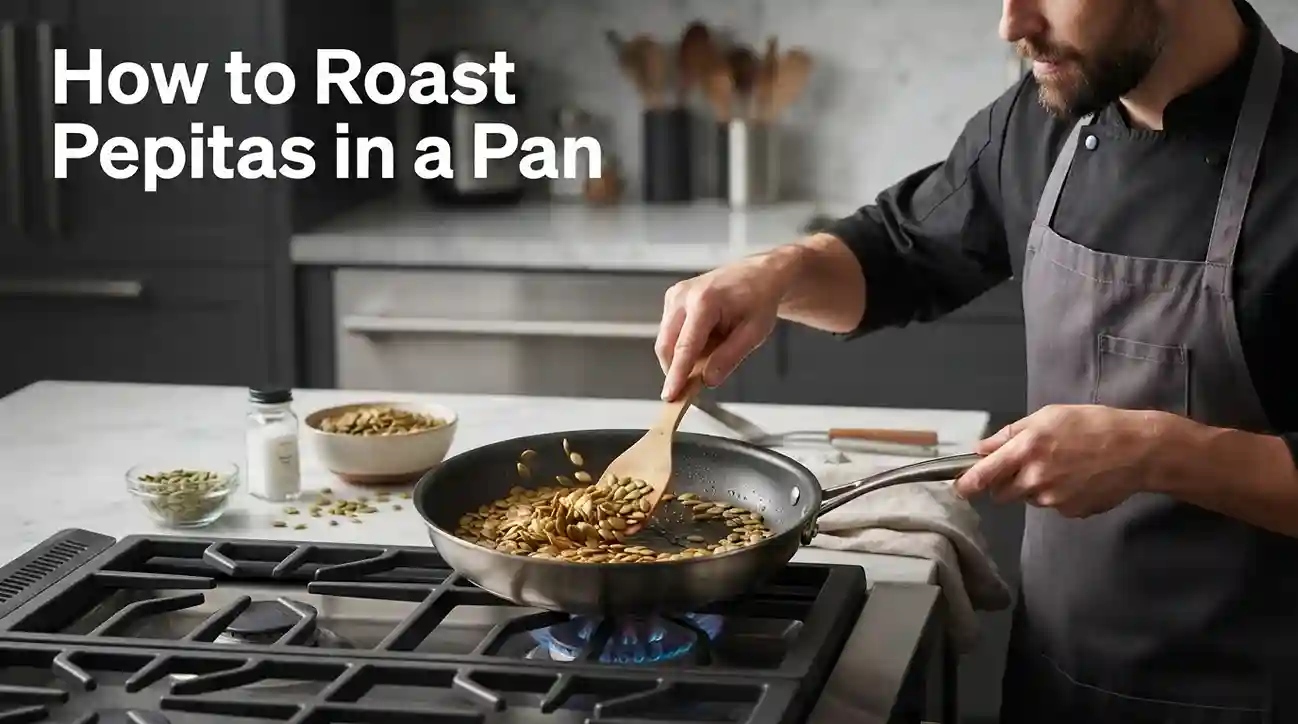
Roasting pepitas in a pan is a simple skill that can transform your snacks, salads, or meals. Pepitas, also known as hulled pumpkin seeds, are full of flavor and nutrition. When roasted, they become crunchy and aromatic, making them a versatile ingredient. Many people buy pre-roasted pepitas, but homemade roasted pepitas taste fresher and allow you to control the seasoning. Whether you want a healthy snack or a tasty topping, learning to roast pepitas in a pan is useful for any home cook.
What Are Pepitas?
Pepitas are the edible seeds from certain varieties of pumpkins. Unlike regular pumpkin seeds, pepitas do not have a tough white shell. They are green, flat, and smaller. Most pepitas you find in stores are from oilseed pumpkins. These seeds are packed with protein, healthy fats, magnesium, and zinc. According to the USDA, a 1-ounce (28g) serving of pepitas contains about 7 grams of protein and 5 grams of fat. Their nutty flavor becomes richer when roasted, making them ideal for snacking or adding to dishes.
Why Roast Pepitas In A Pan?
Roasting pepitas in a pan has advantages over baking them in the oven. Pan-roasting is quick and gives you more control over the texture and flavor. You can easily adjust heat and add spices as you go. The process only takes 5–10 minutes, and you don’t need special equipment. This method is perfect for small batches and for people who want a fast, fresh snack.
Roasted pepitas can be used in:
- Salads for extra crunch
- Yogurt or oatmeal toppings
- Homemade granola
- Trail mixes
- Soups for garnish
- Baking recipes
Pan-roasting also lets you experiment with different spices, such as paprika, chili powder, or cinnamon.
Ingredients And Equipment
To roast pepitas in a pan, you need just a few items:
Ingredients:
- 1 cup raw pepitas (hulled pumpkin seeds)
- 1 teaspoon olive oil or avocado oil (optional)
- 1/4 teaspoon salt (optional)
- Spices of your choice (optional: Paprika, garlic powder, chili powder, cinnamon)
Equipment:
- Nonstick or stainless steel skillet (8–10 inch size works well)
- Wooden spoon or spatula
- Measuring spoons
- Bowl for cooling
Step-by-step Guide: Roasting Pepitas In A Pan
Follow these steps for perfectly roasted pepitas:
- Heat the Pan: Place the skillet on medium heat and let it warm for 1–2 minutes. A hot pan helps pepitas roast evenly.
- Add Pepitas: Pour the pepitas into the dry pan. For extra flavor, drizzle with oil and stir to coat. Oil is optional; it gives a richer taste and helps spices stick.
- Spread Evenly: Use a spatula to spread the pepitas in a single layer. This ensures every seed gets heat.
- Roast and Stir: Stir or shake the pan every 30 seconds. Pepitas roast quickly—watch for color change. They turn from pale green to golden and start to pop.
- Add Spices: Sprinkle salt or spices during roasting. Stir well to coat each seed. For sweet pepitas, add cinnamon and a pinch of sugar.
- Watch for Doneness: After 5–7 minutes, pepitas should be golden, fragrant, and some may puff up. Taste one for crunch.
- Cool: Remove pepitas from the pan and transfer to a bowl. Let them cool before eating or storing. Cooling makes them crisp.
You might find this helpful: Best Roasting Pan For Daily Use
Example Flavor Combinations
- Mexican: Chili powder, cumin, salt
- Savory: Garlic powder, paprika, sea salt
- Sweet: Cinnamon, brown sugar, pinch of salt
Cooking Tips For Beginners
Roasting pepitas seems easy, but a few tricks can improve results:
- Don’t overcrowd the pan: Too many seeds will roast unevenly.
- Use medium heat: High heat burns pepitas fast. Medium heat gives better control.
- Stir often: Seeds can burn quickly. Keep them moving for even roasting.
- Add spices early: Spices stick better when pepitas are still moist from oil.
- Taste for crunch: Not all pepitas roast at the same rate. Sample a seed for texture.
Many beginners forget to cool the pepitas before storing. Cooling prevents moisture, so seeds stay crispy.
Common Mistakes To Avoid
Even experienced cooks can make mistakes. Here are problems to watch for:
- Using high heat: Pepitas burn easily. Medium heat is safer.
- Leaving seeds unattended: They can go from toasted to burnt in seconds.
- Adding too much oil: Pepitas only need a light coating. Excess oil makes them greasy.
- Skipping the cooling step: Hot pepitas in a container can steam and lose crunch.
- Storing while warm: Always let pepitas cool completely before storing.
Nutritional Benefits Of Roasted Pepitas
Pepitas are not just tasty—they are healthy, too. Here’s a comparison of raw and roasted pepitas:
| Nutrient | Raw Pepitas (per oz) | Roasted Pepitas (per oz) |
|---|---|---|
| Calories | 151 | 160 |
| Protein | 7g | 7g |
| Fat | 5g | 6g |
| Magnesium | 168mg | 160mg |
| Zinc | 2.2mg | 2.1mg |
Roasting pepitas does not change their nutrition much. The main difference is a slight increase in calories and fat from added oil. Pepitas are an excellent source of magnesium, which supports heart health and energy.
Storage And Shelf Life
Proper storage keeps roasted pepitas fresh and crunchy. Here’s how to store them:
- Cool completely before storing.
- Use airtight containers to keep out moisture.
- Store in a cool, dry place like a pantry.
- For longer shelf life, store in the refrigerator.
Roasted pepitas stay fresh for up to 2 weeks in a pantry and up to 1 month in the fridge.
Storage Comparison
Here’s a quick look at how storage affects shelf life:
| Storage Method | Shelf Life | Flavor Quality |
|---|---|---|
| Room Temperature (Airtight) | 2 weeks | Good |
| Refrigerator (Airtight) | 1 month | Excellent |
| Freezer (Airtight) | 3 months | Very Good |
Most people don’t realize that storing pepitas in the freezer keeps them fresh even longer. Just thaw before eating.
Creative Ways To Use Roasted Pepitas
Roasted pepitas are more than a snack. Here are some creative uses:
- Sprinkle on salads for crunch
- Add to yogurt parfaits
- Mix into homemade granola
- Top soups for texture
- Blend into pesto instead of pine nuts
- Use in baking (muffins, bread)
- Add to trail mix for protein
A non-obvious tip: You can grind roasted pepitas into a seed butter. Blend with a little oil and salt for a creamy spread.
Flavor Variations And Spice Ideas
Experimenting with flavors makes pepitas more interesting. Here are some seasoning ideas:
- Spicy: Chili powder, cayenne, garlic powder
- Herby: Dried oregano, thyme, rosemary
- Sweet: Cinnamon, nutmeg, coconut sugar
- Asian: Soy sauce, ginger powder, sesame oil
Try mixing different spices for your own blend. Many beginners stick to salt, but combining spices opens up new flavors.
Flavor Comparison Table
| Flavor Type | Seasonings | Best Uses |
|---|---|---|
| Spicy | Chili, cayenne, garlic | Salads, soups |
| Herby | Oregano, thyme | Breads, pasta |
| Sweet | Cinnamon, nutmeg | Oatmeal, yogurt |
| Asian | Soy, ginger | Rice bowls |
Pan Vs. Oven Roasting: Which Is Better?
Both pan and oven methods work, but pan-roasting is faster and easier for small batches.
- Pan roasting: Quick, easy to control, best for small amounts. You can add spices as you cook.
- Oven roasting: Good for larger amounts, less hands-on. Sometimes less even if not stirred.
If you want a small snack, pan-roasting is ideal. For big batches, oven roasting may be better. Pan-roasting also lets you taste and adjust seasoning in real time.
Safety And Allergies
Pepitas are safe for most people, but allergies are possible. Some people with nut allergies can eat pepitas, but always check with your doctor. Roasting does not remove allergens. If you buy bulk pepitas, check for cross-contamination.

Credit: thewimpyvegetarian.com
Sourcing Quality Pepitas
Not all pepitas are equal. Choose raw, hulled pepitas from a reliable source. Organic pepitas may have fewer pesticides. Check the packaging for freshness and expiration date.
If you want to learn more about pumpkin seeds and their nutritional value, visit Wikipedia.
Frequently Asked Questions
How Long Does It Take To Roast Pepitas In A Pan?
Pan-roasting pepitas takes about 5–10 minutes. The exact time depends on the heat and the amount of pepitas. Stir often and watch for a golden color.
Can I Use Butter Instead Of Oil For Roasting?
Yes, you can use butter for a richer flavor. Butter adds a creamy taste, but it can burn faster than oil. Use low to medium heat and stir often to prevent burning.
Are Roasted Pepitas Healthier Than Raw Pepitas?
Roasted pepitas are as healthy as raw ones. Roasting may change the texture and flavor, but nutrition is similar. Added oil or salt can increase calories and sodium.
Can I Roast Salted Or Seasoned Pepitas In A Pan?
You can roast pre-seasoned pepitas, but watch for burning. Salted pepitas may brown faster. If using store-bought seasoned pepitas, use lower heat and stir often.
How Do I Know When Pepitas Are Done?
Pepitas are done when they turn golden, puff up a bit, and smell nutty. Some may pop. Taste one for crunch. Don’t let them get too brown—they can taste bitter.
Roasting pepitas in a pan is a skill anyone can learn. With simple steps and a few tips, you can enjoy crunchy, flavorful seeds anytime. Try different spices, use them in creative ways, and enjoy the nutrition they offer. Homemade roasted pepitas are fresher and tastier than store-bought, and they add a special touch to your dishes.