Skip to content
Caring for a butcher block cutting board goes beyond just wiping it clean. If you want your board to last, stay safe, and look good, learning how to season it is key. Many people buy a beautiful wooden cutting board, but after a few months, it starts to warp, crack, or smell. The main reason is often poor seasoning and maintenance.
With the right steps, you can keep your butcher block smooth, sanitary, and sturdy for years. Let’s explore what seasoning really means, why it matters, and how you can do it at home—easily and confidently.
Why Season A Butcher Block Cutting Board?
Wooden cutting boards are a favorite in many kitchens for good reason. They are gentle on knives, have a classic look, and can even help prevent bacteria growth. But wood is a natural material. It dries out, absorbs food smells, and can crack if not cared for. Seasoning means applying oil or wax to create a moisture-resistant barrier. This simple process:
- Prevents the wood from cracking or warping
- Protects against stains and odors
- Makes cleaning easier and more effective
- Extends the life of your board
Unseasoned boards are also more likely to harbor bacteria in small cracks. Seasoning fills these tiny gaps, creating a smoother, safer surface for food prep.
Choosing The Right Seasoning Products
Not all oils and waxes are safe or effective for butcher block boards. Some can go rancid, leave sticky residues, or even damage the wood. Here’s how to pick the best options:
Best Oils For Seasoning
- Food-grade mineral oil: This is the most common and reliable choice. It’s odorless, tasteless, and won’t spoil.
- Fractionated coconut oil: Unlike regular coconut oil, this type stays liquid and doesn’t go rancid.
- Beeswax blends: Some seasoning products mix mineral oil with beeswax for extra water resistance.
Oils To Avoid
- Olive oil, vegetable oil, or canola oil: These can spoil over time and make the board smell bad or sticky.
- Unrefined coconut oil: This type can go rancid and attract pests.
Comparing Popular Oils
Here’s a quick comparison of popular options:
| Oil Type | Safe for Food? | Will it Spoil? | Water Resistance |
|---|---|---|---|
| Mineral Oil | Yes | No | Good |
| Fractionated Coconut Oil | Yes | No | Good |
| Olive Oil | Yes | Yes | Fair |
| Beeswax Blend | Yes | No | Excellent |
Pro tip: Food-grade mineral oil is affordable, widely available, and does the job well for most home cooks.
Credit: butcherblockco.com
How To Season A Butcher Block Cutting Board: Step-by-step
Seasoning a butcher block is simple, but doing it well makes a big difference. Here’s a step-by-step guide:
- Clean the board thoroughly
- Wash with warm water and mild dish soap.
- Scrub both sides and edges with a gentle brush.
- Avoid soaking or putting in the dishwasher.
- Rinse and dry with a clean towel.
- Let the board dry completely
- Stand it upright or on a rack for at least 3–4 hours.
- The wood should feel dry to the touch.
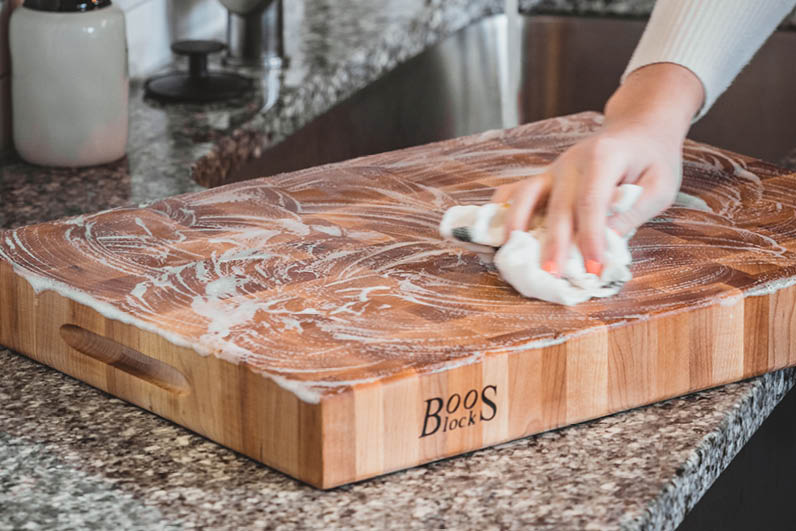
- Apply your oil or wax
- Pour a small amount (about a tablespoon) of oil onto the board.
- Use a clean, lint-free cloth or paper towel to rub oil into the wood.
- Cover all surfaces: Top, bottom, and sides.
- For beeswax blends, warm the wax slightly to spread easily.
- Let the oil soak in
- Allow the board to absorb the oil for at least 4–6 hours, or overnight for best results.
- Place the board on a wire rack or prop it up so air can circulate.
- Wipe off excess
- Use a fresh cloth to remove any oil that hasn’t soaked in.
- The board should not feel sticky or oily.
- Repeat as needed
- For a new or very dry board, repeat the oiling process 2–3 times.
- Most boards need seasoning once a month or when they look dry.
Step-by-step Summary Table
Here’s a quick summary for easy reference:
| Step | Action | Notes |
|---|---|---|
| 1 | Wash and dry board | Never soak or use dishwasher |
| 2 | Dry completely | Essential before oiling |
| 3 | Apply oil/wax | Use clean cloth, cover all areas |
| 4 | Let soak in | 4–6 hours minimum, overnight better |
| 5 | Wipe off excess | Board should not feel greasy |
| 6 | Repeat if needed | Do 2–3 times for new boards |
Non-obvious insight: Oiling the edges and underside is just as important as the top. This helps prevent warping, a problem many beginners face.
How Often Should You Season Your Butcher Block?
How often you season your board depends on how much you use and wash it. As a rule of thumb:
- For new boards: Season once a week for the first month.
- For regular use: Season once a month.
- If the board looks dry or feels rough, it’s time to oil.
A quick test: Drop a few drops of water on the surface. If the water beads up, your board is protected. If it soaks in, it needs more oil.
Experienced tip: In dry climates or during winter, season more often, as indoor heating can dry out wood faster.
Credit: www.etsy.com
Cleaning And Daily Care Tips
Seasoning is only part of caring for your butcher block. Here’s how to keep it clean and safe every day:
- Wipe after each use with a damp cloth.
- Scrub with salt and lemon for deep cleaning and odor removal.
- Never soak in water or leave wet for long periods.
- Sanitize with diluted vinegar if you cut raw meat (but use a separate board for meat if possible).
- Dry upright after washing to prevent warping.
Common Mistakes To Avoid
- Using vegetable or olive oil: These can go bad and ruin your board.
- Skipping the edges and underside: This leads to uneven moisture and warping.
- Over-oiling: A sticky board is hard to use and attracts dust.
- Not letting the board dry: Trapped moisture can cause mold or splitting.
- Putting in the dishwasher: Heat and water destroy wooden boards quickly.
What To Do If Your Board Warps Or Cracks
Even with good care, sometimes a board can warp or develop cracks. Here’s what you can try:
- Warping: Place the board flat with the bowed side up. Oil both sides and add weight (like a heavy pot) on top. Leave for a few days.
- Small cracks: Fill with food-safe wood glue or a paste of beeswax and mineral oil.
- Deep cracks: Boards with deep splits or loose pieces are unsafe for food. Replace or use for decoration only.
Extra tip: Storing your board upright or on its side helps air circulate and keeps it dry, reducing the risk of warping.
Credit: www.johnboos.com
Store-bought Conditioners Vs. Diy Mixtures
You can buy special butcher block conditioners or make your own at home. Most store-bought products are blends of mineral oil and beeswax. Homemade options are easy to mix if you want to save money or avoid additives.
Diy Conditioner Recipe
Mix 1 part grated beeswax with 4 parts mineral oil. Warm gently in a double boiler until melted, then cool and store in a jar. Apply as you would oil.
Store-bought Vs. Diy: Pros And Cons
| Type | Pros | Cons |
|---|---|---|
| Store-Bought | Convenient, consistent, often adds fragrance | More expensive, may include additives |
| DIY | Cheap, customizable, natural | Requires effort, can be messy |
If you prefer ready-to-use products, look for the NSF food-safe label for peace of mind.
When To Replace Your Butcher Block
With good care, a quality butcher block can last for decades. But some signs mean it’s time for a new one:
- Deep cracks or splits that can’t be filled
- Loose or rocking boards
- Mold or black stains that don’t clean off
- The surface stays rough after sanding and oiling
Remember: using a damaged board is not safe for food prep.
Frequently Asked Questions
How Do I Know If My Butcher Block Needs Seasoning?
If the surface looks dry, rough, or water no longer beads up, it’s time to season. Regular seasoning—about once a month—keeps your board in top shape.
Is Mineral Oil Really Safe For Food Surfaces?
Yes, food-grade mineral oil is safe and widely used for kitchen wood products. Make sure the label says “food-grade.” Avoid mineral oils with added fragrance or color.
Can I Use Coconut Oil To Season My Board?
Only use fractionated coconut oil, which stays liquid and doesn’t spoil. Regular coconut oil can go rancid and is not recommended.
What Should I Do If My Board Smells Bad?
Clean with salt and lemon, rinse, and let dry. If odor remains, season again. Persistent smells may mean the board is damaged inside—consider replacing it.
Can I Cut Raw Meat On A Wooden Board?
It’s best to use a separate plastic board for raw meat. Wood can absorb bacteria if not cleaned and seasoned properly. For more information on wood and food safety, visit the Wikipedia Cutting Board page.
Taking care of your butcher block is simple once you know the right steps. Regular seasoning keeps your board safe, beautiful, and ready for years of delicious meals. With these tips and a little attention, your board will reward you with reliable service and a touch of kitchen charm.