Skip to content
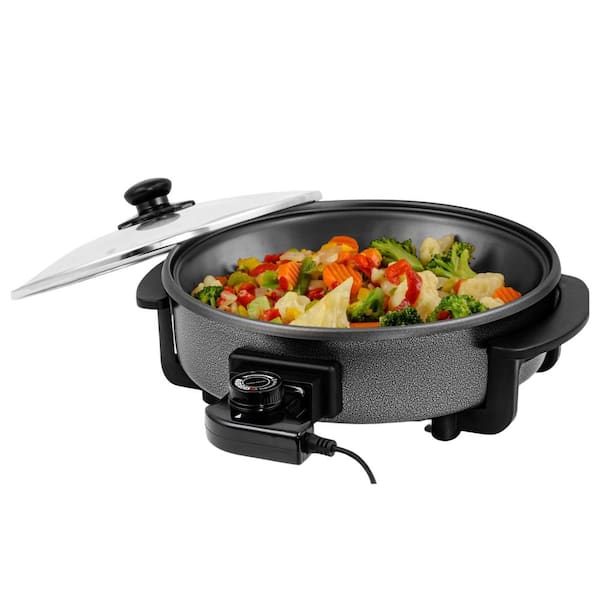
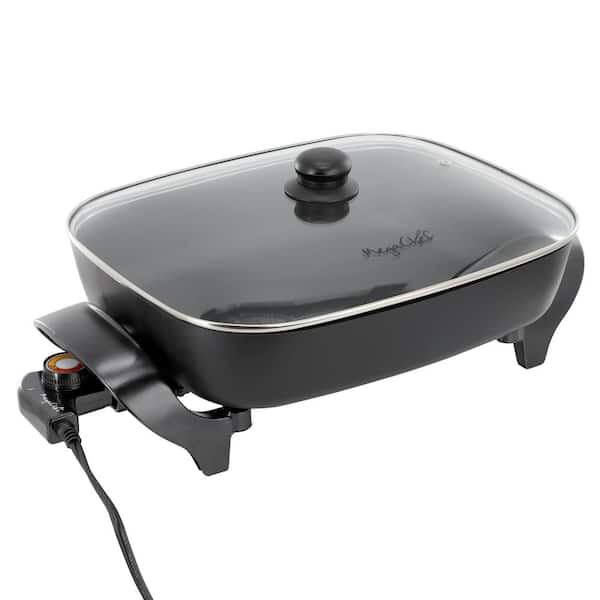
Seasoning an electric skillet might sound unusual if you’re new to kitchen appliances. You may have heard of seasoning cast iron pans, but electric skillets? The truth is, many electric skillets—especially those with nonstick or natural metal cooking surfaces—benefit from proper seasoning. A well-seasoned skillet doesn’t just make food taste better; it also helps prevent sticking, rust, and wear. If you want your electric skillet to last longer and perform at its best, seasoning is a simple but powerful step you shouldn’t skip.
Let’s explore why seasoning matters, which skillets need it, and exactly how to do it right. You’ll also find tips, common mistakes, and answers to frequent questions to make sure you get the most from your electric skillet.
Why Season An Electric Skillet?
Seasoning is the process of applying a thin layer of cooking oil and heating it to bond with the cooking surface. This creates a natural nonstick layer and protects the skillet from rust and damage. While electric skillets often have nonstick coatings, seasoning can still help—even for those surfaces.
Key Benefits
- Improved nonstick performance: Food releases more easily, even with sticky ingredients like eggs or pancakes.
- Rust prevention: For aluminum or bare metal skillets, seasoning acts as a barrier against moisture.
- Longer lifespan: A seasoned surface is less likely to scratch or degrade quickly.
- Better flavor: A seasoned surface develops flavor over time, similar to cast iron.
When Is Seasoning Essential?
Not all electric skillets require the same care. Here’s a comparison of common skillet types:
| Skillet Surface Type | Seasoning Needed? | Notes |
|---|---|---|
| Cast Aluminum (Uncoated) | Yes | Prevents sticking and rust |
| Nonstick Coated | Optional | Improves nonstick, but not essential |
| Stainless Steel | Yes | Reduces sticking |
| Ceramic Coated | Optional | Can boost nonstick and longevity |
Non-obvious tip: Even with nonstick skillets, seasoning makes the coating last longer by filling in small scratches and flaws you can’t see.
What You Need To Season An Electric Skillet
You don’t need special tools or ingredients. Here’s what you’ll need:
- Mild dish soap
- Soft sponge or cloth
- Paper towels or a soft lint-free towel
- Cooking oil (choose high smoke point oils like canola, grapeseed, sunflower, or vegetable oil)
- Tongs or heat-resistant gloves
Never use olive oil or butter for seasoning—these burn at lower temperatures and can leave a sticky residue.

Credit: shouldit.com
Step-by-step Guide: How To Season An Electric Skillet
Seasoning an electric skillet is straightforward, but each step matters. Here’s how to get it right the first time.
1. Clean The Skillet Thoroughly
Before seasoning, wash your new or used electric skillet with warm soapy water. This removes factory coatings, dust, or any leftover food.
- Use a soft sponge—avoid steel wool or abrasive pads.
- Rinse well and dry completely.
- Make sure the skillet is unplugged and cool before washing.
Pro tip: If your skillet’s heating element is removable, take it out before cleaning. Never submerge electrical parts.
2. Apply A Thin Layer Of Oil
Pour a small amount (about 1 tablespoon) of your chosen oil onto the cooking surface. Use a paper towel or lint-free cloth to spread the oil evenly over the entire surface, including the sides.
- The layer should be very thin—any excess oil can become sticky.
- Wipe away any oil pooling in corners.
3. Heat The Skillet
Plug in the skillet and set it to medium heat (around 350°F or 175°C). Let it heat for 20–30 minutes. The oil will start to smoke lightly, which means it’s bonding to the metal.
- Open windows or use kitchen ventilation, as there may be some smoke.
- Do not leave the skillet unattended.
4. Cool And Wipe Excess Oil
After 30 minutes, unplug the skillet and let it cool completely. When it’s cool, use a clean paper towel to wipe away any remaining oil.
- The surface should look slightly shiny, but not greasy.
5. Repeat For Best Results
For new or uncoated skillets, repeat the oiling and heating process two or three times. This builds a stronger nonstick layer.
How Often Should You Season Your Electric Skillet?
How often you season depends on how you use and clean your skillet. Here’s a quick reference:
| Usage Pattern | Seasoning Frequency | Why |
|---|---|---|
| New skillet (first use) | 2–3 times | Builds initial layer |
| Daily use | Every 1–2 months | Maintains nonstick surface |
| After deep cleaning | Every time | Replaces lost seasoning |
| Occasional use | Every 3–4 months | Prevents rust, keeps surface fresh |
Non-obvious insight: If you notice food sticking, dull spots, or discoloration, it’s a sign to reseason—even if you just seasoned recently.
Credit: www.homedepot.com
Common Mistakes To Avoid
Many beginners make mistakes that can damage the skillet or make seasoning less effective. Avoid these traps:
- Using too much oil: This leaves a sticky layer that’s hard to clean.
- Skipping cleaning: Seasoning over old food or residue locks in bad smells and flavors.
- Not heating long enough: If the oil doesn’t smoke, it won’t bond to the surface.
- Using the wrong oil: Low smoke point oils leave a tacky surface.
- Scrubbing with abrasives: This removes your seasoning layer.
Practical example: If you notice your skillet feels sticky after seasoning, you probably used too much oil or didn’t heat it enough. Clean it off and start again with a thinner layer.
Care And Maintenance After Seasoning
A seasoned electric skillet doesn’t need harsh cleaning. Gentle care keeps the nonstick layer strong and the skillet working well.
Cleaning Tips
- Wipe with a paper towel after each use. For stuck food, use warm water and a soft sponge.
- Avoid dishwashers and soaking. Water can damage the electrical parts and ruin seasoning.
- If you must use soap, reseason afterward.
Cooking Tips
- Preheat the skillet before adding food—this helps prevent sticking.
- Use wooden or silicone utensils to avoid scratching the surface.
- Add a tiny amount of oil before cooking, even on a seasoned surface, for best results.
Credit: www.homedepot.com
How Seasoning Improves Cooking
Many people don’t realize that seasoning does more than just protect your pan. It can actually make your cooking easier and your food tastier.
Better Texture And Browning
A seasoned surface encourages Maillard reaction—the browning that adds flavor to meats, vegetables, and more. Food releases easily, so you get a crispy crust without tearing or sticking.
Healthier Cooking
Less oil is needed for cooking, because a seasoned skillet is naturally nonstick. This means you can prepare healthier meals with less fat.
Versatility
A properly seasoned skillet works for everything from pancakes and eggs to stir-fries and grilled sandwiches. You’ll find yourself reaching for it more often.
When To Reseason Or Replace Your Skillet
No skillet lasts forever. Here’s how to tell what your next step should be:
- Food starts sticking again: Reseason before every use until the surface improves.
- Surface looks dull or scratched: Clean and reseason.
- Deep scratches or flaking coating: For nonstick skillets, if the coating peels, it’s time for a replacement.
Important: Never try to season over loose or peeling nonstick coatings. This can make cooking unsafe.
Frequently Asked Questions
How Do I Know If My Electric Skillet Needs Seasoning?
If food sticks more than usual, or if you notice dull spots or rust, it’s time to season. New uncoated skillets should always be seasoned before first use.
Can I Season A Skillet With Nonstick Coating?
Yes, but use a very thin layer of oil and don’t overheat. Seasoning can fill micro-scratches and extend the nonstick life, but never try to repair a flaking coating by seasoning.
What Oil Is Best For Seasoning?
High smoke point oils like canola, grapeseed, sunflower, or vegetable oil are ideal. Avoid butter, olive oil, or coconut oil for seasoning.
Can I Wash My Electric Skillet With Soap After Seasoning?
You can, but frequent soaping will remove the seasoning layer. For most cleanups, just wipe with a damp cloth. Reseason if you use soap or deep clean.
Where Can I Find More Information About Cookware Care?
For more tips on skillet seasoning and care, visit this Wikipedia page on cookware seasoning.
Seasoning your electric skillet may seem like a small effort, but it pays off with every meal you cook. With the right care, your skillet will stay nonstick, easy to clean, and last for years. Remember, the key is consistency: gentle cleaning and regular seasoning keep your skillet in top shape. Try seasoning your electric skillet once, and you’ll notice the difference with your very next meal.