Skip to content
Finding your kitchen knife dull when you need it most can be frustrating. Many people think you need a fancy knife sharpener to fix this problem, but that is not true. There are several simple methods to sharpen a knife using everyday items around your home. Learning these techniques can help you keep your knives in good shape, save money, and avoid dangerous accidents caused by dull blades.
This guide will show you practical ways to sharpen a knife without a sharpener, explain how each method works, and highlight mistakes to avoid. Whether you are in the kitchen, camping, or stuck in an emergency, these skills can come in handy.
Why Knife Sharpness Matters
A sharp knife is safer than a dull one. Dull knives require more force and are likely to slip, which can cause injury. Sharp blades make cooking faster and more enjoyable. According to a survey by the National Safety Council, about 17% of kitchen accidents are linked to improper knife handling, often caused by dull knives. Keeping your knife sharp also helps preserve the food’s texture and taste, as a clean cut reduces bruising and tearing.
Choosing The Right Alternative Surface
Not every surface will sharpen a knife effectively. The best options are hard, rough materials that can grind metal. Here are some common surfaces you can use:
| Surface | Effectiveness | Common Availability |
|---|---|---|
| Ceramic Mug/Base | High | Most kitchens |
| Porcelain Plate Edge | Medium | Most homes |
| Sandpaper | Very High | Hardware stores |
| Smooth Stone/Rock | Medium | Outdoors/gardens |
| Car Window Glass | Low | Car owners |
Some surfaces may damage your knife if used incorrectly. Avoid using metal or painted surfaces, as they can scratch or bend the blade.
Sharpening With A Ceramic Mug
One of the easiest ways to sharpen a knife is using the bottom of a ceramic mug. This technique works because the unglazed ring on the base is rough and acts like a sharpening stone.
- Place the mug upside down on a flat surface. Make sure the mug is steady and won’t slide.
- Hold the knife at a 20-degree angle to the mug’s base. This angle is ideal for most kitchen knives.
- Draw the blade across the mug’s ring, starting from the heel to the tip. Use gentle, even pressure. Repeat this motion 5–10 times on each side.
- Check the blade’s sharpness by slicing a piece of paper or tomato. If it doesn’t cut easily, repeat the process.
A common mistake is pressing too hard, which can damage the knife’s edge. Always use light pressure and steady hands.
Using A Porcelain Plate
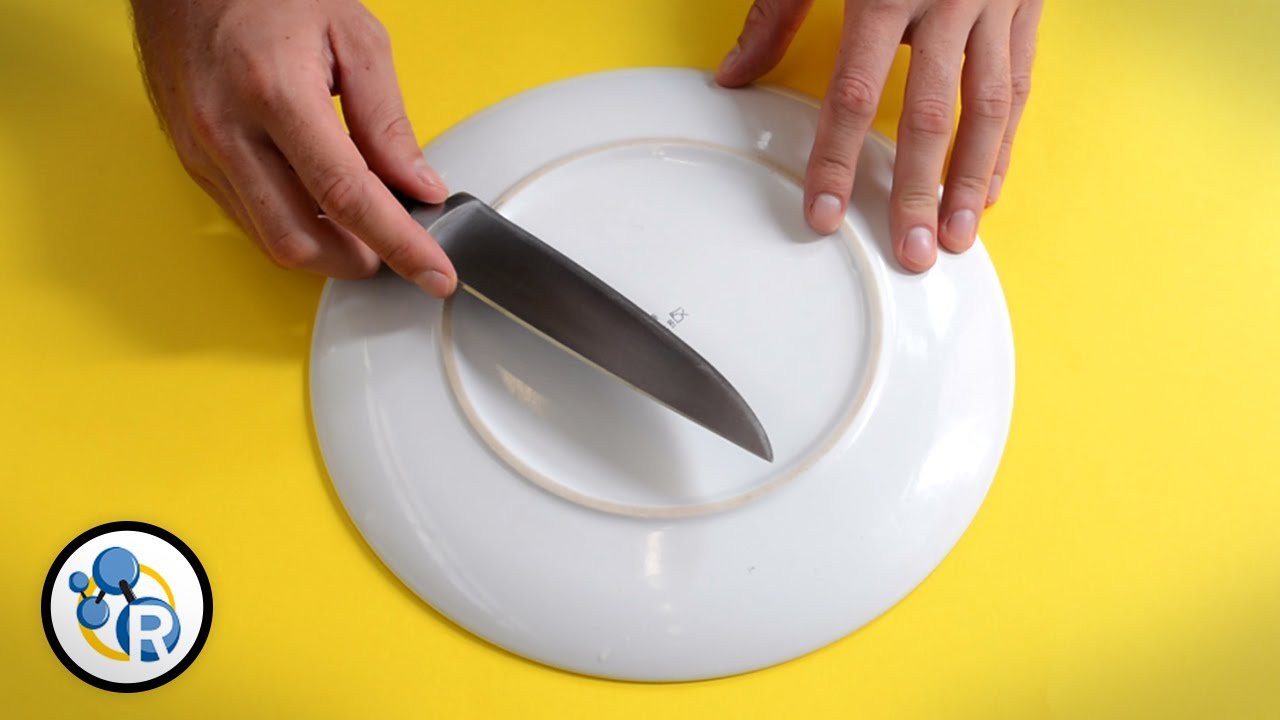
The underside rim of a porcelain plate can also sharpen knives. This area is usually rough and unglazed.
- Turn the plate upside down.
- Find the rough, unglazed ring.
- Hold the knife at a consistent angle (18–22 degrees).
- Slide the blade across the ring, alternating sides. Do this 6–8 times per side.
Porcelain plates are less abrasive than mugs, so sharpening may take longer. Beginners often forget to alternate sides, which can create an uneven edge.
Sandpaper: Quick And Effective
Sandpaper is a strong sharpening tool if you want quick results. Choose medium grit (400–600) for best results.
- Place sandpaper on a flat, hard surface.
- Hold your knife at a slight angle (15–20 degrees).
- Move the blade along the sandpaper, from heel to tip, with gentle pressure.
- Repeat 8–10 times per side.
Sandpaper gives you a sharper edge than ceramic or porcelain. However, it can remove more metal, so don’t overdo it.
| Sandpaper Grit | Resulting Edge | Recommended Use |
|---|---|---|
| 400 | Medium sharpness | Repairing dull blades |
| 600 | Very sharp | Finishing edge |
| 1000+ | Ultra fine | Polishing only |
Always wipe the blade clean after sharpening to remove metal particles.
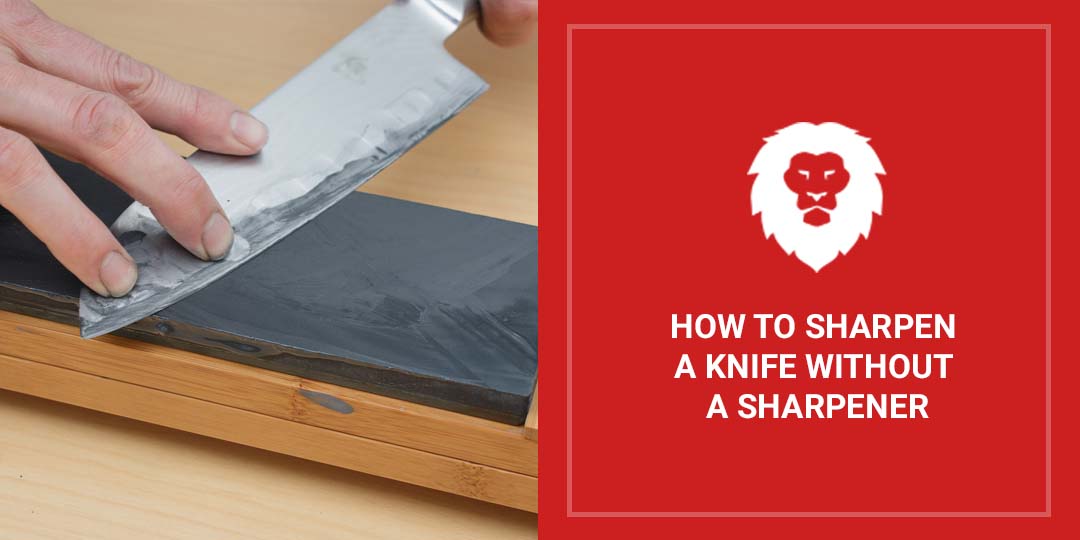
Sharpening With A Smooth Stone
If you are outdoors, a smooth stone or rock can sharpen your knife. Look for a stone with a fine, even texture.
- Wet the stone with water. This reduces friction and helps avoid scratches.
- Hold your knife at the usual angle (18–22 degrees).
- Draw the blade across the stone, alternating sides. Do this 10–12 times per side.
This method is popular among campers and hikers. Avoid stones with sand or grit, as they can damage the blade.
Credit: www.redlabelabrasives.com
Glass Surfaces For Emergency Sharpening
A car window or thick glass edge can work as a last resort. This is not the best method, but it can help in emergencies.
- Find a thick glass edge, such as a car window.
- Hold your knife at about 20 degrees.
- Slide the blade gently across the glass, alternating sides.
Glass is less abrasive, so sharpening takes longer. Be careful—using too much force can chip the blade or glass.
Honing Vs. Sharpening: Know The Difference
Many people confuse honing and sharpening. Honing realigns the knife’s edge but doesn’t create a new sharp edge. Sharpening removes metal to form a new edge.
| Action | Purpose | Tool or Surface |
|---|---|---|
| Sharpening | Creates a new edge | Ceramic, sandpaper, stone |
| Honing | Realigns blade | Steel rod, smooth glass |
To maintain your knife, sharpen it when dull and hone it regularly.
Testing Your Knife’s Sharpness
After sharpening, check your knife’s sharpness using simple tests:
- Paper test: Slice a sheet of paper. A sharp knife should cut smoothly.
- Tomato test: Try slicing a tomato. If the blade cuts without squashing, it’s sharp.
- Fingernail test: Gently rest the blade on your fingernail. If it catches, the edge is sharp.
Avoid touching the blade directly with your finger, as it could cause injury.
Safety Tips And Common Mistakes
Sharpening a knife without a sharpener can be safe if you follow these tips:
- Keep fingers away from the blade during sharpening.
- Use gentle, steady pressure—never force the blade.
- Always alternate sides to keep the edge even.
- Clean the knife before and after sharpening to remove any particles.
Common mistakes include:
- Using too much pressure, which can chip the blade.
- Sharpening on dirty or uneven surfaces, which can scratch or damage the knife.
- Forgetting to check the angle, leading to a dull or uneven edge.
Most beginners miss the importance of consistency. Keeping the same angle throughout sharpening is key to a good edge.
Practical Examples: When You Might Need These Skills
There are situations where knowing how to sharpen a knife without a sharpener is useful:
- Camping: You may not have a sharpener, but rocks and sandpaper are available.
- Traveling: Hotel kitchens and vacation rentals often lack proper tools.
- Emergency: In a power outage or disaster, improvising can help you cook safely.
For example, hikers often use river stones to sharpen their pocket knives. Chefs sometimes use ceramic plates when professional tools are missing. These skills are not just for emergencies—they are practical for daily life.
Maintenance: Keeping Your Knife Sharp Longer
Sharpening is only part of the solution. To keep your knife sharp:
- Store knives in a knife block or sheath, not loose in a drawer.
- Wash knives by hand; avoid dishwashers, as they dull blades.
- Use cutting boards made from wood or plastic, not glass or stone.
Proper maintenance can extend your knife’s life by years and reduce the need for frequent sharpening.

Credit: www.knafs.com
Advanced Tip: Creating A Micro-bevel
One detail that many beginners miss is the micro-bevel technique. After sharpening, slightly increase the angle (by 2–3 degrees) and make 2–3 light passes on each side. This creates a stronger, more durable edge. It helps the blade stay sharp longer, especially with everyday use.
Environmental Impact: Why Sharpening Matters
Sharpening knives instead of replacing them reduces waste. According to the EPA, Americans throw away over 2 million knives yearly. Learning to sharpen can save money and help the environment. Using available surfaces means fewer disposable sharpeners and less plastic waste.
Credit: www.youtube.com
When To Seek Professional Help
If your knife is badly damaged or has deep chips, home methods may not work. Professional sharpening services use precise tools and can restore your knife safely. Most local hardware stores offer this service for a few dollars per blade.
Frequently Asked Questions
Can I Use A Leather Belt To Sharpen My Knife?
A leather belt can hone a knife, but it cannot sharpen a dull blade. It is good for finishing and polishing, not creating a new edge.
How Often Should I Sharpen My Kitchen Knife?
For home cooks, sharpening every 3–4 months is enough. If you cook daily, check your knife weekly and sharpen as needed.
Will Sharpening On A Mug Or Plate Damage My Knife?
If you use the correct angle and gentle pressure, a ceramic mug or plate will not damage your knife. Avoid using glazed or painted surfaces.
What Is The Best Angle For Sharpening A Kitchen Knife?
The ideal angle is 18–22 degrees for most kitchen knives. Japanese knives may need a slightly lower angle (12–15 degrees).
Can I Sharpen A Serrated Knife Without A Sharpener?
Serrated knives require special tools. Home methods can sharpen the tips, but not the valleys. It is best to use a professional sharpener for serrated blades.
Sharpening a knife without a sharpener is a useful skill for every cook, camper, and homeowner. With the right technique and a little patience, you can keep your blades safe and effective using common items around you. For more detailed information about knife care, visit the Sharpening Stone Wikipedia page. Remember, the key is consistency and care—your knife will thank you with every clean cut.