Every year, smoke detectors save thousands of lives by warning people about fires early. But a smoke detector only works if it is in good condition. Many people install smoke detectors and forget to check them. This can be dangerous.
Testing smoke detectors is easy, but often overlooked. If you want to protect your home and family, you need to know how to test smoke detectors the right way.
This article will guide you step-by-step. You will learn why testing is important, how often to test, different testing methods, and how to handle common problems. Whether you live in a small apartment or a large house, these tips will help you keep your smoke detectors ready to save lives.
Why Testing Smoke Detectors Matters
Smoke detectors are the first line of defense against fire. According to the National Fire Protection Association (NFPA), three out of five home fire deaths happen in homes without working smoke detectors. A working smoke detector gives you precious minutes to escape.
Sometimes, smoke detectors fail because of dead batteries, dust, or simple age. Testing helps you catch these problems before it’s too late. Even if your device looks fine, it might not work. That is why regular testing is crucial.
How Often Should You Test Smoke Detectors?
The NFPA recommends testing smoke detectors at least once a month. Batteries should be replaced at least once a year, even if the detector is hardwired. If you have children, elderly, or disabled people in your home, more frequent testing is wise.
Many people forget monthly testing. Setting a reminder on your phone or marking your calendar can help. If your detector makes random beeps, test it right away.

Credit: www.youtube.com
Different Types Of Smoke Detectors
There are two main kinds of smoke detectors: ionization and photoelectric. Some homes have combination units. Understanding your type helps you test it better.
| Type | How It Works | Best For |
|---|---|---|
| Ionization | Detects fast, flaming fires | Kitchen, hallway |
| Photoelectric | Detects slow, smoldering fires | Bedroom, living room |
| Combination | Uses both sensors | General home use |
Most modern smoke detectors are combination types. If you are not sure about your device, check the label or manual.
Simple Testing Methods
Testing a smoke detector does not require special tools. Here are the main ways:
1. Using The Test Button
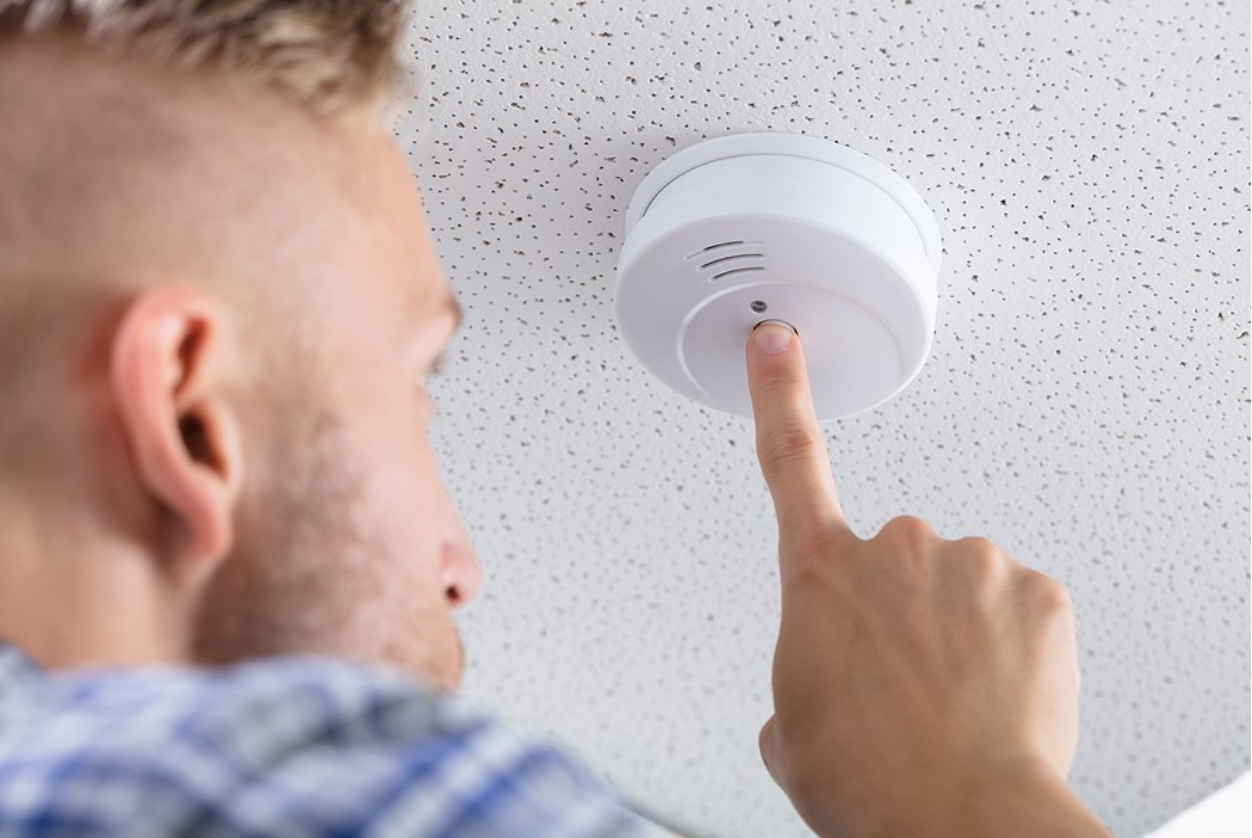
Most smoke detectors have a small test button. Press and hold it for a few seconds. You should hear a loud, piercing sound. If the alarm is weak or silent, replace the battery or device.
- Stand away from the detector to avoid hurting your ears.
- If the alarm does not sound, check battery contacts or wiring.
This method checks the electronics and battery, but not the sensor.
2. Using Real Smoke
To test the sensor itself, you can use real smoke. Light a stick of incense or a candle and blow it out near the detector.
- Hold the smoke source about 2 feet below the device.
- Move it slowly closer until the alarm sounds.
This test confirms the sensor works. Never use matches or burn paper—this can damage the device or start a fire.
3. Using Smoke Detector Test Spray
Special test sprays are sold at hardware stores. They mimic smoke without the risks of fire.
- Follow the instructions on the spray can.
- Spray for a few seconds toward the detector.
This method is safe and quick. It works for both ionization and photoelectric types.
Step-by-step Testing Guide
For best results, follow these steps:
- Inform household members: Tell everyone you are testing. The alarm sound is loud and might scare children or pets.
- Check for dust: Wipe the detector with a dry cloth. Dust can block the sensor.
- Press the test button: Hold for 5-10 seconds until the alarm sounds.
- Test with smoke or spray: If possible, use incense or test spray to check the sensor.
- Check battery: If the alarm is weak, replace the battery.
- Observe indicator lights: Most detectors have a blinking light to show they are active.
- Record your results: Keep a log of testing dates and results.
Common Problems And Solutions
Testing smoke detectors can reveal several issues. Here are some frequent problems and how to fix them:
Weak Or No Alarm
- Change the battery.
- Clean the device with a soft brush.
- If problem persists, replace the detector.
False Alarms
- Move the detector away from the kitchen or bathroom.
- Clean dust and cobwebs.
- Check for insects inside the device.
Random Beeping
- Low battery warning.
- Loose battery contacts.
- Device nearing end-of-life (most detectors last 8–10 years).
Detector Does Not Respond To Smoke
- Sensor is clogged or old.
- Try cleaning gently.
- If still unresponsive, buy a new detector.
Where To Place Smoke Detectors
Placement affects how well your detector works. Follow these tips for best coverage:
- Install detectors in every bedroom, hallway, and each level of your home.
- Place detectors at least 10 feet from cooking appliances to avoid false alarms.
- Mount on the ceiling or high on the wall (smoke rises).
- Avoid corners and near windows or doors where airflow can affect detection.
| Room | Recommended Placement | Common Mistake |
|---|---|---|
| Bedroom | Ceiling, near sleeping area | Too close to window |
| Kitchen | Outside kitchen, not inside | Right above stove |
| Hallway | Center of ceiling | Near air vent |
| Basement | Ceiling at bottom of stairs | On wall, too low |
When To Replace Smoke Detectors
Even if your smoke detector passes all tests, it has a limited lifespan. The U.S. Fire Administration recommends replacing smoke detectors every 10 years. Over time, sensors become less effective, even if batteries are new.
Check the back of your detector for a manufacturing date. If it’s older than 10 years, buy a new one. If you move into a new home, replace all detectors unless you can confirm their age.

Credit: emcsecurity.com
Advanced Testing: Interconnected Systems
Some homes have interconnected smoke detectors. If one alarm goes off, all others do too. Testing these systems is important:
- Press the test button on any one detector.
- All alarms should sound at once.
- If some do not, check connections and consult the manual.
For wireless systems, test each unit individually and together. If you have a monitored system, inform your security company before testing.
Safety Tips For Testing
Testing smoke detectors is simple, but a few safety tips can help:
- Never use open flames or flammable materials near detectors.
- Use a sturdy step stool or ladder for ceiling units.
- Avoid standing on chairs or unstable surfaces.
- If you live in a rental, ask your landlord about proper maintenance.
- Record each test in a notebook or digital log.
Credit: www.worldinsurance.com
What To Do If A Detector Fails
If your detector does not work after testing:
- Replace the battery.
- Clean the device carefully.
- Check the wiring or power supply.
- Replace the detector if it still fails.
A working smoke detector is not optional. Do not delay replacement.
How Smoke Detectors Save Lives: Real Data
Home fires often happen at night. Working smoke detectors cut the risk of dying in a fire by half, according to the NFPA. In 2026, US fire departments responded to over 350,000 home fires. Early warning from smoke detectors prevented thousands of deaths and injuries.
Homes with properly tested detectors have a fatality rate of 0.8 per 100 fires, compared to 2.5 per 100 fires in homes without working detectors. This clear difference shows why testing matters.
Smart Smoke Detectors: Are They Worth It?
Smart smoke detectors connect to Wi-Fi and send alerts to your phone. They can even tell you which room the alarm is coming from. Some models self-test and send reports.
| Feature | Standard Detector | Smart Detector |
|---|---|---|
| Manual Testing | Required | Some self-testing |
| Remote Alerts | No | Yes |
| Battery Life | 6–12 months | 1–5 years |
| Cost | $10–$30 | $50–$150 |
Smart detectors are helpful for busy people or large homes. But manual testing is still needed, as technology can fail.
Two Non-obvious Insights
- Humidity affects smoke detectors. High humidity can cause false alarms. Bathrooms and kitchens often have this problem. If your detector gives false alarms after a shower or cooking, try moving it further away from these areas.
- Testing after power outages is important. When power returns, surge can damage detectors. Always test after a blackout or electrical work to ensure your devices still function.
Final Thoughts
Testing smoke detectors is simple, but it can save your life. Set a reminder to test monthly. Use both the test button and real smoke or test spray. Clean devices regularly, and replace old detectors. Make sure you place detectors correctly, and keep records of each test.
A small effort today protects you from disaster tomorrow. If you want more details on fire safety, visit the NFPA website.
Frequently Asked Questions
How Often Should I Test My Smoke Detector?
You should test your smoke detector at least once a month. If you have elderly or young children, consider testing more often.
What If My Smoke Detector Keeps Beeping?
A beeping detector usually means a low battery. Replace the battery. If it keeps beeping, check for dust or replace the device if it’s old.
Can I Use Candles To Test My Smoke Detector?
You can use the smoke from blowing out a candle, but incense is safer. Never use open flames or burn paper, as this can damage the detector or cause fire.
How Long Do Smoke Detectors Last?
Most smoke detectors last 8–10 years. Check the manufacturing date on the back. Replace your detector if it’s older than 10 years.
Are Smart Smoke Detectors Better Than Regular Ones?
Smart detectors offer extra features like remote alerts and self-testing. However, manual testing is still needed. Both types are effective if maintained and tested regularly.