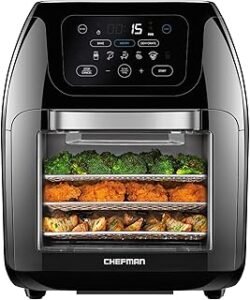
Most kitchens today are evolving with new technology, and one of the most exciting upgrades is the built-in oven air fryer. If you love crispy fries, golden chicken wings, or roasted veggies, but want to cook with less oil, this appliance can be a game changer. Still, many people are unsure how to use a built-in oven’s air fry feature correctly. Maybe you just bought a new oven, or you’re curious if it’s worth using the air fry mode instead of your countertop device. This article will show you exactly how to use a built-in oven air fryer, step by step, and help you get delicious results every time.
You’ll learn how air frying in a built-in oven is different from traditional frying and countertop air fryers. We’ll cover the best foods to cook, how to prepare your ingredients, and how to avoid common mistakes. You’ll also see clear tips on cleaning, maintenance, and troubleshooting, with helpful data tables for cooking times and temperature comparisons.
By the end, you’ll feel confident using your oven’s air fry feature like a pro—even if you’re a beginner.
Understanding Built-in Oven Air Fryers
Built-in oven air fryers are not just a trend; they are designed to bring healthier cooking into your regular kitchen routine. Before you start, it helps to know how these ovens work.
A built-in oven air fryer uses a powerful fan and a special heating element. This combination circulates very hot air around your food, cooking it quickly and creating a crispy outside without deep-frying in oil. Unlike a countertop air fryer, the built-in version is part of your oven—it’s bigger and sometimes more powerful.
Key differences between built-in oven air fryers and countertop air fryers include:
- Size: Built-in models offer more cooking space, allowing you to prepare larger batches.
- Heating: Ovens may take longer to heat up, but they often cook more evenly.
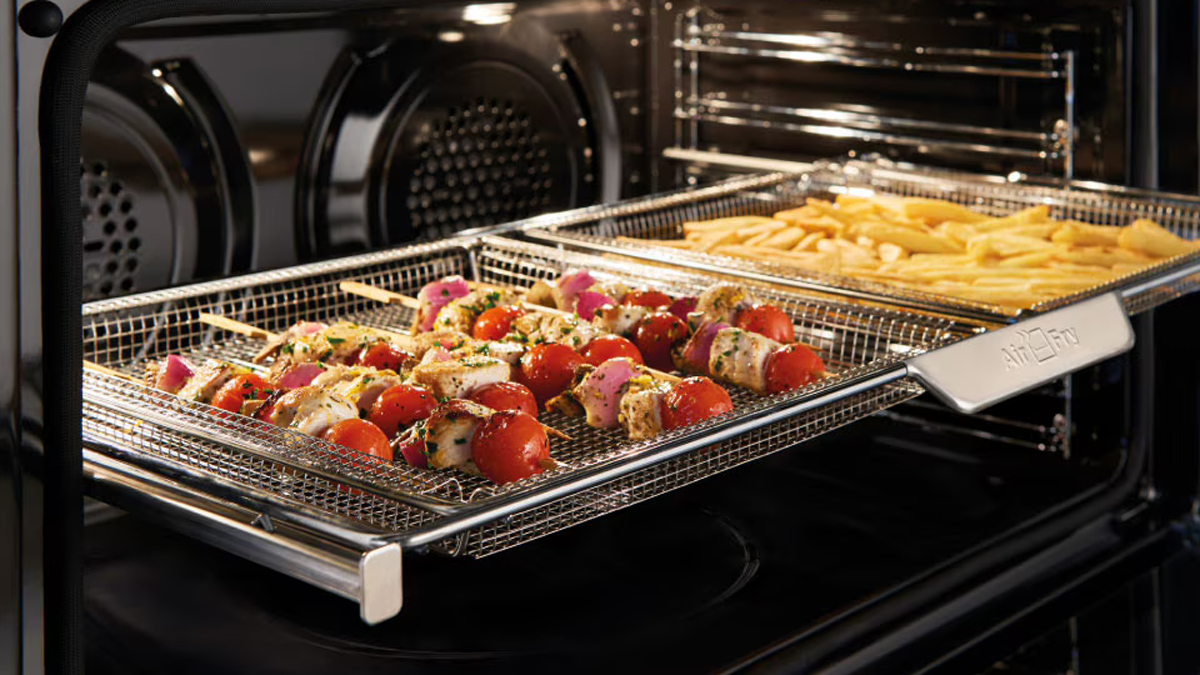
- Accessories: Built-in ovens usually come with special air fry trays or baskets, different from the small baskets in countertop models.
If you’re used to regular baking or roasting, air frying may seem similar, but the results are crispier and use less oil.
Preparing Your Built-in Oven For Air Frying
Getting your oven ready is important for the best air fry results. Here’s what you need to do:
- Read the manual: Ovens can vary. Check your manufacturer’s guide for settings and tray placement.
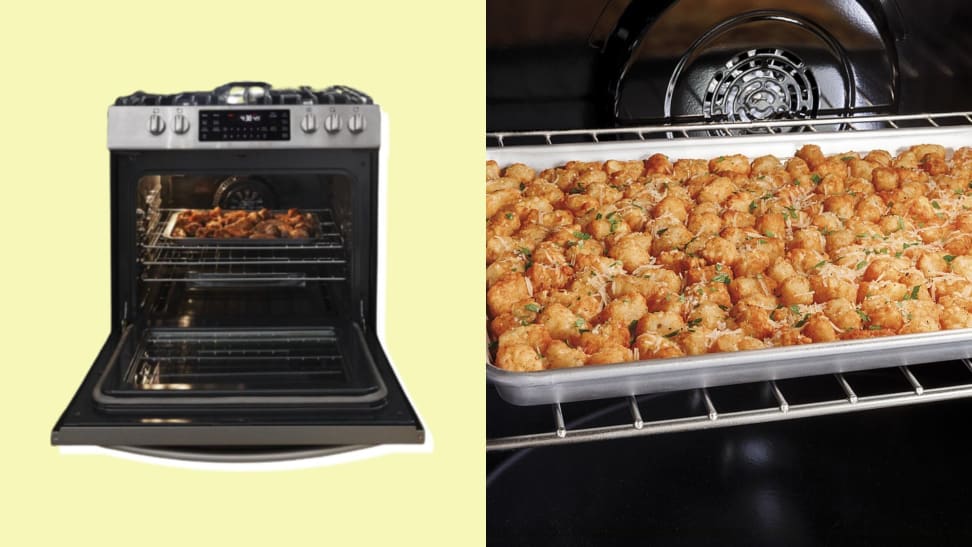
- Use the right tray: Most built-in ovens have a special air fry tray—a mesh or perforated tray that lets air flow all around your food. If you don’t have one, use a wire rack over a baking sheet.
- Clean before use: Make sure your oven and accessories are clean. Old food or grease can cause smoke.
- Preheat if needed: Some ovens require preheating for air fry mode, while others don’t. Preheating helps with crispiness, especially for fries and breaded foods.
Pro tip: Always place a baking sheet on the rack below the air fry tray to catch any crumbs or drips. This makes cleaning much easier and prevents smoking.
Credit: www.reviewed.com
Choosing Foods For Air Frying
One of the best things about a built-in oven air fryer is its versatility. You can cook a wide range of foods, from snacks to main dishes. Here’s a look at what works best:
Top Foods To Air Fry
- French fries and potato wedges
- Chicken wings, nuggets, and tenders
- Fish fillets
- Breaded shrimp or seafood
- Vegetables (broccoli, cauliflower, carrots, zucchini)
- Mozzarella sticks
- Frozen foods (spring rolls, samosas, onion rings)
- Baked goods (small pastries, cookies)
Not recommended: Foods with very wet batters, delicate cakes, or those that release lots of liquid (like marinated meats) can be tricky. They may drip, create smoke, or not crisp well.
Portion And Spacing
Always spread food in a single layer. Crowding the tray blocks hot air, making food soggy instead of crispy. If you need to cook a large batch, do it in two rounds for the best results.
Step-by-step: How To Use The Air Fry Feature
Let’s walk through exactly how to use your built-in oven air fryer, from start to finish.
1. Set Up The Oven
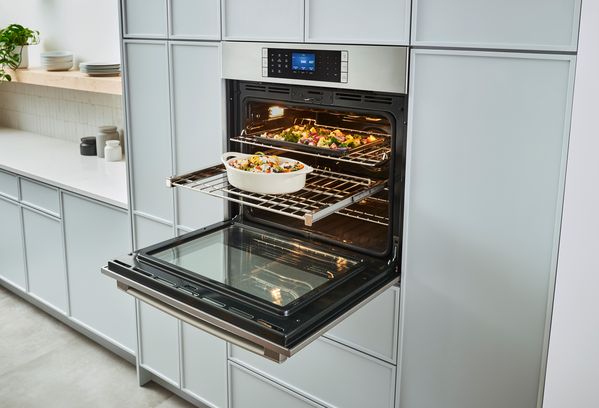
- Place the air fry tray in the correct oven position. Usually, this is the middle rack.
- Put a baking sheet underneath to catch oil or crumbs.
2. Preheat (if Needed)
- Select the Air Fry mode on your oven.
- Set the temperature according to your recipe or the food packaging. Most air-fried foods cook well between 375°F–425°F (190°C–220°C).
- Preheat for 5–10 minutes if recommended by your oven’s manual.
3. Prepare The Food
- Dry the ingredients: Pat food dry to help it crisp.
- Lightly oil (optional): For extra crunch, toss food with a small amount of oil—just 1–2 teaspoons for a tray of fries.
- Season well: Add salt, pepper, or your favorite spices.
4. Arrange On The Tray
- Spread food in a single, even layer. Do not stack or pile.
- Leave space between pieces for air to circulate.
5. Start Cooking
- Slide the tray into the oven.
- Set the timer.
- For even cooking, shake or flip the food halfway through (use oven mitts).
6. Check For Doneness
- Use a food thermometer for meats (165°F/74°C for chicken).
- Look for a golden-brown, crispy texture.
7. Serve And Enjoy
- Remove food carefully (the tray will be hot).
- Let cool for a minute before eating—air-fried foods can be very hot inside.
Cooking Times And Temperature Guide
Cooking times can vary based on the oven, food size, and how much you’re cooking. Here is a quick reference for popular foods:
| Food | Temperature | Cooking Time | Tips |
|---|---|---|---|
| French fries (fresh) | 400°F (205°C) | 25–30 min | Toss with 1 tbsp oil, shake halfway |
| Chicken wings | 425°F (220°C) | 30–35 min | Flip once for even crispiness |
| Fish fillets | 400°F (205°C) | 12–15 min | Use breaded or battered for crunch |
| Vegetables | 400°F (205°C) | 15–20 min | Cut into even pieces, toss with oil |
| Frozen foods | 400°F (205°C) | 18–22 min | Check package for best results |
Insider tip: Cooking times may be shorter in a countertop air fryer. Start with the lower end of the time range and add minutes as needed.
Air Fryer Vs. Traditional Oven And Deep Frying
If you’re wondering why you should use the air fry mode instead of baking or deep-frying, consider these differences:
| Method | Oil Needed | Crispiness | Calories (per 100g fries) | Time |
|---|---|---|---|---|
| Air Fry (Built-in Oven) | 1–2 tsp | High | 150–180 | 25–30 min |
| Baking | 2–3 tsp | Medium | 180–200 | 30–35 min |
| Deep Frying | 2–3 cups | Very High | 300–350 | 10–12 min |
As you can see, air frying uses much less oil, cuts calories nearly in half compared to deep frying, and still creates a crispy finish. It’s also safer—no hot oil splashes or messy cleanup.
Common Mistakes And How To Avoid Them
Even experienced cooks make mistakes when learning a new appliance. Here are some frequent problems with built-in oven air fryers and how to prevent them:
- Overcrowding the tray: This blocks airflow. Always cook in a single layer.
- Skipping preheat: Cold ovens lead to soggy results. Preheat if your oven recommends it.
- Not using the air fry tray: Regular trays or sheets block air movement. Use the perforated tray for the best crisp.
- Using too much oil: More oil does not mean crispier food. Too much oil can make food greasy and cause smoking.
- Ignoring timing: Every oven is different. Check food early and adjust cook times as needed.
- Not flipping food: Flipping or shaking halfway helps even browning, especially for thick foods.
- Forgetting a drip tray: Without it, crumbs and oil can fall to the oven floor and burn, causing smoke.
- Cooking wet-battered foods: Wet batters drip through the tray and make a mess. Use breaded or dry-coated items instead.
Extra insight: Most built-in oven air fryers have strong fans. This can dry out thin foods (like sliced veggies) if you use too much heat or cook too long. Check thin items early.
Cleaning And Maintenance
Keeping your built-in oven air fryer clean is vital for performance and safety. Here’s how to do it:
- Clean after every use: Let everything cool, then wipe the air fry tray and drip tray with warm, soapy water.
- Remove crumbs and grease: A vacuum or small brush can help get crumbs from tray holes.
- Check the fan area: Wipe away any splatters near the fan or heating element (when cool).
- Avoid harsh cleaners: Use gentle dish soap; strong chemicals can damage trays.
- Deep clean monthly: Clean the oven’s interior and fan area more thoroughly every few weeks, especially if you use air fry mode often.
Tip: Line the drip tray with foil for easier cleanup, but never block the air fry tray’s holes.
Using Accessories And Tools
Most built-in ovens come with at least one air fry tray, but you can add accessories to make air frying even easier:
- Extra air fry trays: Useful for cooking multiple foods at once.
- Mesh baskets: Good for small items like shrimp or nuggets.
- Silicone tongs: Safer for turning food, and won’t scratch trays.
- Oven-safe thermometers: Ensure meats are cooked safely.
Warning: Only use accessories rated for high heat. Plastic or non-oven-safe items can melt.
Tips For The Best Air Frying Results
For consistently excellent air-fried food, keep these tips in mind:
- Cut food evenly: Even pieces cook at the same rate and get crispy all over.
- Light oil spray: A spray bottle lets you use less oil, and spreads it evenly.
- Use dry seasonings: Wet sauces should be added after cooking, not before, to avoid burning.
- Let food rest: Resting for 1–2 minutes after air frying helps moisture redistribute, making food juicier inside and crisper outside.
- Batch cooking: For parties or big families, cook in batches and keep finished food warm in a low oven (200°F/95°C) until ready to serve.
Advanced tip: If you like extra crunch, try “double air frying.” Cook food until almost done, let it cool for a few minutes, then air fry again for 2–3 minutes. This works well for fries or chicken.
Troubleshooting Common Air Frying Issues
If your results aren’t as expected, check this quick troubleshooting guide:
| Problem | Possible Cause | Solution |
|---|---|---|
| Food is soggy | Tray overcrowded or not preheated | Cook in a single layer, preheat oven |
| Food is burnt outside, raw inside | Too high temperature | Lower temp, cook longer |
| Smoke during cooking | Too much oil, dirty oven, or fatty food | Use less oil, clean oven/tray, use drip tray |
| Uneven browning | Didn’t flip or shake food | Flip or shake halfway through |
| Food sticks to tray | No oil or nonstick spray | Lightly spray tray or use parchment (if safe) |
Safety Tips For Air Frying In Built-in Ovens
Safety is always important in the kitchen, especially with high temperatures and powerful fans.
- Always use oven mitts: Trays get extremely hot.
- Keep children away: The oven door, air fry tray, and drip tray can all burn skin.
- Watch for steam: When opening the door, hot steam may escape.
- Don’t leave food unattended: Air fry mode cooks quickly, so check food near the end of the timer.
- Use oven-safe tools: Avoid anything that can melt or catch fire.
Little-known fact: Built-in ovens can sometimes trigger smoke alarms if there is leftover grease. Clean trays and oven interiors often to avoid this.
Real-world Examples And Data
Many people wonder if the air fry mode can really replace deep frying or a countertop device. Here are some real user examples and data:
- Crispy fries: In a test with 1 lb of fresh-cut potatoes, air frying in a built-in oven used 90% less oil than deep frying, with almost the same crunch.
- Chicken wings: Large batches (up to 3 lbs) fit easily in the oven’s air fry tray, compared to only 1 lb in most countertop air fryers.
- Roasted vegetables: Roasting broccoli and carrots in air fry mode at 400°F for 18 minutes produced more even browning and less sogginess than standard baking.
Data from Consumer Reports shows that built-in oven air fryers can cook 2–3 times more food at once than countertop models, saving time for families.
When Not To Use Air Fry Mode
Air frying is great, but not always the best choice. Here’s when to skip it:
- Cakes and custards: These need gentle, steady heat. Air fry mode can dry them out or burn the top.
- Very wet batters: Foods like tempura can drip through the tray and make a mess.
- Delicate pastries: Some puff pastry or filo dough treats can blow apart in the strong fan.
For these, stick with regular baking or convection baking.
Credit: www.bosch-home.com
Saving Time And Energy
One hidden benefit of using the air fry mode in a built-in oven is energy savings. Because the air fry fan cooks faster and at higher heat, you often use the oven for less time. This can lower your electricity bill compared to long, slow roasting.
Practical example: If you air fry a batch of fries in 25 minutes instead of baking for 40, you cut your cooking time by over a third. Multiply that by several meals a week, and the savings add up.
Advanced Air Frying: Multi-level Cooking
Some built-in ovens let you use two air fry trays at once. If your model allows, here’s how to do it:
- Switch trays halfway: Move the top tray to the bottom and vice versa for even crispiness.
- Rotate food: Flip or shake both trays.
- Watch time: Multi-level cooking may add 2–5 minutes to your total cook time.
This technique is great for large families or parties, letting you serve more food without waiting.
Credit: www.choice.com.au
The Bottom Line
A built-in oven air fryer is more than just a fancy gadget. It can help you make healthier, crispy meals for your family with less oil and less mess. Once you know how to prep, set up, and cook, you’ll find yourself using this feature for everything from quick snacks to full dinners.
Remember to keep your oven and trays clean, use the right accessories, and don’t overcrowd the food. With a little practice, you’ll get results that rival your favorite fried foods—without the guilt.
For more tips and science about air frying, visit this Consumer Reports guide.
Frequently Asked Questions
How Is A Built-in Oven Air Fryer Different From A Countertop Air Fryer?
A built-in oven air fryer is part of your regular oven and uses a larger tray, while a countertop air fryer is a separate appliance with a small basket. Built-in models cook more food at once and often have more powerful fans, leading to even crispier results for large batches.
Can I Use Parchment Paper Or Foil In The Air Fry Mode?
Yes, but only if it is labeled oven-safe and does not block the holes in the air fry tray. Blocking airflow can make food soggy and may damage the oven. Always check your oven’s manual before using liners.
Do I Have To Flip Food During Air Frying?
Flipping or shaking food halfway through cooking is recommended for most foods, especially thick items like chicken or potato wedges. This helps everything crisp evenly and avoids burning one side.
Is Air Frying Really Healthier Than Deep Frying?
Yes. Air frying uses 70–90% less oil than deep frying. This means lower calories and less fat, but you still get a crunchy texture. For example, air-fried fries have about half the calories of deep-fried ones.
What Should I Do If My Oven Smokes During Air Frying?
If you see smoke, stop cooking and check for excess oil or food debris on the tray or oven floor. Clean everything before cooking again. Using a drip tray below the air fry tray helps prevent smoking by catching drips.
Now you’re ready to use your built-in oven air fryer with confidence. Enjoy crispier, healthier meals—and impress your friends and family with your new kitchen skills!