Using a garbage disposal can make life in the kitchen much easier. It helps you get rid of food scraps quickly and keeps your sink clean. But many people don’t know the right way to use it. Small mistakes can cause blockages, bad smells, or even damage the unit.
Learning the correct steps not only keeps your disposal working longer but also prevents plumbing problems that can get expensive. This guide will show you everything you need to know, from installing and running your disposal to cleaning and fixing common issues.
Whether you’re a new user or want to improve your kitchen habits, this article will help you use your garbage disposal safely and efficiently.
What Is A Garbage Disposal And How Does It Work?
A garbage disposal is a device installed under your kitchen sink. It shreds food waste into small pieces, so it can go down the drain easily. When you turn on the switch, an electric motor spins a grinding plate. Food scraps fall into the chamber, where they are mashed up and flushed away with water.
Garbage disposals do not have sharp blades. Instead, they use impellers (like blunt spinning arms) and a grinding ring to crush food. The water from your faucet helps wash away the small particles through your plumbing.
There are two main types of garbage disposals:
| Type | How It Works | Common Use |
|---|---|---|
| Continuous Feed | Runs as long as the switch is on and water is flowing | Most home kitchens |
| Batch Feed | Works only when the cover is in place; safer for families | Homes with children or safety concerns |
Knowing which type you have helps you use it properly. Always check your manual for specific features.
Why Use A Garbage Disposal?
A garbage disposal brings several benefits to a modern kitchen:
- Reduces food waste in trash, making your home cleaner and less smelly.
- Prevents drain clogs by grinding food into small particles that move easily through pipes.
- Environmentally friendly: Less food waste goes to landfills, which reduces methane gas.
- Convenient: Quick cleanup after cooking or eating.
However, a garbage disposal is not a trash can. It’s designed for small amounts of soft food, not for all types of waste.
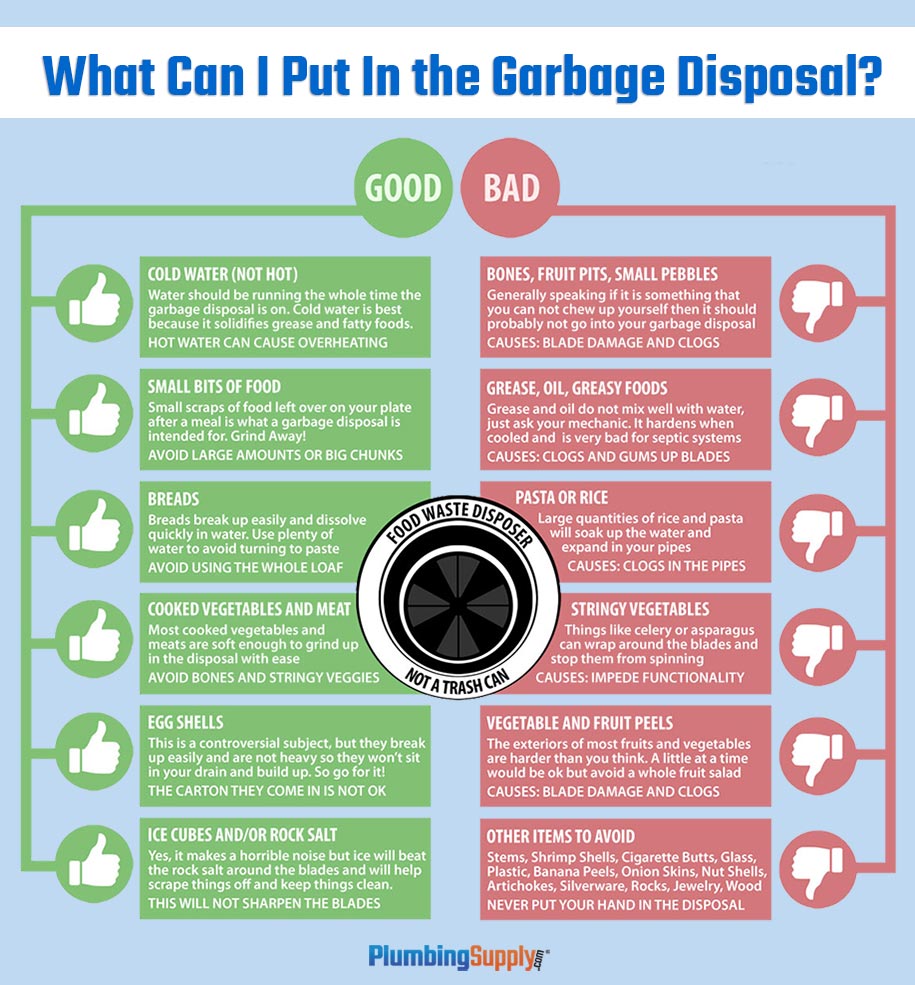
Credit: www.plumbingsupply.com
Preparing Your Garbage Disposal For Use
Before using your garbage disposal, take a few steps to make sure it’s ready and safe.
- Check the installation: Make sure the unit is properly attached under your sink. If you just moved in, look for leaks or loose connections.
- Know the power switch: Most disposals have a wall switch near the sink. Make sure you know which switch controls the disposal.
- Run water first: Always turn on cold water before starting the disposal. Cold water helps solidify fats and oils, so they don’t stick to pipes.
- Remove non-food items: Check the sink for utensils, sponges, or anything that shouldn’t go inside.
Tip: Never put your hand inside the disposal, even when it’s off. Use pliers or tongs to remove objects.
What Can And Cannot Go Down A Garbage Disposal
Not all food waste is safe for your garbage disposal. Some items can damage the blades, clog the pipes, or create bad smells.
Safe Items
- Small pieces of soft food scraps (vegetables, fruits, cooked pasta, rice)
- Eggshells (in small amounts)
- Small bones (chicken or fish, but only in heavy-duty units)
- Citrus peels (helps clean and freshen the unit)
- Coffee grounds (in moderation)
Unsafe Items
| Do Not Put In | Why |
|---|---|
| Grease, fat, or oil | Can harden and clog pipes |
| Fibrous veggies (celery, corn husks, onion skins) | Fibers wrap around impellers and jam the unit |
| Large bones or fruit pits | Too hard; can break the disposal |
| Pasta, rice, or bread (large amounts) | Expands with water, causing blockages |
| Potato peels | Starches create a paste that clogs pipes |
| Non-food items | Can damage or break the disposal |
Non-obvious insight: Even “safe” foods can cause problems if you put too much at once. Feed food scraps slowly, in small amounts.

Credit: www.bakerstreet.co
How To Use A Garbage Disposal: Step-by-step
Using your garbage disposal correctly can prevent most problems. Here’s the right way to do it:
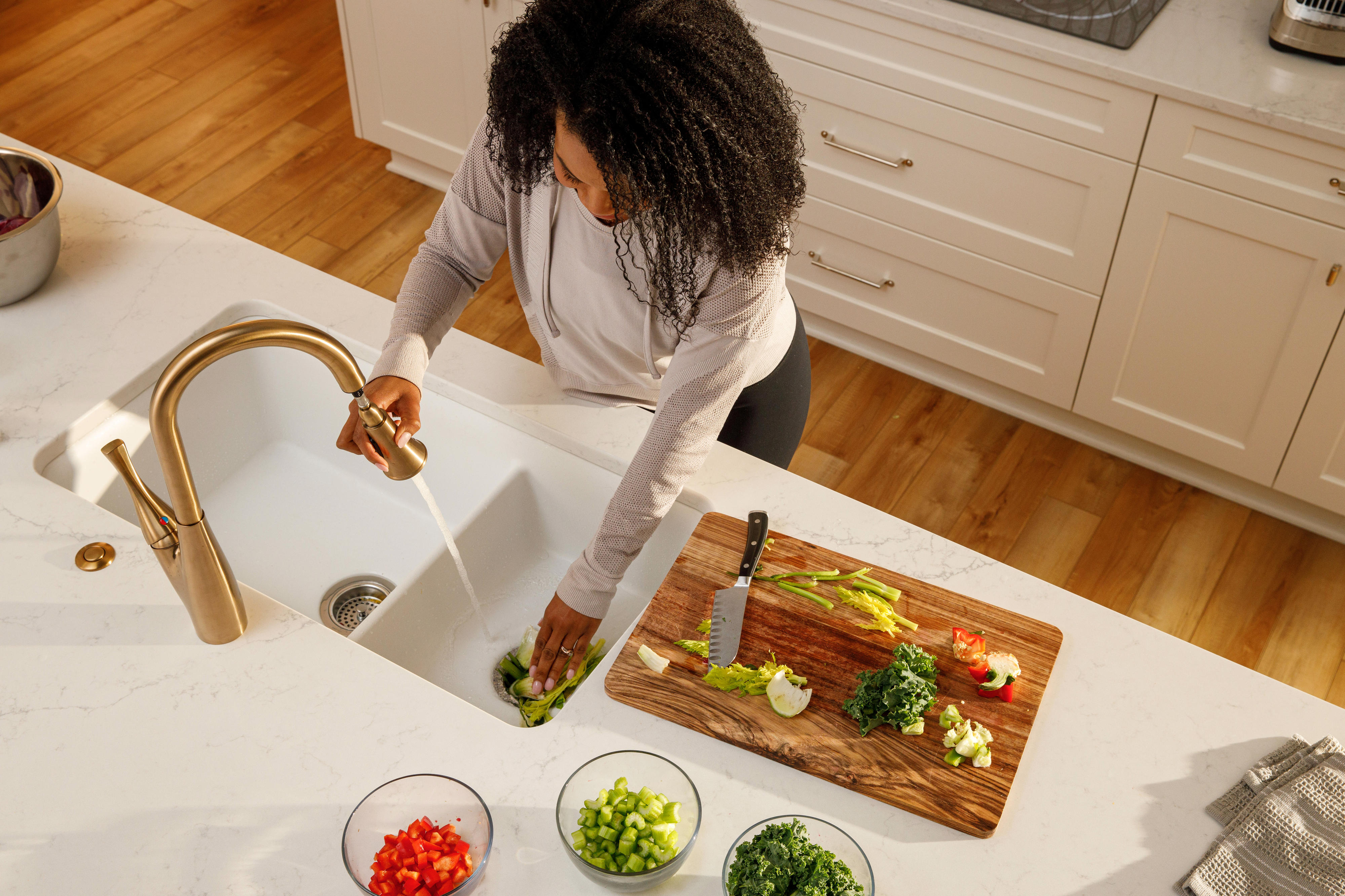
- Run cold water: Let the water flow for a few seconds before you turn on the disposal.
- Turn on the disposal: Use the wall switch. You will hear the motor start.
- Feed food scraps slowly: Place small amounts of food into the disposal. Do not shove everything at once.
- Keep water running: Let cold water flow the entire time you use the disposal.
- Let it run until clear: Wait until you hear the grinding sound change. When it sounds smooth, the food is gone.
- Turn off the disposal: Use the switch to stop the motor.
- Flush with water: Let cold water run for 15–20 seconds after turning off the disposal. This clears out remaining bits.
Practical tip: If you hear a loud noise or the motor stops, turn off the unit immediately. Check for objects with tongs.
Common Mistakes And How To Avoid Them
Many people make simple errors that shorten the life of their garbage disposal. Here are the most common mistakes and what to do instead:
- Using hot water: Hot water melts fat, which can coat the pipes and cause clogs. Always use cold water.
- Overloading: Dumping too much food in at once can jam the unit. Feed scraps gradually.
- Ignoring the sound: A high-pitched or loud noise can mean something is stuck. Stop and check before more damage happens.
- Not running water long enough: Water helps move waste through your pipes. Flushing after use prevents build-up.
- Forgetting regular cleaning: Food waste can collect and create odors or blockages if you don’t clean the disposal.
- Putting in wrong items: Items like glass, metal, or plastic can break the unit quickly.
Non-obvious insight: Even small bones or eggshells can dull the grinding ring over time. Use them for cleaning only, not every day.
Cleaning And Maintaining Your Garbage Disposal
Cleaning your garbage disposal keeps it smelling fresh and working well. Follow these steps to maintain your unit:
Weekly Cleaning
- Pour a mix of baking soda (half a cup) and vinegar (one cup) into the drain. Let it fizz for 5–10 minutes.
- Rinse with cold water while running the disposal for 30 seconds.
Monthly Deep Clean
- Freeze lemon slices or citrus peels in ice cubes. Grind them in the disposal to clean the blades and remove odors.
- For tough smells, use a handful of coarse salt with ice cubes. Run the unit with water. The salt scrubs the grinding chamber.
Regular Maintenance Tips
- Check for leaks under the sink every few months.
- Tighten loose connections with a wrench.
- Run the disposal at least every few days to prevent rust or corrosion.
Important: Never use harsh chemicals, bleach, or drain cleaners. These can damage the disposal and your pipes.
Dealing With Jams And Clogs
Even with good care, your garbage disposal can get jammed or clogged. Here’s how to fix common problems:
If The Disposal Will Not Turn On
- Check if it’s plugged in.
- Press the reset button (usually red) on the bottom of the unit.
- Check your circuit breaker if it still doesn’t work.
If The Disposal Hums But Doesn’t Grind
- Turn off the unit and unplug it.
- Use a hex key (Allen wrench) in the hole at the bottom. Turn it back and forth to free the jam.
- Use tongs to remove hard objects inside.
If Water Backs Up
- Use a plunger on the sink. Do not use chemicals.
- Check if the drain trap (the U-shaped pipe) is blocked and clean it out.
When To Call A Professional
- If you see leaks from the unit itself.
- If the motor will not run after resetting.
- If the grinding noise doesn’t stop after removing blockages.
Non-obvious insight: Most jams are caused by small utensils or hard foods. Always double-check the sink before turning on your disposal.
How To Extend The Life Of Your Garbage Disposal
A well-cared-for garbage disposal can last 8–15 years. Here’s how to keep yours running longer:
- Run it regularly: Even if you don’t cook much, run the disposal with water every few days. This prevents rust and keeps parts moving.
- Cut large items: Break up big food scraps before putting them in.
- Avoid harsh chemicals: Stick to baking soda, vinegar, or citrus for cleaning.
- Use lots of water: Water helps carry away particles and stops buildup.
- Listen for problems: If you hear unusual sounds, check for jams right away.
- Replace rubber splash guard: If it’s worn out, replace it to stop leaks and smells.
Comparing Garbage Disposal Brands And Models
If you are shopping for a new garbage disposal, compare the main features:
| Feature | Basic Model | Premium Model |
|---|---|---|
| Motor Power | 1/3 – 1/2 horsepower | 3/4 – 1 horsepower |
| Noise Level | Louder | Quieter (with insulation) |
| Grinding Chamber Size | Small | Large (holds more waste) |
| Material | Plastic/Aluminum | Stainless Steel |
| Price | $60–$120 | $180–$350 |
Tip: For large families or heavy use, a premium model with more power and a bigger chamber is best. For small households or light use, a basic model is enough.
Credit: www.insinkerator.com
Safety Tips For Garbage Disposal Use
Safety is very important when using a garbage disposal. Follow these rules every time:
- Never put your hand inside the disposal, even if it’s off.
- Use tongs or pliers to remove objects.
- Keep children away from the sink when running the disposal.
- Unplug the unit before doing any repairs.
- Check for leaks or loose wires regularly.
Non-obvious insight: The rubber splash guard not only keeps water in but also protects your fingers. Replace it if it gets damaged.
Saving Money And Energy With Your Garbage Disposal
Using a garbage disposal can save you money and reduce your home’s environmental impact.
- Reduces trash bags: Less food waste means you need fewer garbage bags.
- Lowers landfill waste: Food scraps in landfills produce methane, a harmful greenhouse gas.
- Uses little water and power: Most disposals use less than 1% of your household water and about 3–4 kWh of electricity per year (less than $1 in most areas).
Energy tip: Run the disposal only when needed, and avoid grinding large amounts at once to save power.
Environmental tip: Some cities turn food waste from disposals into biogas or compost. Check your local rules to see if disposals are encouraged.
Troubleshooting Common Issues
Here’s how to handle the problems most users face:
Disposal Smells Bad
- Grind lemon peels or pour baking soda down the drain, then rinse with cold water.
Disposal Is Leaking
- If water leaks from the top, the sink flange may need tightening or resealing.
- If leaking from the bottom, the unit’s internal seal may be broken—call a plumber.
Disposal Is Noisy
- Remove hard items like bones or utensils.
- Check for loose mounting screws or splash guards.
Unit Won’t Drain
- Use a plunger, not chemicals.
- Check and clean the P-trap under the sink.
Reset Button Keeps Tripping
- The motor may be overloaded or faulty. Try smaller amounts of food.
- If the problem repeats, call a repair technician.
For more on garbage disposal basics and troubleshooting, see the official guide from Family Handyman.
Frequently Asked Questions
What Should I Do If My Garbage Disposal Gets Stuck?
First, turn off the unit and unplug it. Use a flashlight to look inside. Remove visible objects with tongs or pliers. If the jam remains, use an Allen wrench in the bottom slot of the disposal to turn the blades and free the jam.
Never use your hands.
Can I Put All Food Scraps In The Garbage Disposal?
No. Avoid hard, fibrous, greasy, or starchy foods like bones, potato peels, celery, and grease. Only small, soft scraps in small amounts are safe. Large or hard items can jam or damage the disposal.
How Often Should I Clean My Garbage Disposal?
Clean it weekly with baking soda and vinegar, and do a deeper clean with ice and citrus peels once a month. Regular cleaning prevents smells and keeps the disposal working well.
Is It Safe For Septic Systems?
Some garbage disposals are designed for septic systems, but not all. Check your model’s manual. Too much food waste can upset your septic tank. If you have a septic system, use the disposal less often and avoid putting in large amounts of food.
Why Does My Garbage Disposal Smell Bad, And How Do I Fix It?
Bad smells come from trapped food particles. Clean the unit with baking soda and vinegar, or grind lemon peels with ice cubes. If the odor continues, clean the splash guard and check for clogs in the pipes.
Using a garbage disposal makes kitchen cleanup fast and simple—if you use it the right way. Knowing what can go in, how to keep it clean, and how to fix small problems will save you time, money, and stress. With these tips, your garbage disposal will stay safe, fresh, and ready to help after every meal.