Using a sous vide cooker can completely change how you cook at home. Food cooked sous vide turns out juicy, tender, and full of flavor, every time. Yet, if you’re new to this method, it may look complicated. In reality, it’s easy once you learn the basics. This guide will walk you through everything you need to know to use a sous vide cooker confidently, from setup to practical tips, and even how to avoid common mistakes.
What Is Sous Vide Cooking?
Sous vide (pronounced “soo-veed”) is a French term that means “under vacuum.” The method involves sealing food in a bag and cooking it in a water bath at a precise, controlled temperature. This technique gives you exact doneness, prevents overcooking, and preserves flavors better than most traditional cooking methods.
Many professional chefs use sous vide for steak, fish, eggs, vegetables, and more. But thanks to home sous vide cookers, anyone can now use this powerful technique in their kitchen.
How A Sous Vide Cooker Works
A sous vide cooker is a small device you clip to the side of a pot or container. It heats the water to a set temperature and circulates it, so the temperature stays even throughout the bath. This slow, gentle cooking means your food cooks perfectly edge-to-edge, with no dry or burnt spots.
Key Components
- Heating element: Raises water to the exact temperature.
- Water circulator: Moves water for even heat.
- Digital controls: Lets you set the temperature and time.
- Clamp or clip: Holds the cooker on your container.
Some models have Wi-Fi or Bluetooth, so you can control them with your phone.
Why Use Sous Vide?
Sous vide has several advantages:
- Precision: You control the exact doneness. For example, a medium-rare steak at 130°F (54.4°C) every time.
- Consistency: No more guessing if your chicken is done. Results don’t change from meal to meal.
- Juiciness and flavor: Food cooks in its juices, so nothing dries out.
- Convenience: Start the bath, walk away, and come back when it’s ready.
One non-obvious benefit: batch cooking. You can cook several portions at once, then chill and reheat as needed.
What You Need To Get Started
You don’t need a lot of special gear to cook sous vide at home. Here’s what you’ll need:
Essential Equipment
- Sous vide cooker (immersion circulator)
- Large pot or heat-safe container
- Sealable plastic bags (zip-top or vacuum-sealed)
- Clips (to hold bags down)
Optional Tools
- Vacuum sealer: Removes all air for best results.
- Ping pong balls or lid: Reduces water evaporation for long cooks.
- Cast iron pan: For searing meat after sous vide.
If you’re just starting out, zip-top bags work fine for most foods. Try to get bags marked “BPA-free” and “sous vide safe. ”
How To Use A Sous Vide Cooker: Step-by-step
1. Prepare Your Food
Season your food as you like. Even simple salt and pepper work well. Place the food in a sealable bag. If you want, add herbs, spices, lemon slices, or a little oil for extra flavor.
For meats, you can marinate before sealing. For vegetables, cut them into equal pieces to cook evenly.
2. Seal The Bag
Vacuum sealers remove all air from the bag, but you can use the “water displacement” method if you don’t have one:
- Place your food in a zip-top bag.
- Slowly lower the bag into water, letting the pressure push out air.
- Seal the bag just before it’s fully submerged.
Removing air prevents the bag from floating and ensures even cooking.
3. Set Up The Water Bath
Fill your pot or container with water. Attach your sous vide cooker to the side, making sure the water level is between the “min” and “max” lines on the device. Too little water can trigger safety shut-off; too much may spill over.
4. Set The Temperature And Time
Use the cooker’s controls to set your desired temperature and cooking time. Here are some popular sous vide temperatures:
| Food | Temperature (°F) | Time |
|---|---|---|
| Steak (medium-rare) | 129–134 | 1–4 hours |
| Chicken breast | 140–150 | 1–2 hours |
| Salmon | 120–130 | 30–45 min |
| Eggs (soft) | 145 | 45 min |
| Carrots | 183 | 1–1.5 hours |
Always check a trusted source for the right time and temperature for your food.
5. Submerge The Bag
Once the water reaches the target temperature, place the sealed bag in the bath. Use clips to keep the bag from floating. For longer cooks, cover the bath with a lid or wrap to reduce water loss.
6. Wait For The Food To Cook
This is the easiest part. The sous vide cooker does all the work. You can leave the bath unattended—just make sure the water doesn’t evaporate below the “min” line.
Most sous vide recipes have a range of cooking times. Food won’t overcook if you leave it in a bit longer.
7. Finishing Touches: Sear, Serve, Or Store
Sous vide gives food great texture and flavor, but meats may look pale when they come out of the bag. To get a browned, crispy surface, use one of these methods:
- Sear in a hot pan (cast iron works best)
- Grill for 1–2 minutes per side
- Broil under high heat
Pat food dry before searing for best results. For vegetables, a little butter in a hot pan brings out color and flavor.
If you don’t want to eat right away, chill the bagged food in an ice bath, then store in the fridge or freezer.
Sample Sous Vide Cooking Process
Let’s look at a real example: Sous Vide Chicken Breast.
- Season chicken breast with salt, pepper, and herbs.
- Seal in a bag using the water displacement method.
- Heat water to 145°F (63°C).
- Submerge the bag and cook for 1.5 hours.
- Remove chicken, pat dry, and sear quickly in a hot pan for color.
- Slice and serve. The chicken will be juicy and cooked through—never dry.
Choosing The Right Sous Vide Cooker
There are many brands and models to choose from. Here’s a quick comparison of three popular sous vide cookers:
| Brand/Model | Max Power (Watts) | App Control | Price Range (USD) |
|---|---|---|---|
| Anova Precision | 1000 | Yes (Wi-Fi/Bluetooth) | 150–200 |
| Breville Joule | 1100 | Yes (App only) | 200–250 |
| Inkbird ISV-100W | 1000 | Yes (Bluetooth) | 80–120 |
Power: Higher wattage means water heats up faster.
App control: Handy for remote monitoring, but not essential.
Price: Entry-level models start around $70; premium ones can cost $250 or more.
Common Mistakes To Avoid
Even though sous vide is simple, there are a few pitfalls beginners often face:
- Not sealing bags well: Air in the bag means uneven cooking. Always press out air as much as possible.
- Setting water too low or high: Precision matters. Double-check the recipe’s temperature and time.
- Skipping the sear: Most meats need a quick sear after sous vide. Otherwise, they’ll look gray and taste bland.
- Letting water evaporate: For long cooks, always cover the container.
- Using thin plastic bags: Thin bags can break or leak at high temperatures. Use sturdy, food-safe bags labeled for sous vide.
A small but important detail: always check that the bag’s seal is above water. If not, water can leak in and ruin the food.

Credit: www.youtube.com
Advanced Tips For Better Results
Once you’re comfortable with the basics, try these tips:
- Infuse flavor: Add fresh herbs, citrus zest, or garlic to the bag.
- Double-bag for safety: For long or high-temp cooks, use two bags to prevent leaks.
- Batch cooking: Cook several portions at once, chill in ice water, and store. Reheat in the sous vide bath for perfect leftovers.
- Try custards and desserts: Sous vide makes silky yogurt, flan, and even cheesecake.
One insight many miss: Sous vide is perfect for meal prep. You can cook proteins for the week in one session, then finish them as needed.
Food Safety With Sous Vide
Sous vide is safe if you follow basic rules:
- Keep food sealed: Prevents contamination.
- Cook at safe temperatures: Most bacteria die at 130°F (54°C) if cooked long enough.
- Don’t leave food in the “danger zone” (40–130°F/4–54°C) for too long.
- Chill quickly: If not eating right away, cool food in ice water before refrigeration.
For more on safety, see the USDA’s guide to safe food handling.
:max_bytes(150000):strip_icc()/tattoo-chef-cooking-sous-vide-FT-BLOG0617-1a5e085e14424d47947051f4e7921f4a.jpg)
Credit: www.foodandwine.com
Cleaning And Maintenance
Proper care keeps your sous vide cooker working well:
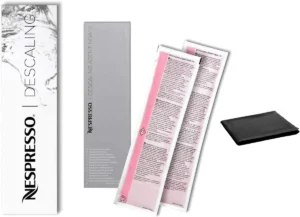
- Descale regularly: If you see mineral buildup, run a bath with vinegar and water.
- Clean the circulator: Wipe down the exterior after each use.
- Check the pump: Make sure nothing blocks the water flow.
Let the device cool before cleaning. Store in a dry place.
When Not To Use Sous Vide
While sous vide is great for many foods, it’s not always the best choice:
- Delicate fish: Some fish can fall apart. Try with firmer types first.
- Crispy foods: Sous vide can’t crisp skin or fry foods. You’ll need to finish with a hot pan or oven.
- Fast meals: Some meals are faster with traditional cooking.
Frequently Asked Questions
What Foods Are Best For Sous Vide?
Sous vide is great for steaks, chicken breast, fish, eggs, and vegetables. It’s also used for custards, yogurt, and even cocktails.
Can I Use Regular Plastic Bags For Sous Vide?
You can use BPA-free zip-top bags for most foods, especially at lower temperatures. For high-heat or long cooks, vacuum-sealed bags are safer.
How Do I Reheat Food With Sous Vide?
Place the sealed bag with cooked food in a water bath set to the original cooking temperature. Heat until warmed through—usually 30–60 minutes depending on size.
Is It Safe To Leave Sous Vide Cooking Overnight?
Yes, as long as you have enough water and cover the container to prevent evaporation. Make sure your cooker is in good condition and follow safety guidelines.
Do I Need To Sear Food After Sous Vide?
Searing is not required, but it adds color and flavor to meats. Use a hot pan, grill, or broiler for 1–2 minutes per side.
Cooking with a sous vide cooker is a simple way to get professional results at home. With a little practice, you’ll enjoy juicy, flavorful meals that are hard to match by other methods. The precision, flexibility, and taste make sous vide a smart choice for both beginners and experienced cooks. Try it once, and you may never want to cook steak or chicken another way again.