Skip to content
Making coffee at home is a daily ritual for millions. But using a coffee maker is not always as simple as pushing a button. Whether you want a quick morning cup or a rich brew for guests, knowing how to use your coffee maker well can make all the difference. Today, coffee makers come in many styles—drip, pod, French press, and even cold brew machines. Each offers unique features, but the basic steps to making good coffee remain similar. In this guide, you’ll learn how to use a coffee maker correctly, avoid common mistakes, and get the best flavor every time. You’ll also find tips for cleaning, troubleshooting, and choosing the right coffee maker for your needs. By the end, making great coffee at home will feel simple and rewarding.
Understanding Coffee Maker Types
Before you start, it’s important to know which coffee maker you have. Here are the most common types and how they differ:
| Type | How It Works | Popular Brands |
|---|---|---|
| Drip Coffee Maker | Hot water drips through ground coffee, then collects in a carafe. | Mr. Coffee, Cuisinart, Hamilton Beach |
| Single-Serve Pod | Uses pre-packed pods or capsules for quick brewing. | Keurig, Nespresso |
| French Press | Steeps coffee grounds in hot water, then filters with a plunger. | Bodum, SterlingPro |
| Espresso Machine | Pressurizes water through fine grounds for concentrated coffee. | Breville, DeLonghi |
| Cold Brew Maker | Steeps coffee in cold water for many hours. | Takeya, OXO |
Each type needs a different method. For most people, the drip coffee maker is the most common. If you use a single-serve pod or French press, the steps will be slightly different, but the basics are similar.
Setting Up Your Coffee Maker
Getting your coffee maker ready is the first step. Many beginners forget these easy but important points:
- Clean the machine before use. Dust, leftover oils, or minerals can ruin the flavor. Run a cycle of plain water if you haven’t used it in a while.
- Check the filter. Some coffee makers use paper filters; others have permanent mesh filters. Make sure it’s placed correctly.
- Fill the water reservoir. Use cold, fresh water. Filtered water is better for taste and for avoiding mineral buildup.
- Measure coffee grounds. Use the right amount for your machine and taste. Most drip makers need about 1–2 tablespoons of ground coffee per 6 ounces of water.
- Plug in and set up. Ensure the machine is on a stable surface and plugged in safely.
These steps help your machine work well and improve the taste.
Choosing Coffee And Grind Size
The type of coffee and grind size matter more than most beginners realize. If you use the wrong grind, your coffee can taste bitter or weak.
Coffee Types
- Arabica beans: Smooth, mild, often sweeter.
- Robusta beans: Stronger, more bitter, higher caffeine.
Arabica is usually preferred for home brewing. Choose whole beans for freshness and grind just before brewing.
Grind Size
The grind size depends on your coffee maker:
| Maker Type | Best Grind Size | Result |
|---|---|---|
| Drip Coffee Maker | Medium | Balanced extraction |
| French Press | Coarse | Less bitterness |
| Espresso Machine | Fine | Strong flavor |
| Pod Maker | Pre-ground/pod | Consistent taste |
| Cold Brew | Extra coarse | Smooth, less acidic |
Using the right grind ensures you extract the best flavor. If the grind is too fine for your machine, the coffee can be muddy or bitter. If it’s too coarse, the taste will be weak.
Step-by-step: Using A Drip Coffee Maker
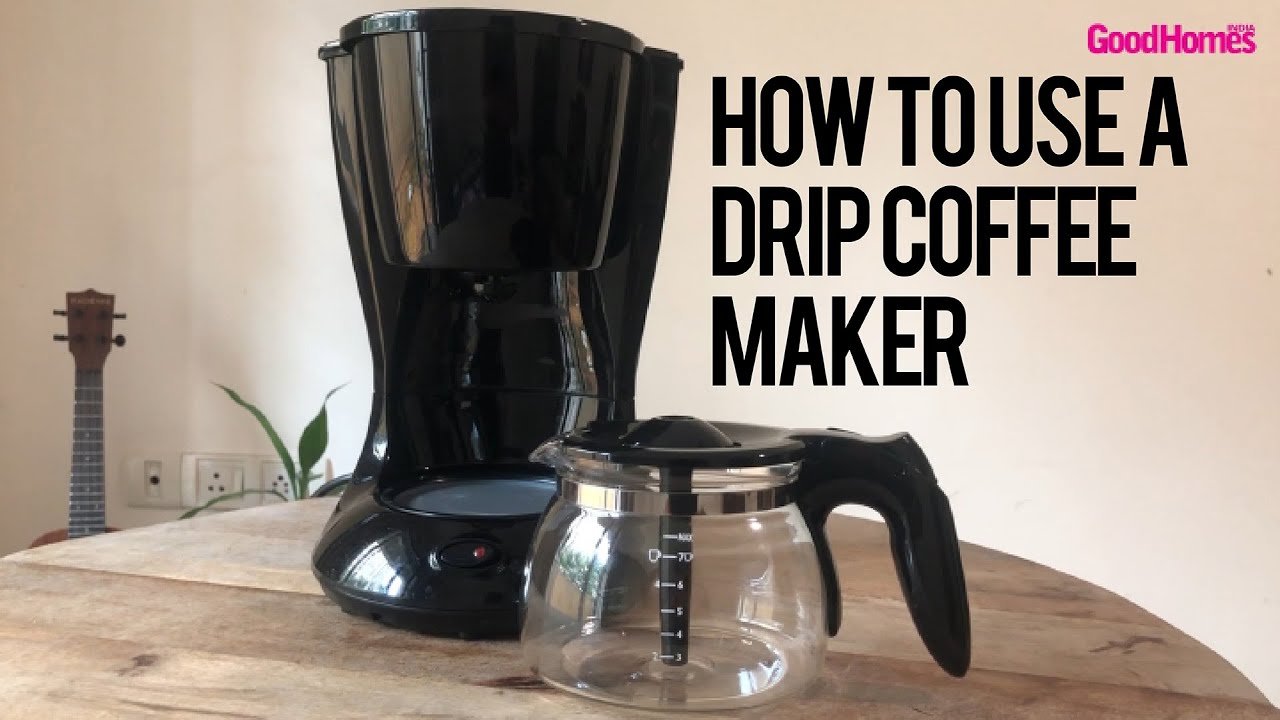
Most people use a drip coffee maker. Here’s how to get a perfect cup every time:
- Insert the filter. Place a paper or mesh filter into the basket.
- Add coffee grounds. Measure one to two tablespoons per 6-ounce cup. Place grounds in the filter.
- Fill with water. Pour fresh, cold water into the reservoir. Match the amount to the number of cups you want.
- Turn on the machine. Press the power button or switch.
- Let it brew. Wait for the cycle to finish. The carafe will fill slowly.
- Serve and enjoy. Pour your coffee and add milk, sugar, or flavors as you like.
Practical Example
If you want to make four cups, use about 8 tablespoons of ground coffee and 24 ounces of water. Adjust to taste.
Common Mistakes
- Using old coffee grounds
- Forgetting to place the filter
- Overfilling the water reservoir
- Not cleaning the machine regularly
Avoiding these mistakes can greatly improve your coffee.
Using A Single-serve Pod Coffee Maker
Pod machines are easy but need careful use for the best taste:
- Open the pod holder. Insert a coffee pod or capsule.
- Fill the water tank. Add fresh water, not over the maximum line.
- Select cup size. Most machines let you choose.
- Press brew. The machine will pierce the pod and run hot water through it.
- Wait and serve. The coffee dispenses directly into your cup.
Tips For Pod Machines
- Use filtered water for best taste.
- Clean the pod holder often to avoid buildup.
- Experiment with cup size to find your preferred strength.
Making Coffee With A French Press
A French press is popular for rich, full-bodied coffee. Here’s how:
- Add coffee grounds. Use coarse ground coffee, about 1 tablespoon per 4-ounce cup.
- Boil water. Let it cool for one minute after boiling.
- Pour water. Add water to the press, stir gently.
- Place the lid. Let coffee steep for 4 minutes.
- Press slowly. Push the plunger down slowly.
- Serve. Pour coffee directly.
Practical Example
To make two cups, use two tablespoons of coffee and 8 ounces of water.
Non-obvious Insight
Many beginners press too fast, which can cause grounds to escape. A slow, steady press gives clearer coffee.
Making Espresso At Home
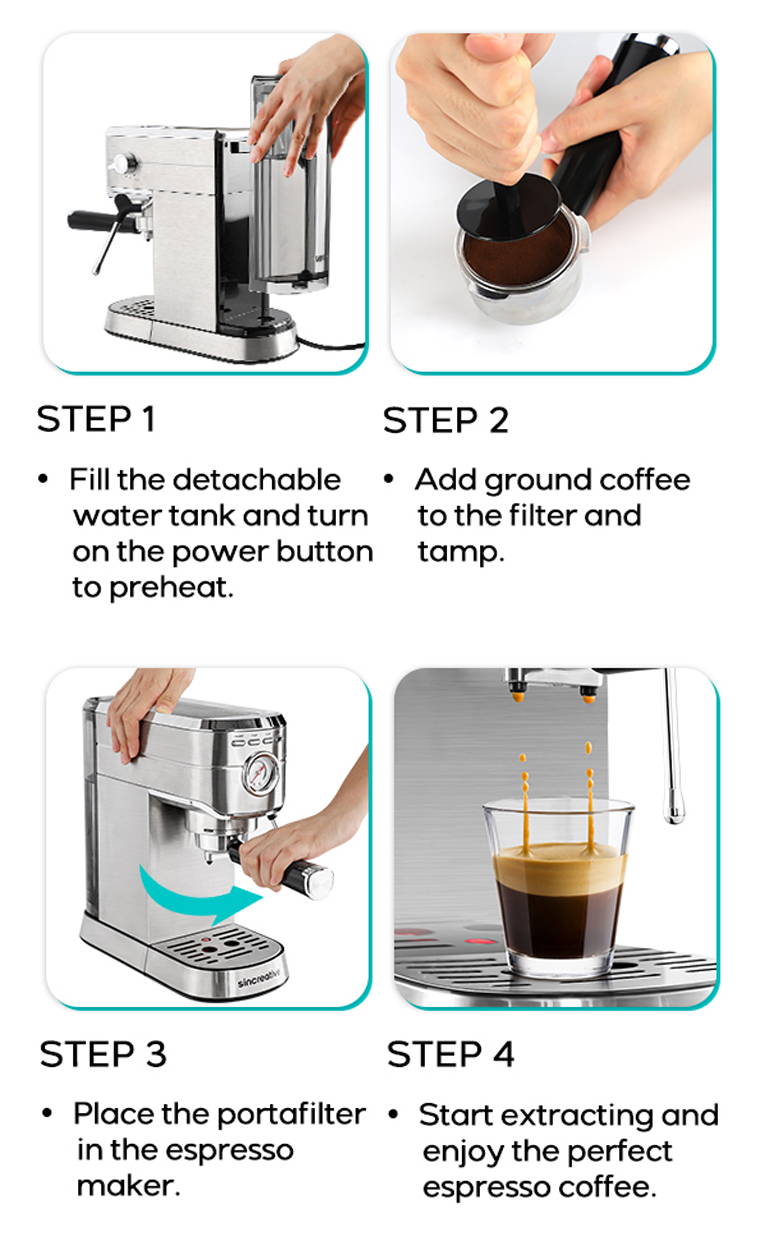
Espresso machines are more complex but offer strong, concentrated coffee. The steps:
- Fill the portafilter. Use fine ground coffee, tamp it down firmly.
- Lock the portafilter. Attach it to the machine.
- Add water. Fill the reservoir.
- Start brewing. Press the button or switch.
- Wait 20–30 seconds. Espresso should pour with a creamy layer (crema).
- Serve. Drink as-is or use for drinks like cappuccino.
Common Mistakes
- Using too coarse grind (results in weak espresso)
- Not tamping grounds enough (leaks, weak crema)
- Using cold cups (espresso cools too fast)
Espresso requires practice, but the reward is a strong, aromatic coffee.
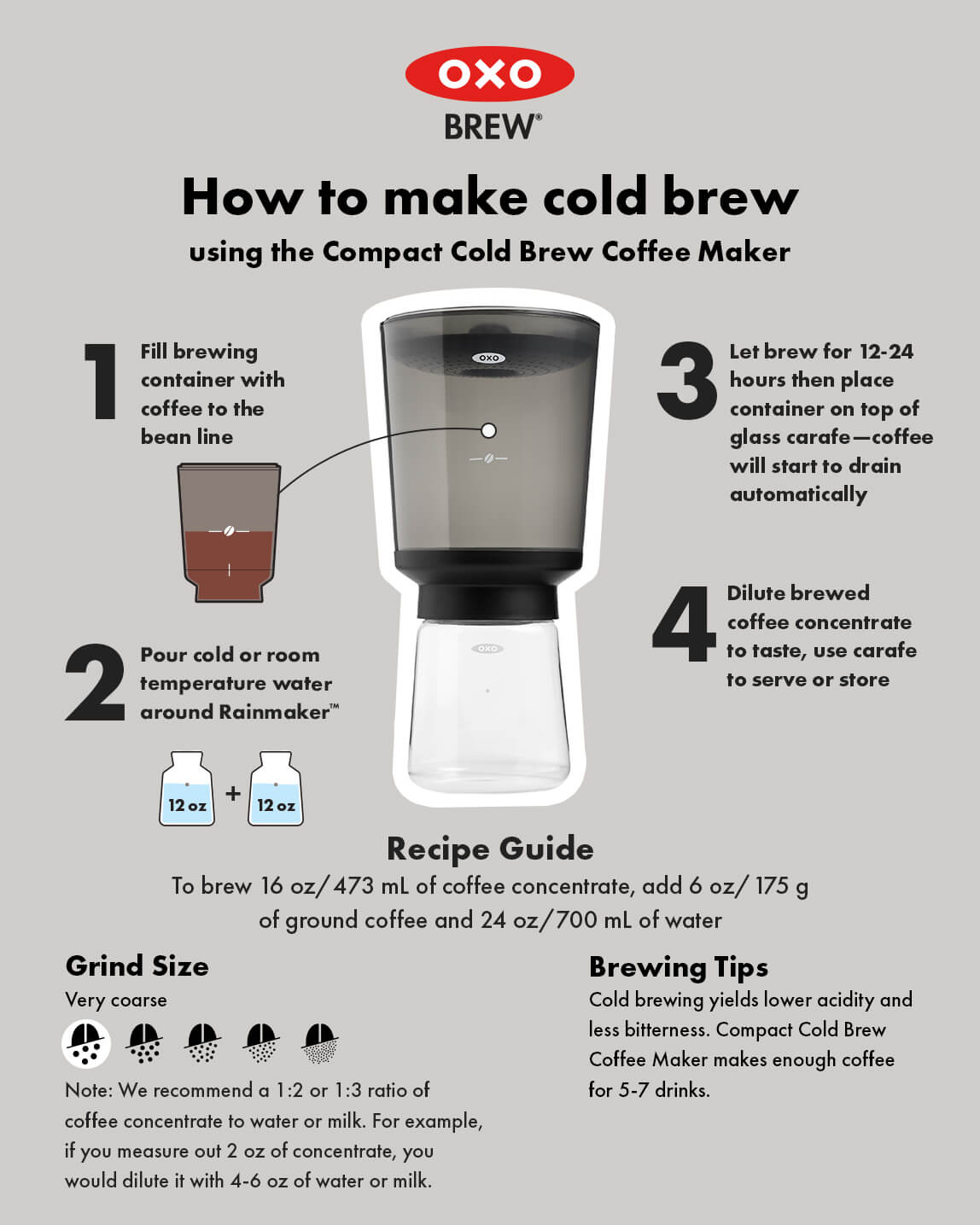
Making Cold Brew Coffee
Cold brew is smooth and less acidic. It takes longer but is simple:
- Add coarse coffee grounds. Use about 1 cup of grounds per 4 cups of water.
- Mix with cold water. Stir gently.
- Steep for 12–24 hours. Cover and refrigerate.
- Filter the coffee. Use a mesh or paper filter.
- Serve. Pour over ice, add milk or syrup.
Practical Example
For a pitcher, use 1 cup of grounds and 4 cups of water.
Non-obvious Insight
Steeping too long makes the coffee bitter. Taste after 12 hours and adjust as needed.
Water Quality And Temperature
The water you use affects flavor and machine life. Here’s what matters:
- Filtered water is best. Tap water can have minerals or chlorine that change taste.
- Temperature should be 195–205°F (90–96°C). Too cold = weak coffee. Too hot = bitter coffee.
- Many machines heat water automatically, but French press and pour-over need manual heating.
Data Example
According to the National Coffee Association, water temperature below 190°F can reduce extraction by up to 30%, making coffee weak and watery.
Cleaning And Maintenance
A clean coffee maker makes better coffee and lasts longer. Here’s how:
- Daily cleaning: Empty grounds, wash carafe and filter basket with soap and water.
- Weekly cleaning: Remove buildup from filters and water reservoir.
- Monthly deep cleaning: Run a cycle with vinegar and water (1:1 ratio), then rinse with water.
Common Mistakes
- Ignoring water reservoir cleaning (bacteria can grow)
- Forgetting to rinse after vinegar cleaning (leaves taste)
- Not replacing filters regularly
Proper cleaning avoids bad flavors and keeps your machine working.
Troubleshooting Coffee Maker Problems
Even the best machines can have issues. Here’s how to fix common problems:
Coffee Tastes Bad
- Check if coffee is old or stale
- Clean the machine
- Use filtered water
Machine Leaks
- Check the water reservoir placement
- Inspect seals and gaskets for damage
Coffee Is Too Weak Or Strong
- Adjust coffee-to-water ratio
- Change grind size
- Try different brands
Machine Not Brewing
- Check power cord and outlet
- Remove blockages in filter basket
Comparing Coffee Makers: Which Is Right For You?
Choosing the best coffee maker depends on your needs and budget. Here’s a quick comparison:
| Type | Brewing Time | Flavor Quality | Price Range | Ease of Use |
|---|---|---|---|---|
| Drip Coffee Maker | 5–10 min | Good | $20–$150 | Easy |
| Single-Serve Pod | 2–3 min | Consistent | $40–$200 | Very easy |
| French Press | 4–5 min | Rich | $15–$60 | Moderate |
| Espresso Machine | 1–2 min | Excellent | $100–$700 | Challenging |
| Cold Brew Maker | 12–24 hrs | Smooth | $20–$80 | Easy |
If you want speed and ease, choose a pod machine. For rich flavor, try a French press. If you love strong coffee, an espresso machine is best, but it takes practice.
Credit: www.oxo.com
Getting The Best Flavor: Tips And Tricks
Simple changes can make your coffee much better. Try these:
- Use fresh coffee. Coffee loses flavor quickly. Buy smaller amounts and use within two weeks.
- Adjust ratios. Experiment with coffee-to-water ratios until you find your favorite strength.
- Warm your cup. Pour hot water into your cup before brewing, then discard. It keeps coffee hot longer.
- Grind just before brewing. Pre-ground coffee loses aroma. Use a grinder if possible.
- Try different beans. Each origin and roast has unique flavors—explore and discover what you like.
Non-obvious Insight
Even small changes in water temperature or grind size can change flavor. If your coffee tastes “off,” adjust one factor at a time.
Eco-friendly Coffee Maker Use
Coffee can be wasteful if you’re not careful. Here’s how to reduce impact:
- Use reusable filters instead of paper ones.
- Compost used coffee grounds—they’re great for gardens.
- Choose machines with auto-off features to save energy.
- Buy coffee beans with sustainable certifications (like Fair Trade).
Many people throw away used grounds, but they can be used for plants or even as natural deodorizer.
Safety Tips For Coffee Maker Use
Safety matters, especially with hot water and electricity:
- Place your coffee maker on a flat, dry surface.
- Don’t overfill the water reservoir—spills can cause shorts.
- Unplug the machine before cleaning.
- Keep away from children and pets.
- Check cords and plugs regularly for damage.
Many accidents happen when people rush or forget to unplug the machine. Take a few seconds for safety.
Common Mistakes Beginners Make
Even experienced coffee lovers make mistakes. Here are some to avoid:
- Using too much or too little coffee: Measure carefully.
- Ignoring grind size: Use the correct grind for your machine.
- Skipping cleaning: Dirty machines make bitter coffee.
- Using old coffee: Buy fresh, store in airtight containers.
- Not reading the manual: Each machine has unique features. Learn them.
Mistakes are common, but fixing them improves your coffee quickly.
Credit: www.youtube.com
How To Store Coffee Properly
Storing coffee right keeps it fresh and flavorful. Here’s how:
- Use airtight containers.
- Keep coffee away from light, heat, and moisture.
- Don’t store coffee in the fridge; humidity can ruin it.
- Use beans within two weeks for best flavor.
Many people think freezing coffee is best, but it’s not. Freezing can cause moisture and flavor loss.
Advanced Tips: Customizing Your Brew
Once you’re comfortable, try these advanced options:
- Add spices: Cinnamon, nutmeg, or cardamom can add unique flavors.
- Experiment with milk: Try oat, almond, or soy milk for different textures.
- Use flavored syrups: Vanilla or caramel syrups make coffee sweeter.
- Try iced coffee: Brew hot, then pour over ice for a refreshing drink.
Customizing your coffee is fun and makes your daily routine more enjoyable.
Recommended Resources
For more details on coffee types and brewing methods, visit the National Coffee Association. Their site offers guides and research on coffee brewing.
Frequently Asked Questions
How Much Coffee Should I Use For A Drip Coffee Maker?
Use about 1–2 tablespoons of ground coffee per 6 ounces of water. Adjust the amount based on how strong you like your coffee.
Can I Use Regular Coffee In A Single-serve Pod Machine?
No, you need pods or capsules made for your machine. Some machines offer reusable pods, but always check your model’s instructions.
What Is The Best Way To Clean A Coffee Maker?
Run a cycle with vinegar and water once a month, then rinse with clean water. Daily, wash the carafe and filter basket with soap.
Why Does My Coffee Taste Bitter?
Bitterness can come from over-extraction, too fine grind, or old coffee. Try using coarser grounds, fresher coffee, or adjusting your brew time.
How Long Does Brewed Coffee Stay Fresh?
Coffee is best immediately after brewing. It can stay drinkable for up to two hours in a carafe, but flavor fades quickly.
Making coffee at home is simple once you know your machine, beans, and water. By following these steps, you get great flavor, save money, and enjoy the process. Remember, small changes make a big difference. Try new beans, adjust your grind, and keep your machine clean.
Soon, you’ll be making coffee just as good as your favorite café.
Credit: www.casabrews.com