A convection microwave oven is one of the most versatile kitchen appliances you can own. It combines the features of a regular microwave with the added benefit of convection heating, which means you can reheat, bake, roast, grill, and more—all in one device.
Many people feel unsure about using all the functions, but with the right approach, a convection microwave can make cooking easier, faster, and more enjoyable. This guide will show you how to use a convection microwave oven confidently, covering everything from basic usage to advanced tips and common mistakes.
Understanding Convection Microwave Ovens
A convection microwave oven is different from a standard microwave. It uses both microwave energy and convection heat. The microwave function heats food quickly by exciting water molecules inside the food. The convection mode uses a fan and a heating element to circulate hot air, allowing you to bake, brown, or crisp foods—something a regular microwave cannot do.
How Convection Microwave Ovens Work
When you use the convection mode, the oven’s heating element warms up the air. A fan circulates this hot air around the food, making cooking more even. This is why convection microwaves can bake cakes or roast chicken with a crispy skin, unlike traditional microwaves that usually leave food soft or soggy.
Common Features And Settings
Most convection microwaves come with these settings:
- Microwave mode (for reheating, cooking, defrosting)
- Convection mode (for baking, roasting, crisping)
- Grill mode (for browning or crisping the top of foods)
- Combination mode (uses microwave and convection or grill together for speed and browning)
Understanding when to use each mode is the first step to making the most of your appliance.
Getting Started: First Steps
Before using your convection microwave oven, it’s important to read the user manual. Each model has its own features and safety guidelines. However, some steps are universal.
Initial Setup
- Position the Oven: Place the oven on a flat, stable surface with space around it for ventilation. Avoid crowded countertops.
- Power Connection: Use a dedicated power outlet. Do not use extension cords, as convection microwaves draw more power than regular microwaves.
- Cleaning: Wipe the inside with a damp cloth before first use to remove any dust or packing residue.
- Accessories: Familiarize yourself with the racks, turntable, and trays that come with your model. Only use accessories marked as microwave- and oven-safe.
Essential Accessories
Many convection microwaves come with:
- Glass turntable (for even cooking in microwave mode)
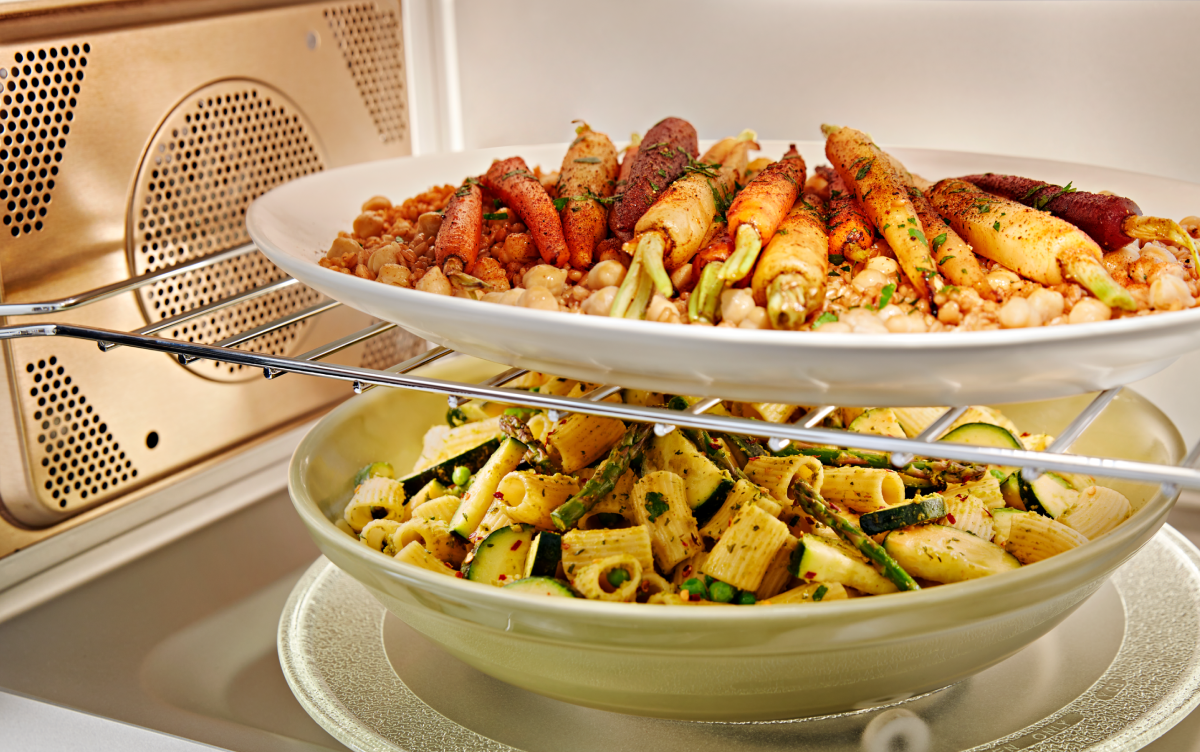
- Metal rack (for baking and grilling in convection/grill modes)
- Baking tray (for cookies, pizzas, etc.)
Never use metal objects in pure microwave mode, as this can cause sparks or damage.
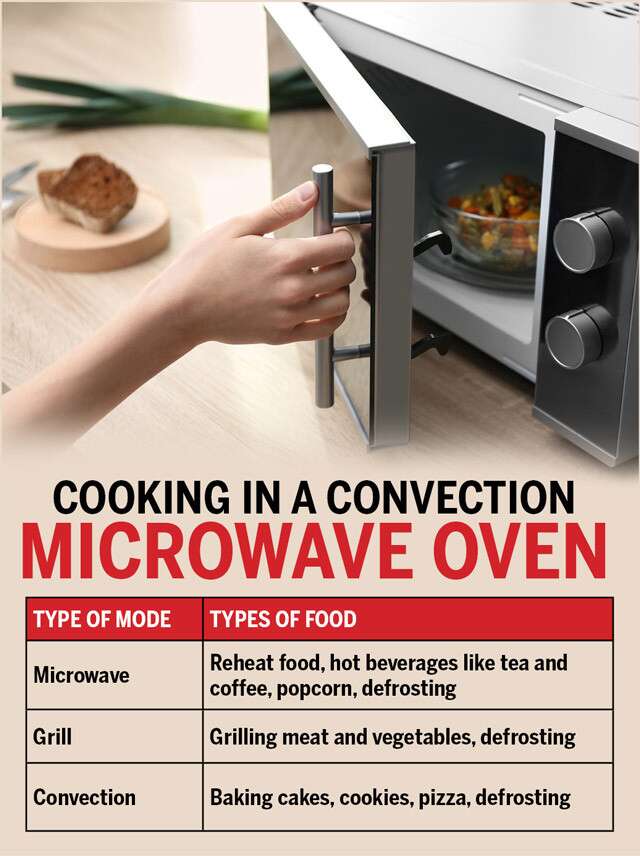
Credit: www.femina.in
Cooking Modes Explained
To use a convection microwave oven well, you need to understand when to use each cooking mode.
Microwave Mode
This is ideal for:
- Reheating leftovers
- Cooking vegetables quickly
- Defrosting frozen foods
Microwave mode works just like a regular microwave, using electromagnetic waves to heat food from the inside out.
Convection Mode
Convection mode is perfect for:
- Baking cakes, cookies, and bread
- Roasting meats and vegetables
- Crisping pizza or pies
Preheating is usually required in convection mode, just like a traditional oven.
Grill Mode
Use grill mode when you want a crispy or browned surface, such as:
- Toasting bread
- Browning cheese toppings
- Grilling fish or meat pieces
Some ovens allow you to use grill and microwave together for faster results with crispy surfaces.
Combination Mode
Combination mode uses microwave power plus convection or grill. It’s best for:
- Cooking large meat cuts quickly
- Baking casseroles with a browned top
- Preparing dishes that need both cooking through and crisping
This mode saves time and gives better texture.
Setting Temperatures And Times
Getting the correct temperature and time is key to good results. For most recipes:
- Use microwave mode for 1–10 minutes depending on the dish and quantity
- In convection mode, typical baking temperatures range from 325°F (165°C) to 425°F (220°C)
- Grill mode usually works at 400°F (205°C) or higher
Check your recipe’s recommendations, but always monitor food during the first few tries—convection microwaves can cook faster than traditional ovens.
Example: Baking A Cake
- Preheat the oven to 350°F (175°C) in convection mode.
- Place the cake batter in an oven-safe pan on the metal rack.
- Bake for 25–30 minutes, but check after 20 minutes—cakes often cook faster due to the fan.

Credit: medium.com
Using Preset Functions
Most convection microwaves have preset functions for common foods like pizza, popcorn, potatoes, or chicken. These settings automatically select the power and time.
- For best results, use the presets for foods they were designed for.
- If you want more control, use the manual settings.
Choosing Cookware And Utensils
Not all dishes are safe for every cooking mode in a convection microwave.
Safe Cookware
- Microwave mode: Only use glass, ceramic, or microwave-safe plastics. No metal.
- Convection or grill mode: Use metal trays, baking pans, or oven-safe glass/ceramic.
- Combination mode: Use oven-safe glass or special combination-safe cookware.
Unsafe Materials
- Never use metal in microwave-only mode.
- Avoid plastic in convection or grill modes; it can melt.
- Do not use paper or Styrofoam unless labeled as safe for the oven.
Quick Cookware Comparison
| Cookware Material | Microwave Mode | Convection/Grill Mode | Combination Mode |
|---|---|---|---|
| Glass (Oven-Safe) | Yes | Yes | Yes |
| Ceramic | Yes | Yes | Yes |
| Metal | No | Yes | Sometimes* |
| Plastic (Microwave-Safe) | Yes | No | No |
| Paper | Yes | No | No |
*Check your oven’s manual for combination mode with metal.
Baking, Roasting, And Grilling: Step-by-step
Let’s look at how to use the main cooking methods in detail.
Baking
- Preheat the oven using convection mode to the required temperature.
- Grease or line your baking dish.
- Place food on the metal rack, so hot air can circulate.
- Set the timer. Monitor for even browning.
- Use oven mitts to remove hot dishes.
Tip: Cakes, cookies, and bread bake faster in a convection microwave. Check for doneness 5–10 minutes early.
Roasting
- Marinate or season meat/vegetables as desired.
- Preheat to 400°F (205°C) in convection mode.
- Place food on a rack or tray for air circulation.
- Roast, turning once for even cooking.
- Use a food thermometer to check meat is fully cooked.
Non-obvious Insight: Roasting vegetables in a convection microwave gives a crisper texture than in a regular microwave, thanks to the hot air movement.
Grilling
- Select grill mode.
- Place food on the grill rack to get grill marks.
- Some models need you to turn food halfway for even browning.
- Watch closely—grill mode can burn food if left unattended.
Tip: For extra crispiness, brush a little oil on the surface before grilling.
Using Combination Cooking
Combination cooking is one of the main advantages of a convection microwave oven. It saves time while delivering texture and flavor.
Example: Grilled Chicken Breast
- Season the chicken breast.
- Place it on the metal rack.
- Set to combination mode (microwave + grill).
- Cook for 8–12 minutes, turning halfway.
- The chicken should be cooked inside and browned outside.
Non-obvious Insight: Combination mode can reduce total cooking time by 30–40% compared to only convection or grill mode.
Preheating: When And Why
Preheating is important for baking and roasting. Not preheating can lead to uneven baking, longer cook times, or poor texture.
- Preheat for 5–10 minutes before placing food inside.
- Only preheat in convection or grill modes, never in microwave-only mode.
Some models beep when preheating is done, while others require you to set a timer.
Cleaning And Maintenance
A clean convection microwave works better and lasts longer.
Regular Cleaning
- Wipe the inside after every use with a damp cloth.
- Remove the turntable and racks to wash separately.
- Clean the door seals—food can get trapped and cause odors.
Deep Cleaning
- Use a microwave-safe bowl with water and lemon slices.
- Heat for 3–5 minutes in microwave mode to loosen grime.
- Wipe down all surfaces with a soft cloth.
Practical Tip: Don’t use harsh chemicals or abrasive pads; they can scratch the interior.
Energy Efficiency And Cooking Times
Convection microwave ovens are more energy efficient than traditional ovens for small to medium meals.
- Cooking times are 20–30% shorter for most recipes.
- Preheating takes less time due to the smaller space.
Here’s a comparison of average cooking times:
| Dish | Traditional Oven | Convection Microwave |
|---|---|---|
| Roast Chicken | 75 min | 50 min |
| Pizza | 20 min | 12 min |
| Cake | 35 min | 25 min |
| Baked Potatoes | 60 min | 20 min |
Note: Times depend on portion size and model.
Safety Tips
Using a convection microwave oven is safe if you follow a few important rules:
- Never use metal in microwave-only mode.
- Keep the oven door closed while cooking.
- Let hot air escape after cooking—open the door slowly.
- Use oven mitts for hot trays and racks.
- Do not operate with an empty oven.
Common Mistakes To Avoid
New users often make these errors:
- Skipping preheating in convection mode—leads to poor results.
- Using the wrong cookware—results in damaged food or oven.
- Not adjusting cook times—foods can burn or stay undercooked.
- Crowding the oven—prevents hot air from circulating.
- Ignoring cleaning—buildup can cause odors or even sparks.
Pro Tip: Always experiment with small batches the first time you try a new recipe.
Troubleshooting Guide
If you run into problems, try these solutions:
- Food not browning: Check if you’re using convection or grill mode, not microwave only.
- Uneven cooking: Rotate the dish or use the turntable for better results.
- Sparking: Remove any metal or foil; check for food debris.
- Oven not heating: Make sure the correct mode is selected and the door is closed properly.
Advanced Tips For Better Results
To get the most from your convection microwave:
- Use multi-stage cooking: Start with microwave to speed up, finish with convection for texture.
- Use an oven thermometer: Internal displays can be off by 10–20°F.
- Adjust recipes: Reduce sugar for cakes (they brown faster), and cut down on fats (they melt quickly in convection).
- Learn your oven’s hot spots: Some areas may cook faster—move your dish halfway for even cooking.
When Not To Use A Convection Microwave
Although these ovens are versatile, some recipes are better in traditional ovens:
- Large turkeys or roasts that need more space
- Delicate soufflés that need stable, gentle heat
- Very large batches of cookies or bread
For everyday use, however, a convection microwave handles almost anything.
Comparing Convection Microwave Ovens
If you’re choosing a new oven, consider:
| Feature | Basic Microwave | Convection Microwave | Traditional Oven |
|---|---|---|---|
| Heats food quickly | Yes | Yes | No |
| Bakes & roasts | No | Yes | Yes |
| Browns/crisps food | No | Yes | Yes |
| Energy efficient | High | High | Low |
| Space needed | Small | Small | Large |
| Price range | $80–$300 | $150–$600 | $400–$2000 |
For most kitchens, the convection microwave provides the best balance of speed, energy savings, and versatility.
Frequently Asked Questions
What Foods Are Best Cooked In Convection Mode?
Convection mode is ideal for foods that need even heat and browning, such as cakes, cookies, breads, pizza, roasted meats, and vegetables. It gives a crisp crust and cooks food evenly.
Can I Use Aluminum Foil In A Convection Microwave Oven?
You can use small amounts of aluminum foil in convection or grill modes, but never in microwave-only mode. Always check your oven’s manual, and make sure the foil does not touch the oven walls to avoid sparks.
How Do I Know Which Cookware Is Safe?
Look for labels such as “microwave-safe” or “oven-safe” on the bottom of dishes. Glass and ceramic are usually safe for all modes, while metal is only for convection or grill. When in doubt, check the manual or test with water for microwave safety.
Why Does My Food Cook Faster Than The Recipe Says?
Convection microwaves cook food faster because the fan circulates hot air, and the microwave energy penetrates food more quickly. Always check food a few minutes early and adjust recipes as you learn your oven.
Is A Convection Microwave Oven Worth The Investment?
If you want a space-saving, multi-function appliance that can handle reheating, baking, roasting, and grilling, a convection microwave oven is a strong investment. For more details, see Consumer Reports.
Bringing a convection microwave oven into your kitchen can change the way you cook. With a little practice and these tips, you’ll make meals faster, healthier, and tastier—all with less mess and energy use. Try new recipes, experiment with modes, and enjoy the convenience and versatility of your oven every day.
Credit: www.kitchenaid.com