Scooping ice cream looks easy, but there is an art to it. If you have ever struggled with hard ice cream, broken cones, or uneven scoops, you’re not alone. The right technique and tools can make all the difference. A good ice cream scoop isn’t just for serving dessert—it helps with portion control, presentation, and even waste reduction.
Whether you’re a home cook, a parent, or someone who loves to entertain, learning how to use an ice cream scoop properly will save you time and effort, and make your desserts look more professional.
Understanding Different Types Of Ice Cream Scoops
Not all ice cream scoops are the same. Choosing the right one depends on your needs and the type of ice cream you like. Let’s break down the most common types.
| Type | Main Feature | Best For |
|---|---|---|
| Mechanical Scoop | Spring handle for easy release | Hard ice cream, portioning cookie dough |
| Disher Scoop | Trigger scraper | Uniform scoops, catering |
| Heated Scoop | Liquid in handle warms the scoop | Very hard ice cream |
| Traditional Spoon Scoop | Simple, curved bowl | Soft ice cream, gelato |
Mechanical scoops are popular for their release mechanism, making it easier to drop ice cream onto cones or into bowls. Disher scoops help create perfect, round balls and are common in restaurants. Heated scoops use a heat-conducting liquid in the handle to cut through hard ice cream, while traditional spoon scoops are best for softer varieties.
Preparing To Scoop Ice Cream
Before you dig in, a bit of preparation goes a long way. Here’s what you should do:
- Take the ice cream out of the freezer and let it sit for 3–5 minutes. This softens the edges slightly, reducing strain on your wrist and scoop.
- Fill a bowl with warm water. Dipping the scoop between servings helps cut through the ice cream and gives a smoother ball.
- Use a clean, dry towel to wipe off water before serving, especially if you want a neat presentation.
A simple trick: If you’re serving many people, keep two scoops in rotation—one soaking and one in use.
The Right Scooping Technique
Getting a perfect scoop isn’t just about strength. It’s about using the right motion and pressure.
Step-by-step Guide
- Hold the scoop firmly with your dominant hand. Grip the handle, not the bowl.
- Dip the scoop in warm water (if your scoop allows).
- Start at the edge of the ice cream, not the center. The edges are softer and easier to dig into.
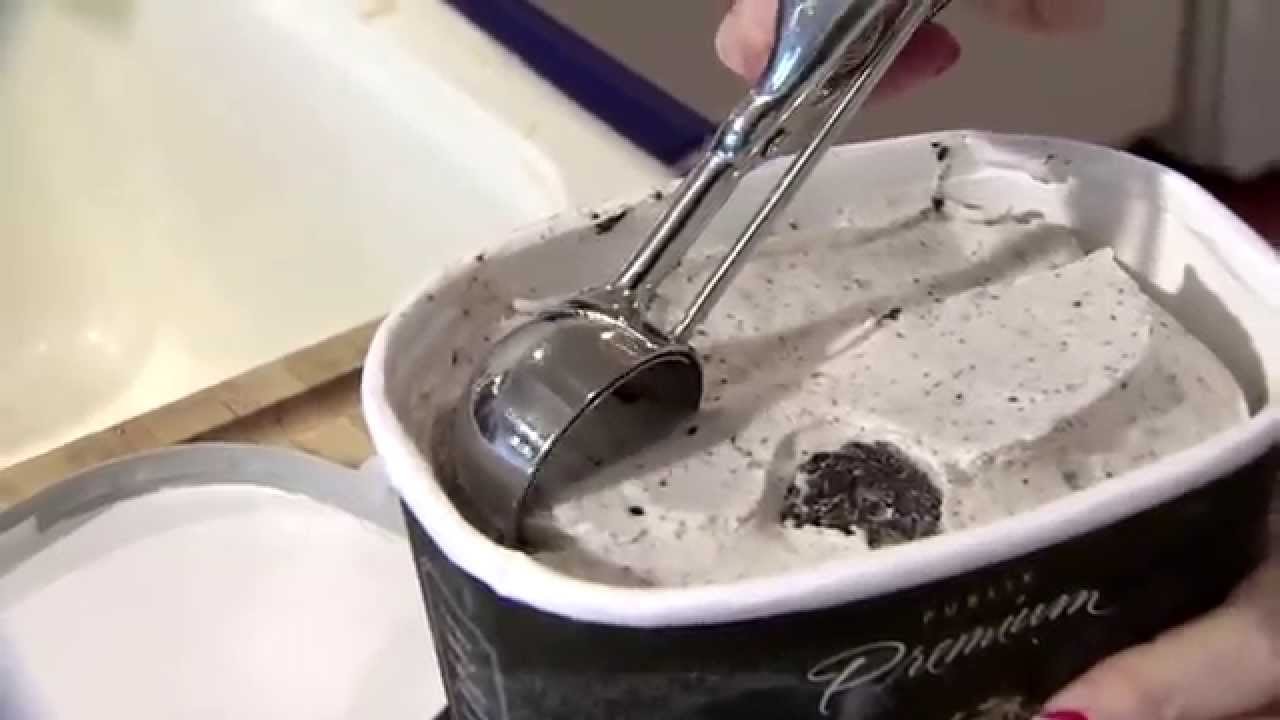
- Press down and twist the scoop in a circular motion. This helps carve out a clean, round ball.
- Level off the scoop against the side of the container to remove excess.
- Release the ice cream onto the cone or bowl. For trigger scoops, squeeze the handle; for others, use a gentle tap.
Common Mistakes To Avoid
- Don’t try to scoop straight out of the freezer. This can damage the scoop or hurt your wrist.
- Don’t use a knife or fork to dig out ice cream. It ruins the texture and presentation.
- Don’t force the scoop. If it’s too hard, let the ice cream soften longer.
Tips For Perfect Scoops Every Time
Even with the best scoop, a few extra tips will make your ice cream servings look and taste better.
- Warm the scoop before every use for smoother scoops and less sticking.
- Work quickly to prevent melting and refreezing, which creates ice crystals.
- Wipe off excess water to avoid watering down the ice cream.
- Store the scoop upright in warm water if serving many people, so it’s always ready.
Here’s a side-by-side comparison of scoop sizes and their uses:
| Scoop Size (Number) | Approx. Volume | Best Use |
|---|---|---|
| #12 | 2.5 oz (75 ml) | Large cones, sundaes |
| #20 | 1.6 oz (47 ml) | Standard bowls |
| #40 | 0.8 oz (24 ml) | Bite-size, toppings |
Credit: www.youtube.com
Cleaning And Maintaining Your Ice Cream Scoop
A clean scoop is safer and lasts longer. Here’s how to care for it:
- Rinse immediately after use with warm water. Don’t let ice cream dry on the scoop.
- Wash with mild soap and a soft sponge. Avoid abrasive cleaners.
- Dry thoroughly before storing to prevent rust or bacteria.
- Check for wear on mechanical parts. Replace if springs or triggers get loose.
- Do not put heated scoops in the dishwasher, as it can damage the heat-conducting liquid.
Pro insight: Many people ignore the hinge of trigger scoops. Clean this area carefully to avoid build-up that can jam the mechanism.
Using Ice Cream Scoops For Other Foods
Ice cream scoops aren’t just for dessert. Their shape and size make them useful in the kitchen for other tasks.
- Portioning cookie dough for even baking
- Scooping mashed potatoes for uniform plating
- Forming meatballs or falafel
- Serving melon balls or sorbet
Using a scoop ensures consistent size, which helps with even cooking and serving. For sticky foods like dough, dip the scoop in water or oil between uses.

Credit: www.wikihow.com
Choosing The Best Ice Cream Scoop For Your Needs
Selecting the right scoop can improve your experience and results. Here’s what to consider:
Handle Design
- Ergonomic handles reduce wrist strain, especially for frequent use.
- Non-slip grips are safer if your hands get wet.
Material
- Stainless steel is durable and resists staining.
- Aluminum heats up quickly, great for hard ice cream but not dishwasher-safe.
- Plastic scoops are lightweight, but can bend or break with hard ice cream.
Release Mechanism
- Trigger-release is best for sticky or dense ice cream.
- Solid scoops are easier to clean and less likely to break.
Size Options
- Pick a size that matches your typical serving. Larger scoops are good for sundaes, smaller for toppings.
Here’s a quick comparison of popular materials:
| Material | Pros | Cons |
|---|---|---|
| Stainless Steel | Strong, dishwasher safe | Can be heavy |
| Aluminum | Heats quickly, lightweight | Not dishwasher safe, can corrode |
| Plastic | Inexpensive, lightweight | Less durable, can stain |
Non-obvious Insights For Better Scooping
Most beginners miss these expert tricks:
- Store the scoop in the freezer for a few minutes before use. This helps the ice cream release quickly and keeps the shape intact.
- Use a zig-zag motion when cutting into hard ice cream. This reduces pressure on your wrist and prevents bending the scoop.
You might find this helpful: Best Ice Cream Scoop for Hard Ice Cream
Common Problems And How To Fix Them
Scoop Sticking To Ice Cream
If your scoop always gets stuck, it’s usually because of two things: ice cream that’s too hard, or a dry scoop. Let the ice cream soften briefly and dip the scoop in warm water before each use.
Bent Or Broken Scoops
This happens most with cheap or plastic scoops. Don’t force a scoop through rock-hard ice cream. Upgrade to a sturdy stainless steel model if you scoop often.
Messy Scoops
If your scoops are uneven or crumbly, you might be pressing too hard or using the wrong motion. Try twisting gently as you scoop, and avoid scraping the bottom of the container.
Creative Ways To Present Ice Cream
A perfect scoop is only the beginning. Make your desserts stand out with these ideas:
- Stack multiple flavors in a clear glass for a colorful parfait.
- Roll scoops in toppings like sprinkles, nuts, or coconut before serving.
- Place a scoop on a warm dessert, such as brownies or pie, for a classic treat.
- Serve mini scoops in espresso cups with a cookie for a gourmet touch.
Presentation can make even store-bought ice cream feel special.

Credit: www.amazon.com
Safety Tips When Using Ice Cream Scoops
Safety is often overlooked. Here’s how to protect yourself and your tools:
- Never use excessive force; let the ice cream soften instead.
- Keep handles dry to prevent slipping.
- Supervise children if they help scoop—sharp edges and heavy scoops can be risky.
- Store scoops safely; don’t leave them in hot water for hours, as it can damage the handle.
The Environmental Impact Of Ice Cream Scoops
Did you know that disposable plastic scoops contribute to landfill waste? Choose a reusable, durable scoop to reduce your environmental footprint. Stainless steel and aluminum models last for years, and some brands offer recycled materials.
Proper care also means you won’t need to replace your scoop as often, further reducing waste.
Frequently Asked Questions
How Do I Clean A Sticky Ice Cream Scoop?
Rinse the scoop under hot water immediately after use. If ice cream has dried on, soak the scoop in warm, soapy water for a few minutes, then scrub gently with a non-abrasive sponge. Dry thoroughly before storing.
Can I Use An Ice Cream Scoop For Other Foods?
Yes. Ice cream scoops are great for portioning cookie dough, mashed potatoes, melon balls, and even meatballs. Just wash thoroughly between uses to avoid flavor mixing.
Why Does My Scoop Keep Bending Or Breaking?
This usually happens with plastic or low-quality metal scoops when trying to serve very hard ice cream. Let the ice cream soften for a few minutes, and use a sturdy stainless steel scoop for best results.
What’s The Best Way To Get Perfectly Round Scoops?
Start scooping from the edge, use a twisting motion, and dip the scoop in warm water between servings. Level off the scoop for even results, and release gently onto your serving dish.
Are Heated Handle Scoops Worth It?
Heated handle scoops can make serving hard ice cream easier, especially in commercial settings or for frequent use. However, they require extra care and shouldn’t go in the dishwasher. For home use, a sturdy stainless steel scoop and a bowl of warm water usually work well.
Enjoying ice cream is all about the experience—from the first scoop to the last bite. With the right scoop, proper technique, and a few pro tips, you can serve beautiful, round scoops every time. Remember to care for your tools, try creative presentations, and choose eco-friendly options when possible. For more on food-safe kitchen tools, check out the Ice Cream Scoop Wikipedia page. Now, grab your favorite flavor, and start scooping like a pro!