Skip to content
Boiling water for tea is a simple daily ritual in many homes. Yet, using a tea kettle on a stove can be confusing, especially if you have never done it before. Maybe you’ve just bought a beautiful stovetop kettle, or you want to switch from an electric one. This guide shows you how to use a tea kettle on the stove the right way, avoid common mistakes, and get the best flavor from your tea.
A stovetop kettle is more than just a kitchen tool. It’s a way to make your tea routine feel relaxing, traditional, and satisfying. But it’s important to use it safely and correctly. The wrong method can damage your kettle, waste energy, or even cause accidents.
By the end of this article, you’ll know exactly how to choose, use, and care for your tea kettle—plus a few tips that even experienced tea drinkers miss.
Why Use A Tea Kettle On The Stove?
Using a stovetop tea kettle offers several unique benefits:
- Better heat control: You can choose how hot your water gets, which helps with different types of tea.
- No electricity needed: Great for camping, emergencies, or areas with unreliable power.
- Lasts longer: Stovetop kettles usually have fewer parts that break compared to electric ones.
- Traditional experience: The whistle, the steam, the look—using a kettle feels classic and relaxing.
However, there are a few challenges too. Stovetop kettles can get very hot, take a bit longer to boil water, and need more careful cleaning. But for many tea lovers, the experience is worth it.
Types Of Tea Kettles For Stovetops
Before you start, it’s important to know what kind of tea kettle you have. Not all kettles are the same, and using the wrong one can lead to damage or poor results.
| Type | Main Materials | Best for | Special Notes |
|---|---|---|---|
| Stainless Steel | Stainless steel | Daily use, durability | Resists rust, easy to clean |
| Enamel | Steel with enamel coating | Colorful designs, easy cleaning | Can chip if dropped |
| Copper | Copper (sometimes lined) | Fast boiling, style | Needs polishing, can tarnish |
| Glass | Borosilicate glass | Watching water boil | Fragile, not for high heat |
| Cast Iron | Cast iron | Heat retention, Japanese tea | Very heavy, needs drying |
Key tip: Always check if your kettle is safe for the type of stove you have—gas, electric, or induction. Some older kettles do not work well on induction cooktops.
How To Use A Tea Kettle On The Stove (step-by-step)
Let’s walk through the full process so you get great results and stay safe.
1. Check And Clean Your Kettle
Always start with a clean kettle. Leftover water or limescale can affect taste and even damage the kettle.
- Rinse with clean water and check for any rust or residue.
- If you see white spots, it’s probably limescale. Remove it with vinegar and water (half and half, boil, then rinse).
- Dry the outside so it doesn’t slip on the stove.
2. Fill With Fresh Water
Open the lid and add cold, fresh water. How much should you fill?
- Fill to at least the minimum line but never past the max fill line (if marked).
- Most kettles work best when they’re two-thirds full.
- Using filtered water helps prevent mineral build-up.
Insider tip: Water that’s been boiled before loses oxygen, which can make your tea taste flat. Always use fresh water for the best flavor.
3. Place The Kettle Correctly
Set the kettle on a burner that matches its base size.
- For gas stoves, make sure the flame doesn’t go up the sides of the kettle.
- For electric or induction stoves, the kettle should sit flat for even heating.
Don’t turn on the heat until you’re sure the kettle is stable.
4. Heat The Water
Turn on your stove:
- For most teas, medium to medium-high heat is best.
- If you use high heat, the water boils faster but may cause uneven heating or loud rattling.
- Glass kettles should use lower heat to avoid cracking.
Most kettles whistle when the water boils. If yours does not, you’ll see steam coming from the spout.
5. Watch And Listen
Stay nearby as the kettle heats up.
- A stainless steel kettle usually boils in 5–8 minutes.
- Cast iron or glass kettles may take longer.
- When you hear the whistle or see lots of steam, it’s ready.
Safety note: Do not leave the kettle unattended. Boiling dry can damage your kettle and is a fire risk.
6. Turn Off The Heat
As soon as the water boils:
- Turn off the burner.
- Use an oven mitt or a thick towel to grab the handle (it can get very hot).
- Let the boiling stop before pouring, so you don’t get splashed by steam.
7. Pour Safely
Slowly pour hot water into your teapot or cup.
- Keep your face and hands away from the spout.
- Hold the lid if it’s loose.
- Pour slowly to avoid spills.
After pouring, empty any leftover water, especially if you won’t use the kettle again soon. This helps prevent mineral build-up and rust.
Common Mistakes And How To Avoid Them
Even experienced tea drinkers make mistakes with stovetop kettles. Here are some you can avoid:
- Boiling dry: Always check the water level before heating. An empty kettle can warp, crack, or even melt.
- Overfilling: If you fill past the max line, boiling water may spill out the spout.
- Leaving water inside: Water left in the kettle leads to limescale and rust.
- Touching hot metal: Many kettles get hot all over. Always use a cloth or mitt.
- Using wrong heat: Glass or enamel kettles can crack with sudden, high heat. Start low and increase slowly.
- Not matching burner size: If the burner is too big, flames or heat can damage the handle or sides.
How To Clean And Care For Your Stovetop Kettle
A well-cared-for kettle can last for years. Here’s how to keep yours in top shape.
Daily Care
- Empty leftover water and let the kettle dry with the lid off.
- Wipe the outside to remove fingerprints and prevent stains.
- Don’t put your kettle in the dishwasher unless the manual says it’s safe.
Deep Cleaning
Over time, minerals from water can build up inside.
- Fill the kettle with equal parts vinegar and water.
- Boil and let it sit for 15–20 minutes.
- Pour out, scrub gently with a soft brush, and rinse several times.
For stainless steel or enamel kettles, a bit of baking soda can help with tough stains. Avoid strong cleaners that might damage the finish.
Storing
- Store with the lid off to let air circulate.
- If you have a cast iron kettle, dry the inside completely to prevent rust.
Helpful insight: Many people forget to clean the spout and the inside of the lid. These areas collect minerals and affect taste.
Choosing The Right Tea Kettle For Your Stove
The perfect kettle depends on your stove type, kitchen style, and personal needs.
| Stove Type | Best Kettle Materials | What to Avoid |
|---|---|---|
| Gas | Stainless steel, enamel, copper | Plastic handles too close to flame |
| Electric Coil | Stainless steel, enamel | Uncoated copper |
| Induction | Magnetic stainless steel | Glass, copper, or aluminum unless induction-ready |
| Glass Top | Flat-bottomed stainless steel, enamel | Rough-bottomed cast iron (can scratch) |
Non-obvious insight: If you use an induction stove, check for a “magnetic base” label on your kettle. Many people buy beautiful kettles that do not heat up at all on induction.
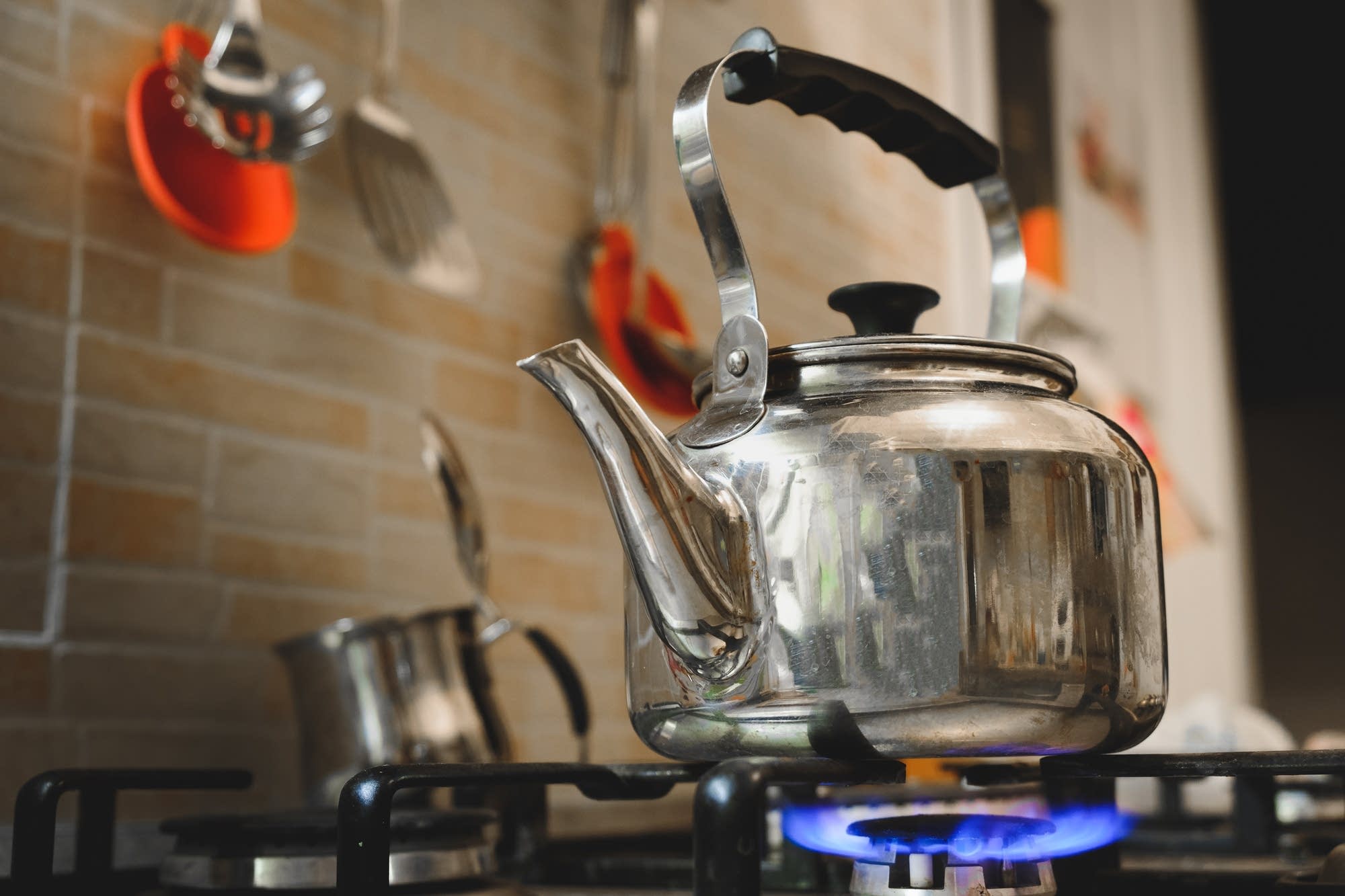
Credit: www.splendidtable.org
Tips For Making Better Tea With A Stovetop Kettle
Getting great tea is not just about hot water. Here are some tips to improve your experience:
- Use the right temperature: Different teas need different water temperatures.
- Black tea: 200–212°F (just boiled)
- Green tea: 170–185°F (stop before a full boil)
- White tea: 160–185°F
- Herbal tea: 212°F
- Don’t let water boil too long: Boiling too long removes oxygen, making tea taste flat.
- Pre-warm your teapot or mug: Pour a little hot water in first, swirl, then dump out.
- Pour just before the boil for green or white teas: The water should be steaming but not bubbling hard.
- Use a thermometer if you want precision: This is especially helpful with delicate teas.
Pro tip: The whistle of a kettle is usually a sign of full boil. For green or white teas, turn off the heat just before the whistle starts.
Safety Reminders When Using A Tea Kettle
Using a stovetop kettle is safe if you follow a few simple rules:
- Always use pot holders or oven mitts.
- Keep the handle away from direct flame.
- Never let children use the kettle without supervision.
- Don’t touch the spout or lid right after boiling.
- Keep flammable objects away from the stove.
If you ever smell burning or see smoke, turn off the stove and check the kettle immediately.

Credit: www.sepr.es
Frequently Asked Questions
Can I Use A Tea Kettle On Any Stove?
Most stovetop kettles work on gas and electric stoves. Induction stoves need a kettle with a magnetic base. Glass-top stoves require flat, smooth-bottomed kettles to avoid scratches. Always check the manufacturer’s label.
How Do I Know When The Water Is Boiling If My Kettle Doesn’t Whistle?
Watch for steam coming from the spout and listen for a rumbling sound. The handle may also feel hotter. A thermometer is useful for more control, especially with delicate teas.
Is It Safe To Heat Milk Or Other Liquids In A Tea Kettle?
It’s best to use your kettle for water only. Milk and other liquids can leave residue, cause burning, and are hard to clean out completely. Use a saucepan for milk or other drinks.
How Do I Remove Rust Or Limescale From My Kettle?
For rust, scrub gently with a soft brush and a little baking soda. For limescale, boil a mix of vinegar and water inside the kettle, let it sit, and then rinse well. Repeat if needed.
What’s The Difference Between A Tea Kettle And A Teapot?
A tea kettle is for boiling water. A teapot is for steeping tea leaves in hot water. Never put a teapot directly on the stove unless it’s labeled as stovetop-safe.
For more about the science behind boiling water and tea, check this Wikipedia article on tea kettles.
Using a tea kettle on the stove brings a comforting, old-fashioned touch to your tea ritual. With the right kettle, safe habits, and a bit of care, you’ll enjoy perfect cups of tea for years to come. Whether you’re making a single cup or hosting friends, a stovetop kettle is a simple tool that makes tea time special.