Vacuuming your carpet sounds simple, but doing it properly makes a big difference. A clean carpet not only looks better—it helps your home stay healthy. Dust, allergens, and dirt often hide deep in carpet fibers. Many people vacuum quickly and miss these hidden spots. In this guide, you’ll learn how to vacuum carpet the right way, so your floors stay clean and fresh longer. Whether you’re caring for a small rug or wall-to-wall carpet, following these steps will help you get better results every time.
Why Proper Carpet Vacuuming Matters
Regular vacuuming removes dust, pet hair, and allergens. But proper technique goes beyond just passing the vacuum over the carpet. Studies show that carpets can hold up to four times their weight in dust and dirt. According to the Environmental Protection Agency, indoor air can be two to five times more polluted than outdoor air, mostly due to trapped particles in carpets.
Improper vacuuming leaves behind:
- Microscopic dust
- Allergens
- Mites
- Bacteria
These can cause allergies, breathing problems, and even damage your carpet fibers. By vacuuming correctly, you protect both your health and your carpet’s lifespan.
Choosing The Right Vacuum Cleaner
Not all vacuums are equal. The best vacuum for carpet depends on your carpet type and needs. Here’s a helpful comparison:
| Vacuum Type | Best For | Pros | Cons |
|---|---|---|---|
| Upright | Thick, high-pile carpets | Strong suction, easy to use | Heavy, less maneuverable |
| Canister | Low-pile carpets & stairs | Flexible, good for corners | Bulky, more setup |
| Stick/Handheld | Small rugs, quick jobs | Lightweight, easy storage | Lower suction power |
| Robot | Maintenance, light cleaning | Automatic, time-saving | Limited deep cleaning |
For thick carpets, use an upright vacuum with adjustable height. For delicate rugs, a canister vacuum is gentle and effective. Always check the vacuum’s HEPA filter—it traps tiny particles and makes a big difference for allergy sufferers.
Preparing Your Carpet Before Vacuuming
Vacuuming works best when you prepare your carpet first. Here are the key steps:
- Remove small objects: Pick up toys, coins, and anything else from the carpet.
- Move furniture: Shift lightweight furniture, like chairs or tables, to reach hidden dirt.
- Spot clean stains: If you see spills or spots, treat them before vacuuming. This prevents stains from setting in.
- Check for pet hair: If you have pets, use a rubber brush or lint roller to loosen hair from the carpet. This makes vacuuming more effective.
Proper preparation helps your vacuum reach deep dirt and makes cleaning easier.
Vacuuming Techniques For Maximum Effect
Vacuuming is not just about pushing the machine back and forth. Use these techniques to get the best results:
1. Go Slow And Steady
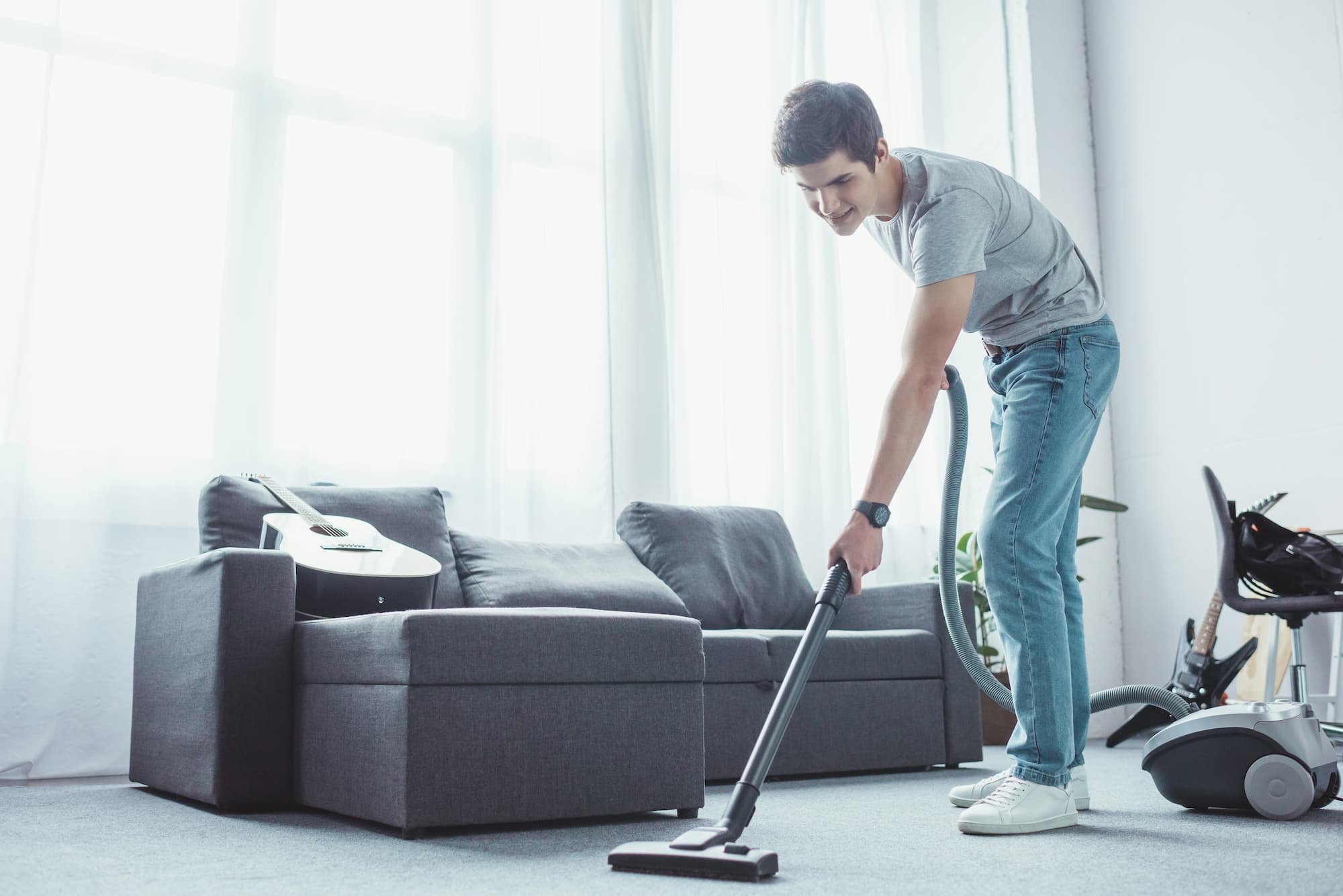
Move the vacuum slowly across the carpet. If you rush, you’ll miss dirt trapped in the fibers. Experts recommend spending at least 10–15 minutes for a standard living room.
2. Overlap Each Pass
Each time you push the vacuum, overlap the previous path by about 50%. This ensures you cover every spot and pick up all the dirt.
3. Change Directions
Vacuum in multiple directions—first vertically, then horizontally. Changing direction helps loosen dirt from all sides of the fibers.
4. Focus On High-traffic Areas
Places where people walk the most collect more dirt. Vacuum these areas twice to remove ground-in particles.
5. Use Attachments
Most vacuums come with attachments for corners, edges, and upholstery. Use the crevice tool for baseboards and the brush tool for furniture or stairs.
6. Adjust Height Settings
If your vacuum allows, adjust the height for your carpet. Higher for thick carpets, lower for thin rugs. This boosts suction and avoids damage.

Credit: restorationandrenovation.com
How Often Should You Vacuum?
Frequency depends on your lifestyle. Here’s a quick guide:
| Home Type | Recommended Frequency |
|---|---|
| Single, no pets | Once a week |
| Family, kids | 2–3 times a week |
| Pets | Every other day |
| Allergy sufferers | Every day |
Vacuuming more often keeps your carpet cleaner and reduces dust and allergens.
Common Mistakes To Avoid
Many people vacuum without realizing they’re making mistakes. Here are some to watch out for:
- Rushing: Moving too fast misses deep dirt.
- Skipping furniture edges: Dirt collects near furniture and walls.
- Not cleaning attachments: Dirty tools spread dust instead of removing it.
- Ignoring height settings: Wrong settings can damage carpet or reduce suction.
- Vacuuming only visible dirt: Even if your carpet looks clean, vacuum regularly.
An overlooked tip: Don’t forget to empty your vacuum bag or bin before it’s full. A full bag reduces suction and leaves dirt behind.
Deep Cleaning Vs. Regular Vacuuming
Vacuuming removes surface dirt, but deep cleaning is needed sometimes. Deep cleaning uses steam or special machines to pull out dirt trapped deep inside. Most experts recommend deep cleaning carpets every 12–18 months.
Here’s a simple comparison:
| Cleaning Type | Frequency | Main Benefit |
|---|---|---|
| Regular vacuuming | Weekly or more | Removes surface dust, allergens |
| Deep cleaning | Yearly | Removes deep stains, bacteria |
Vacuuming is still essential even after deep cleaning. It keeps your carpet fresh and reduces buildup between deep cleans.
Maintaining Your Vacuum For Best Results
A well-maintained vacuum works better and lasts longer. Here’s how to keep it in top shape:
- Empty the bag/bin: Do this when it’s half full for best suction.
- Clean filters: Rinse or replace filters every few months, especially HEPA filters.
- Check the brush roll: Remove hair and debris from the roller.
- Inspect hoses and attachments: Clear blockages and clean tools.
- Service the vacuum: If you notice strange noises or weak suction, check the manual or take it for service.
A neglected vacuum can spread dust instead of removing it. Simple maintenance keeps your carpet cleaner and your machine running smoothly.
Credit: www.mothernaturescleaning.com
Practical Tips For Better Carpet Vacuuming
Here are two insights many beginners miss:
- Change your vacuuming routine every few months. Switch directions or start from different corners. This prevents wear patterns and helps you spot missed areas.
- Use baking soda before vacuuming. Sprinkle a light layer on the carpet, wait 15 minutes, then vacuum. Baking soda absorbs odors and leaves your carpet smelling fresh.
Also, consider vacuuming in the evening when dust settles. You’ll pick up more dirt than vacuuming right after cleaning or moving furniture.
How To Vacuum Different Carpet Types
Different carpets need different care. Here’s what you need to know:
Low-pile Carpets
These are thin and flat. Use a vacuum with a strong suction and a low setting. Avoid beater bars—they can damage the fibers.
High-pile Or Plush Carpets
Thicker carpets need a vacuum with adjustable height and a rotating brush. Go slow and overlap passes.
Wool Carpets
Wool is delicate. Use a vacuum without a beater bar and avoid harsh brushes. Clean filters often—wool sheds tiny fibers.
Rugs And Mats
Small rugs can be shaken outside first. Use a handheld vacuum or gentle setting to avoid pulling threads.
Dealing With Pet Hair And Allergens
Carpet collects pet hair and allergens quickly. Here’s how to manage them:
- Use a vacuum with a HEPA filter. It traps tiny particles.
- Vacuum high-traffic and pet areas twice.
- Clean pet beds and nearby rugs often.
- Use a rubber squeegee or brush to loosen hair before vacuuming.
- Wash filters more often if you have pets.
Pet owners should check for hidden hair under furniture and along walls. Allergens build up in these areas.
You might find this helpful: Best Vacuum Cleaners for Pet Hair
Eco-friendly And Safe Vacuuming
Vacuuming doesn’t have to harm the environment. Choose a vacuum with energy-efficient settings and washable filters. Avoid harsh chemicals when spot cleaning—use mild soap or baking soda.
For safe vacuuming:
- Keep cords away from children and pets.
- Don’t overfill the bag/bin.
- Use non-toxic cleaners for stains.
If you want more guidance on eco-friendly carpet care, the EPA Indoor Air Quality page offers helpful tips.
Frequently Asked Questions
How Often Should I Vacuum My Carpet?
The answer depends on your home. For most homes, once a week is enough. If you have pets or allergies, vacuum every other day or daily for best results.
Does Vacuuming Remove All Allergens?
Vacuuming removes most allergens like dust and pet dander, especially with a HEPA filter. But some allergens can stay deep in the carpet. Deep cleaning once a year removes more.
Should I Vacuum Before Or After Cleaning Stains?
Always vacuum before cleaning stains. This removes dirt and makes stain removal easier. After treating the stain, vacuum again once it’s dry.
Can Vacuuming Damage My Carpet?
Vacuuming with the wrong setting or a dirty brush can damage fibers. Always adjust the height and clean attachments regularly. Use gentle settings for delicate carpets.
What’s The Best Way To Remove Pet Hair From Carpet?
Use a vacuum with strong suction and a HEPA filter. Loosen hair with a rubber brush or squeegee before vacuuming. Vacuum twice in high-pet areas for best results.
Vacuuming your carpet properly is more than a chore—it’s a way to keep your home healthy and inviting. By choosing the right vacuum, preparing your carpet, and using the correct techniques, you’ll see better results and enjoy cleaner floors every day.
Remember, a little extra care goes a long way in protecting your carpet and your health.