Skip to content
Is A Vacuum Sealer Worth It
Food waste is a problem in many homes. Leftovers spoil, fresh produce turns bad, and freezer burn ruins meat. Many people are looking for ways to save money and keep food fresh longer. One device that often comes up is the vacuum sealer. But is it really worth the cost and effort? In this article, you’ll discover what a vacuum sealer does, its real benefits, and whether buying one makes sense for your kitchen. We’ll look at the facts, compare costs, highlight common mistakes, and share practical tips you won’t find in most reviews.
What Is A Vacuum Sealer?
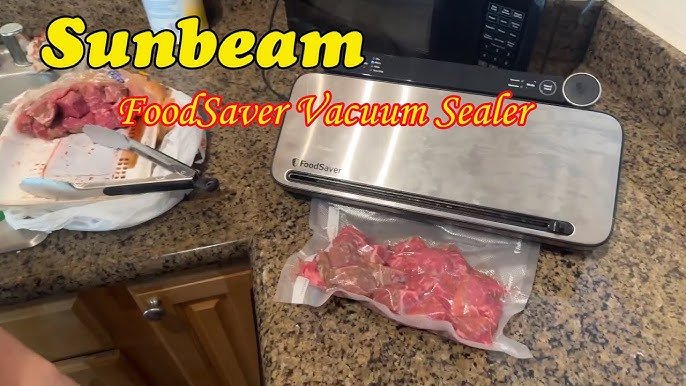
A vacuum sealer is a machine that removes air from a bag or container and seals it tightly. Removing air helps slow down food spoilage, prevent freezer burn, and keep flavors fresh. Most home vacuum sealers use special plastic bags. You put food inside, the machine sucks out the air, and then seals the bag shut.
There are two main types:
- External sealers: Simple machines for home use. The bag’s open end goes into the device.
- Chamber sealers: Larger, more expensive, and used mostly by professionals. The whole bag sits inside a chamber.
Most home users buy an external sealer because it’s cheaper and smaller. Chamber sealers are better for liquids or bulk sealing but cost much more.
How Vacuum Sealing Works
Vacuum sealing works by removing air, which slows down bacteria and mold growth. Without oxygen, many microbes cannot grow as fast. It also protects food from moisture loss and freezer burn.
Here’s how the process usually goes:
- Place food inside a special bag.
- Put the bag’s open edge into the sealer.
- The machine removes the air and seals the bag.
Some sealers allow you to seal jars, containers, or even wine bottles using adapters. This lets you store many kinds of food, not just meat or vegetables.
Credit: www.youtube.com
Real Benefits Of Using A Vacuum Sealer
Longer Food Storage
Vacuum sealing can extend the life of many foods by 3–5 times compared to regular storage. For example:
- Fresh meat stays good for 1–3 years in the freezer (vs. 6–12 months).
- Cheese lasts up to 6 months in the fridge (vs. 1–2 weeks).
- Vegetables can be kept for months after blanching and sealing.
Saving Money And Reducing Waste
When you buy food in bulk, you often get lower prices. But bulk food can spoil before you use it all. Vacuum sealing lets you keep extra food fresh longer. According to the USDA, the average American family throws away $1,500 worth of food each year.
Vacuum sealing can help cut down this waste.
Meal Prep And Convenience
If you like to cook ahead, a vacuum sealer helps you store pre-made meals or leftovers without losing taste or texture. You can freeze soups, stews, pasta, or cooked meat and reheat them later.
Protecting Non-food Items
Vacuum sealers are not just for food. You can protect important documents, electronics, jewelry, or other items from moisture and dust by sealing them in bags.
Costs: Is It Really Saving You Money?
Buying a vacuum sealer costs money. There are also ongoing costs for special bags or rolls. Let’s break it down:
| Item | Price Range | Typical Lifespan |
|---|---|---|
| External Sealer | $50–$200 | 3–7 years |
| Chamber Sealer | $300–$1,500 | 8–15 years |
| Bags/Rolls | $0.20–$0.40 each | Single use |
If you vacuum seal regularly, you might spend $50–$100 per year on bags. But, if you reduce food waste by even $10–$20 per month, the sealer can pay for itself in less than a year. Bulk buying and meal prepping also save money.
:max_bytes(150000):strip_icc()/ses-product-nesco-v12-deluxe-rkilgore-27.jpg-05267a64700446b29f5e33917d461671.jpg)
Credit: www.thespruceeats.com
Comparing Vacuum Sealing Vs Other Storage Methods
Vacuum sealing is not the only way to store food. Let’s see how it compares to other methods:
| Storage Method | Average Storage Time | Protection from Freezer Burn | Initial Cost |
|---|---|---|---|
| Plastic Wrap/Zip Bags | 6–12 months (meat) | Low | $5–$20 |
| Vacuum Sealing | 1–3 years (meat) | High | $50–$200 |
| Glass Containers | 6–12 months (meat) | Medium | $30–$100 |
| Freezer Paper | 8–12 months (meat) | Medium | $5–$20 |
Vacuum sealing offers much longer storage and better protection from freezer burn. Glass containers and freezer paper are reusable, but don’t keep food as fresh.
Common Mistakes When Using A Vacuum Sealer
Overfilling The Bags
If you fill the bag too much, the machine can’t seal properly. Leave at least 2 inches of empty space at the top for a tight seal.
Sealing Wet Foods
Liquids and moist foods can get sucked into the machine, damaging it. Freeze wet foods first, or use special settings or containers.
Not Labeling Bags
It’s easy to forget what you sealed and when. Always label bags with the food name and date before freezing.
Using Cheap Or Wrong Bags
Not all bags work with every sealer. Cheap bags can leak or tear. Use bags recommended by your machine’s brand.
Forgetting To Blanch Vegetables
Most vegetables need to be blanched (boiled briefly) before sealing. This stops enzyme activity, which can spoil the food even without air.
Practical Tips For Getting The Most Out Of Your Vacuum Sealer
- Divide bulk purchases: Buy large packs of meat or vegetables, portion them, and seal for later.
- Seal leftovers: Instead of tossing leftovers, vacuum seal and freeze them for busy nights.
- Keep herbs fresh: Seal herbs and spices to preserve flavor. You can also seal coffee beans for longer shelf life.
- Sous vide cooking: Vacuum sealing is perfect for sous vide, a method where food cooks in a water bath for even results.
- Organize your freezer: Sealed bags stack easily, saving space and making food easier to find.
Who Should Buy A Vacuum Sealer?
A vacuum sealer is most useful for:
- Families who buy in bulk
- People who prep meals ahead
- Hunters or fishers with lots of meat
- Anyone who freezes food often
- Home cooks who want to try sous vide
If you live alone and don’t cook much, or mostly eat fresh food, you might not need one. But for most households, a vacuum sealer can save money and make life easier.
Environmental Impact: Are There Drawbacks?
Vacuum sealing uses plastic bags, which are not always recyclable. This adds to plastic waste. Some brands offer reusable or recyclable bags, but they are often more expensive.
Here’s a quick look at the environmental impact:
| Option | Recyclable? | Reusable? | Cost |
|---|---|---|---|
| Standard Bags | No | No | Low |
| Reusable Bags | Sometimes | Yes | Medium |
| Compostable Bags | Yes | No | High |
If you care about the environment, look for reusable or compostable bags. Also, only seal what you need, to avoid waste.
Non-obvious Insights Most Beginners Miss
- Vacuum sealing does not preserve food forever. While it slows spoilage, you still need to freeze or refrigerate most items.
- Not all foods are good for vacuum sealing. Some soft breads, mushrooms, and some fruits can get crushed or turn mushy.
- Vacuum-sealed bags are not always airtight if damaged. Small holes or bad seals can ruin the protection.
- You can reseal chips and snacks to keep them fresh, not just raw food.
Expert Guidance: Is It Worth Buying?
If you throw away food often, buy in bulk, or freeze leftovers, a vacuum sealer can pay for itself quickly. But it’s important to use it properly. Avoid sealing foods that don’t store well, and invest in good bags. If you cook sous vide, it’s almost a must-have.
For small households or people who eat mostly fresh food, a sealer might not be needed. If you’re unsure, try borrowing one or buying a low-cost model to test. Look for brands with a good warranty and easy-to-find bags.
For more information on food preservation and vacuum sealing research, visit the Wikipedia Vacuum Packing page.
Frequently Asked Questions
How Long Does Vacuum Sealed Food Last?
Most foods last 3–5 times longer than normal storage. For example, frozen meat can stay good for up to 3 years, and cheese can last 4–6 months in the fridge.
Can You Vacuum Seal Liquids?
You can, but it’s tricky. Freeze liquids first or use a chamber sealer. External sealers can suck up liquids and damage the machine.
Are Vacuum Sealer Bags Reusable?
Some bags are reusable if you wash them well. However, bags used for raw meat or greasy foods should not be reused for safety reasons.
Is Vacuum Sealing Safe For All Foods?
Most foods are safe to seal, but avoid vacuum sealing raw mushrooms, soft breads, or some fruits. These foods can spoil or get crushed.
Does Vacuum Sealing Save Money?
Yes, for most families. You can save by buying in bulk, reducing food waste, and storing leftovers. The average family can save hundreds of dollars per year.
Vacuum sealers can be a smart investment for many homes, especially if you want to cut food waste, save money, and enjoy more convenient meal prep. With proper use and good bags, the benefits are clear. If you cook often or freeze a lot, a vacuum sealer can become one of your favorite kitchen tools.
:max_bytes(150000):strip_icc()/sea-primary-vacuum-sealers-aug-24-nsimpson-349-d5ee6a0848fb4328b3cfd383845bdbf1.jpeg)
Credit: www.seriouseats.com