When you want to buy an electric kettle, choosing between glass and stainless steel models can feel confusing. Both materials have their fans, and each offers unique benefits. But which is actually better for daily use?
In this article, we’ll look closely at how these kettles work, what makes them different, and which is best for your needs. Whether you care about safety, style, or practicality, you’ll find clear answers here.
How Electric Kettles Work
Electric kettles use a heating element to boil water quickly. When you switch it on, electricity heats the element, which then warms the water inside. Most kettles shut off automatically after boiling, making them safe and convenient. The material of the kettle—either glass or stainless steel—affects how fast it heats, how easy it is to clean, and how long it lasts.
Comparing Glass And Stainless Steel Kettles
Let’s break down the key differences between these two types. The right choice depends on your lifestyle, kitchen setup, and personal preferences.
| Feature | Glass Kettle | Stainless Steel Kettle |
|---|---|---|
| Appearance | Clear, modern, shows water level | Classic, sleek, often opaque |
| Durability | Can break or crack | Highly durable, resists dents |
| Heating Speed | Similar to steel, sometimes slightly slower | Efficient, heats quickly |
| Safety | Cool to touch handle, body gets hot | Cool handle, body can get very hot |
| Maintenance | Easy to spot stains, requires careful cleaning | Hides stains, easier to clean |
| Taste | No metallic taste | May have slight metal taste |
| Price Range | $20-$90 | $25-$120 |
Glass Electric Kettles: Pros And Cons
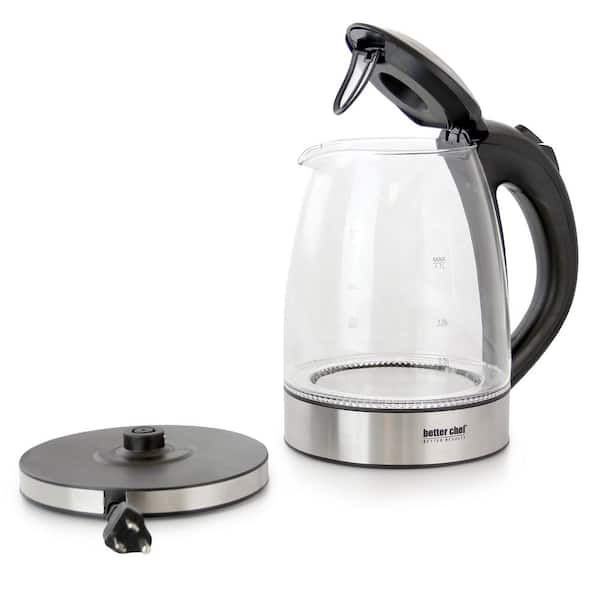
Glass kettles are popular for their transparent design. You can easily see how much water is inside and watch it boil. This makes it easy to avoid overfilling or underfilling. Many glass kettles use borosilicate glass, which is resistant to thermal shock. Still, glass is more fragile than steel.
Advantages
- Visual Appeal: Glass kettles look modern and clean. Their see-through bodies fit into many kitchen styles.
- No Metallic Taste: Glass doesn’t react with water, so you won’t notice any odd flavors. This matters if you’re sensitive to taste.
- Easy to Spot Dirt: Any scale or stain is clearly visible, helping you keep the kettle clean.
- No Plastic Contact: Most glass kettles keep water away from plastic, reducing worries about chemicals.
Disadvantages
- Fragility: Glass can break if dropped or hit. Even tough glass needs gentle handling.
- Heat Transfer: The glass body gets very hot during boiling. Accidentally touching it can burn your hand.
- Maintenance: Water stains and mineral buildup are easy to see, but harder to clean. Some users find cleaning glass more work.
- Weight: Glass kettles often weigh more than plastic models, though similar to steel.
Practical Example
If you live in a hard water area, you’ll see white deposits inside a glass kettle after a few weeks. This helps you know it’s time to descale. But cleaning scale off glass can be tricky without scratching it.
Stainless Steel Electric Kettles: Pros And Cons
Stainless steel kettles are known for their durability and classic appearance. They are common in offices, cafes, and homes. Most models use food-grade stainless steel, which resists corrosion and doesn’t break easily.
Advantages
- Long Lifespan: Steel kettles rarely break or dent. Many last for years, even with heavy use.
- Efficient Heating: Steel conducts heat well, which can speed up boiling. Some models boil water in less than two minutes.
- Easier Cleaning: Stains are less visible on steel, and scrubbing doesn’t scratch it.
- Safety Features: Many steel kettles have double-wall insulation, keeping the outside cooler.
Disadvantages
- Possible Metallic Taste: Some users notice a slight metal flavor, especially with new kettles. This usually fades after a few uses.
- Hot Exterior: Steel can get very hot, so touching the body is risky. Handles are usually insulated, but caution is needed.
- Opaque Body: You can’t see how much water is inside. Some kettles have external water level windows, but these may include plastic parts.
- Plastic Components: Some models have plastic lids or water windows, which might touch boiling water.
Real-life Example
A stainless steel kettle is ideal for busy kitchens or offices. If dropped, it likely survives with only a small dent. Most models have simple shapes that wipe clean with a cloth.
Safety Considerations
Safety is a big concern for many buyers. Both glass and stainless steel kettles have risks you should know.
- Body Heat: Both get hot when boiling. Always use the handle, and keep children away.
- Handle Material: Look for kettles with insulated handles for safer pouring.
- Auto Shut-Off: Most modern kettles include this feature, stopping the heating once water boils.
- Boil-Dry Protection: Prevents damage if the kettle runs with no water.
A common mistake is assuming the kettle body stays cool. Only double-wall models do this, and they are mostly stainless steel. Glass kettles are rarely double-walled.
Taste And Water Quality
Taste is important, especially for tea or coffee lovers. Glass kettles don’t add any flavor, while stainless steel may add a slight metallic taste at first. Some steel models are coated to prevent this. If you’re sensitive, glass is safer for pure taste.
Hard water leaves mineral deposits in both types. Glass makes these easier to spot, but both need regular descaling.
Maintenance And Cleaning
Cleaning is easier with steel, but glass lets you see when dirt builds up. Here’s a simple comparison:
| Cleaning Task | Glass Kettle | Stainless Steel Kettle |
|---|---|---|
| Spotting Scale | Very easy | Harder, not visible |
| Removing Stains | Needs gentle scrubbing | Can scrub hard |
| Descaling | Vinegar or lemon, rinse carefully | Same, less risk of scratches |
| Plastic Parts | Usually minimal | May have lid or window |
A non-obvious tip: If you use filtered or soft water, you’ll have fewer stains in both types. But in glass, you’ll notice any residue much sooner.
Durability And Longevity
Stainless steel kettles are usually more durable. Steel resists dents and scratches, while glass can crack from sudden temperature changes or impacts. If your kitchen is busy, steel is safer. Glass works well for careful users or those who value appearance.
Some glass kettles use borosilicate glass, which is tough but not unbreakable. Steel kettles often last five years or more with regular cleaning.

Credit: www.amazon.com
Price Comparison
Both types offer budget and premium models. Glass kettles start around $20, but high-end designs can cost up to $90. Stainless steel ranges from $25 to $120, depending on features like insulation, temperature control, or brand.
An expensive kettle often includes extra safety and convenience features. For example, a $100 stainless steel kettle may have precise temperature settings, double-wall insulation, and a cool-touch exterior.
Style And Kitchen Fit
Your kitchen style matters. Glass kettles suit modern, bright kitchens, and match appliances with chrome or white finishes. Stainless steel fits traditional kitchens, and works well with dark countertops or metallic appliances.
If you like seeing the water boil, glass is a fun choice. For a classic look, steel is best.
Environmental And Health Factors
Both materials are safe if made well. Glass is inert and doesn’t react with water. Stainless steel is non-toxic, but poor quality steel can rust. Always check the kettle is BPA-free and uses food-grade materials.
There’s a small environmental difference: steel is easier to recycle, while glass is less common in recycling streams. Both are better than plastic.
Which Is Better For You?
There is no single answer. If you want durability, easy cleaning, and don’t mind not seeing inside, choose stainless steel. If you value appearance, pure taste, and watching the water, glass is a better choice.
Here are some key factors to consider:
- Kitchen Use: Busy kitchens need durable kettles—steel is safer.
- Taste Sensitivity: For pure taste, glass wins.
- Cleaning Habits: If you clean often and like seeing inside, glass helps.
- Safety Concerns: Double-wall steel models offer the best protection.
- Budget: Both types have options for every price range.
A common mistake is buying a kettle only for looks. Always check safety and durability first.
Credit: www.homedepot.com
Real User Experiences
Many buyers report that their glass kettle lasted two years before cracking, usually from being dropped or bumped. Stainless steel users often have their kettles for five years or more, with no major issues.
Some users say glass kettles encourage them to clean more, since dirt is visible. Steel kettle owners appreciate the lack of maintenance and long life.
Advanced Features
Both glass and steel kettles now offer advanced features:
- Temperature Control: Lets you heat water to specific temperatures for tea or coffee.
- LED Lighting: Glass kettles often include colored LEDs for style.
- Double-Wall Design: Mostly in steel models, keeps exterior cool.
- Cordless Base: Both types offer this for easy pouring.
Always check which features matter most to you before buying.
Expert Tip: Avoid Overfilling
Many kettles break or leak because users overfill them. Always check the maximum water level. Glass kettles make this easier, but steel models often include clear markings.
External Resource
For more detailed research on kettle materials and their impact on water quality, see Wikipedia.

Credit: www.amazon.com
Frequently Asked Questions
Are Glass Kettles Safe To Use?
Yes, glass kettles are safe if used carefully. Most use tough borosilicate glass, but avoid dropping or hitting them. Always use the handle and keep away from children.
Do Stainless Steel Kettles Affect Water Taste?
Some users notice a slight metallic taste with new steel kettles. This usually disappears after a few uses. High-quality steel and coated models minimize this effect.
Which Kettle Is Easier To Clean?
Stainless steel kettles are easier to scrub, but glass kettles make dirt visible. Both need regular descaling. Glass needs gentle cleaning to avoid scratches.
Will Either Kettle Rust Or Break?
Glass kettles don’t rust, but can crack if dropped or exposed to sudden temperature changes. Stainless steel kettles rarely break, but poor-quality steel may rust over time.
Is There A Big Price Difference?
Both glass and stainless steel kettles come in budget and premium models. Glass is usually slightly cheaper, but high-end steel kettles offer more features and durability.
Choosing between glass and stainless steel for an electric kettle depends on your needs. Think about how you use your kettle, what matters most to you, and your kitchen style. Both types offer great performance, but one may suit your lifestyle better.