Is It Safe To Put Milk In A Thermos?
Many people love to carry their favorite drinks on the go. Whether it’s coffee, tea, or a chilled smoothie, a thermos can keep beverages hot or cold for hours. But what about milk? Is it safe to put milk in a thermos, and what risks might be involved? Understanding this topic is important for parents, travelers, and anyone who wants to keep milk fresh during the day. Let’s explore the science, safety tips, and practical advice for storing milk in a thermos, so you can make the best choice for your health.
How Thermoses Work
A thermos, also known as a vacuum flask, uses a double-walled structure with a vacuum between the walls. This vacuum acts as an insulator, keeping the contents hot or cold by reducing heat transfer.
The main purpose of a thermos is to:
- Keep drinks hot for up to 12 hours
- Keep drinks cold for up to 24 hours
This insulation works well for many beverages, but milk is special because it can spoil quickly. Understanding how a thermos affects milk is the first step to using it safely.
| Beverage | Safe Storage Time (Hot) | Safe Storage Time (Cold) |
|---|---|---|
| Milk | Up to 2 hours | Up to 6 hours |
| Coffee | Up to 12 hours | Up to 24 hours |
| Tea | Up to 12 hours | Up to 24 hours |
| Juice | N/A | Up to 12 hours |
Why Milk Spoils Easily
Milk is a nutritious, but delicate, drink. It contains proteins, fats, and sugars that bacteria love. If milk is not kept at the right temperature, bacteria grow quickly, leading to spoilage and possible food poisoning.
The main dangers are:
- Bacterial growth: Milk can become unsafe within hours if stored at room temperature.
- Temperature sensitivity: Milk should stay below 40°F (4°C) to prevent spoilage.
- Chemical changes: Heat can change milk’s taste and texture.
Pasteurized milk lasts longer, but even this can spoil if left too warm. UHT (ultra-high temperature) milk is more stable, but still needs careful storage once opened.
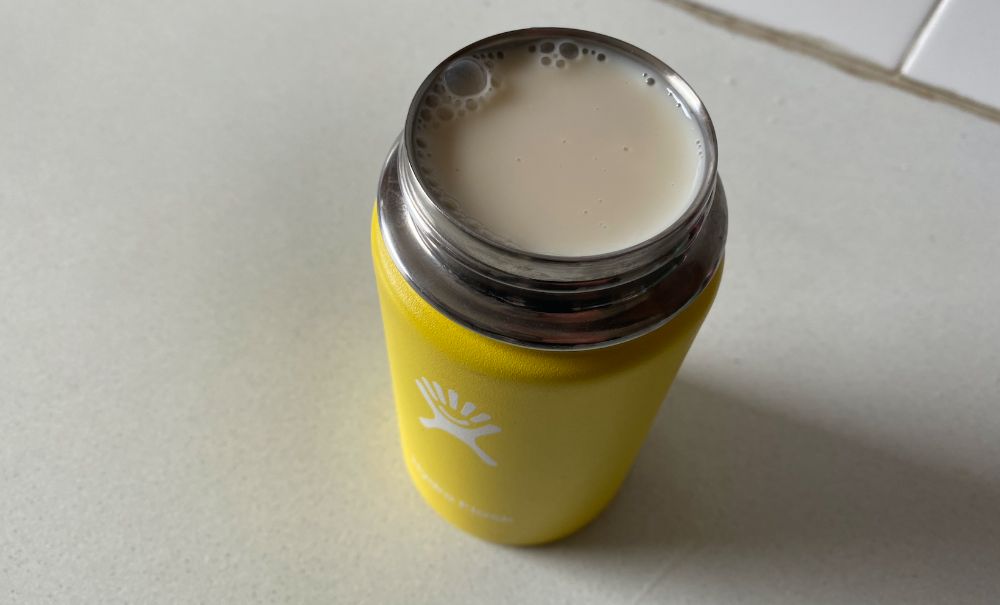
Credit: www.waterbottle.tech
Safe Storage Guidelines For Milk In A Thermos
Putting milk in a thermos is not always unsafe, but you must follow strict rules. Here’s what you need to know:
- Use a clean thermos: Always wash and rinse your thermos before adding milk. Even small traces of old drinks can speed up spoilage.
- Pre-chill or pre-heat the thermos: Before pouring milk, fill the thermos with cold water (for cold milk) or hot water (for hot milk), then empty. This helps keep the milk at the right temperature longer.
- Keep milk cold: If storing cold milk, use ice packs or refrigerate the thermos beforehand. Milk should stay below 40°F (4°C).
- Limit storage time: Even in a thermos, milk should not stay unrefrigerated for more than 6 hours. Hot milk is riskier—never keep hot milk in a thermos for more than 2 hours.
- Avoid repeated opening: Opening the thermos lets in warm air and bacteria. Try not to open it until you are ready to drink.
- Use pasteurized milk: Pasteurized milk is safer than raw milk for thermos storage.
- Check smell and taste: If milk smells sour or tastes strange, do not drink it.
| Storage Method | Safe Storage Time | Risk Level |
|---|---|---|
| Thermos (Cold Milk) | Up to 6 hours | Medium |
| Thermos (Hot Milk) | Up to 2 hours | High |
| Refrigerator | Up to 7 days | Low |
| Room Temperature | 1-2 hours | High |
Health Risks And Food Safety
Milk that has spoiled can cause stomach pain, vomiting, diarrhea, and even serious infections. Children and older adults are especially sensitive to these problems.
The main risks when storing milk in a thermos are:
- Bacteria like Salmonella, E. coli, and Listeria
- Rapid growth of germs at warm temperatures
- Chemical changes in milk
A study from the CDC shows that foodborne illness from dairy is common, especially when milk is stored without refrigeration. Even a well-insulated thermos cannot stop bacteria if the milk is kept too long or too warm.
Real-life Examples
Let’s look at practical situations:
- Parents packing milk for school: If milk is packed in a thermos at 7 am, but not drunk until noon, the risk of spoilage is high unless the thermos is chilled and kept closed.
- Travelers on long trips: Milk in a thermos may seem safe, but after 6 hours, bacteria levels can be dangerous.
- Coffee shops using milk in thermoses: Milk froth kept in thermoses for several hours can change flavor and become unsafe.
A non-obvious insight: Even small drops of milk left inside a thermos can grow bacteria, which may contaminate new milk poured in later. Always clean your thermos well between uses.
How To Choose The Right Thermos For Milk
Not all thermoses are equal. Some types are better for milk storage:
- Stainless steel thermoses: These are best because they do not react with milk.
- Glass-lined thermoses: Good for flavor, but more fragile.
- Plastic thermoses: Not recommended for milk, as plastic can absorb odors and break down over time.
When choosing a thermos for milk:
- Look for models with tight-sealing lids.
- Choose a size you can finish in one sitting.
- Avoid thermoses with hard-to-clean parts.
Some thermoses are marketed as “safe for dairy,” but always check reviews and product details.
| Thermos Type | Suitability for Milk | Cleaning Ease |
|---|---|---|
| Stainless Steel | Excellent | Easy |
| Glass-Lined | Good | Moderate |
| Plastic | Poor | Difficult |

Credit: www.amazon.ie
Practical Tips For Safe Milk Storage
Here are simple steps to keep milk safe in a thermos:
- Use cold milk and refrigerate the thermos before filling.
- Fill the thermos just before leaving home.
- Drink the milk within 6 hours.
- Clean the thermos thoroughly after each use.
- Never store milk overnight in a thermos.
Another tip: If you need to carry milk for children, consider using small, single-use containers instead of a large thermos. This reduces the risk of spoilage.
Alternatives To Putting Milk In A Thermos
If you’re worried about safety, there are alternatives:
- Use shelf-stable milk packs (UHT milk) that don’t need refrigeration until opened.
- Carry powdered milk and mix with water when needed.
- Store milk in insulated lunch boxes with ice packs.
- Buy milk at your destination instead of carrying it.
These options can be safer, especially for long trips or school lunches.
Non-obvious Insights Most People Miss
- Thermoses are not refrigerators: Many people believe a thermos can keep milk safe for a whole day. In reality, a thermos only slows temperature change; it cannot stop bacteria if milk was already warm.
- Lid design matters: Thermoses with complex lids or spouts are harder to clean. Bacteria can hide in small parts, making milk spoil faster.
- Repeated use can cause odor: If you use a thermos for milk every day, odors and bacteria may build up, even with regular washing. Use baking soda or vinegar for deep cleaning.
Expert Recommendations
Food safety experts suggest:
- Always start with cold, fresh milk.
- Limit milk storage in a thermos to under 6 hours.
- Clean thermos parts with hot, soapy water.
- Avoid storing hot milk unless you can finish it within 2 hours.
For more detailed food safety guidelines, you can check CDC Food Safety.

Credit: milaskeeper.com
Frequently Asked Questions
Can You Put Hot Milk In A Thermos?
Yes, but it’s risky. Hot milk should not stay in a thermos for more than 2 hours. After that, bacteria can grow quickly, and milk can taste strange.
How Long Does Milk Stay Fresh In A Thermos?
Cold milk stays fresh for up to 6 hours if you use a high-quality thermos and keep it closed. Hot milk stays fresh for only 2 hours. Always check the smell before drinking.
Is It Safe To Store Breast Milk In A Thermos?
No, it’s not recommended. Breast milk is delicate and should be kept in special containers and refrigerated. Thermoses are not designed for breast milk storage.
What Happens If Milk Is Left Too Long In A Thermos?
Milk can spoil, grow bacteria, and become unsafe to drink. Signs include sour smell, clumpy texture, and odd taste. Drinking spoiled milk can cause stomach problems.
Can You Use A Thermos For Flavored Milk Or Milk-based Drinks?
Yes, but the same rules apply. Flavored milk, chocolate milk, or lattes can spoil just like plain milk. Keep them cold and do not store for more than 6 hours.
Choosing to put milk in a thermos can be convenient, but it comes with real risks. Always follow safe storage guidelines, use the right thermos, and remember that milk spoils faster than most drinks. If in doubt, use alternatives or finish your milk quickly.
Your health and safety are worth the extra care.