Skip to content
Freezing food is one of the best ways to keep it fresh for a long time. Many people use Mason jars because they are reusable, sturdy, and free from harmful plastics. But before putting them in the freezer, some ask: Should you vacuum seal Mason jars before freezing? This question is important for anyone who wants to keep food safe, tasty, and easy to use later.
Let’s explore why vacuum sealing matters, how it affects frozen food, and whether it’s the right choice for you.
Understanding Vacuum Sealing And Mason Jars
Vacuum sealing means removing almost all the air from a container before closing it. This process helps to keep food fresh by slowing down spoilage and stopping freezer burn. Mason jars are glass containers with tight-fitting lids, often used for canning, storing dry goods, and sometimes for freezing.
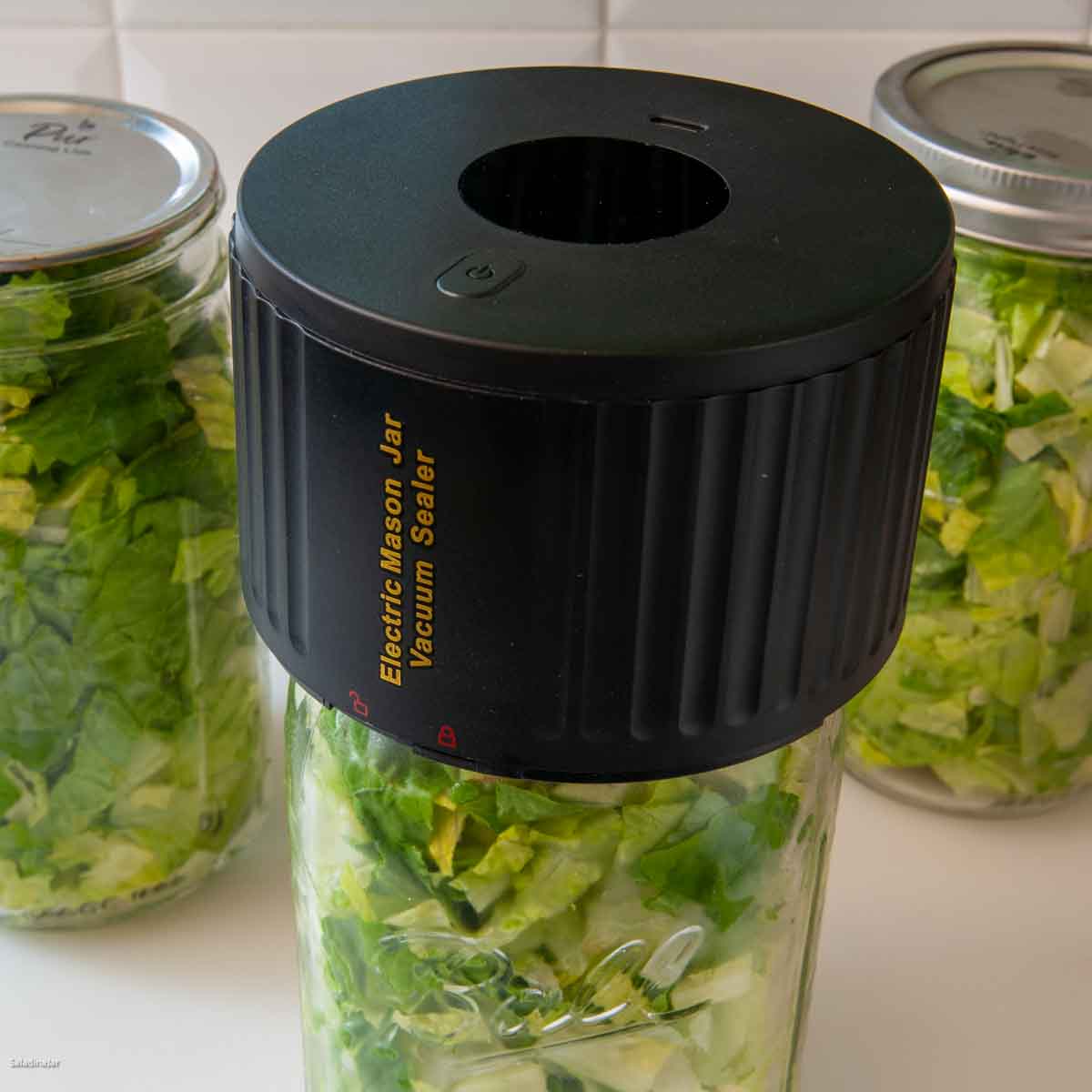
Some people use a special vacuum sealer with a jar attachment. It pulls air out of the jar, so food stays in a low-oxygen environment. But is this step necessary before freezing?
Why People Consider Vacuum Sealing Before Freezing
Protecting Food Quality
Air can cause food to spoil faster. Oxygen lets bacteria, mold, and other microbes grow. It also leads to freezer burn, which dries food out and changes its taste. Vacuum sealing reduces air and slows these problems.
Saving Space And Time
Vacuum-sealed jars can sometimes stack better in your freezer, and you don’t have to worry about food shifting around. Because sealed jars are airtight, you can often store them longer without opening or repackaging them.
Reducing Waste
When food lasts longer, you throw away less. Properly sealed jars can keep the texture, color, and flavor of foods like soups, sauces, fruits, and vegetables.

Credit: www.reddit.com
Is Vacuum Sealing Mason Jars Necessary Before Freezing?
The short answer: It depends on what you are freezing, and how long you want to store it.
For Short-term Freezing
If you plan to use the food within a few weeks or months, regular Mason jar sealing (just screwing the lid on tightly) is usually enough. The freezing temperature (0°F or -18°C) stops most bacteria and mold from growing, even if there’s some air inside.
For Long-term Freezing
If you want to freeze food for six months or more, vacuum sealing becomes more helpful. Removing air stops freezer burn and keeps food quality higher over time.
Food Type Matters
- Liquids and soups: Regular sealing is often enough, since the food fills most of the jar and leaves little air.
- Dry foods (nuts, grains): Vacuum sealing helps a lot, as these foods are more sensitive to air.
- Cut fruits or vegetables: These benefit from vacuum sealing, especially if you want to avoid changes in color and taste.
How To Vacuum Seal Mason Jars For Freezing
If you decide to vacuum seal, here’s how to do it safely:
- Choose the right jars: Use only jars labeled as “freezer-safe.” Not all Mason jars can handle low temperatures, and some may crack.
- Leave headspace: Always leave space at the top (about 1 inch for liquids, ½ inch for solids) for expansion as food freezes.
- Cool food first: Never put hot food straight into the jar, then freeze. Cool it in the fridge first.
- Use a vacuum sealer with a jar attachment: Place the lid on the jar (without the ring), attach the vacuum device, and remove the air.
- Check the seal: The lid should feel tight and not pop up when pressed. Add the metal ring for extra security.
Comparing Regular Sealing Vs. Vacuum Sealing
The following table shows the main differences between regular sealing and vacuum sealing Mason jars before freezing:
| Feature | Regular Sealing | Vacuum Sealing |
|---|---|---|
| Air Removal | Minimal | Almost all removed |
| Protection from Freezer Burn | Moderate | High |
| Best For | Short-term freezing | Long-term freezing |
| Equipment Needed | None | Vacuum sealer + jar attachment |
| Food Types | Soups, sauces | Cut fruits, dry goods |
Benefits And Drawbacks Of Vacuum Sealing Before Freezing
Benefits
- Longer shelf life: Removing air keeps food safe and tasty for months.
- Better texture and flavor: Less air means less chance of freezer burn or taste changes.
- Less waste: Fewer spoiled items in the freezer.
Drawbacks
- Extra equipment needed: Vacuum sealers and attachments cost money.
- Takes more time: Sealing each jar adds a step.
- Not for all jars: Some Mason jars may crack in the freezer, especially if overfilled or not freezer-safe.
Credit: saladinajar.com
Common Mistakes To Avoid
Even experienced home cooks sometimes make mistakes when freezing food in Mason jars. Here are the biggest ones to avoid:
- Using the wrong jars: Not all Mason jars are made for freezing. Look for straight-sided jars, which are less likely to break.
- Overfilling jars: Food expands as it freezes. If there’s no headspace, jars can crack.
- Not cooling food before freezing: Sudden temperature changes can break the glass.
- Skipping label and date: You might forget what’s inside or how long it’s been frozen.
- Vacuum sealing wet or steamy food: Moisture can stop lids from sealing fully.
What Foods Work Best In Vacuum-sealed Mason Jars?
Not every food is right for this method. Here are some good choices:
- Soups and broths: Easy to pour, freeze well, and fill the jar.
- Beans and lentils: After cooking, they freeze and reheat well.
- Blanched vegetables: Such as carrots, green beans, or peas.
- Berries and fruits: Especially if cut or made into compote.
- Nuts and seeds: Stays fresh and crunchy.
Foods that don’t work well include:
- Foods with a lot of water (like lettuce): They become mushy.
- Raw eggs in shells: They expand and may crack the jar.
- Carbonated drinks: Gas expansion can break the jar.
How Does Vacuum Sealing Affect Food Safety?
Vacuum sealing can improve food safety, but it’s not a magic solution. Freezing alone stops most bacteria, but botulism and some anaerobic bacteria can survive without oxygen. Always start with clean hands, tools, and jars. Vacuum sealing does not replace proper food handling.
Also, vacuum sealing can hide spoilage signs. If you see bubbles, strange colors, or smell something odd after thawing, do not eat the food.
Mason Jar Freezing Compared To Plastic Freezer Bags
Some people wonder whether glass jars or plastic bags are better for freezing. Here’s a quick comparison:
| Aspect | Mason Jars | Plastic Freezer Bags |
|---|---|---|
| Reusable | Yes | No (usually single-use) |
| Environmental Impact | Low | Higher |
| Breakage Risk | Can crack | Rarely breaks |
| Seal Quality | Excellent if vacuum sealed | Good if air removed |
| Stacking in Freezer | Easy | Can be awkward |
Extra Tips For Freezing In Mason Jars
- Label everything: Use a waterproof marker to write what’s inside and the date.
- Thaw slowly: Move the jar from freezer to fridge 24 hours before use. Sudden heat can break glass.
- Use small jars for single servings: This reduces waste and speeds up thawing.
- Avoid extreme temperature swings: Don’t pour hot soup into a cold jar, or vice versa.
Non-obvious Insights
Many beginners don’t realize that straight-sided jars are much safer for freezing than jars with shoulders (rounded edges near the top). Shouldered jars are more likely to crack because expanding food pushes against the bend.
Another point: Vacuum-sealed jars can sometimes create a stronger suction, making the lid harder to remove after freezing. Always open jars gently and check for chips or cracks before using.
Credit: saladinajar.com
When Vacuum Sealing Isn’t Worth It
If you’re freezing foods for a short time or use them quickly, the extra step of vacuum sealing might not be worth it. For example, if you freeze soup and plan to eat it next week, regular sealing will work fine.
But for seasonal items like summer berries or bulk-cooked beans you want to eat in winter, vacuum sealing can make a real difference.
The Bottom Line
Vacuum sealing Mason jars before freezing isn’t always required, but it can be very helpful for long-term storage and sensitive foods. It keeps air out, protects from freezer burn, and can save money by reducing waste. The extra effort and equipment pay off most when you want to store high-value foods for months, not weeks.
Think about your needs, how long you plan to freeze, and what types of food you use. For many home cooks, starting with regular sealing and moving to vacuum sealing for special items is a smart, balanced approach.
For more details on food preservation, check out this guide by the National Center for Home Food Preservation.
Frequently Asked Questions
What Happens If I Freeze Mason Jars Without Vacuum Sealing?
Most foods will freeze safely, but they may not last as long. You might see freezer burn or changes in taste after a few months.
Can All Mason Jars Go In The Freezer?
No. Only use jars labeled as “freezer-safe” and with straight sides. Jars with shoulders or not rated for freezing can break.
Do I Need A Special Vacuum Sealer For Mason Jars?
Yes, you need a vacuum sealer with a jar sealing attachment. Regular bag sealers won’t work on glass jars.
Is Vacuum Sealing Safe For All Types Of Food?
Vacuum sealing is safe for most foods, but not for soft cheeses, raw mushrooms, or foods that spoil quickly without oxygen. Always follow safe food handling.
How Do I Know If My Vacuum-sealed Jar Stayed Sealed After Freezing?
Check the lid after thawing. It should not pop up when pressed. If it does, the seal is broken—use the food soon or throw it away if you see signs of spoilage.