A slow cooker is a kitchen hero for busy people and food lovers. With just a bit of prep, it cooks your meals for hours while you do other things. But many owners ignore maintenance, and their slow cooker stops working well, or even breaks.
Taking good care of your slow cooker isn’t hard, but it does require regular attention and the right habits. This guide explains how to keep your slow cooker clean, safe, and working for years. Whether you use it daily or once a month, these tips will help you avoid common mistakes and get the most from your appliance.
A well-maintained slow cooker not only lasts longer, but also makes food taste better and keeps your kitchen safer. Many people are surprised at how a small cleaning habit or a careful storage step can prevent big problems later. This article will walk you through each part of care—from basic cleaning to spotting early signs of trouble—so you get the best results every time you cook.
How A Slow Cooker Works
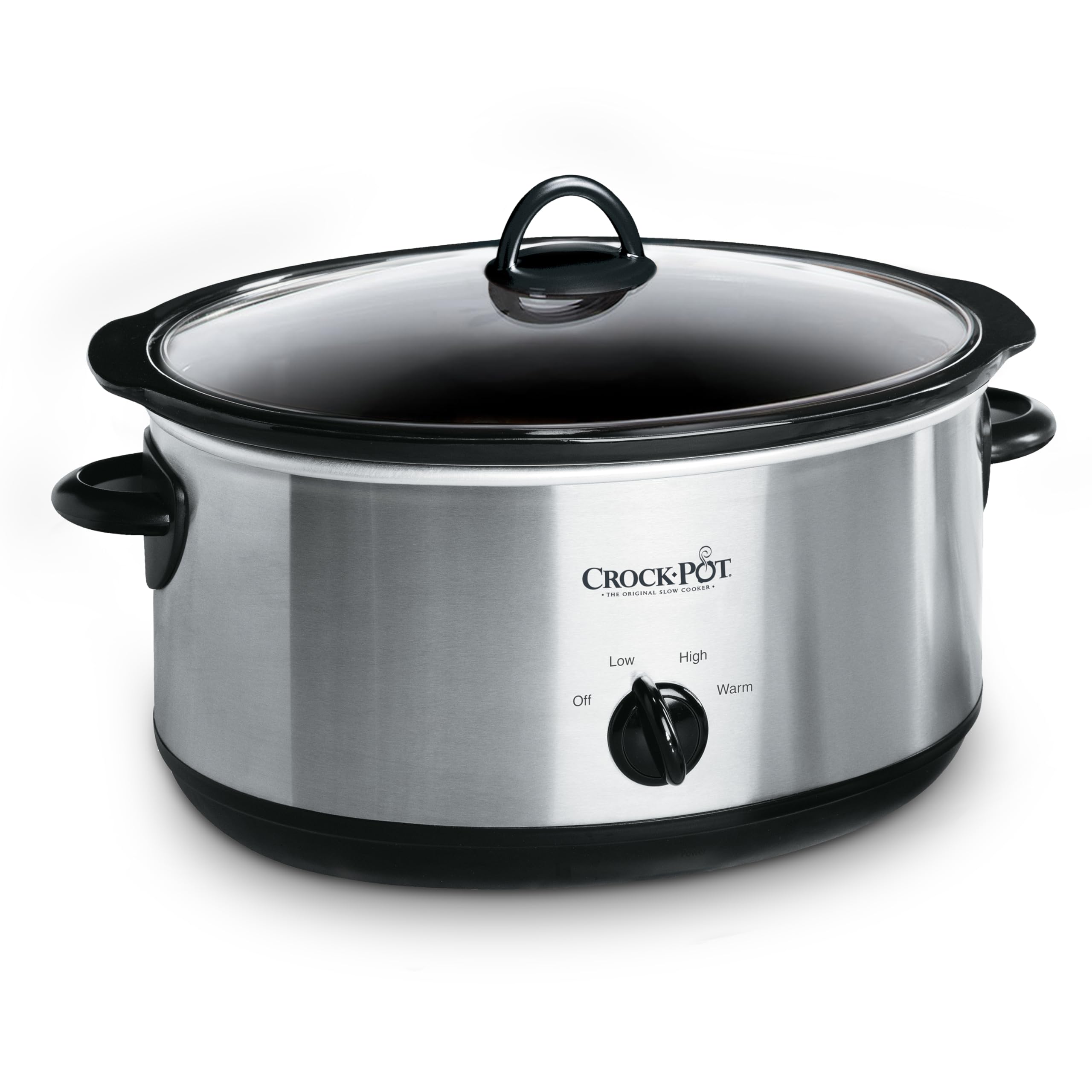
Understanding your slow cooker is the first step to caring for it. A typical slow cooker has three main parts:
- Heating base: Contains the electric element and controls.
- Ceramic or stoneware insert: The removable bowl where food cooks.
- Glass lid: Keeps heat and moisture inside.
Food cooks at low temperatures (usually between 170°F and 280°F) over many hours. This slow, steady heat is gentle on ingredients and gives you tender, flavorful results. Knowing these parts helps you clean and maintain each one properly.
Most slow cookers use a simple electric coil under the base, which heats the insert evenly. The heavy ceramic insert holds heat well and spreads it around your food. The tight-fitting glass lid traps steam and moisture, so your meal stays juicy.
Some models also have a rubber gasket for a better seal. If you know how these parts work together, you can spot problems faster—like a lid that doesn’t fit, or an insert that doesn’t heat evenly.
Cleaning Your Slow Cooker: Step-by-step
Regular cleaning is essential for safe, tasty meals and a long-lasting slow cooker. Many people only rinse the bowl, but deep cleaning prevents stains, odors, and bacteria.
Daily Cleaning After Each Use
- Unplug and cool down: Never clean a hot slow cooker. Wait until the insert is cool to the touch.
- Remove the insert and lid: Take out the ceramic bowl and lid. These are usually dishwasher safe, but check your manual first.
- Wash with warm, soapy water: Use a soft sponge. Avoid scouring pads, which can scratch surfaces.
- Clean the heating base: Wipe with a damp cloth. Never immerse the base in water.
- Dry all parts: Let everything air dry or wipe with a towel before reassembling.
Don’t forget to check the edges and handles, as food splatters often hide there. If you use your slow cooker for sticky dishes like cheese dips or caramel, clean it as soon as possible to avoid hardened messes. For people who use liners, remember to wash the insert as well—liners can leak or leave residue.
Deep Cleaning: Weekly Or Monthly
Even if you clean after every use, a slow cooker needs deeper care. Residue can build up in hard-to-reach areas.
- Vinegar soak: Fill the insert with warm water and add 1 cup of white vinegar. Let it soak for 30 minutes to remove stains and odors.
- Baking soda paste: Mix baking soda with water to make a paste. Rub on stubborn spots, especially around the rim.
- Clean the lid seal: Food can get stuck here. Use a toothbrush or soft brush to scrub gently.
- Check the heating base vents: Dust can build up. Use a dry brush or vacuum to keep vents clear.
For deep cleaning, also run your finger along the underside of the lid and around the handles. These areas collect steam and grease. If your slow cooker has removable knobs or buttons, pop them off carefully for cleaning. Any food or moisture here can lead to sticky controls or even electrical problems.
Common Cleaning Mistakes
- Using abrasive cleaners: These scratch the bowl and lid.
- Immersing the heating base: This damages the electrical parts.
- Reassembling while wet: Moisture can cause odors or mold.
Beginners often forget to dry the lid gasket, which can cause it to break down over time or grow mold. Another mistake is using scented dish soaps—these can leave smells that affect your next meal. Stick to mild, unscented soaps for best results.
Preventing Odors And Stains
Some slow cookers develop strong smells or discoloration. This is usually from cooked-on food or spices.
Tips To Prevent Odors
- Rinse the insert soon after cooking, before food dries.
- Avoid cooking very strong-smelling foods (like fish) unless you clean right away.
- Store the cooker with the lid off to air it out.
To prevent odors, you can also rub the inside of the insert with a slice of lemon after washing. Lemon neutralizes smells and is safe for ceramic surfaces. For spicy dishes, try adding a small amount of baking soda to your wash water—it helps remove chili or curry odors.
Removing Stubborn Stains
- Use a mix of lemon juice and salt for natural stain removal.
- For burnt-on food, fill the insert with water and dish soap, then cook on low for 1 hour to loosen debris.
If you notice yellow or brown discoloration, try a paste of hydrogen peroxide and baking soda. Apply, let sit for 15 minutes, then rinse well. For old stains, repeat the process over several days instead of scrubbing hard.
Caring For The Ceramic Insert
The ceramic or stoneware insert is tough but not unbreakable. Treating it well keeps it in good shape.
Handling Tips
- Avoid rapid temperature changes (like pouring cold water into a hot insert).
- Do not use metal utensils, which can chip the surface.
- Check for cracks regularly. If you see any, stop using the insert.
Even small chips can grow into bigger cracks with use. Always lift the insert with both hands, especially when full. If you need to move it while hot, use oven mitts and never set it down on a cold or wet surface, as the thermal shock can cause cracks.
Storage
- Stack carefully if you have multiple inserts. Place a towel between them.
- Never store with heavy items on top.
If storing for a long time, wrap the insert in a soft cloth or bubble wrap to prevent chipping from bumps or other kitchenware.

Credit: www.ebay.com
Maintaining The Glass Lid
The lid is usually made of tempered glass, which is strong but can break if dropped.
Cleaning And Care
- Wash gently with a sponge.
- Inspect for chips or cracks before each use.
- If the lid has a rubber gasket, clean it carefully to avoid mold.
A little extra attention goes a long way. If your lid has a vent hole, check it for dried food or steam residue. Use a toothpick or soft brush to clear it without scratching the glass.
Replacement
If your lid breaks, buy a replacement from your slow cooker brand or a reputable seller. Using the wrong lid can cause uneven cooking or safety issues.
Also, avoid using a cracked lid, as steam can escape and slow down cooking. If you can’t find the exact lid, measure the size and shape carefully before ordering—ill-fitting lids affect your slow cooker’s performance.
Taking Care Of The Heating Base
The heating base is the heart of your slow cooker. It needs special attention.
Cleaning
- Wipe with a damp cloth only.
- Clean around knobs or buttons with a soft brush.
- Keep vents clear of dust and food crumbs.
For digital models, a slightly damp microfiber cloth works best on the control panel. Never spray water or cleaner directly onto the base—apply to your cloth first.
Electrical Safety
- Inspect the cord for damage. If you see fraying or exposed wires, stop using the slow cooker.
- Never use the slow cooker with wet hands.
Also, check the plug for loose prongs or signs of overheating. If you notice a burnt smell or see black marks, have the cord checked by a professional.
Placement
- Always place your slow cooker on a flat, heat-resistant surface.
- Keep away from edges to avoid accidental falls.
Extra tip: Leave a few inches of space around the base for airflow, especially near walls or other appliances. Overheating can shorten your slow cooker’s life.
Credit: www.amazon.com
Slow Cooker Longevity: What Makes A Difference?
How long does a slow cooker last? With good care, most last 5–10 years. Here’s what affects lifespan:
| Factor | Impact on Lifespan | Typical Lifespan |
|---|---|---|
| Regular cleaning | Prevents buildup and damage | 8–10 years |
| Proper storage | Reduces risk of chips/cracks | 7–9 years |
| Quality of brand | Higher quality lasts longer | 10+ years |
| Heavy usage | May wear out faster | 5–7 years |
| Ignoring maintenance | Shortens life, creates safety risks | 3–5 years |
If you cook daily or use your slow cooker for big batches, expect more wear over time. Always keep the manual—some brands offer parts replacements to extend the life of your appliance.
Slow Cooker Troubleshooting
Even well-cared-for slow cookers can have issues. Here are some common problems and solutions:
Food Isn’t Cooking Properly
- Check the power cord and outlet.
- Make sure the lid fits tightly.
- Avoid overfilling or underfilling the insert.
If food takes much longer than usual, test the outlet with another appliance to see if it’s getting enough power. Uneven cooking often comes from a warped insert or a lid that doesn’t seal. Sometimes, thick recipes like casseroles need more stirring or rearranging for even heat.
Insert Cracks Or Chips
- Stop using immediately. Ceramic cracks can cause leaks or unsafe cooking.
- Contact the manufacturer for a replacement.
Tiny hairline cracks can grow quickly, especially if you keep using the cooker. Some brands let you buy a new insert without replacing the whole unit.
Excessive Steam Or Leaks
- Make sure the lid is not warped.
- Don’t fill above the recommended level (usually two-thirds full).
A warped lid may also let heat escape, making food undercooked. If you see liquid bubbling out, clean the rim and check for debris or food blocking the seal.
Burning Smells
- Clean the heating base and insert thoroughly.
- Avoid cooking with burnt-on food residue.
Sometimes, a burning smell comes from spills on the heating element. Unplug and let cool before wiping the base. If the smell continues, stop use and contact the manufacturer.
Safety Tips For Slow Cooker Care
Many people worry about electrical safety and food safety with slow cookers.
Electrical Safety
- Always unplug after use.
- Do not use extension cords unless recommended by the manufacturer.
- Keep cords away from water and heat.
Avoid plugging your slow cooker into overloaded power strips. Dedicated outlets are safer and prevent overheating. Never wrap the cord tightly around the base while the unit is still warm.
Food Safety
- Do not leave cooked food in the slow cooker for long periods after it’s done.
- Refrigerate leftovers within 2 hours.
- Do not use damaged inserts or lids.
When reheating leftovers, always use the stove or microwave—slow cookers are not designed to reheat food quickly or evenly.
Child Safety
- Keep slow cooker cords out of reach of children.
- Teach children not to touch hot surfaces.
If you have curious pets, place your slow cooker far from the counter edge to prevent accidents. Some slow cookers have locking lids, which can help keep little hands (and paws) safe.
Comparing Slow Cooker Brands: Maintenance Features
Some brands make maintenance easier than others. Here’s a comparison of three popular brands:
| Brand | Dishwasher Safe Parts | Easy-to-clean Lid | Warranty |
|---|---|---|---|
| Crock-Pot | Insert & lid | Yes | 1 year |
| Hamilton Beach | Insert & lid | Yes, with gasket | 2 years |
| Instant Pot | Insert only | No | 1 year |
Some newer models also come with removable cords or lids with steam-release valves for easier cleaning. Always check for special maintenance features before buying, especially if you want less cleaning hassle.
When To Replace Your Slow Cooker
Sometimes, maintenance is not enough. Here are signs it’s time for a new slow cooker:
- Cracked insert: Even small cracks can cause food contamination.
- Broken lid: Especially if it doesn’t seal properly.
- Faulty heating base: If it doesn’t heat evenly or stops working.
- Damaged cord: This is an electrical hazard.
- Persistent odors or stains: If deep cleaning doesn’t help.
If your slow cooker is more than 10 years old, check for recalls or safety updates. Newer models often have better safety features and more efficient heating.
Storing Your Slow Cooker
Storage is part of care. Poor storage can cause chips, cracks, or electrical damage.
Best Practices
- Store with the lid off to prevent moisture buildup.
- Keep in a dry, cool place.
- Don’t stack heavy items on top.
- Wrap the cord neatly and avoid tight bends.
Before storing, make sure all parts are completely dry—trapped moisture is a common cause of mold or bad smells. If you have limited space, place the insert and lid separately, with a cloth or paper towel between them.
Seasonal Storage
If you only use your slow cooker in winter, clean and dry thoroughly before storing. Cover with a towel or cloth to keep dust away.
For long-term storage, check the insert and base every few months for signs of damage or pests. If you live in a humid area, add a packet of silica gel to absorb moisture.
Non-obvious Insights For Beginners
- Don’t leave food in the insert overnight: Even if you clean later, bacteria can grow quickly. Always empty and wash soon after cooking.
- Check the bottom of the insert regularly: Some food residue hides underneath, especially after thick stews. Clean both sides every time.
Another tip: If you move your slow cooker often, place a non-slip mat under it to protect both your countertop and the base. Also, label your power cord if you have many appliances—mixing up cords can lead to using the wrong one.
Using Your Slow Cooker For Long-term Health
A well-cared-for slow cooker helps you cook healthier meals. Here’s how:
- Cooking at lower temperatures keeps nutrients in vegetables and meat.
- You avoid burnt food, which can create harmful compounds.
- Clean surfaces mean less risk of mold or bacteria.
For even more health benefits, try cooking with less oil and more vegetables. Slow cooking brings out flavor, so you can reduce added salt or sugar. Regular maintenance also means you won’t have mystery smells or residue that could affect food safety.
.png?v=1769804545035&options=w_870,h_700)
Credit: www.greenpan.us
Quick Maintenance Checklist
Here’s a simple checklist to help you remember the most important steps:
- Unplug after every use
- Clean all parts thoroughly
- Dry before reassembling
- Inspect for cracks or chips
- Store in a safe, dry place
- Check cords and vents regularly
Hang this list inside a cupboard or near your slow cooker to build a habit. A minute or two after each use makes a big difference in the long run.
Comparing Maintenance Costs: Manual Vs Automatic Slow Cookers
Some modern slow cookers have features that make maintenance easier. Let’s compare:
| Type | Cleaning Frequency | Average Annual Maintenance Cost | Ease of Care |
|---|---|---|---|
| Manual | Daily + monthly deep clean | $10–$25 | Moderate |
| Automatic (with self-cleaning features) | Weekly + yearly maintenance | $5–$15 | Easy |
Manual models need more hands-on cleaning, while some newer automatic models have non-stick inserts or steam-clean cycles. Even so, always double-check for any food left behind, as no model is truly “set and forget. ”
Frequently Asked Questions
How Often Should I Deep Clean My Slow Cooker?
You should deep clean your slow cooker at least once a month. If you use it several times a week, deep cleaning every two weeks is better. Regular cleaning after every use is still essential.
Can I Use The Dishwasher For All Slow Cooker Parts?
Most ceramic inserts and glass lids are dishwasher safe, but always check your manual. Never put the heating base in the dishwasher. Some brands have rubber gaskets or special coatings that need hand washing.
What If My Slow Cooker Insert Cracks?
Stop using the slow cooker immediately. Cracked inserts can leak and cause unsafe cooking. Contact your brand’s customer service or buy a replacement insert. Using a cracked insert risks food contamination.
Are Slow Cookers Safe To Leave On Overnight?
Yes, slow cookers are designed for long, unattended cooking. Always check the manufacturer’s instructions and make sure the cooker is on a stable surface. Never leave the heating base near flammable materials.
How Can I Remove Burnt-on Stains From My Slow Cooker?
Fill the insert with water and dish soap, then cook on low for 1 hour. This loosens burnt food. For tough stains, use a baking soda paste or soak with vinegar. Avoid abrasive scrubbers, which can damage the surface.
Taking care of your slow cooker is simple but powerful. With a little effort, you’ll enjoy safe, tasty meals and keep your appliance working for years. If you need more details on slow cooker safety and maintenance, you can check the official Food Safety site. Smart maintenance saves money, improves your cooking, and protects your health.