Skip to content
Choosing between sous vide and pressure cooker can feel confusing. Both promise tasty, tender meals with less stress in the kitchen. But each uses a different method, and the results can be surprisingly different. If you want to cook smarter, not just faster, understanding these tools will help you pick the right one for your needs.
Sous vide and pressure cookers are popular with home cooks, chefs, and food lovers. They save time, improve flavor, and make cooking more predictable. Still, their strengths and weaknesses aren’t always obvious. In this guide, you’ll learn how each tool works, what foods they handle best, and which suits your lifestyle.
You’ll also see real-world examples, practical tips, and expert insights most beginners miss.
How Sous Vide Works
Sous vide means “under vacuum” in French. It’s a slow cooking method where food is sealed in a bag, then cooked in a water bath at a precise temperature. This lets you control doneness and texture perfectly.
- Temperature range: Usually 120°F–185°F (49°C–85°C)
- Cooking time: 1–48 hours, depending on food
- Key equipment: Immersion circulator, vacuum sealer, water container
The main benefit is precision. You set the exact temperature. The food never gets hotter than that, so it can’t overcook. For example, a steak cooked sous vide at 130°F will always be medium-rare from edge to edge.
Real-life Example
Let’s say you want a chicken breast that’s juicy and safe. Set your sous vide to 145°F and cook for 1. 5 hours. The chicken stays moist and cooks evenly, unlike pan frying where parts can dry out.
Common Beginner Mistake
Many new users don’t season the food enough before sealing. Since sous vide locks in flavors, weak seasoning can lead to bland results. Salt, herbs, and spices need to go in early.
How Pressure Cookers Work
A pressure cooker uses steam and pressure to cook food quickly. As water heats, steam builds up, raising the pressure inside. This boosts the boiling point to around 250°F (121°C), speeding up cooking.
- Temperature range: 212°F–250°F (100°C–121°C)
- Cooking time: 5–60 minutes, depending on food
- Key equipment: Sealed pot with pressure valve
Pressure cookers are famous for speed. Tough cuts of meat, beans, and grains soften fast. For example, beef stew that takes hours on the stove can be ready in 40 minutes.
Real-life Example
If you need dinner in a hurry, a pressure cooker can turn dry lentils into a creamy soup in just 15 minutes. It’s ideal for busy families and batch cooking.
Common Beginner Mistake
Many people open the lid too soon. Pressure needs to drop safely—otherwise, food can splatter or stay uncooked. Always follow the natural or quick-release method.
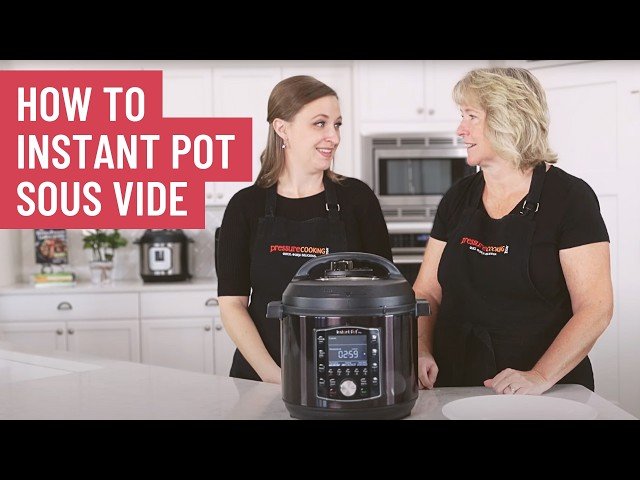
Credit: www.youtube.com
Key Differences: Sous Vide Vs Pressure Cooker
Understanding the core differences helps you choose the right tool for your kitchen. Here’s a direct comparison:
| Feature | Sous Vide | Pressure Cooker |
|---|---|---|
| Cooking Time | Long (1–48 hours) | Short (5–60 minutes) |
| Temperature Control | Very precise | Less precise |
| Texture | Even, tender | Varies, can be mushy |
| Flavor Retention | Excellent | Good, but can lose some |
| Versatility | Meats, fish, eggs, veggies | Soups, stews, grains, beans |
| Safety | Low risk (low temp) | Higher risk (steam pressure) |
| Equipment Cost | $80–$300+ | $40–$120+ |
Food Results: Texture And Taste
The texture and taste you get from each method can be quite different.
Sous Vide
- Meat is evenly cooked—no gray edges, no dry center.
- Fish stays delicate and moist.
- Eggs have a creamy, custard-like texture.
- Vegetables keep color and crunch.
Pressure Cooker
- Meat becomes fall-apart tender, but can sometimes turn mushy if overcooked.
- Beans and grains get soft quickly.
- Vegetables often lose color and can get overcooked.
- Flavors blend together, great for soups and stews.
A steak cooked sous vide feels buttery and juicy. In a pressure cooker, steak usually tastes like stew meat—soft but not as juicy.
Practical Uses In Home Cooking
Each method fits different lifestyles and dishes.
| Food Type | Sous Vide | Pressure Cooker |
|---|---|---|
| Steak | Best for perfect doneness | Not ideal—can get tough or stew-like |
| Chicken Breast | Juicy and tender | Good, but can dry out |
| Beans | Slow, not practical | Quick and easy |
| Vegetables | Crunchy, colorful | Soft, sometimes mushy |
| Eggs | Custardy, precise | Hard boiled, quick |
| Soups | Not efficient | Excellent for flavor and speed |
Non-obvious Insight
Sous vide is ideal for meal prep. You can cook several proteins in advance, then sear or finish as needed. Pressure cookers shine for one-pot meals—everything cooks together, saving cleanup.
Equipment And Setup
Both tools need special equipment, but the setup and price are different.
Sous Vide Equipment
- Immersion circulator ($100–$200)
- Vacuum sealer ($60–$200) or zip-top bags
- Large pot or container
Some models connect to Wi-Fi, letting you control temperatures from your phone. But basic models work well for most home cooks.
Pressure Cooker Equipment
- Electric models (like Instant Pot) ($80–$120)
- Stovetop models ($40–$100)
Electric pressure cookers are easier for beginners, with presets for rice, soup, and meat. Stovetop models heat up faster but need manual pressure control.
Cleaning And Maintenance
Sous vide bags are single-use or reusable. The circulator needs occasional cleaning, especially if used for eggs or dairy. Pressure cookers need gasket checks and valve cleaning for safety.
Cooking Time Comparison
Speed is a major factor. Here’s a quick look at typical times for common foods:
| Food | Sous Vide Time | Pressure Cooker Time |
|---|---|---|
| Chicken Breast | 1–2 hours | 10–15 minutes |
| Beef Stew | 12–24 hours | 35–45 minutes |
| Eggs | 45–60 minutes | 6–8 minutes |
| Beans | 6–8 hours | 25–30 minutes |
| Carrots | 1 hour | 3–5 minutes |
If you need dinner fast, pressure cooker wins. If you value perfect texture, sous vide is better.
Health, Safety, And Nutrition
Sous Vide
- Lower cooking temperatures preserve vitamins and minerals.
- Vacuum sealing reduces oxidation and keeps flavors natural.
- Safe, but you must finish meats with a quick sear for food safety.
Pressure Cooker
- High heat can break down some nutrients, but also makes beans and grains easier to digest.
- Pressure prevents boiling over, but improper use can cause burns or explosions.
- Always check seals and release steam carefully.
Non-obvious Insight
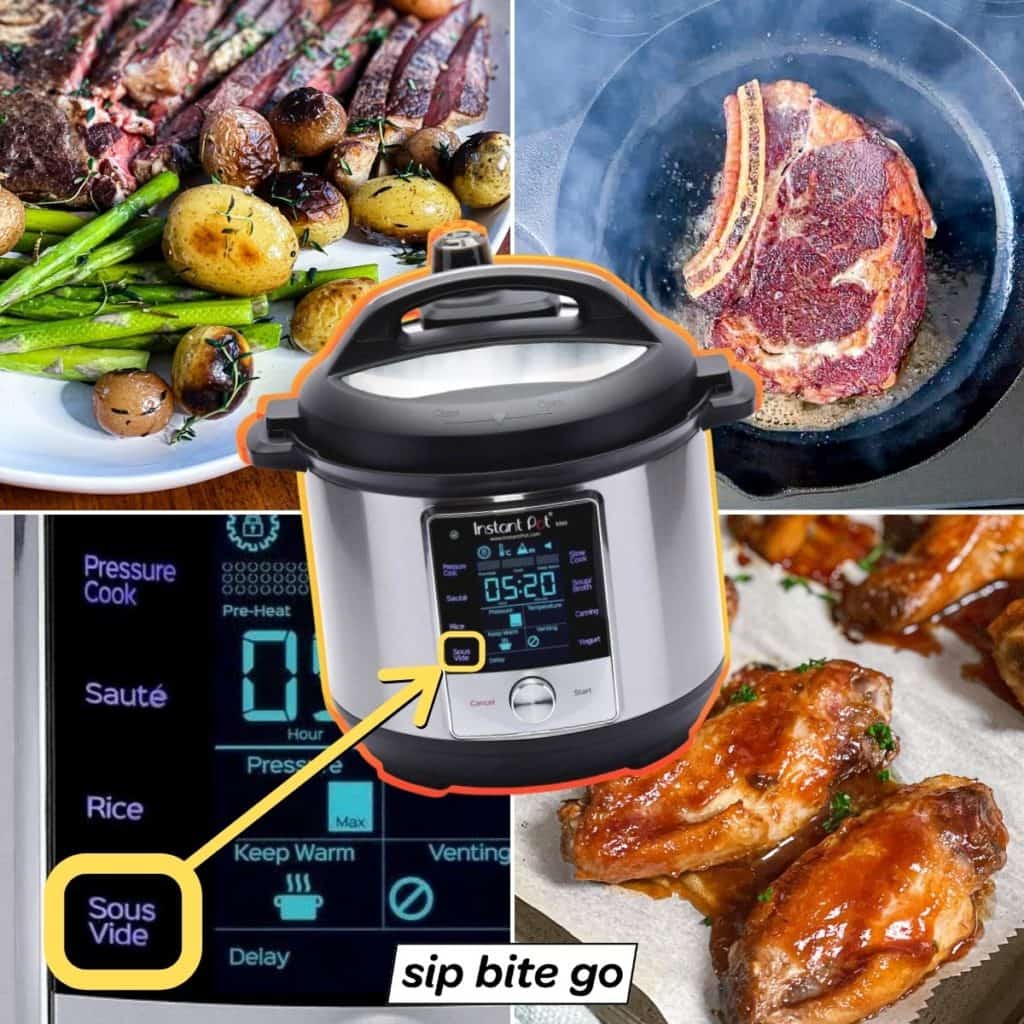
Sous vide helps avoid cross-contamination. Since food stays sealed, juices don’t mix. Pressure cookers are useful for sterilizing jars and baby bottles, a bonus many users overlook.
Credit: sipbitego.com
Cost, Convenience, And Storage
Cost
Sous vide machines cost more upfront, especially with vacuum sealers. Pressure cookers are cheaper and often replace several other pots.
Convenience
- Sous vide needs planning—long cook times and pre-sealing.
- Pressure cookers are fast, but cleaning and safety checks take extra time.
Storage
Sous vide circulators are small but need space for bags and containers. Pressure cookers are bulky, but often replace slow cookers, rice cookers, and more.
Which Should You Choose?
Choosing depends on your needs:
- If you want perfect steak, juicy chicken, or delicate fish, sous vide is ideal.
- If you need fast meals, soups, beans, or stews, pressure cooker is best.
- For meal prep, sous vide lets you cook ahead and finish later.
- For big families and batch cooking, pressure cooker saves time.
Some home cooks use both. Sous vide for proteins, pressure cooker for sides and soups. There’s no rule—you can mix methods for better results.
Expert Tip
If you’re new to both, start with a pressure cooker. It’s cheaper, more versatile, and easier for beginners. Once you’re comfortable, try sous vide for special meals.
Credit: www.youtube.com
Frequently Asked Questions
What Foods Taste Best With Sous Vide?
Sous vide works best with steak, chicken, fish, eggs, and vegetables. It gives perfect doneness and keeps food moist. It’s not ideal for soups, beans, or grains.
Is A Pressure Cooker Safe For Beginners?
Yes, especially electric pressure cookers with safety features. Always read the manual and follow steam release instructions. Stovetop models need more attention.
Does Sous Vide Take Too Long For Busy People?
It can, but you can batch cook proteins in advance. Keep cooked food in the fridge, then finish by searing when ready to eat. This saves time during the week.
Are Nutrients Lost In Pressure Cooking?
Some vitamins break down with high heat, but minerals and protein stay. Pressure cooking also makes beans and grains easier to digest.
Can I Use Both Methods Together?
Yes. Many chefs use sous vide for meat, then finish sides like rice and beans in a pressure cooker. Mixing methods gives more flexibility and better meals.
If you want more technical details and safety tips, visit Wikipedia for deeper reading.
Choosing between sous vide and pressure cooker is about your goals. If you love perfect texture, sous vide is a game changer. If you want quick, hearty meals, pressure cooker is unmatched. With the right knowledge, you can use both to transform your home cooking.