The kitchen is more than just a place to cook. It’s where families gather, where memories are made, and where the heart of the home beats strongest. If you’re planning a kitchen remodel or building a new house, kitchen cabinets are one of the most important choices you’ll make. Cabinets set the tone for the whole room, affect storage, and can even influence your home’s resale value. But with so many styles, materials, and options, choosing the right cabinets can feel overwhelming.
This guide will help you navigate all the key decisions. Whether you’re looking for budget-friendly cabinets or luxury custom options, you’ll learn how to pick the best style, materials, hardware, and layout. You’ll also discover insider tips that can save you money and avoid common mistakes.
By the end, you’ll feel confident about creating a kitchen that works for your life, looks great, and stands the test of time.
Understanding Kitchen Cabinet Types
Choosing the right cabinet type is the first step. Each type offers different advantages in style, cost, and installation.
Stock Cabinets
Stock cabinets are ready-made. They come in set sizes and styles, usually at big box stores or from manufacturers. These are the most affordable option and can be delivered quickly.
- Pros: Low price, fast delivery, easy replacement.
- Cons: Limited sizes, fewer style choices, not always a perfect fit.
Semi-custom Cabinets
Semi-custom cabinets offer more flexibility. You can choose from extra sizes, finishes, and features. Manufacturers build them when you order, so delivery takes a bit longer.
- Pros: More choices, better fit, moderate price.
- Cons: Longer wait, still some limits on customization.
Custom Cabinets
Custom cabinets are built just for your kitchen. You get complete control over material, size, finish, and hardware. Skilled cabinetmakers craft these to your exact needs.
- Pros: Perfect fit, unlimited choices, high quality.
- Cons: Expensive, longer installation, more planning needed.
Ready-to-assemble Cabinets
Ready-to-assemble (RTA) cabinets are shipped in flat boxes and assembled at home. Many online retailers offer RTA cabinets at lower prices.
- Pros: Cost-effective, easy shipping, flexible for DIY.
- Cons: Assembly required, quality varies, not ideal for complex layouts.
| Type | Customization | Price Range | Delivery Time |
|---|---|---|---|
| Stock | Low | $100-$300 per linear foot | 1-2 weeks |
| Semi-Custom | Medium | $150-$650 per linear foot | 2-8 weeks |
| Custom | High | $500-$1,200 per linear foot | 8-12 weeks |
| RTA | Low-Medium | $70-$300 per linear foot | 1-3 weeks |
Choosing Cabinet Materials
The material you pick for your cabinets affects how they look, feel, and last. Let’s look at the most common choices.
Solid Wood
Solid wood cabinets are classic. Oak, maple, cherry, and walnut are popular. Wood brings warmth and richness to a kitchen.
- Pros: Durable, repairable, timeless.
- Cons: Expensive, can warp with moisture, needs regular care.
Plywood
Plywood is made by gluing thin sheets of wood together. It’s strong and resists warping.
- Pros: Stable, affordable, holds screws well.
- Cons: Not as luxurious as solid wood, edges need finishing.
Mdf (medium Density Fiberboard)
MDF is pressed from wood fibers and resin. It’s smooth and great for painted cabinets.
- Pros: Smooth surface, cheap, no wood grain.
- Cons: Heavy, can swell if wet, not as strong as plywood.
Particleboard
Particleboard is made from wood chips and glue. It’s the cheapest material.
- Pros: Low cost, lightweight.
- Cons: Weak, easily damaged by water, short lifespan.
Laminate
Laminate cabinets use a thin layer of plastic over MDF or particleboard. They come in many colors and patterns.
- Pros: Easy to clean, affordable, modern look.
- Cons: Chips easily, can’t be refinished, seams may show.
Thermofoil
Thermofoil is a vinyl film heated and wrapped around MDF. It gives a smooth, shiny look.
- Pros: Resists stains, affordable, easy to clean.
- Cons: Prone to heat damage, repairs are tricky.
| Material | Durability | Cost | Best For |
|---|---|---|---|
| Solid Wood | High | High | Luxury, classic kitchens |
| Plywood | High | Medium | Everyday use, mid-budget |
| MDF | Medium | Low | Painted finishes, modern |
| Particleboard | Low | Low | Budget kitchens |
| Laminate | Medium | Low | Easy cleaning, rental units |
| Thermofoil | Medium | Low | Shiny finishes, contemporary |
Credit: www.tileclub.com
Cabinet Styles And Finishes
Style is what gives your kitchen its personality. The right cabinet style can make your space feel cozy, sleek, or dramatic.
Shaker
Shaker cabinets are simple with a flat center panel and square edges. They suit both modern and traditional kitchens.
Flat-panel (slab)
Flat-panel cabinets have a smooth, sleek surface. They’re popular in contemporary kitchens.
Raised Panel
Raised panel cabinets feature a center panel that is higher than the rest. They’re often seen in classic and luxury kitchens.
Glass-front
Glass-front cabinets have doors with glass inserts. These are great for displaying dishes and adding brightness.
Beadboard
Beadboard cabinets show vertical grooves on the doors. They’re common in cottage or farmhouse kitchens.
Open Shelving
Open shelving skips doors entirely. It creates a casual, airy look, but needs careful styling.
Cabinet Finishes
Your finish affects both appearance and durability. Common options include:
- Paint: Offers endless color choices. Works best on MDF or wood.
- Stain: Enhances natural wood grain. Can be light, dark, or colored.
- Glaze: Adds depth and highlights details. Often used with stains.
- Laminate: Creates uniform color and texture. Easy care.
- Varnish: Gives a shiny, durable surface.
Choosing The Right Style
Think about your home’s overall look. For example:
- Modern homes: Flat-panel or shaker cabinets with bold colors.
- Traditional homes: Raised panel or beadboard with rich stains.
- Small kitchens: Glass-front or light paint to make the space feel bigger.
Cabinet Layout And Organization
How you arrange your cabinets affects how well your kitchen works. Smart layout makes cooking easier and saves space.
Standard Cabinet Sizes
Most cabinets follow standard sizes:
- Base cabinets: 24″ deep, 34.5″ high.
- Wall cabinets: 12″-24″ deep, height varies.
- Tall cabinets: 84″-96″ high for pantry or utility.
Non-obvious tip: Don’t forget toe-kicks (the space under base cabinets). They make standing at the counter more comfortable.
Popular Layouts
- L-Shaped: Cabinets along two walls. Good for medium kitchens.
- U-Shaped: Cabinets on three sides. Great for larger kitchens.
- Galley: Cabinets facing each other on parallel walls. Efficient for small spaces.
- Island: Cabinets on a central block. Adds prep space and storage.
Organization Features
Modern cabinets offer clever storage solutions:
- Pull-out shelves: Easy access to pots and pans.
- Lazy Susans: Make corner cabinets usable.
- Deep drawers: Store large items like baking sheets.
- Built-in spice racks: Keep spices handy and organized.
- Trash pull-outs: Hide waste bins inside cabinets.
Practical insight: Custom organizers can be added to most cabinets, even after installation. This can boost storage without a full remodel.
Cabinet Hardware And Accessories
Hardware brings cabinets to life. It’s like jewelry for your kitchen.
Knobs And Pulls
You can choose from knobs (small, round) or pulls (long handles). The shape and finish should match your cabinet style.
- Materials: Brass, stainless steel, chrome, ceramic, glass.
- Finishes: Polished, matte, brushed, antique.
Hinges
Hinges affect how cabinet doors open and close. Most modern kitchens use soft-close hinges to prevent slamming.
Drawer Slides
Drawer slides control how drawers move. Look for full-extension slides so drawers open fully.
Lighting
Cabinet lighting makes cooking easier and adds beauty. Common types:
- Under-cabinet lighting: Illuminates counters.
- In-cabinet lighting: Lights up inside drawers or glass cabinets.
Specialty Accessories
- Pull-out pantry systems
- Corner carousels
- Built-in charging stations
- Wine racks
- Appliance garages (hide small appliances)
Expert tip: Choose hardware that feels comfortable in your hand. Test samples in person before you buy.
Color Trends And Design Ideas
Cabinet color can totally change your kitchen’s mood. Here are the latest trends and ideas.
White And Neutral
White cabinets are timeless. They make kitchens feel clean and bright. Neutral colors like gray and beige also work well.
Bold Colors
Deep blues, greens, and even black are gaining popularity. A bold color can make a dramatic statement.
Two-tone Cabinets
Mixing colors is trendy. For example, dark lower cabinets and light uppers. This adds interest and depth.
Natural Wood
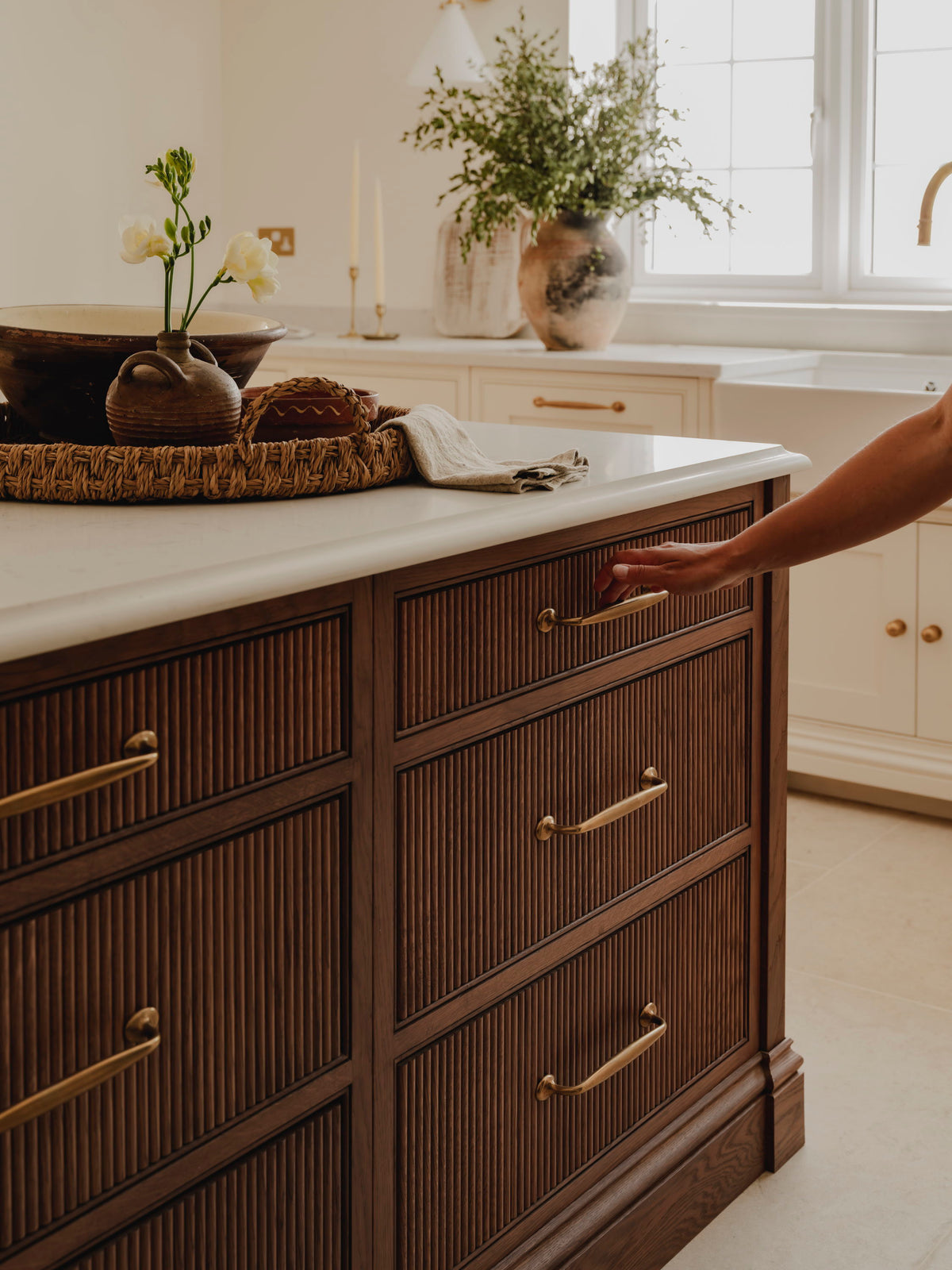
Showing the natural wood grain gives warmth and texture. Unfinished or lightly stained wood is stylish in modern homes.
Mixing Materials
Combining wood, glass, and metal creates a custom look. For example, glass-front cabinets with wood frames.
Accent Lighting
LED strip lighting under cabinets or inside glass doors highlights features and adds a modern touch.
Non-obvious insight: Matte finishes hide fingerprints and smudges better than glossy finishes, making them ideal for busy kitchens.
Budgeting For Kitchen Cabinets
Cabinets are usually the biggest expense in a kitchen remodel. Planning your budget carefully can prevent surprises.
Average Costs
- Stock cabinets: $100-$300 per linear foot
- Semi-custom: $150-$650 per linear foot
- Custom: $500-$1,200 per linear foot
- RTA: $70-$300 per linear foot
A full kitchen can cost anywhere from $2,000 to $25,000 or more, depending on size and choices.
Hidden Costs
- Installation: Professional installation adds $50-$250 per cabinet.
- Hardware: Can add $500-$2,000 for a large kitchen.
- Delivery: Shipping fees vary by supplier.
- Upgrades: Organizers, lighting, and specialty features add extra cost.
Saving Money
- Choose stock or RTA cabinets for tight budgets.
- Pick mid-range materials like plywood instead of solid wood.
- Skip luxury hardware and choose simple, durable options.
- Install cabinets yourself if you have good DIY skills.
Investing Wisely
Spending more on cabinets often pays off in durability and resale value. Kitchens are a top selling point for homes.
Installation And Maintenance
Installing cabinets is a big job. Proper installation ensures they last and work well.
Professional Vs Diy
Hiring a professional is best for complex layouts or custom cabinets. DIY is possible with RTA or simple stock cabinets.
- Pros of professional installation: Guarantees fit, reduces mistakes, protects warranty.
- Cons: Higher cost, scheduling needed.
Key Installation Steps
- Measure your kitchen accurately.
- Mark cabinet placement on walls.
- Install base cabinets first.
- Level cabinets carefully.
- Add wall cabinets above.
- Attach doors and hardware.
- Check alignment and adjust if needed.
Common mistake: Not checking for level. Uneven floors or walls can cause doors and drawers to stick.
Maintenance Tips
- Clean cabinets regularly with mild soap and water.
- Avoid harsh chemicals or abrasive pads.
- Wipe spills quickly, especially on wood and MDF.
- Tighten screws and hardware yearly.
- Check for signs of moisture or damage.
Non-obvious tip: Add felt pads to doors and drawers. This reduces noise and protects cabinet surfaces.
Credit: www.armacmartin.com
Sustainability And Eco-friendly Options
Many homeowners want eco-friendly cabinets. Here’s what to look for.
Sustainable Materials
- Bamboo: Grows fast, strong, and renewable.
- Recycled wood: Uses reclaimed lumber.
- Low-VOC finishes: Reduce indoor air pollution.
Certifications
Look for cabinets with certifications like:
- FSC (Forest Stewardship Council): Ensures wood is responsibly sourced.
- CARB (California Air Resources Board): Controls formaldehyde emissions.
Green Practices
- Choose local suppliers to reduce transport emissions.
- Pick durable cabinets to avoid frequent replacements.
- Recycle old cabinets instead of sending them to landfill.
For more eco-friendly advice, visit EPA Green Building.
Common Mistakes And How To Avoid Them
Even small errors can lead to big problems in kitchen cabinet projects. Here are mistakes to watch for.
- Underestimating storage needs: Plan for more space than you think you need.
- Ignoring workflow: Place cabinets for easy access to stove, sink, and refrigerator.
- Choosing style over function: Don’t sacrifice usability for a trendy look.
- Neglecting lighting: Good lighting makes cabinets look better and helps with cooking.
- Not measuring accurately: Double-check all measurements before ordering.
- Skipping hardware quality: Cheap hardware breaks easily and can be hard to replace.
- Overlooking moisture risks: Use water-resistant materials near sinks and dishwashers.
- Going over budget: Track all costs, including hidden expenses.
- Not planning for future needs: Think about growing families or aging in place.
- Ignoring resale value: Bold choices may limit future buyers.
Experience-based tip: Spend time in your current kitchen and note what frustrates you. Use this list to guide your cabinet design.
How To Choose The Right Cabinets For Your Kitchen
With all these options, how do you decide? Here’s a step-by-step approach.
- Set your budget: Know what you can spend before shopping.
- Measure your space: Accurate measurements prevent costly errors.
- Decide on cabinet type: Stock, semi-custom, custom, or RTA.
- Pick material: Balance durability, appearance, and price.
- Choose style and finish: Match your home’s look and your taste.
- Plan layout: Think about workflow and storage needs.
- Select hardware: Try samples for comfort and style.
- Add organizers: Include features that make life easier.
- Check for sustainability: Look for eco-friendly options if important to you.
- Get quotes: Compare prices from different suppliers.
Non-obvious insight: When comparing quotes, check if installation, hardware, and delivery are included. Some suppliers show only base cabinet costs.
Real-life Examples And Case Studies
Example 1: Small Budget, Big Impact
Maria wanted to update her 100-square-foot kitchen. She chose white RTA cabinets with plywood boxes and simple brushed nickel hardware. Total cost was $3,200 including DIY installation. She gained extra storage by adding a pull-out pantry and deep drawers. The kitchen feels brighter, and she saved thousands compared to custom cabinets.
Example 2: Luxury Remodel
James invested $18,000 in custom cherry cabinets for his large home. He picked raised panel doors, soft-close hardware, and built-in organizers. Professional installation ensured a perfect fit. The cabinets lifted the home’s value and got rave reviews from guests.
Example 3: Eco-friendly Choice
Sara’s family went green with bamboo cabinets and low-VOC finishes. They sourced from a local supplier certified by FSC. The kitchen looks modern, and Sara enjoys healthier indoor air.
| Project Type | Cabinet Type | Material | Total Cost | Main Feature |
|---|---|---|---|---|
| Budget Update | RTA | Plywood | $3,200 | DIY install |
| Luxury Remodel | Custom | Cherry wood | $18,000 | Professional fit |
| Eco-Friendly | Semi-custom | Bamboo | $9,500 | Sustainable |
Frequently Asked Questions
What Is The Best Material For Kitchen Cabinets?
Plywood and solid wood are the most durable and popular. Plywood resists warping and is affordable. Solid wood offers beauty and strength but costs more. For painted cabinets, MDF is a good choice.
How Long Do Kitchen Cabinets Last?
Well-made cabinets can last 20–50 years. Stock and RTA cabinets may need replacing sooner, especially if made from particleboard. Proper care extends their life.
Are Custom Cabinets Worth The Cost?
Custom cabinets are worth it if you want a perfect fit, unique style, or need special features. They cost more, but add value and last longer. For basic needs, semi-custom or stock may be enough.
How Can I Make My Small Kitchen Feel Bigger?
Use light colors, glass-front doors, and open shelving. Avoid heavy, dark finishes. Add under-cabinet lighting to brighten workspaces. Choose simple hardware and avoid clutter.
What Should I Do With Old Cabinets?
Donate usable cabinets to charities or reuse them in garages, workshops, or laundry rooms. Recycle wood and metal parts. Avoid sending old cabinets to landfill whenever possible.
The right kitchen cabinets are more than just storage. They help organize your life, express your style, and can even increase your home’s value. If you take time to plan, understand your options, and avoid common mistakes, you’ll build a kitchen that fits your needs now and for years to come.
Whether you want a budget refresh or a luxury remodel, this guide gives you the tools to make smart, confident choices. Happy cooking and designing!