What Can You Cook In A Pressure Cooker
A pressure cooker can feel like a secret weapon in the kitchen. With its locked lid and steaming power, it can turn tough cuts of meat into tender dishes, make beans soft in minutes, and cook rice perfectly every time.
Even if you’re new to cooking, this tool makes meals faster, simpler, and often more flavorful. Many people think pressure cookers are only for stews, but they can actually make a wide range of food—from breakfast to dessert. Let’s explore what you can really cook in a pressure cooker, and see how this tool can expand your cooking options.
How A Pressure Cooker Works
A pressure cooker uses steam and pressure to cook food. When you lock the lid, steam builds up inside. This raises the boiling point of water, so food cooks at a higher temperature than normal. As a result, meals cook faster and often need less water or oil. This cooking method also helps keep flavors and nutrients in the food.
One thing beginners sometimes miss: the pressure cooker does not brown food. If you want a crispy or brown surface (like for seared meat), you may need to brown it first in the cooker or a separate pan before locking the lid.
Main Dishes You Can Cook
Pressure cookers are famous for speeding up main dishes that usually take hours.
1. Meat Stews And Braises
Tough cuts like beef chuck, pork shoulder, and lamb shank become soft and juicy in under an hour. A classic example is beef stew: meat, potatoes, carrots, and broth. Instead of simmering for 2–3 hours, the pressure cooker does it in 35–40 minutes.
2. Whole Chicken Or Chicken Pieces
You can cook a whole chicken in about 25–30 minutes. Chicken thighs or drumsticks become tender and stay moist. For extra flavor, use spices, garlic, and broth instead of water.
3. Pulled Pork
Pulled pork usually takes 6–8 hours in a slow cooker. In a pressure cooker, pork shoulder with BBQ sauce is ready in about 1 hour. The pressure helps the meat shred easily.
4. Curries
Many Asian and Indian curries, like chicken tikka masala or beef rendang, work well. The pressure helps spices blend and meat soften quickly.
5. Chili And Beans
Dried beans (kidney, black, pinto) become soft in 30–40 minutes—no overnight soaking needed. Chili with ground beef and beans cooks evenly and thickens nicely.
6. Pasta Dishes
You can cook one-pot pasta like mac and cheese, spaghetti with sauce, or even lasagna. The key is to use enough liquid and avoid overcooking.
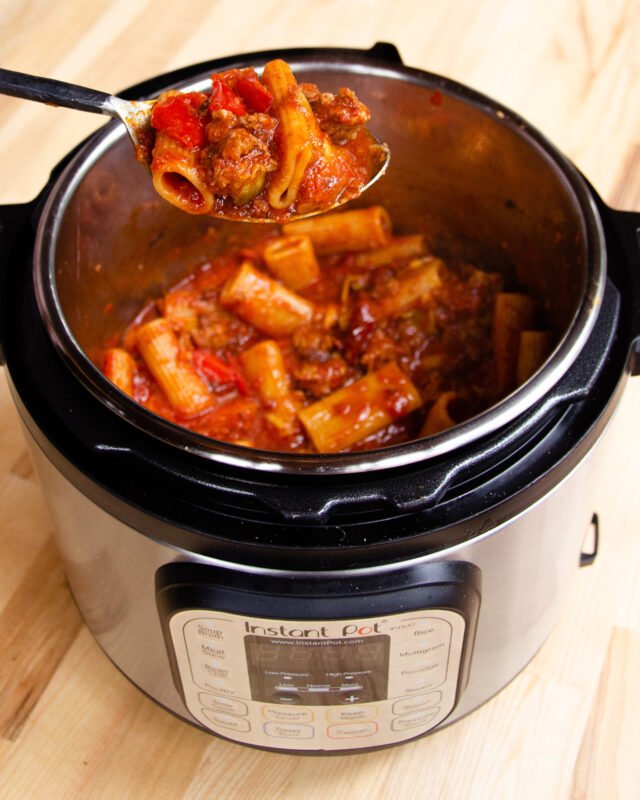
Credit: bluejeanchef.com
Grains, Rice, And Legumes
Grains and beans are often tricky on the stove, but pressure cookers make them simple.
1. Rice
White rice is ready in 3–5 minutes at pressure. Brown rice takes 15–20 minutes. The texture is usually fluffy, not sticky, if you use the right water ratio.
2. Quinoa And Other Grains
Quinoa, barley, and farro all cook quickly—usually in 8–12 minutes. This is faster and easier than boiling and draining.
3. Lentils And Chickpeas
Lentils cook in 6–10 minutes. Chickpeas, usually tough and slow to soften, take about 30–40 minutes from dry.
Here’s a quick comparison of cooking times:
| Food | Stovetop Time | Pressure Cooker Time |
|---|---|---|
| White Rice | 15 minutes | 3-5 minutes |
| Chickpeas (dry) | 2 hours | 35 minutes |
| Beef Stew Meat | 2 hours | 35-40 minutes |
Soups And Broths
Pressure cookers make rich, clear, and flavorful soups in less time.
1. Chicken Or Beef Broth
Homemade broth usually needs to simmer for hours to get deep flavor. In the pressure cooker, you can make chicken or beef broth in 45 minutes. Bones become soft, and the broth is full of nutrients.
2. Vegetable Soup
All the flavors blend quickly, so even a mix of random vegetables makes a warming soup in about 10–15 minutes.
3. Lentil Or Bean Soups
No need to soak beans overnight. Just add beans, water, and spices, and you’ll have a thick, hearty soup in 30–40 minutes.
Vegetables And Sides
Many vegetables cook in just a few minutes. Pressure cookers are good for batch cooking sides.
1. Potatoes
Whole potatoes for mashing are soft in 10–12 minutes. Cubed potatoes take only 6–8 minutes.
2. Steamed Vegetables
Carrots, broccoli, cauliflower, and green beans cook in 2–4 minutes. Be careful—overcooking is easy, so use short times.
3. Corn On The Cob
Pressure cookers turn corn cobs sweet and juicy in 2–3 minutes.
4. Risotto
Traditional risotto means lots of stirring. In a pressure cooker, you add rice, broth, and flavorings, and it cooks in 7–8 minutes. The texture is creamy, almost like classic risotto.
Here’s a look at how fast you can make popular vegetable sides:
| Vegetable | Pressure Time | Notes |
|---|---|---|
| Broccoli (florets) | 2 minutes | Quick release pressure |
| Potatoes (whole) | 12 minutes | Use for mashing |
| Corn on the Cob | 3 minutes | Keep husk on for more flavor |
Breakfasts In A Pressure Cooker
Pressure cookers are not just for dinner. They help make healthy breakfasts too.
1. Oatmeal And Porridge
Steel-cut oats cook in 10–12 minutes. You can set it and walk away—no need to stir. Add fruits or nuts for extra flavor.
2. Egg Dishes
Egg bites, hard-boiled eggs, or even mini frittatas are possible. Hard-boiled eggs peel more easily after pressure cooking and take about 5 minutes.
3. Yogurt
Some electric pressure cookers have a yogurt setting. Milk is heated, cooled, and fermented into creamy yogurt overnight.
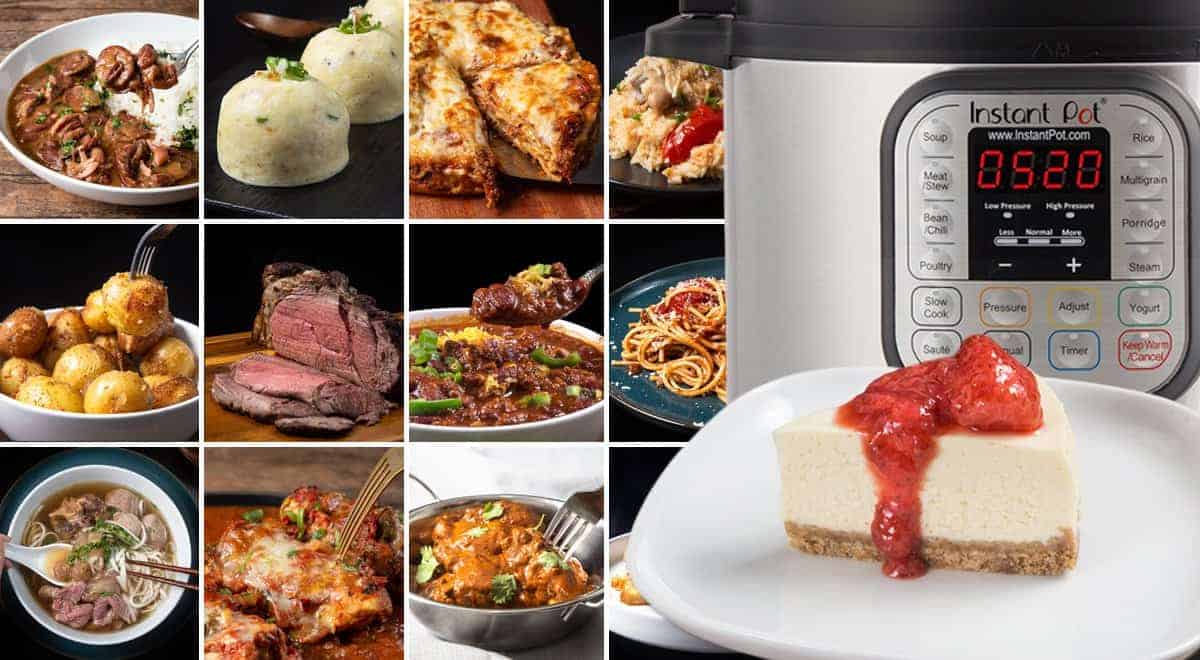
Credit: www.pressurecookrecipes.com
Desserts And Baking
Pressure cookers can surprise you here. The steam helps desserts stay moist.
1. Cheesecake
A pressure cooker gives cheesecake a smooth, creamy texture. It cooks in about 30 minutes, and there’s less risk of cracks.
2. Rice Pudding
Mix rice, milk, sugar, and spices—pressure does the rest in 10–15 minutes.
3. Bread And Cakes
Steamed cakes, banana bread, and even brownies can be made. The result is moist, though not as browned as oven baking.
Here’s a quick summary of dessert options:
| Dessert | Pressure Time | Texture |
|---|---|---|
| Cheesecake | 30 minutes | Smooth, creamy |
| Rice Pudding | 15 minutes | Creamy |
| Banana Bread | 40 minutes | Moist, dense |
You might find this helpful: Best Pressure Cookers for Home Use
Foods To Avoid In A Pressure Cooker
While a pressure cooker is versatile, there are a few foods that don’t work well.
- Delicate fish: It can fall apart or become mushy.
- Pasta with little sauce or water: It may burn or stick.
- Dairy-heavy dishes: Milk can scorch or curdle under pressure.
- Crispy foods: You can’t get a browned crust.
A common beginner mistake is to add cream or cheese at the start. Instead, add dairy after cooking, once you release the pressure.

Credit: www.ranchogordo.com
Essential Tips For Success
- Do not overfill: Most cookers have a line—never fill past it. For beans, fill only halfway.
- Use enough liquid: Pressure cookers need steam to work. Check your model’s minimum requirement (usually 1 cup).
- Quick vs. natural release: Some foods (like veggies) need a quick release to stop cooking. Others (soups, meats) can sit and release slowly.
- Layer ingredients smartly: Put tougher foods at the bottom and delicate ones on top.
- Always check the seal: If the rubber ring is damaged, the cooker won’t reach pressure.
A non-obvious insight: you can use the pressure cooker to sterilize jars for canning or even to quickly peel tomatoes. These tasks are not just for food—they show how flexible this tool can be.
Pressure Cooker Vs. Other Cooking Methods
Pressure cooking is faster and often healthier. Here’s a comparison:
- Time: Most dishes are 2–5 times faster.
- Nutrients: Less water and time means more vitamins stay in the food.
- Energy: Uses less electricity/gas than a simmering pot.
But, the texture can be different. For example, meat is softer, and vegetables are more tender. If you love crispy or roasted flavors, you may need to finish food in the oven or under a broiler.
For more information about the science behind pressure cooking, visit the Wikipedia page on Pressure Cooking.
Frequently Asked Questions
How Much Faster Is A Pressure Cooker?
A pressure cooker can cut cooking times by 50–70%. For example, beans that need two hours on the stove are done in 35–40 minutes. Meat stews that take hours are ready in about 40 minutes.
Can You Cook Frozen Meat In A Pressure Cooker?
Yes, you can cook frozen meat. Add a few extra minutes to the cooking time. Always check that the meat is fully cooked before eating. For large pieces, it’s better to thaw first for even cooking.
Is It Safe To Cook Rice And Beans Together?
You can, but be careful with water ratios. Beans take longer to cook, so it’s best to pre-cook beans or use canned beans if you want to add rice at the same time. Otherwise, the rice may become too soft.
What Should You Never Put In A Pressure Cooker?
Never cook foods that foam a lot, like pasta without enough water, split peas, or oatmeal (unless following a tested recipe). These can block the pressure vent. Avoid frying or using too much oil inside.
Can You Open The Lid During Cooking?
No, it’s not safe to open the lid while under pressure. Always wait until the pressure drops (use the quick or natural release) before opening the cooker. Trying to open early is dangerous.
A pressure cooker is not just a shortcut—it’s a way to make meals easier and sometimes better. Whether you want to cook beans from scratch, make a comforting stew, or try a new dessert, this tool can do it. If you follow the tips above, you’ll find pressure cooking can save you time and open up new ways to cook.
Whether you’re a busy parent, a student, or just someone who loves good food, the pressure cooker is worth exploring in your kitchen.