Skip to content
A rice cooker is one of the most versatile kitchen appliances. Many people think it is only for making rice, but its real power goes much further. If you have a rice cooker, you can prepare a wide range of dishes—some simple, some surprising. Whether you’re a student, a busy parent, or someone with a small kitchen, learning what you can cook in a rice cooker can save time, energy, and space.
Let’s explore the full potential of your rice cooker. You’ll see how it can help you cook meals, snacks, and even desserts, often with less effort and fewer dishes. Along the way, you’ll get practical tips, examples, and comparisons to help you use your rice cooker in smarter ways.
Cooking Rice: More Than Just White Rice
The main job of a rice cooker is, of course, cooking rice. But it handles many types:
- White rice: Short, medium, or long grain.
- Brown rice: Needs more water and time, but cooks well.
- Jasmine and basmati rice: Both aromatic types work perfectly.
- Wild rice and blends: Some models cook these with a little adjustment.
Most rice cookers measure rice using a small cup (usually 180 ml). The standard ratio for white rice is 1 part rice to 1. 5 parts water. Brown rice usually needs 1 part rice to 2 parts water. For other types, check your rice cooker’s manual.
Rice cookers keep rice warm after cooking, which is great for busy families or meal prep.
Steaming Vegetables, Fish, And Dumplings
Many rice cookers come with a steam tray or basket. Steaming is healthy and simple.
- Vegetables: Broccoli, carrots, green beans, and peas steam in 10–15 minutes. Add water to the cooker, place veggies in the tray, and start cooking.
- Fish fillets: Salmon, tilapia, or cod steam in 15–20 minutes. Add herbs or lemon slices for extra flavor.
- Dumplings: Asian dumplings, buns, or siu mai are easy to steam. Place them in the tray, add water, and cook for 10–15 minutes.
Steaming with a rice cooker keeps food moist and preserves nutrients.
One-pot Meals: Easy And Efficient
Rice cookers are perfect for one-pot meals. You can cook everything together. Here are popular examples:
- Rice and beans: Add rice, canned beans, onions, spices, and water. The cooker does the rest.
- Chicken and rice: Put rice, diced chicken, vegetables, broth, and seasonings in the pot.
- Curry or stew: Add chopped vegetables, meat, spices, and coconut milk or broth.
Many rice cookers have a “slow cook” or “sauté” function, making these dishes even easier. The ingredients cook evenly, and you only need one pot to clean.
Comparison: One-pot Meals Vs. Traditional Cooking
| Cooking Method | Time Required | Number of Pots | Hands-On Steps | Cleanup Effort |
|---|---|---|---|---|
| Rice Cooker One-Pot | 30–60 min | 1 | Minimal | Easy |
| Stovetop | 40–90 min | 2–3 | Frequent stirring | Moderate–High |
Cooking Grains: More Than Just Rice
Rice cookers can cook other grains:
- Quinoa: Use 1 part quinoa to 2 parts water. Ready in 20–25 minutes.
- Oats: Steel-cut or rolled oats cook nicely. Add oats and water (or milk) and set the timer.
- Barley: Pearl barley cooks in about 40 minutes.
- Couscous: Add couscous and hot water, then let sit for 5–10 minutes.
Grains cooked in a rice cooker come out fluffy and evenly cooked. This is great for meal prep or breakfast.
Rice Cooker Grain Cooking Times
| Grain | Water Ratio | Approx. Cooking Time |
|---|---|---|
| White Rice | 1:1.5 | 20 min |
| Brown Rice | 1:2 | 40 min |
| Quinoa | 1:2 | 25 min |
| Oats | 1:3 | 25 min |
| Barley | 1:2.5 | 40 min |
Soups And Broths: Simple And Flavorful
You can cook soups and broths in a rice cooker. The gentle heat makes flavors blend well.
- Chicken soup: Add chicken pieces, vegetables, noodles, water, and seasoning.
- Vegetable soup: Use chopped veggies, beans, broth, and herbs.
- Miso soup: Add miso paste, tofu, seaweed, and water.
Set the rice cooker to cook or simmer, and let it run until everything is soft. For richer taste, sauté onions or garlic first if your cooker allows.
Eggs: From Boiled To Omelets
Rice cookers cook eggs in several ways:
- Boiled eggs: Place eggs in the cooker, add water, and set to steam. 10–12 minutes for hard-boiled.
- Omelet or frittata: Beat eggs, pour into the pot with cheese, veggies, or meat, and cook. Nonstick pots work best.
- Poached eggs: Add water and crack eggs into a small bowl or cup inside the cooker.
Rice cookers make eggs simple, especially if you want to cook a batch.
Pasta And Noodles: Yes, It Works
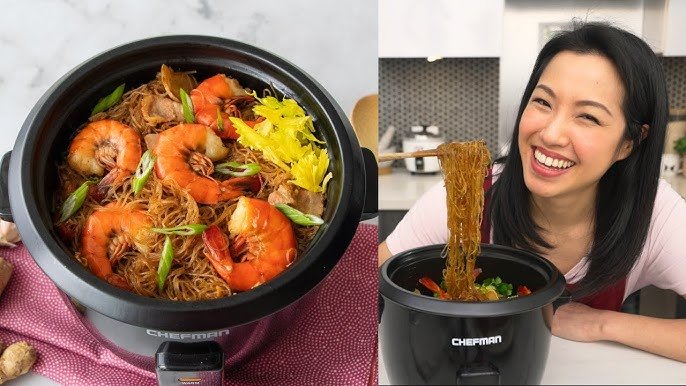
Many rice cookers can cook pasta and noodles:
- Spaghetti or penne: Add pasta and water (enough to cover), cook until tender, then drain.
- Instant noodles: Add noodles, water, and seasoning. You can also add veggies or egg.
You may need to stir occasionally, but it’s an easy option for quick meals.
Baking: Cakes And Breads
Rice cookers can bake simple cakes and breads. This is surprising to many people.
- Sponge cake: Mix batter, pour into greased pot, cook for 45–60 minutes.
- Banana bread: Mix ingredients, add to pot, cook 60–70 minutes.
- Cornbread: Use a basic recipe, cook until golden.
Rice cooker cakes are soft and moist. This is a great option if you don’t have an oven or want to avoid heating the kitchen.
Comparison: Rice Cooker Baking Vs. Oven Baking
| Feature | Rice Cooker | Oven |
|---|---|---|
| Cooking Time | 45–70 min | 30–50 min |
| Texture | Moist, soft | Varies (crispier possible) |
| Preheat Needed | No | Yes |
| Energy Use | Low | High |
Desserts: Sweet Treats Made Easy
Rice cookers can make desserts:
- Rice pudding: Add cooked rice, milk, sugar, and spices. Cook until thick and creamy.
- Steamed custard: Mix eggs, milk, sugar, and steam in small cups.
- Fruit compote: Cook chopped fruit with sugar and lemon juice.
Desserts are simple, and the rice cooker keeps them warm for serving.
Tips For Cooking In A Rice Cooker
To get the best results, follow these practical tips:
- Use the right water ratio: Too much water makes food mushy; too little can burn.
- Don’t overload: Fill only to the marked line.
- Stir mid-cooking: For dishes like oatmeal or stew, a quick stir can prevent sticking.
- Grease the pot: For baking, use oil or butter to prevent sticking.
- Let food rest: After cooking, let dishes sit for 5–10 minutes for better texture.
Many people forget to use the “keep warm” function for dishes other than rice—this can make soups and stews tastier by blending flavors more.
Credit: www.youtube.com
Non-obvious Uses That Beginners Miss
- Heating leftovers: A rice cooker reheats food gently, keeping it moist.
- Making yogurt: Some rice cookers with “keep warm” function can incubate yogurt overnight.
- Cooking beans from dry: Soak beans, then cook with water and seasoning. Takes longer, but works for small batches.
These uses are not in most manuals, but they can save you money and time.
What Not To Cook In A Rice Cooker
While rice cookers are flexible, some foods don’t work well:
- Large roasts or steaks: Not enough heat or space.
- Deep-fried foods: Unsafe and messy.
- Foods needing crispy texture: Rice cookers don’t brown well.
Always check your cooker’s manual for limits.

Credit: kokorocares.com
Choosing The Right Rice Cooker For Your Needs
If you want to use a rice cooker for more than rice, consider these points:
- Size: 3-cup for small households, 6-cup or larger for families.
- Functions: Look for “steam,” “slow cook,” or “cake” settings.
- Nonstick pot: Easier to clean and prevents sticking.
- Timer and keep warm: Helps with meal planning.
Don’t overspend on features you won’t use. For more guidance, see Wikipedia’s Rice Cooker page.
Frequently Asked Questions
Can I Cook Rice And Vegetables At The Same Time?
Yes, you can. Add rice to the pot and place vegetables in the steam tray above. Both cook together, saving time and energy.
How Do I Prevent Food From Sticking To The Rice Cooker?
Grease the inner pot before adding ingredients. Stir mid-way if possible, and avoid overfilling. Nonstick pots help a lot.
Is It Safe To Leave The Rice Cooker On “keep Warm” For Hours?
Most rice cookers are designed for this. However, for safety and freshness, don’t leave food for more than 4–6 hours.
Can I Bake Bread In Any Rice Cooker?
You need a cooker with a nonstick pot and a “cake” or “bake” setting. Not all models are suitable for baking.
How Do I Clean My Rice Cooker?
Let the cooker cool. Remove the pot and wash with warm, soapy water. Wipe the lid and outside with a damp cloth. Do not submerge the main unit.
A rice cooker is much more than a single-purpose machine. It’s a tool for creative cooking, quick meals, and even desserts. With the right approach, you can use it every day for something new. Try new recipes, experiment with grains, and enjoy the simplicity of one-pot cooking.
You’ll soon see why the rice cooker is a must-have for kitchens around the world.

Credit: www.okonomikitchen.com