You’ve probably asked yourself what can you not blend in a blender at some point. Maybe you saw a recipe that seemed risky, or you heard a story about a blender jar exploding. The truth is, blenders are tough but they have limits.
Exceed them and you risk damaging the motor, cracking the jar, or getting hurt.
Blender manufacturers and safety organizations like UL specify clear guidelines. As of 2026, most glass blender jars can’t handle a temperature swing over 60°F, that’s thermal shock territory. Plastic jars are more forgiving but can still warp.
Know these limits and your blender will last longer and stay safer.
Quick Answer
Blenders cannot handle hot liquids above 140°F, carbonated drinks, ice alone, whole coffee beans, or large whole fruits. These cause jar cracking, pressure bursts, motor burnout, or blade damage. Check your blender’s manual for exact limits.
What Can Actually Break a Blender? (Core Facts)
A blender’s motor, jar, and blade assembly each have weak points. Here are the main failure modes.
Motor burnout. Thick, dry blends or continuous operation on tough ingredients can overheat the motor. Most blenders have thermal cutoffs, but abuse will shorten its life.
Jar cracking. Glass jars are vulnerable to thermal shock. Pouring boiling liquid into a cold blender can shatter them. Plastic jars can warp or crack from heat too.
Blade dulling. Hard ingredients like coffee beans, whole spices, or frozen fruit pits wear down blades faster than intended. Dull blades lead to poor blending.
Pressure buildup. Carbonated drinks or hot liquids in a sealed blender create internal pressure. When you open the lid, hot liquid can erupt. This is one of the most common injury risks.
Seal failure. Overfilling or blending fibrous items can push past the lid seal, causing leaks and mess.
If your blender is struggling, it might be time to inspect the blades. Our guide on when you should replace blender blades covers the telltale signs.
The Real Danger Zone: Hot Liquids, Carbonation, and Pressure
This is where most blender accidents happen. Let’s break it down.
Hot liquids. Blending hot soup or sauce seems logical, but a sealed blender jar traps steam. The pressure forces the lid loose, and hot liquid sprays everywhere. Even heat-safe plastic jars warp over time.
Let hot liquids cool to below 140°F before blending. If you’re in a hurry, leave the center cap off and cover loosely with a towel to allow venting.
Carbonated drinks. Soda, sparkling water, or beer will fizz violently in a blender. The agitation releases CO2, building pressure fast. The lid can blow off, and the liquid will foam over.
Never blend carbonated beverages in a sealed blender.
Pressure and thermal shock. A sudden temperature difference of more than 60°F can crack a glass jar. For example, blending a hot sauce with frozen ingredients is a recipe for disaster. Always start with room temperature or warm liquids, not cold from the fridge.
Underwriters Laboratories standards for small appliances require manufacturers to test for these scenarios. UL certification ensures basic safety, but user error still causes many incidents.
If you’re unsure about jar material, our comparison of glass vs plastic blender jars explains which handles heat better.
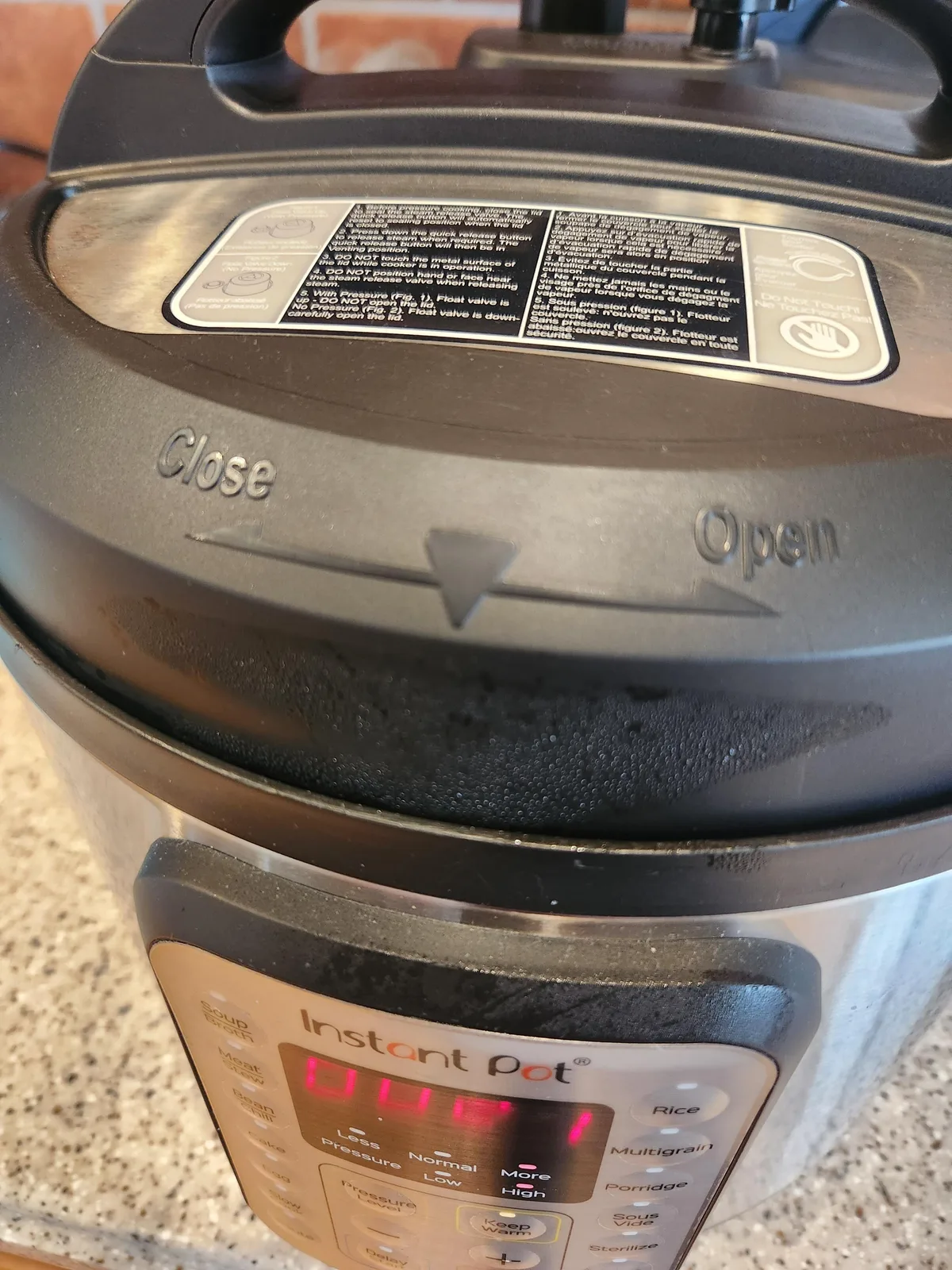
Image source: Web (Bing) / reddit.com
Hard, Dry, and Fibrous Items: What Blades Can and Can’t Handle
Blenders are designed for blending with liquid. Dry or hard ingredients challenge them in three main ways.
Whole spices and coffee beans. These are hard and dense. A blender can grind them in small batches with liquid, but running dry can damage the blade and motor. Use a coffee grinder or mortar and pestle instead.
Bones, fruit pits, and other extremely hard objects should stay out of a standard blender. Bones can jam the blades, while hard pits from peaches or cherries can damage the blade assembly or strain the motor.
This also includes non-food objects such as metal, glass, or hard plastic. If a recipe contains bones or pits, remove them completely before blending. For very hard ingredients, use an appliance designed for the job instead of forcing them through the blender.
Ice without liquid. Some blenders handle ice just fine, but many standard models need liquid to create a vortex that pulls ice into blades. If you load ice without liquid, the blades spin without cutting, and the motor strains. For tips, see our article on why your blender might not be crushing ice.
Fibrous vegetables. Celery, kale, ginger root, and pineapple skin have tough fibers that wrap around the blade shaft. This can jam the blade or strip the plastic bushing. The solution is to chop them into small pieces and blend with enough liquid.
Large whole fruits. A whole apple or orange can get stuck under the blade. A whole pineapple is too large for most jars. Always cut produce into cubes under 1 inch for even blending.
If you mainly need to grind dry ingredients, a food processor or spice grinder is a better tool. Our guide on using a blender as a food processor explains the limits.
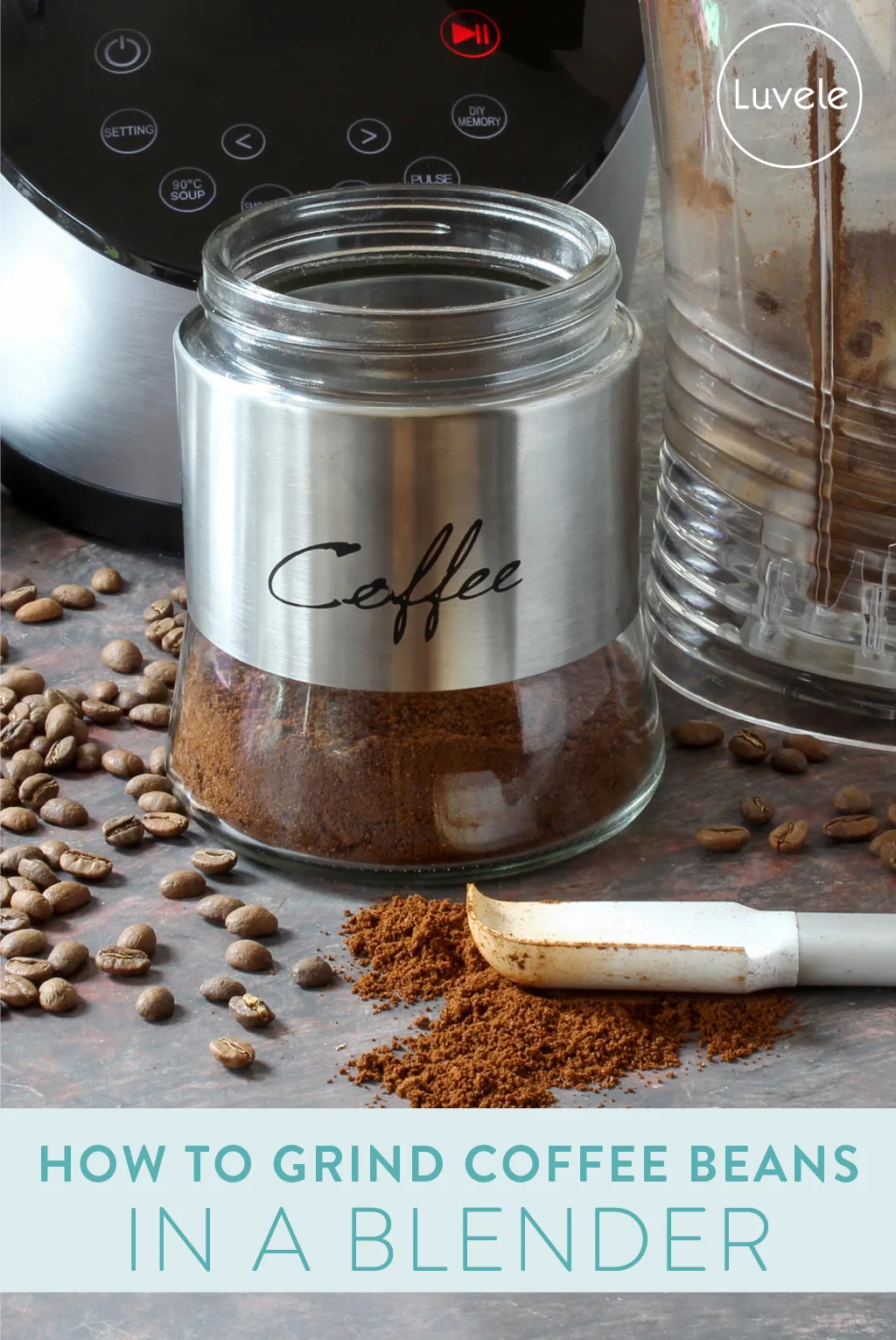
Image source: Web (Bing) / luvele.co.nz
How to Blend Safely: Step-by-Step Rules That Protect You and Your Blender
Follow these steps to avoid mishaps and extend your blender’s life.
- Cool hot liquids. Let soups or sauces cool to below 140°F before blending. If you’re in a hurry, vent the center cap and cover with a towel to allow steam to escape.
- Layer ingredients correctly. Always put liquids in first, then soft ingredients, then hard or frozen items on top. This creates a vortex that pulls everything down into the blades. For a deeper look, our guide on blender pulse vs blend features covers layering and technique.
- Use the tamper. For thick mixes, use the tamper (if supplied) while the motor runs. Never stick a spoon in while running.
- Pulse for control. When blending hard items, use pulse mode. This lets the blades reset and reduces strain on the motor. Our article on pulse vs blend differences explains when each is best.
- Don’t overfill. Keep the jar no more than two-thirds full for liquid blends, three-quarters for foam-prone items like smoothies.
- Let the motor rest. If you’re making a long blend or multiple batches, give the motor a 30-second break between cycles to prevent overheating.
Image source: Web (Bing) / clankitchen.com
Following these rules will help you avoid the most common blending mistakes.
When to Use Another Appliance Instead of Your Blender
Not every kitchen task belongs in a blender. Knowing when to reach for something else saves frustration and equipment.
For dry grinding. Coffee beans, whole spices, nuts, and grains need a coffee grinder, spice mill, or food processor. A blender can handle small amounts with liquid, but dry running damages the blade assembly and motor bearings.
For fibrous veggies. Celery, kale stems, and ginger root wrap around blender blades. A juicer or food processor handles them better. If you only have a blender, chop them small and add enough liquid to keep them moving.
For hot soups. Immersion blenders let you puree soup directly in the pot without transferring hot liquid. Our guide on how to use an immersion blender for soup shows the safe technique. Countertop blenders work too, but only after the soup cools.
For dough or thick batters. Blenders lack the torque for stiff mixes. A stand mixer or hand mixer is the right tool. Our comparison of hand mixer vs immersion blender clarifies which does what.
For small batches. Single-serve blenders or immersion blenders handle smaller volumes more efficiently than a full-size jar. If you make single smoothies, an immersion blender might be the better option. Our honest take on whether immersion blenders are worth it covers the trade-offs.
Here is a quick reference table for choosing the right appliance:
| Task | Best Appliance | Blender Alternative? |
|---|---|---|
| Grind coffee beans | Coffee grinder | Only with liquid, poor results |
| Puree hot soup | Immersion blender | Vent lid, cool first |
| Make nut butter | Food processor | High-speed blender works but strains motor |
| Crush ice for drinks | Blender with liquid | Ice alone damages blades |
| Knead dough | Stand mixer | Not recommended |
| Chop fibrous vegetables | Food processor | Chop small, add liquid |
Frequently Asked Questions
Can I blend hot coffee in a blender?
No, hot coffee above 140°F creates pressure buildup in a sealed jar. Let it cool first, or use an immersion blender directly in the mug or pot.
Can I blend ice alone in a blender?
Only if your blender is specifically rated for ice crushing. Most standard blenders need water or milk to create a vortex that pulls ice into the blades. Without liquid, the blades spin without cutting and the motor strains.
Can I blend raw potatoes in a blender?
Raw potatoes release starch that turns into a gluey paste. The texture is unpleasant. For mashed potatoes, cook first, then blend with liquid and butter for a smooth result.
Can I blend whole spices without liquid?
Not recommended. Whole spices are hard and dense. They can dull the blade and overheat the motor.
Use a dedicated spice grinder or crush them with a mortar and pestle.
Can I blend carbonated beverages?
Never blend soda, sparkling water, or beer in a sealed blender. The agitation releases CO2, builds pressure, and can blow the lid off. If you need to mix a carbonated drink, stir gently by hand.
Can I blend frozen fruit without liquid?
Frozen fruit alone will stall most blenders. Always add yogurt, milk, juice, or water to create a vortex and keep the blades moving. For more on smoothie techniques, our recipe for frozen banana ice cream in a blender shows the right liquid ratio.
What is the best way to clean a blender after blending tough ingredients?
Fill the jar halfway with warm water and a drop of dish soap. Run the blender on high for 30 seconds, then rinse. For dried-on residue, let it soak before running the cleaning cycle.
Final Verdict: What to Keep Out of the Pitcher for Good
Here is the bottom line on what does not belong in a blender.
Never blend: hot liquids above 140°F, carbonated beverages, ice alone, whole coffee beans, large whole fruits, fibrous vegetables without enough liquid, or solid non-food objects.
Use caution with: thick nut butters, dried fruit without soaking, frozen fruit without liquid, and hard spices in large quantities.
What is safe: most fruits and vegetables (chopped), yogurt, milk, juice, cooked soft foods, ice with liquid, and room temperature soups and sauces.
The best advice for a new blender owner is simple. Always put liquid in first. Leave room for the vortex to form.
And when in doubt, check your manual or our sizing guide on what size blender you actually need. A blender is a powerful tool when you understand its limits. Respect those limits, and it will serve you for years.