If you enjoy homemade jams, vegetables, and soups, you may have heard about canning pressure cookers. These special appliances help people preserve food safely at home. But what exactly is a canning pressure cooker, and why does it matter in home kitchens today? Let’s explore how these devices work, their benefits, and what you need to know if you’re considering using one.
What Is A Canning Pressure Cooker?
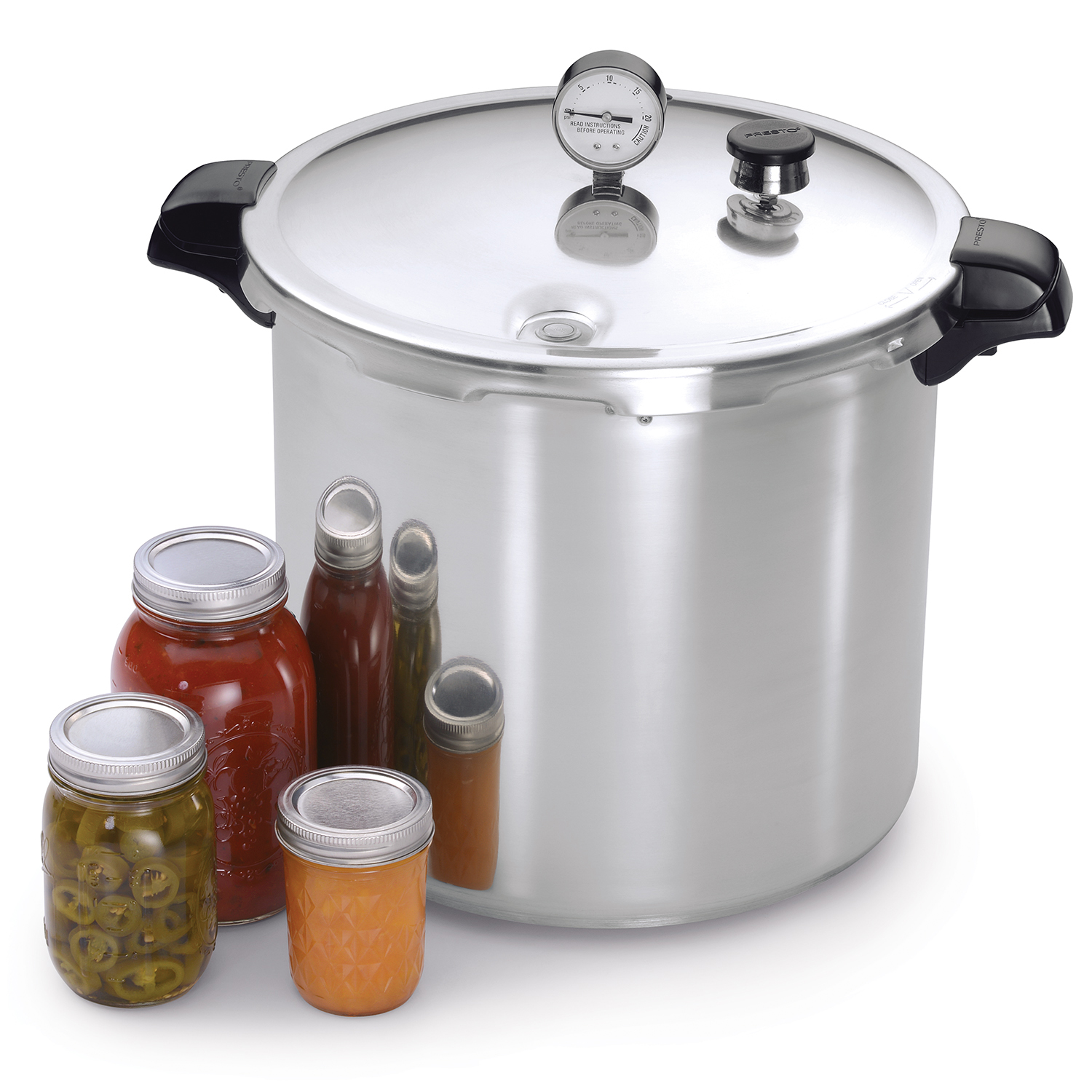
A canning pressure cooker is a large, strong pot designed to seal and cook jars of food under high pressure. Unlike regular pressure cookers, canning pressure cookers reach higher pressures and keep steady temperatures for longer periods. This process kills harmful bacteria, such as Clostridium botulinum, which can cause food poisoning. The goal is to keep your food safe for months or even years.
Home canning has become popular again in recent years. According to the USDA, home canning sales rose by 25% between 2019 and 2026, as more people wanted to control their food and reduce waste. But safe canning needs the right equipment, especially when dealing with low-acid foods like meat, beans, and most vegetables.
How A Canning Pressure Cooker Works
A canning pressure cooker operates by trapping steam inside the pot. This steam builds up pressure, raising the boiling point of water above 212°F (100°C). Most canning pressure cookers reach 240°F (115°C), which is necessary to destroy bacteria and spores.
Here’s a typical process:
- Fill jars with prepared food and add lids.
- Place jars inside the pressure cooker.
- Add water (usually 2–3 inches).
- Lock the lid, making sure the seal is tight.
- Heat the cooker until steam escapes from the vent.
- Close the vent and let pressure build to the recommended level (often 10–15 PSI).
- Maintain this pressure for the required time (20–90 minutes, depending on the food).
- Let the cooker cool naturally before opening.
The higher temperature is the key difference from water bath canning, which only works for high-acid foods like fruit and jams.
:max_bytes(150000):strip_icc()/sea-pressure-canners-winners-afton-cyrus-02-d5b3c920014d45db8b59c5642b22c0a6.jpeg)
Credit: www.seriouseats.com
Types Of Canning Pressure Cookers
There are two main types: stovetop models and electric models. Both do the same job, but each has pros and cons.
| Type | Pros | Cons |
|---|---|---|
| Stovetop | Reliable, durable, easy to control pressure | Requires a stove, heavy, manual monitoring |
| Electric | Automatic controls, safer for beginners, portable | Limited capacity, slower, more expensive |
Most experienced canners prefer stovetop models because they handle large batches and give more control. Electric models are popular with people who want convenience or don’t have a stove.
Key Features To Look For
When buying a canning pressure cooker, pay attention to these features:
- Size and Capacity: Standard sizes range from 16 to 23 quarts. Bigger models let you process more jars at once, saving time.
- Material: Most are made from aluminum or stainless steel. Stainless steel is heavier but lasts longer and resists stains.
- Pressure Gauge: A dial gauge shows the exact pressure. A weighted gauge uses a weight to control pressure automatically.
- Safety Valves: Good models have backup valves to release excess pressure if needed.
- Locking Lid: A secure locking system prevents accidental opening under pressure.
Here’s a comparison of common sizes and their jar capacity:
| Cooker Size | Pint Jars | Quart Jars |
|---|---|---|
| 16 Quart | 7–9 | 5–7 |
| 21 Quart | 12–14 | 7–9 |
| 23 Quart | 16–18 | 10–12 |
A common mistake is buying a small cooker and spending hours processing many batches. Choose a size that fits your needs.
Why Use A Canning Pressure Cooker?
The main reason is food safety. Low-acid foods need high temperatures to kill bacteria. Boiling water isn’t enough. A pressure cooker makes sure your food is safe.
Other benefits include:
- Long shelf life: Properly canned food can last 1–2 years without spoiling.
- Cost savings: You can buy or grow produce in bulk and preserve it.
- Flavor and nutrition: Home-canned food often tastes better and keeps more nutrients.
- Less waste: Preserve seasonal produce instead of throwing it away.
According to the CDC, using a pressure cooker reduces the risk of botulism from home-canned foods by over 90% compared to boiling water methods.
Common Foods For Pressure Canning
Pressure canning is essential for most low-acid foods. Here are some examples:
- Vegetables: Green beans, carrots, peas, corn
- Meat: Chicken, beef, pork, fish
- Soups and stews
- Beans and legumes
- Potatoes
High-acid foods like tomatoes and fruit can be water bath canned, but adding low-acid ingredients (like onions or peppers) requires a pressure cooker.
You might find this helpful: Best Pressure Cookers for Canning
Step-by-step Guide: Using A Canning Pressure Cooker
If you’re new to pressure canning, follow these steps:
- Prepare jars and lids: Wash them and check for cracks.
- Fill jars: Add your food, leaving space at the top (usually 1 inch).
- Seal jars: Place lids and screw on bands, but not too tightly.
- Add water to cooker: Usually 2–3 inches.
- Insert jars: Use a jar rack to keep jars off the bottom.
- Lock lid: Follow the manufacturer’s instructions.
- Build pressure: Heat until steam escapes, then close the vent.
- Process: Keep the correct pressure for the right time.
- Cool down: Let the cooker cool naturally before opening.
- Remove jars: Place on a towel and let cool. Check seals after 12–24 hours.
Here’s a quick comparison between pressure canning and water bath canning:
| Method | Foods | Temperature | Safety |
|---|---|---|---|
| Pressure Canning | Low-acid foods | 240°F (115°C) | High |
| Water Bath Canning | High-acid foods | 212°F (100°C) | Medium |
Many beginners forget to let the cooker cool completely before opening. Opening too soon can cause jars to crack and spoil food.
Safety Tips And Common Mistakes
Pressure canning is safe if you follow the rules. Here are practical tips:
- Always check your cooker’s pressure gauge for accuracy. Many local extension offices will test it for free.
- Never force the lid open. Wait until pressure drops to zero.
- Use only approved recipes from trusted sources. Improvising can be dangerous.
- Don’t overfill jars. Leave enough space for food to expand.
- Replace damaged or old rubber seals.
A hidden risk is using recipes from the internet without checking if they meet USDA safety standards. This can lead to unsafe food.
Maintenance And Care
Taking care of your canning pressure cooker will make it last longer:
- Wash pot, lid, and gasket after every use.
- Check the pressure gauge yearly.
- Store with the lid off to prevent smells.
- Replace rubber gaskets every 2–3 years, or sooner if cracked.
Stainless steel models are easier to clean and don’t stain as easily as aluminum.
Choosing The Right Model
When shopping for a canning pressure cooker, consider:
- Price: Good models range from $70–$300.
- Brand reputation: Look for brands like Presto, All American, and Mirro.
- Warranty: A longer warranty means better support.
- Customer reviews: Look for comments about reliability and ease of use.
You can compare models and read safety guides from the USDA’s National Center for Home Food Preservation at NCHFP.
:max_bytes(150000):strip_icc()/sea-pressure-canners-winners-afton-cyrus-01-cc672d23c6604c1b8254f967d01600ec.jpeg)
Credit: www.seriouseats.com
Advanced Tips For Experienced Canners
If you already have canning experience, try these:
- Use a double-decker rack to process more jars at once.
- Adjust pressure for altitude—higher elevations need more pressure.
- Keep a logbook of your canning projects, including recipes, processing times, and seal checks.
- Use a digital thermometer to check internal jar temperature, especially for meat.
A surprising tip: Letting jars cool slowly leads to stronger seals and fewer leaks.
Frequently Asked Questions
What Foods Require A Canning Pressure Cooker?
Low-acid foods like meat, beans, and most vegetables must be pressure canned to kill dangerous bacteria. High-acid foods, such as fruit and jams, can be safely water bath canned.
Can I Use A Regular Pressure Cooker For Canning?
No. Regular pressure cookers are usually smaller and not designed for steady, high-pressure processing of jars. Only use cookers labeled as “canners” and approved for home canning.
How Do I Know If My Jars Are Sealed?
After cooling, press the center of each lid. If it doesn’t move or pop, the jar is sealed. If it clicks or moves, the jar is not sealed and should be refrigerated and used soon.
Is Pressure Canning Safe For Beginners?
Yes, if you follow instructions carefully and use tested recipes. Modern canning pressure cookers have safety features to prevent accidents. Always read the manual before starting.
What Is The Difference Between A Dial And Weighted Gauge?
A dial gauge shows the exact pressure and needs yearly calibration. A weighted gauge uses a weight that jiggles or rocks to control pressure automatically. Both are safe, but weighted gauges are easier for beginners.
Home canning is a rewarding hobby that helps you save money, reduce waste, and enjoy delicious food year-round. With the right canning pressure cooker, you can create safe and tasty meals for your family. Always follow safety guidelines and keep your equipment in good condition.
If you’re ready to start, choose a reliable model, learn the process, and enjoy the benefits of home food preservation.
Credit: www.gopresto.com