What makes a great kitchen tool? For many home cooks and professionals, the answer is a heavy bottom sauce pan. It’s a simple piece of cookware, but if you’ve ever burned a sauce or struggled with uneven heating, you know why the bottom matters. Let’s look at what a heavy bottom sauce pan really is, why it’s different, and how it can change your cooking results.
What Is A Heavy Bottom Sauce Pan?
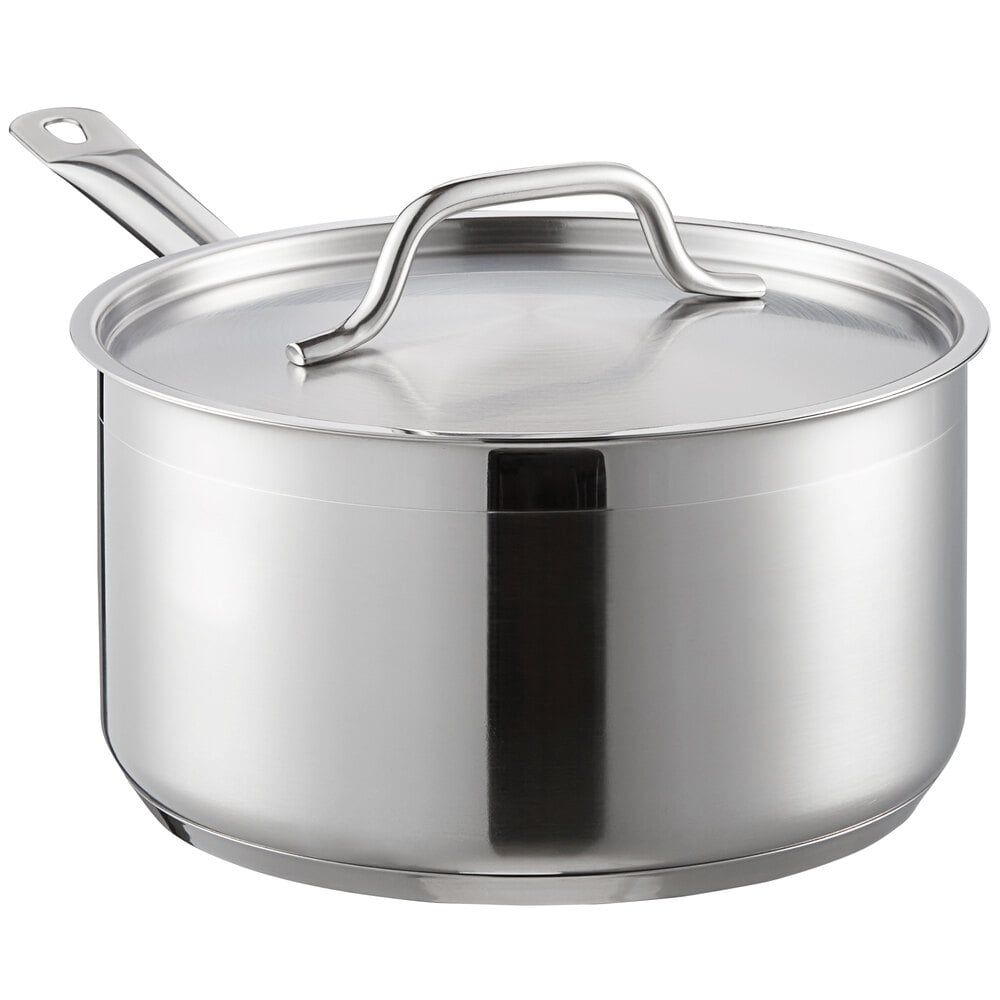
A heavy bottom sauce pan is a pot with a thick base, usually made from materials like stainless steel, aluminum, or copper. Unlike regular pans, the base is much heavier—sometimes double or triple the thickness. The purpose is simple: better heat distribution and retention. This means your food heats up evenly, and you’re less likely to burn sauces or delicate foods.
Most heavy bottom sauce pans have straight sides, a long handle, and a lid. They range in size from 1 quart (about 1 liter) to 4 quarts or more. You’ll find them in both home and professional kitchens, especially where sauces, custards, or anything prone to scorching are common.
Why Does The Bottom Matter?
Heat moves through metal in a process called conduction. Thicker metal spreads heat more slowly, but also more evenly. A thin pan can create hot spots, where some parts get much hotter than others. In sauce-making, this can cause lumps, burning, or sticking.
A heavy bottom does three important things:
- Even Heating: Reduces hot spots, so food cooks at the same rate everywhere.
- Heat Retention: Maintains steady temperature, even when you add cold ingredients.
- Reduces Burning: Protects delicate sauces, custards, and chocolates from direct, harsh heat.
For example, when making caramel or melting chocolate, a thin pan can easily scorch the sugar or chocolate. A heavy bottom pan gives you more control.
Credit: www.webstaurantstore.com
Key Features Of A Heavy Bottom Sauce Pan
Not all sauce pans with a thick base are the same. Here are the details that matter:
| Feature | Why It Matters |
|---|---|
| Material | Stainless steel is durable and non-reactive. Aluminum spreads heat well. Copper offers top heat control, but often needs a lining. |
| Base Thickness | Heavier base (usually 3-5 mm) means better heat distribution. |
| Core Layer | Some pans have an aluminum or copper core sandwiched between steel for best results. |
| Handle Design | Riveted or welded handles stay secure, and stay-cool handles are safer. |
| Lid Fit | Tight lids prevent moisture loss, important for reducing sauces. |
Materials: What Makes A Pan “heavy Bottom”?
Heavy bottom sauce pans are made from one or more of these materials:
- Stainless Steel: Won’t react with acidic foods. Durable and easy to clean.
- Aluminum: Excellent heat conductor, but can react with acidic foods if uncoated.
- Copper: Best for heat control, but expensive and needs lining.
- Clad/Multilayer Construction: Many top brands use a thick aluminum or copper core, sandwiched between stainless steel layers. This combines the advantages of each material.
For example, a 3-ply pan typically has stainless steel outside and inside, with an aluminum core. A 5-ply pan might add layers for even more control. Most home cooks will notice a difference between a single-ply (just one metal) and a multi-ply pan.
How A Heavy Bottom Sauce Pan Improves Cooking
Perfect Sauces, Every Time
When making a classic béchamel or a chocolate ganache, temperature control is everything. A heavy bottom pan helps prevent the dreaded burnt layer that ruins a dish.
Even Browning
For dishes like caramelized onions or pan sauces, even browning is key. A thick base spreads the heat, so you get perfect color without burning.
No More Scorched Milk
Heating milk or cream? A heavy bottom pan greatly reduces the risk of scorching. It gives you a “safety buffer” that’s hard to get with thin pans.
Better For Simmering
Recipes that require long simmering—like tomato sauce or custards—benefit from a pan that keeps heat steady and gentle.
Comparing Heavy Bottom Vs. Regular Sauce Pans
Here’s how heavy bottom sauce pans compare to typical thin-bottomed pans:
| Aspect | Heavy Bottom Sauce Pan | Regular Sauce Pan |
|---|---|---|
| Heat Distribution | Excellent, very even | Poor, hot spots common |
| Burning Risk | Low | High |
| Cost | Higher | Lower |
| Durability | Long-lasting | Often warps or dents easily |
| Weight | Heavier | Lighter |
The main trade-off is weight and price. A heavy bottom pan costs more and is heavier to lift, but the cooking results are usually worth it.
When Should You Use A Heavy Bottom Sauce Pan?
While you can use a heavy bottom pan for almost anything, it’s especially useful for:
- Making sauces (béchamel, tomato, hollandaise, caramel)
- Cooking custards and puddings
- Melting chocolate or butter
- Heating milk or cream
- Simmering grains or legumes
- Preparing jams or preserves
If you find yourself burning or sticking food often, or if you love making sauces, this pan will save you frustration.
Common Sizes And Shapes
Heavy bottom sauce pans come in a few standard sizes:
| Size (Quarts) | Best Uses | Common Diameter (inches) |
|---|---|---|
| 1 – 1.5 qt | Small batches, melting butter, reheating | 5 – 6 |
| 2 – 3 qt | Most sauces, rice, grains | 6 – 7 |
| 4 qt and up | Soups, stews, large batches | 7 – 8 |
Choose based on your cooking habits. For most, a 2- or 3-quart pan is the most versatile.
Credit: www.nikrest.ca
Practical Buying Tips
If you’re shopping for a heavy bottom sauce pan, keep these points in mind:
- Test the weight: It should feel solid, but not too heavy to lift when full.
- Check the base thickness: Look for at least 3 mm. Many brands list this in the specs.
- Inspect the construction: Multi-ply or clad pans offer better results than single-layer pans.
- Handle comfort: Try gripping the handle. Some get hot; look for stay-cool options.
- Lid fit: A well-fitting lid saves energy and helps with simmering.
A common mistake is buying a “heavy” pan that’s only thick on the sides, not the bottom. Make sure the base is where the extra thickness is.
Care And Maintenance
Heavy bottom sauce pans are usually easy to clean, but here are a few tips:
- Avoid metal utensils if your pan has a nonstick or enamel coating.
- Wash soon after use to prevent burnt residue from sticking.
- For stubborn stains, simmer water and a little baking soda in the pan.
- Avoid sudden temperature changes (like running cold water into a hot pan) to prevent warping, especially with aluminum or copper pans.
Taking care of your pan will keep it in top shape for years.
Non-obvious Insights Beginners Often Miss
- Not All Weight Is Good: A pan can feel heavy but still have a thin base if weight comes from thick sides or a bulky handle. Always check the actual base thickness.
- Heavier Isn’t Always Better: For tasks like boiling water or making instant noodles, a heavy bottom pan can slow things down. Keep a lighter pan for quick jobs.
- Heat Settings Change: Because heavy bottom pans retain heat so well, you often need to cook at a slightly lower heat. This prevents overheating and food sticking.
- Preheating Matters: For perfect sauces, let the pan preheat gently before adding ingredients. This avoids temperature shocks and sticking.
- Multi-Ply Pans Cost More Upfront but Save in the Long Run: They last longer and deliver better results, so you replace them less often.
When To Skip A Heavy Bottom Pan
While heavy bottom pans are versatile, they aren’t always the best choice:
- For boiling large amounts of water (like pasta), any large pot works.
- Lightweight pans are better for quick heating tasks, like reheating soup.
- If you have weak wrists or mobility issues, lifting a heavy pan full of food can be challenging.
If you’re just starting out, one good heavy bottom sauce pan and one lighter pan cover most needs.
Real-world Example: How A Heavy Bottom Pan Saved A Sauce
Imagine making a delicate custard. In a thin pan, you stir constantly, worrying about burning. Even a few seconds of distraction can ruin the dish. With a heavy bottom sauce pan, you get a buffer. The heat spreads slowly, giving you extra time to react.
Many chefs say this is the difference between “almost” and “perfect” results.
How To Test If Your Pan Is Heavy Bottom
If you already own a pan and wonder if it’s “heavy bottom,” try these:
- Tap the bottom with a spoon: Thick pans make a dull sound; thin ones ring.
- Press the center when hot: If it warps or flexes, it’s likely too thin.
- Compare weight: Two pans the same size—heavier usually means thicker base.

Credit: www.amazon.com
Top Brands And Price Ranges
Some well-known brands for heavy bottom sauce pans include:
- All-Clad
- Cuisinart MultiClad Pro
- Calphalon
- Le Creuset (enamel-coated options)
- Mauviel (copper pans)
Prices vary widely. Expect to pay $40–$150 for a good stainless steel/aluminum pan, and $150+ for copper. Sometimes you can find deals on reputable brands at outlet stores.
Sustainability And Safety
A good heavy bottom sauce pan lasts decades, reducing waste. Stainless steel and aluminum are recyclable, and most pans are free of harmful coatings. Always check for PFOA-free and lead-free labels if this matters to you.
For more on cookware safety, see the Wikipedia page on cookware.
Frequently Asked Questions
What Foods Benefit Most From A Heavy Bottom Sauce Pan?
Delicate sauces, custards, and chocolates benefit most. The even heat prevents burning and sticking, which is essential for these recipes.
Are Heavy Bottom Pans Safe For Induction Cooktops?
Most heavy bottom pans made from magnetic stainless steel or with an induction-compatible base will work. Check for an induction symbol or ask the manufacturer.
Can I Use A Heavy Bottom Sauce Pan In The Oven?
Many heavy bottom pans are oven-safe, especially if they have metal handles. Always check the manufacturer’s instructions and avoid high temperatures if your pan has plastic or wooden handles.
How Do I Clean A Burnt Heavy Bottom Sauce Pan?
Fill the pan with water and a spoonful of baking soda. Simmer for 10–15 minutes, then scrub gently with a soft sponge. Avoid steel wool on nonstick or enamel coatings.
Is A Nonstick Heavy Bottom Sauce Pan A Good Idea?
Nonstick coatings can be helpful for sticky foods, but they wear out over time. For most sauces, a stainless steel or enameled surface is better, as it handles high heat and lasts longer.
A heavy bottom sauce pan is a game-changer for anyone serious about cooking. It makes sauces smoother, custards silkier, and reduces the stress of burning or sticking food. With the right care, this tool can serve you for decades. Whether you’re a beginner or a seasoned cook, investing in a quality heavy bottom sauce pan is a smart move—one that’s sure to pay off in delicious results.