A metal spatula is one of the most useful tools in any kitchen, yet many people only see it as a simple flipping device. If you’ve ever wondered why professional chefs reach for a metal spatula so often, or what makes it different from silicone or plastic spatulas, you’re in the right place.
Let’s explore what a metal spatula is used for, how it stands out, and why it deserves a spot in your kitchen drawer.
What Is A Metal Spatula?
A metal spatula is a kitchen utensil with a flat, thin blade made from stainless steel or other metals. Its main purpose is to help lift, turn, and serve food during cooking. The blade is usually flexible, allowing you to slide under food easily.
Most metal spatulas have a handle made from wood, plastic, or metal, which keeps your hand safe from heat.
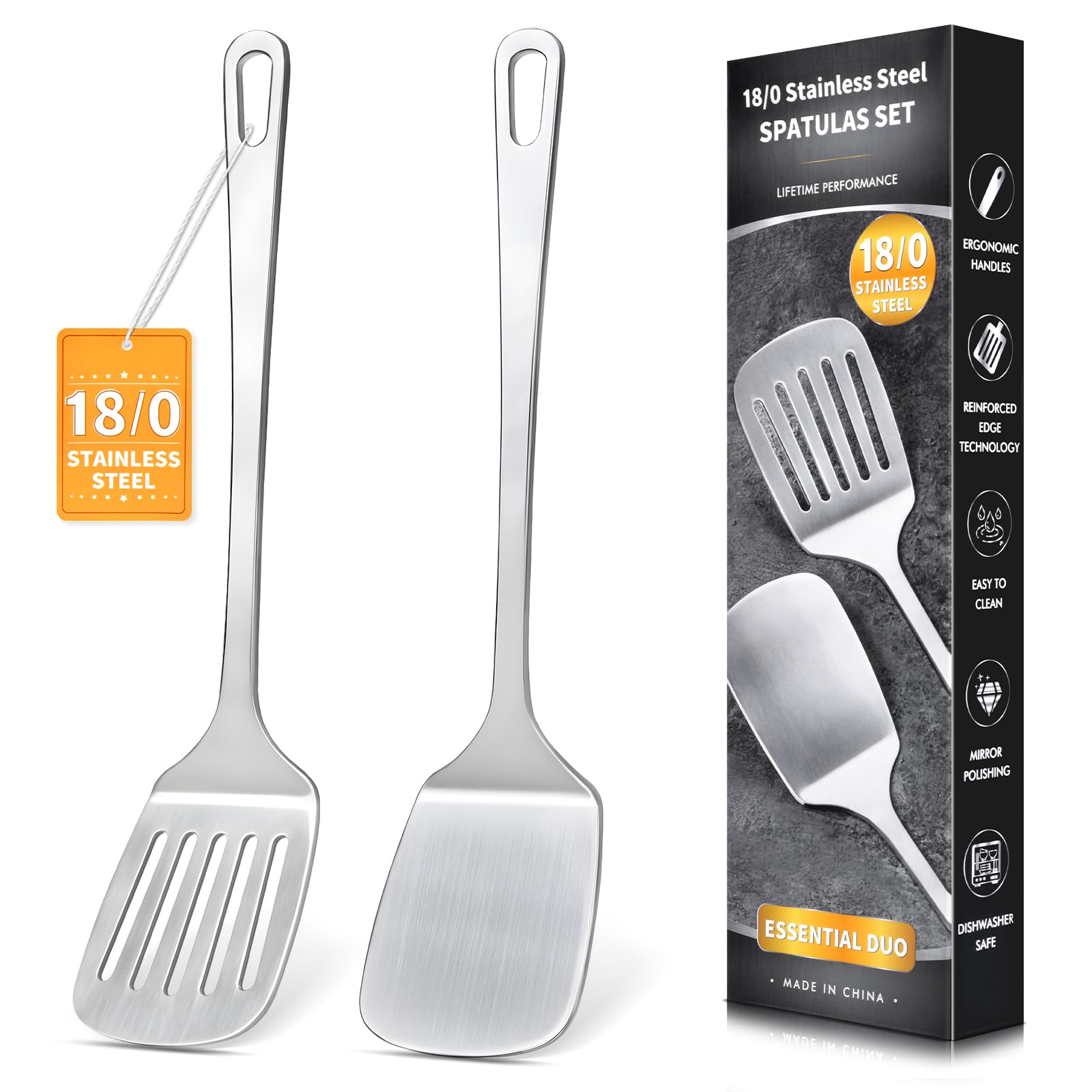
The classic design includes a slotted blade, which lets oil or juices drain away. There are also solid metal spatulas for tasks that require more strength. The blade’s thin edge is a key feature—it’s sharper and more precise than most plastic or silicone spatulas.
This is why you’ll see metal spatulas in many professional kitchens.
Main Uses Of A Metal Spatula
Flipping And Turning Food
The most common use for a metal spatula is flipping and turning food. Its thin, sharp edge lets you get under pancakes, burgers, fish fillets, and eggs without breaking them. For example, when frying a burger, the spatula slides under the patty and lets you flip it cleanly.
The slotted design allows grease to drain, which helps keep your food crisp.
Sautéing And Stir-frying
Metal spatulas are perfect for sautéing vegetables or stir-frying meats. The blade’s flexibility lets you push and toss ingredients in the pan. It can scrape up bits of food that stick, helping you get more flavor into your dish. This is especially useful with a wok, where you need to move food quickly and keep it from burning.
Scraping And De-glazing
One of the less obvious uses is scraping. Metal spatulas can scrape burnt bits from the pan, which is important when making sauces or gravies. These bits, called “fond,” add rich flavor. A plastic spatula often bends or melts, but a metal spatula stays strong and effective.
Serving Food
Many cooks use a metal spatula to serve food directly from the pan. Whether you’re plating a steak or lifting a slice of lasagna, the spatula’s flat blade supports the food and keeps it intact. The slotted design works well for draining excess oil or sauce.
Baking And Pastry Work
In baking, metal spatulas help spread icing, lift cookies, and move delicate pastries. The thin edge is ideal for sliding under baked goods without crushing them. Some bakers use offset metal spatulas for icing cakes, which gives more control and a smooth finish.
How Metal Spatulas Compare To Other Types
Let’s look at how metal spatulas stack up against silicone and plastic spatulas. Here’s a clear comparison:
| Type | Heat Resistance | Strength | Flexibility | Best For |
|---|---|---|---|---|
| Metal Spatula | Up to 600°F | High | Moderate | Grilling, sautéing, flipping |
| Silicone Spatula | Up to 480°F | Medium | High | Baking, mixing, scraping bowls |
| Plastic Spatula | Up to 400°F | Low | Moderate | Light cooking, nonstick pans |
Metal spatulas stand out for their strength and heat resistance. This makes them ideal for tasks that need force or high heat, like grilling and frying. Silicone is better for gentle tasks, while plastic spatulas are cheaper but less durable.
Types Of Metal Spatulas
There are several types of metal spatulas, each made for a different job. Knowing which one to use can make cooking easier and safer.
Standard Slotted Spatula
This is the most common. It’s used for flipping and draining food, like burgers or fish.
Solid Blade Spatula
Has no slots and is used for flipping pancakes, eggs, or foods that don’t need draining. It’s also good for scraping pans.
Offset Spatula
The blade is angled away from the handle. Bakers use these for spreading icing or smoothing batter.
Fish Spatula
Thin, flexible, with long slots. Designed for delicate fillets, letting you lift and turn fish without tearing it.
Here’s another helpful comparison:
| Spatula Type | Blade Shape | Common Use |
|---|---|---|
| Slotted | Rectangular | Flipping, draining |
| Solid | Rectangular/oval | Scraping, flipping |
| Offset | Angled | Icing, serving |
| Fish | Long, thin | Delicate flipping |
Why Choose A Metal Spatula?
Durability
A metal spatula is built to last. Stainless steel doesn’t bend or break easily. It can handle heavy foods and hot temperatures without melting or warping.
Precision
The sharp, thin edge gives you more control. This is especially important for delicate foods like fish or thin pancakes. You can slide under food without damaging it.
Versatility
Metal spatulas do more than just flip. They scrape, serve, and help with baking. You can use them for grilling, frying, sautéing, and even cake decorating.
Easy Cleaning
Metal is easy to clean and doesn’t absorb odors or stains. Many metal spatulas are dishwasher safe, making them simple to care for.
When Not To Use A Metal Spatula
While metal spatulas are strong and useful, they are not perfect for every situation. Here are some times to avoid using them:
- Nonstick Pans: Metal can scratch the surface, ruining the nonstick coating.
- Delicate Cookware: Glass, ceramic, or enamel cookware can chip if scraped with metal.
- Certain Baking Tasks: For mixing dough or batter, silicone or wooden spatulas are better.
Many beginners make the mistake of using a metal spatula on nonstick pans, which shortens the pan’s life. Always use silicone or plastic for nonstick surfaces.
Credit: www.amazon.com
Practical Tips For Using A Metal Spatula
- Preheat the pan before flipping food. This helps prevent sticking.
- Use gentle pressure when sliding under food. Don’t force the spatula, or you may break delicate items.
- Clean after every use. Residue can burn onto the blade and ruin future dishes.
- Store safely. Keep the spatula in a drawer or hanging rack to avoid bending or damaging the edge.
If you work with cast iron, a metal spatula is your best friend. It helps scrape off stuck bits and keeps the pan clean without damaging the seasoning.
Cleaning And Maintenance
Metal spatulas are easy to maintain, but a few tips will keep them in top shape:
- Wash with warm, soapy water right after use.
- Dry completely to prevent rust, especially if the handle is metal.
- If used on sticky foods, soak for a few minutes before scrubbing.
- Check the handle regularly. Wood handles can crack; plastic handles may loosen.
Some spatulas are dishwasher safe, but always check the manufacturer’s advice. Hand washing helps keep the blade sharp and the handle strong.
Metal Spatula In Professional Kitchens
Professional chefs rely on metal spatulas for their strength and precision. In restaurant kitchens, speed and control matter. A metal spatula lets chefs flip steaks, scrape pans, and serve dishes quickly. Many chefs say the fish spatula is their favorite tool because it works for almost everything.
One chef’s insight: Using a metal spatula to scrape the pan after searing meat helps build flavor in sauces. The fond (brown bits) are full of taste. Beginners often miss this step, but it’s a secret to great cooking.
Safety Considerations
Metal spatulas can get hot, so always use the handle. If your spatula has a metal handle, look for a silicone grip or wear a kitchen mitt. Don’t leave the spatula in the pan, as the blade and handle can heat up quickly.
Also, check for sharp edges. Some spatulas are very thin and can cut your hand if handled carelessly. Wash and dry carefully, especially around the blade.
Buying A Metal Spatula: What Matters
When choosing a metal spatula, look for:
- Blade thickness: Thin blades slide under food better.
- Handle material: Wood or silicone handles stay cool.
- Blade length: Longer blades are better for grilling; shorter blades are ideal for frying.
- Flexibility: Some spatulas are stiffer; others bend easily. Choose based on your cooking style.
Avoid spatulas with rough welds or seams. These can trap food and make cleaning difficult. Some cheap spatulas bend or rust quickly—invest in a good quality stainless steel model.
Here’s a quick comparison of spatula features:
| Feature | Benefit | Common Mistake |
|---|---|---|
| Thin Blade | Easy to slide under food | Using thick blades for delicate dishes |
| Slotted Design | Drains oil/juice | Using solid blades for greasy foods |
| Stainless Steel | Resists rust | Buying non-stainless, which rusts |
| Ergonomic Handle | Comfortable grip | Choosing handles that heat up |
Real-world Examples
Let’s see how a metal spatula is used in different cooking scenarios:
- Grilling: Flip steaks and burgers. The blade can scrape the grill clean after cooking.
- Frying: Turn eggs, pancakes, or hash browns. The thin edge prevents sticking and helps keep food whole.
- Baking: Lift cookies from a baking sheet. The spatula slides under them without breaking.
- Sauce-making: Scrape up fond from the pan for richer sauces.
Many home cooks don’t realize how much flavor comes from scraping the pan. Even a simple stir-fry tastes better when you use a metal spatula to loosen browned bits.

Credit: www.leevalley.com
Common Beginner Mistakes
- Using on nonstick pans: This ruins both the pan and the spatula.
- Forcing the spatula under stuck food: Be patient and use gentle pressure.
- Neglecting cleaning: Food residue can burn and affect future dishes.
- Choosing the wrong blade: Thick blades break delicate foods; thin blades bend under heavy loads.
- Ignoring handle comfort: Metal handles without grip get too hot.
One insight many beginners miss: The type of spatula matters as much as the pan. Using a metal spatula with cast iron is perfect, but with nonstick, it can cause damage.
Frequently Asked Questions
What Foods Can I Flip With A Metal Spatula?
You can flip burgers, pancakes, fish fillets, eggs, steaks, and vegetables. The spatula’s thin edge makes it ideal for delicate and sturdy foods alike.
Is A Metal Spatula Safe For Nonstick Pans?
No. Metal spatulas can scratch nonstick surfaces and ruin the coating. Use silicone or plastic spatulas for nonstick cookware.
How Do I Clean A Metal Spatula?
Wash with warm, soapy water right after use. Dry completely to prevent rust. For sticky residue, soak for a few minutes before scrubbing.
What Is A Fish Spatula?
A fish spatula is a metal spatula with a long, thin, slotted blade. It’s designed to lift and turn delicate fish fillets without breaking them.
Where Can I Learn More About Kitchen Utensils?
For more information, check Wikipedia’s spatula page for detailed history and design insights.
A metal spatula is much more than a flipping tool—it’s a kitchen essential that brings precision, durability, and versatility to your cooking. Whether you’re a home chef or a beginner, understanding its uses can help you cook with confidence and get better results every time.