Skip to content
A saucepan is a kitchen essential, but not all saucepans are created equal. If you love cooking acidic foods like tomato sauce, lemon curd, or wine reductions, you may have heard the term nonreactive saucepan. But what does “nonreactive” really mean, and why does it matter? Choosing the right saucepan can change your results in the kitchen. Understanding the difference between reactive and nonreactive cookware will help you protect your food’s flavor, your health, and even your pans.
What Does “nonreactive Saucepan” Mean?
A nonreactive saucepan is made of materials that do not chemically interact with acidic or alkaline foods. This means the food you cook will not pick up any unwanted flavors, colors, or toxins from the pan itself. Nonreactive saucepans are especially important for recipes that use tomatoes, vinegar, citrus, or wine, as these ingredients can react with certain metals.
Common nonreactive materials include:
- Stainless steel
- Glass
- Ceramic
- Enamel-coated metal
On the other hand, reactive materials like aluminum, uncoated copper, and cast iron can change the taste or color of your food, and sometimes even cause health concerns if used incorrectly.
Why Nonreactive Matters In Cooking
Cooking is more than just heat and ingredients. It’s also chemistry. Some metals react with acids or alkalis, causing:
- Off-flavors: Your food may taste metallic or bitter.
- Color changes: Sauces can turn gray, green, or dull.
- Nutrient loss: Chemical reactions can break down important vitamins.
- Potential health risks: Small amounts of metals may leach into your food.
For example, when you simmer tomato sauce in an aluminum pan, the acid pulls out aluminum ions. This can give the sauce a dull color and a tinny taste. Over time, using reactive pans with acidic foods may even shorten the lifespan of your cookware.
Which Cookware Materials Are Nonreactive?
Let’s compare the most common cookware materials and see which are safe for acidic and alkaline foods.
| Material | Nonreactive? | Best Uses | Common Drawbacks |
|---|---|---|---|
| Stainless Steel | Yes | All-purpose, sauces, soups | May stick, uneven heat if low quality |
| Glass | Yes | Baking, storage, some stovetop use | Fragile, poor heat conduction |
| Ceramic | Yes | Slow cooking, serving | Breakable, can crack with thermal shock |
| Enamel-Coated | Yes | Sauces, braises, stews | Chips if dropped, heavier than bare metal |
| Aluminum | No (unless anodized/coated) | Boiling, frying (if coated) | Reacts with acids, soft, dents easily |
| Copper | No (unless lined) | Delicate sauces, rapid heating | Tarnishes, reacts with food |
| Cast Iron | No (unless well-seasoned or enameled) | Searing, frying, baking | Heavy, rusts, not ideal for acids |
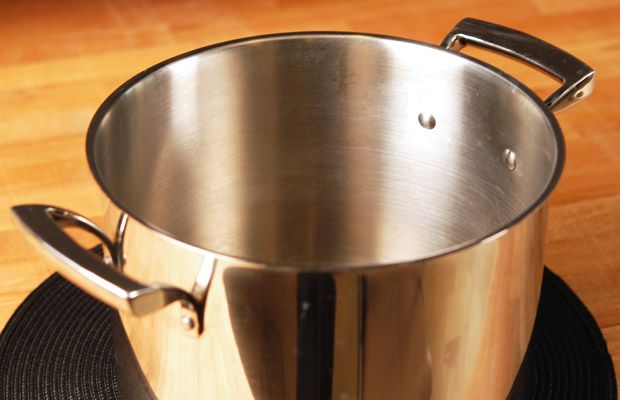
Stainless steel is the most popular nonreactive saucepan material because it is durable, easy to clean, and does not react with most foods. Enamel-coated cast iron (like Le Creuset) is also an excellent choice for slow-cooked sauces, combining the heat retention of cast iron with a safe, glass-like surface.
How To Identify A Nonreactive Saucepan
If you’re shopping for a new saucepan or checking what you already own, here’s how to tell if it’s nonreactive:
- Check the label: Most modern pans list their material. Look for “stainless steel,” “glass,” “ceramic,” or “enamel-coated.”
- Look at the surface: If the inside is shiny and silver (stainless steel), white or colored and glossy (enamel), or clear (glass), it’s likely nonreactive.
- Avoid bare aluminum or copper: If the pan is very lightweight and dull gray (aluminum) or shiny orange-red (copper), and there’s no coating, it’s reactive.
- Inspect for lining: Copper pans often have a thin layer of stainless steel or tin inside. If lined, they’re nonreactive. If bare, they’re not.
- Test with acid: If unsure, simmer a little tomato sauce or vinegar in the pan for a few minutes. If the taste or color changes, the pan is reactive.
When Do You Need A Nonreactive Saucepan?
Not every recipe requires a nonreactive saucepan. But for certain foods, it’s essential.
Acidic Foods
Nonreactive pans are a must for cooking with:
- Tomatoes (sauces, soups)
- Citrus (lemon curd, marmalade)
- Vinegar (pickling, reductions)
- Wine (sauces, poaching)
Dairy-based Sauces
Some dairy sauces, like béchamel or custard, also benefit from nonreactive pans. Metal ions from reactive pans can affect color and flavor.
Jams, Jellies, And Preserves
Sugar and acid mixtures can draw out metals from reactive pans, changing both taste and appearance.
Marinating And Storage
Never store acidic foods in reactive pans, as the reaction continues over time.
Non-obvious Insights Most Beginners Miss
- Even some “nonstick” pans are reactive: Many nonstick coatings are applied over aluminum. If the coating scratches or wears off, the aluminum beneath can react with food. Always replace nonstick pans when the coating is damaged.
- Enameled cookware can chip: If the enamel surface chips or cracks, the exposed metal underneath (often cast iron or steel) can react with food. Check your pans regularly for damage.
- Not all stainless steel is the same: Lower quality stainless steel (like 18/0) may corrode or pit with heavy acid use. High-quality stainless steel (18/8 or 18/10) is more resistant and longer-lasting.
- Seasoned cast iron is somewhat protective: A well-seasoned cast iron pan has a layer of polymerized fat that reduces reactivity. But with very acidic foods, this layer can wear off or be damaged, leading to reactivity.
- Cooking time matters: Short exposure to acid in a reactive pan (like a quick sauté) is less risky than simmering a sauce for hours.
Credit: edmontonjournal.com
Pros And Cons Of Nonreactive Saucepans
Every cookware type has strengths and weaknesses. Here’s a quick side-by-side comparison to help you choose.
| Nonreactive Saucepans | Reactive Saucepans |
|---|---|
|
|
|
|
How To Care For Your Nonreactive Saucepan
To get the longest life and best performance from your nonreactive saucepan, follow these tips:
- Hand wash when possible: Even dishwasher-safe pans last longer with gentle hand washing.
- Use non-abrasive sponges: To prevent scratching enamel or stainless steel surfaces.
- Avoid high heat: Most nonreactive pans conduct heat well; medium heat is enough for most cooking.
- Store with care: Don’t stack heavy pans on top of glass or ceramic ones.
- Check for chips or cracks: Replace pans if the coating is damaged.
:max_bytes(150000):strip_icc()/reactive-nonreactive-2k-56a8c21b5f9b58b7d0f4dc0f.jpg)
Credit: www.thespruceeats.com
How To Choose The Best Nonreactive Saucepan
When selecting a nonreactive saucepan, consider:
- Size: 1- to 3-quart pans are common for sauces.
- Weight: Heavier pans hold heat better but are harder to handle.
- Handle design: Riveted handles are stronger than spot-welded ones.
- Lid fit: A tight-fitting lid helps control moisture.
- Brand reputation: Established brands are more likely to use high-quality materials.
A good nonreactive saucepan can last decades with proper care. Investing in quality pays off, especially if you cook often.
Common Mistakes To Avoid
- Using metal utensils in enamel pans: This can chip the coating.
- Boiling dry: Overheating can warp stainless steel or shatter glass.
- Ignoring manufacturer instructions: Some pans have unique care needs.
- Assuming all “silver” pans are stainless steel: Some are aluminum or nickel-plated.
Real-world Example
Imagine you’re making a classic Italian marinara sauce. You use a stainless steel saucepan and notice the sauce stays bright red and tastes pure. Next time, you try an uncoated aluminum pan. The sauce turns slightly gray, and there’s a metallic aftertaste.
This simple swap shows why nonreactive cookware matters for both flavor and presentation.
Where To Learn More
For more details about cookware materials and safety, check the Wikipedia entry on cookware.
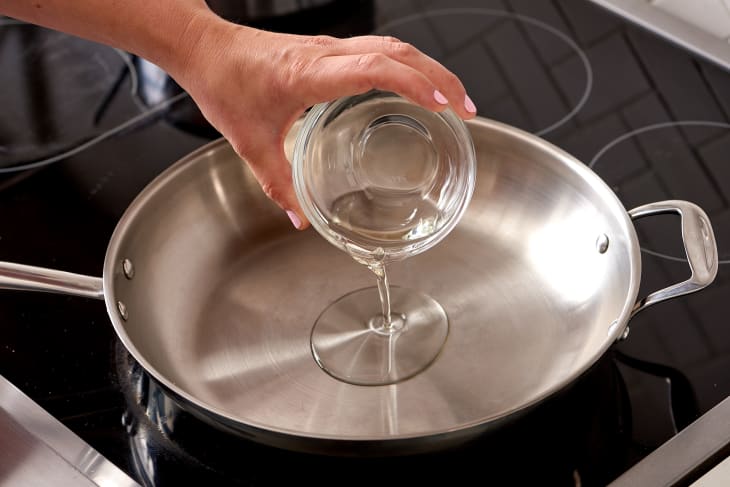
Credit: www.thekitchn.com
Frequently Asked Questions
What Is The Main Difference Between Reactive And Nonreactive Saucepans?
Nonreactive saucepans do not chemically react with acidic or alkaline foods, so they do not change the taste, color, or safety of your dishes. Reactive saucepans, like bare aluminum or copper, can alter your food and should be avoided for certain recipes.
Can I Use A Nonstick Pan For Acidic Foods?
Yes, if the nonstick coating is intact. However, if the coating is scratched and aluminum is exposed, the pan may become reactive. Replace nonstick pans at the first sign of damage.
Is Anodized Aluminum Nonreactive?
Anodized aluminum has a hard, nonreactive surface, making it safe for most foods. However, if the anodized layer wears away, the pan can become reactive.
How Do I Know If My Pan Is Enamel-coated?
Enamel-coated pans have a smooth, often glossy surface that is colored or white. If you see chips or cracks revealing dull metal underneath, it’s time to replace the pan.
Are There Any Foods I Should Never Cook In A Reactive Saucepan?
Avoid cooking highly acidic foods (like tomatoes, citrus, or vinegar-based recipes) in reactive pans. Also, do not store food in reactive pans, as the reaction continues over time.
Choosing the right saucepan is a small detail that can have a big impact on your cooking. With a quality nonreactive saucepan, you’ll enjoy pure flavors, bright colors, and peace of mind—no matter what’s on the menu.