Skip to content
A small knife can make a big difference in your kitchen. If you ever wondered what tool helps you peel an apple fast or remove the eyes from a potato, the answer is a paring knife. Even though it’s not as famous as the chef’s knife, the paring knife is one of the most useful tools for anyone who cooks. Its short blade and comfortable handle make it a favorite for delicate tasks.
Let’s explore what a paring knife is used for, how it compares to other knives, and why you might want one in your drawer.
What Is A Paring Knife?
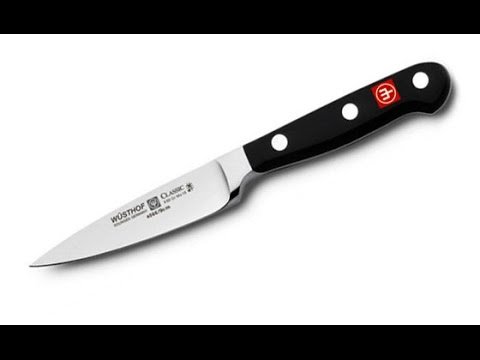
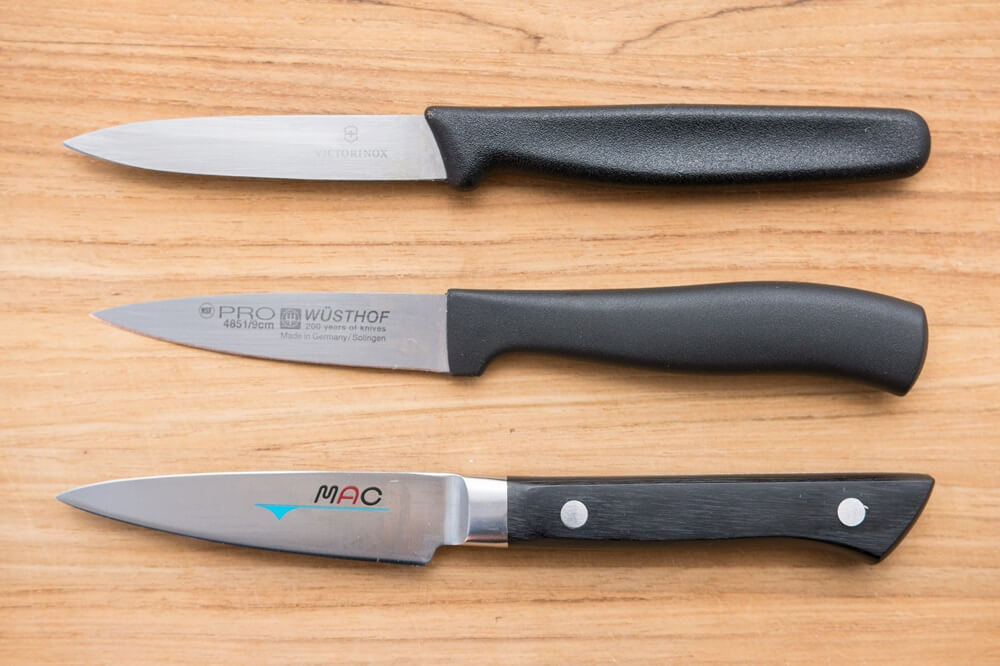
A paring knife is a small, lightweight knife with a blade length usually between 2.5 and 4 inches. The blade is straight and pointed, making it easy to control. Most paring knives have a simple handle that fits comfortably in your hand. This knife is designed for precision—perfect for jobs where a big knife would be too clumsy.
You’ll often see paring knives in professional kitchens and in home settings. They are made from stainless steel, carbon steel, or ceramic. The shape is sometimes called “bird’s beak” if it’s curved, but most are straight. While the price can range from $10 to over $100, a good paring knife doesn’t need to be expensive.
What matters most is sharpness and comfort.
Main Uses Of A Paring Knife
The true power of a paring knife is its versatility for small tasks. Here are the most common uses:
- Peeling: Removing skin from fruits and vegetables (like apples, potatoes, carrots) is easy with a paring knife. The blade’s size lets you follow the shape without wasting flesh.
- Trimming: Cutting away unwanted parts—seeds, stems, eyes, or blemishes—works well with this knife.
- Slicing: For small foods like garlic cloves, strawberries, or mushrooms, a paring knife makes clean slices.
- Deseeding and Coring: You can quickly remove seeds from peppers or core tomatoes with precision.
- Deveining Shrimp: The pointed tip helps cut along the shrimp’s back to remove the vein.
- Segmenting Citrus: Cutting orange segments or removing pith is much easier with a paring knife.
- Decorative Cutting: For garnishes or making fruit decorations, the paring knife is the tool of choice.
- Testing Doneness: Professional chefs use paring knives to pierce foods gently to check if they’re cooked.
Real-world Example
Imagine you want to make a fruit salad with apples, oranges, and strawberries. You peel the apple, core it, and slice it—all with a paring knife. Then you segment the orange and hull the strawberries. In five minutes, your paring knife has done four different jobs.
:max_bytes(150000):strip_icc()/__opt__aboutcom__coeus__resources__content_migration__serious_eats__seriouseats.com__2017__12__20171207-tourne-knife-vicky-wasik-1-1500x1125-195c633a1a504587ab2376749ed913c9.jpg)
Credit: www.seriouseats.com
Paring Knife Vs Other Kitchen Knives
To understand why the paring knife is special, it helps to compare it to other knives. Here’s how it stacks up:
| Knife Type | Blade Length | Main Use | Best For |
|---|---|---|---|
| Paring Knife | 2.5–4 inches | Peeling, trimming, precision work | Small fruits, vegetables, garnishes |
| Chef’s Knife | 6–12 inches | Chopping, slicing, dicing | Large items, general prep |
| Serrated Knife | 5–10 inches | Cutting bread, tomatoes | Soft or crusty foods |
A chef’s knife is a workhorse, but it’s too big for peeling an apple. A serrated knife is great for bread, but struggles with small jobs. Only the paring knife offers full control for fine work.
Types Of Paring Knives
Not all paring knives are the same. Some are designed for special jobs. Here are the main types:
- Classic Paring Knife: Straight blade, pointed tip. Good for general tasks.
- Bird’s Beak Paring Knife: Curved blade, looks like a bird’s beak. Ideal for peeling round foods like potatoes or making decorative cuts.
- Spear Point Paring Knife: Narrow, sharp point. Useful for coring or slicing small foods.
- Sheep’s Foot Paring Knife: Straight blade, rounded tip. Safer for children and good for slicing or chopping small items.
| Type | Blade Shape | Best Uses |
|---|---|---|
| Classic | Straight, pointed | Peeling, slicing, trimming |
| Bird’s Beak | Curved | Peeling, decorative work |
| Spear Point | Narrow, sharp point | Coring, precise cuts |
| Sheep’s Foot | Straight, rounded tip | Slicing, safer use |
Choosing the right type depends on what you cook most often. For most people, the classic paring knife is enough.
Credit: www.youtube.com
How To Use A Paring Knife Safely
Because the blade is small and sharp, safety matters. Here’s how to use a paring knife without risk:
- Hold the knife with your dominant hand, gripping the handle firmly.
- Use your other hand to hold the food steady.
- Keep your fingers curled away from the blade.
- Peel or cut using short, controlled motions—never rush.
- If you’re peeling round fruits, rotate the fruit, not the knife.
- Clean your knife after each use to prevent slipping.
A common beginner mistake is using too much force. The paring knife is designed for gentle cuts. Pressing hard can cause slips and injury.
Choosing The Best Paring Knife
When buying a paring knife, focus on these factors:
- Blade Material: Stainless steel is durable and resists rust. Carbon steel is sharper but needs care. Ceramic is lightweight and stays sharp longer but can chip.
- Handle Comfort: Test the handle in your hand. It should feel stable, not slippery.
- Blade Shape: Choose the shape that fits your main use—straight for general tasks, curved for peeling.
- Price vs Value: Good paring knives start at $10–$30. Higher prices usually mean better materials, but even affordable knives can perform well.
- Balance and Weight: The knife should feel balanced, not too heavy or too light.
| Feature | Why It Matters |
|---|---|
| Blade Material | Sharpness, durability, ease of cleaning |
| Handle Comfort | Safe grip, less fatigue |
| Blade Shape | Fits your main tasks |
| Price | Value for money |
| Weight/Balance | Control, precision |
Many beginners overlook the handle comfort. A slippery or uncomfortable handle can make even a sharp knife hard to use. Always try before you buy if possible.
Maintaining Your Paring Knife
To keep your paring knife sharp and safe:
- Wash it by hand after each use. Dishwashers can dull the blade and damage the handle.
- Dry it immediately to prevent rust.
- Sharpen the blade regularly. Use a sharpening stone or a professional service.
- Store the knife safely—use a knife block or a blade guard.
Most people forget to sharpen their paring knife. A dull blade makes peeling harder and increases the chance of injury. Sharpen once a month if you use it often.
Paring Knife In Professional Kitchens
Professional chefs rely on the paring knife for many jobs. It’s not just about peeling—chefs use it for:
- Removing seeds from chilies
- Making precise garnishes
- Cutting tiny herbs
- Checking meat for doneness
In Michelin-star restaurants, chefs use paring knives to create beautiful dishes. The knife’s precision is key for presentation. Even in fast-paced kitchens, the paring knife is a trusted tool.
Non-obvious Uses And Tips
Many home cooks don’t realize the paring knife can:
- Open packages: Use the tip to cut open food wrappers or boxes.
- Score pastry dough: Make small cuts for steam to escape.
- Remove small bones: Fish bones can be pulled out with the sharp tip.
- Separate citrus segments: For fruit salads or desserts, you can get perfect segments without pith.
A smart tip: Use your paring knife to prep garlic by slicing off the root end and peeling the skin. It saves time compared to using your fingers.
Paring Knife Care Mistakes To Avoid
Some common errors beginners make include:
- Putting the knife in the dishwasher (causes dullness)
- Using it for hard jobs (like cutting frozen food—this damages the blade)
- Leaving the knife wet (can cause rust)
- Storing without a guard (blade becomes dull or dangerous)
Treat your paring knife like a precision tool. It will last years with good care.
Frequently Asked Questions
What Foods Are Best To Cut With A Paring Knife?
A paring knife works best with small fruits and vegetables. Examples include apples, garlic, strawberries, mushrooms, and potatoes. It is also good for peeling citrus and preparing garnishes.
Is A Paring Knife Good For Meat?
Paring knives are not meant for cutting large pieces of meat. However, you can use them for trimming fat or removing small bones from chicken or fish. For bigger cuts, use a chef’s knife or boning knife.
How Often Should I Sharpen My Paring Knife?
Sharpen your paring knife every 1–2 months if you use it regularly. If you notice it dragging or slipping, sharpen it sooner. A sharp blade is safer and more effective.
What Is The Difference Between A Paring Knife And A Utility Knife?
A utility knife is larger, usually 4–7 inches long, and is used for slicing sandwiches, cheese, and small meats. A paring knife is smaller and made for precise tasks like peeling and trimming.
Can I Use A Paring Knife For Bread?
No, a paring knife is not suitable for bread. Bread needs a serrated knife with a longer blade to cut through crust without crushing the loaf.
Final Thoughts
The paring knife is one of the most essential tools for anyone who cooks. Its small size and sharp blade make it perfect for peeling, trimming, and cutting small foods with precision. Whether you’re preparing fruit, making garnishes, or testing doneness, this knife saves time and improves your results. To get the most from your paring knife, choose one with a comfortable handle, keep it sharp, and use it for the right tasks. If you want to learn more about different kitchen knives, visit Wikipedia for detailed information. A good paring knife will make cooking easier, safer, and more enjoyable.
Credit: infinityknifeco.com