A spatula is one of the most recognizable tools in the kitchen. At first glance, it might seem simple—a flat blade with a handle. But behind its basic shape lies a world of practical uses, clever designs, and surprising versatility.
Whether you cook daily or just occasionally, understanding what a spatula is used for can make your time in the kitchen easier, safer, and more effective. Many people think spatulas are only for flipping pancakes, but their true value goes far beyond that.
Let’s explore the many ways spatulas help in cooking, baking, and even serving food.
What Is A Spatula?
A spatula is a tool with a broad, flat, flexible blade and a long handle. It comes in many shapes, sizes, and materials. The most common materials are silicone, metal, plastic, and wood. Each type is designed for different jobs. Some spatulas are thin and flexible for flipping, while others are thick and sturdy for scraping.
The word “spatula” comes from the Latin “spatula,” meaning a flat piece. In modern kitchens, spatulas are essential for mixing, flipping, spreading, scraping, and serving.
Types Of Spatulas And Their Uses
Spatulas are not all the same. The main types are:
| Spatula Type | Common Material | Typical Use |
|---|---|---|
| Turner (Flipper) | Metal, Silicone | Flipping food on grill or pan |
| Scraper | Silicone, Rubber | Scraping bowls and pots |
| Spreader | Metal, Plastic | Spreading frosting or butter |
| Slotted | Metal, Plastic | Draining and flipping |
| Fish Spatula | Metal | Lifting delicate fish fillets |
Turner (flipper)
This spatula has a wide, flat blade with a slight curve. It is designed for flipping burgers, pancakes, eggs, or other items on a hot surface. The blade can be metal, plastic, or silicone. Metal turners are strong and work well for foods that need a firm touch. Silicone turners are gentle on non-stick pans.
Scraper
A scraper spatula is usually made from silicone or rubber. It is flexible and often shaped to fit the curves of bowls. Bakers use scrapers to get every bit of batter from mixing bowls. Scrapers are also good for stirring sauces or folding ingredients.
Spreader
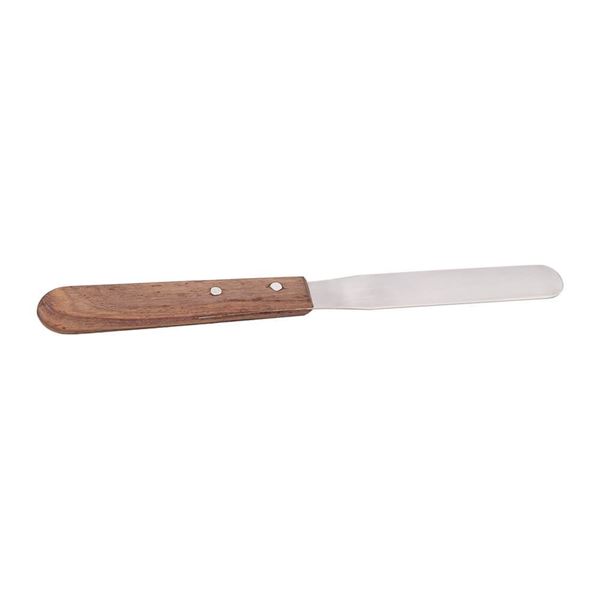
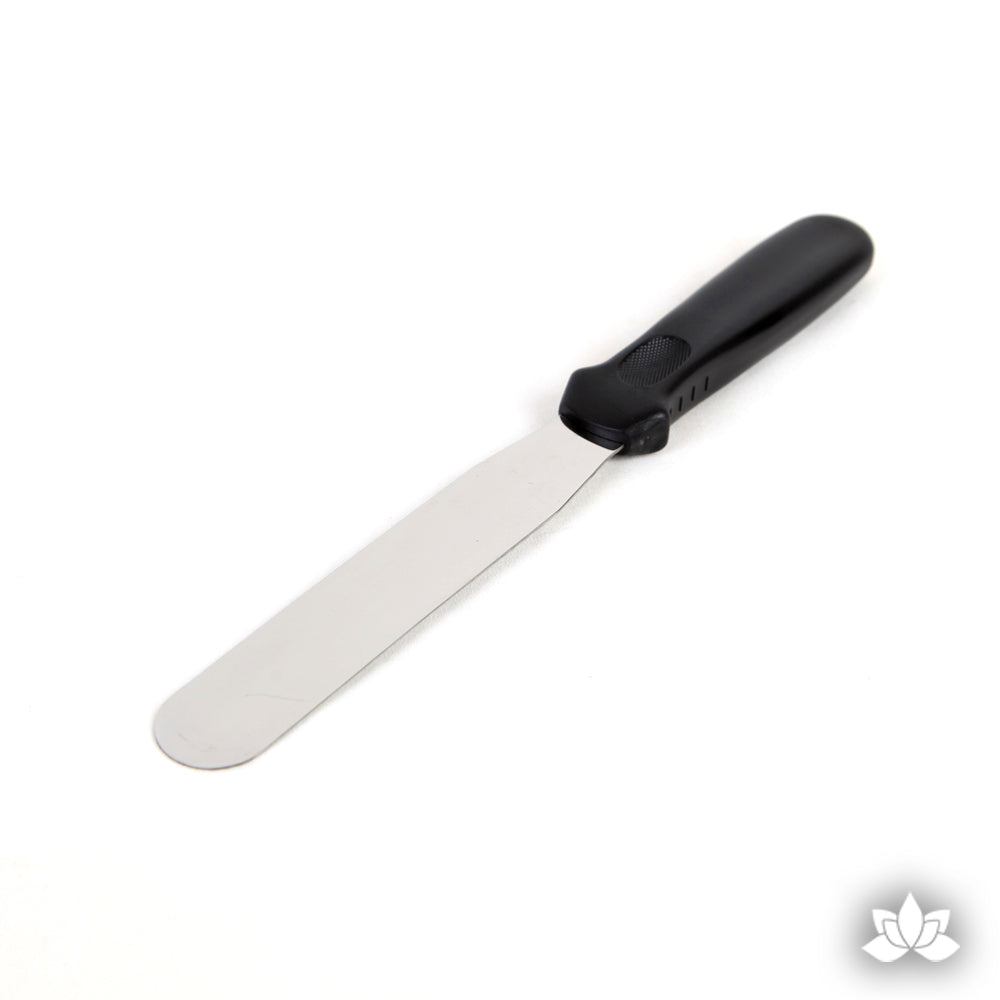
Spreaders have a long, thin blade, often with a rounded tip. They are perfect for spreading frosting on cakes, cream cheese on bagels, or butter on bread. Some are also used for smoothing batter in pans.
Slotted Spatula
A slotted spatula has holes or slots in the blade. This design lets liquids or grease drain away when lifting food. It is handy for frying, as you can pick up food without excess oil.
Fish Spatula
The fish spatula is thin, flexible, and usually metal. It has a wide, angled blade and long slots. Its design makes it easy to slide under delicate fish fillets without breaking them. Chefs use fish spatulas for other delicate foods too, like omelets.
Credit: www.globalgilson.com
Main Uses Of A Spatula
Spatulas are used for many tasks. Here are the main ways they help in the kitchen:
Flipping And Turning Food
The most common use is flipping food on a hot surface. Spatulas make it easy to turn pancakes, burgers, eggs, and fish. The flat blade slides under the food, and the handle gives good control.
Scraping Bowls And Pans
Spatulas are great for scraping batter, dough, or sauce from bowls. Silicone scrapers bend to fit the shape of the bowl, getting every bit out. This helps reduce waste and makes cleaning easier.
Spreading And Smoothing
Spreaders are used for spreading icing, butter, or cream. Their flat blade makes it easy to get a smooth finish on cakes. Some spatulas are used to level batter in baking pans.
Lifting And Serving
Some spatulas are designed for lifting and serving. The fish spatula is perfect for picking up delicate items. Slotted spatulas help serve fried foods without excess oil.
Mixing And Folding
Scraper spatulas are used for mixing and folding ingredients. They are gentle and help combine mixtures without breaking them. For example, folding whipped egg whites into cake batter.
Why Material Matters
The material of a spatula affects its use, safety, and durability. Each material has strengths and weaknesses.
| Material | Heat Resistance | Best Uses | Common Problems |
|---|---|---|---|
| Metal | Up to 500°F | Grilling, flipping tough foods | Can scratch non-stick pans |
| Silicone | Up to 600°F | Scraping, stirring, flipping delicate foods | Some low-quality silicone melts |
| Plastic | Up to 400°F | Light flipping, serving | Can melt or warp |
| Wood | Up to 400°F | Mixing, stirring | Can absorb odors, not dishwasher safe |
Metal Spatulas
Metal spatulas are strong and handle high heat. They are good for grilling and flipping tough foods. But they can scratch non-stick pans, so use them only on metal surfaces.
Silicone Spatulas
Silicone spatulas are flexible and heat-resistant. They work well for scraping, mixing, and flipping delicate foods. Silicone does not scratch pans and is easy to clean.
Plastic Spatulas
Plastic spatulas are lightweight and cheap. They work for light flipping and serving. But they melt easily and may warp in high heat.
Wood Spatulas
Wood spatulas are gentle on pans and good for mixing. They do not conduct heat, so the handle stays cool. However, wood can absorb odors and is harder to clean.
Choosing The Right Spatula
Picking the right spatula depends on your cooking style, the foods you make, and the cookware you use. Here are some tips:
- For flipping burgers or pancakes, choose a metal turner for strength. If you use non-stick pans, go for silicone.
- For baking, a silicone scraper is best. It fits bowls and gets all the batter out.
- If you fry food often, a slotted spatula helps drain oil.
- For delicate foods like fish or omelets, use a fish spatula with a thin, flexible blade.
- For spreading icing or batter, a spreader spatula gives a smooth finish.
Common mistake: Many people use one spatula for everything. This can damage cookware or ruin food. It’s better to have a few spatulas for different jobs.
Spatulas In Baking
Baking often needs spatulas for mixing, scraping, and spreading. Silicone scrapers help mix dough or batter gently. They also scrape every bit from the bowl. Spreaders smooth icing or batter in pans.
Some baking recipes need folding ingredients. For example, when you fold whipped egg whites into cake batter, a flexible silicone spatula helps keep the mixture light and airy.
Non-obvious tip: Use a silicone spatula to scrape the bowl after making sticky dough. This reduces waste and makes cleaning easy.
Spatulas In Cooking
Cooking involves many spatula tasks. Flipping, stirring, and lifting food from pans is easier with the right spatula. Metal turners help with grilling meat. Silicone spatulas are good for stir-frying vegetables.
Data point: In a survey by America’s Test Kitchen, 74% of home cooks said they use at least two spatulas for different cooking tasks.
Example: Making Omelets
For omelets, a thin, flexible spatula is best. It slides under the eggs without breaking them. Silicone or plastic spatulas work well for non-stick pans.
Example: Stir-frying
Stir-frying needs a spatula that can move food quickly and safely. Silicone spatulas withstand high heat and do not scratch pans.
Spatulas For Serving Food
Some spatulas are made for serving. Cake servers are a type of spatula used to lift and serve cake slices. Fish spatulas help serve delicate fillets.
Slotted spatulas are used to serve fried foods. The slots let extra oil drain away. This keeps the food crisp and less greasy.
Spatulas Beyond The Kitchen
Spatulas are also used outside the kitchen. In laboratories, a spatula is a small tool for handling chemicals. In crafts, spatulas help spread glue or paint.
But in this article, we focus on kitchen spatulas and their main uses in cooking and baking.
How To Care For Your Spatula
Proper care keeps spatulas safe and long-lasting.
- Silicone and plastic spatulas: Wash with warm, soapy water. Some are dishwasher safe.
- Metal spatulas: Clean with a soft sponge. Dry well to prevent rust.
- Wood spatulas: Wash by hand. Avoid soaking. Oil them sometimes to prevent drying out.
Non-obvious insight: Avoid leaving spatulas in hot pans. Even heat-resistant silicone can break down over time if exposed to high heat for too long.

Credit: www.collinsdictionary.com
Safety Tips For Using Spatulas
Safety is important when using spatulas:
- Use heat-resistant spatulas for hot pans.
- Avoid metal spatulas on non-stick surfaces.
- Check for cracks or damage before use.
- Keep handles dry to avoid slipping.
A damaged spatula can break during use and cause burns or spills. Replace spatulas if they show signs of wear.
Spatula Innovations And Modern Designs
Modern spatulas are designed for comfort and safety. Some have ergonomic handles for easy grip. Others use heat-resistant silicone for extra safety.
Interesting fact: The first silicone spatula was patented in 1967. Since then, silicone has become the most popular material for spatulas.
Some spatulas now have built-in thermometers for checking meat temperature. Others have magnetic handles for easy storage.
Credit: caljavaonline.com
Spatula Comparison: Which Is Best For Your Kitchen?
Choosing the best spatula depends on your needs. Here’s a comparison of three popular spatula types:
| Spatula | Strength | Flexibility | Best For | Price Range |
|---|---|---|---|---|
| Metal Turner | High | Low | Grilling, flipping tough foods | $8–$25 |
| Silicone Scraper | Medium | High | Scraping, mixing, folding | $6–$20 |
| Fish Spatula | Medium | High | Lifting delicate foods | $10–$30 |
Practical advisor tip: Most home cooks need at least two spatulas—a metal turner for grilling and a silicone scraper for baking and mixing.
Common Beginner Mistakes With Spatulas
- Using a metal spatula on a non-stick pan. This scratches the surface and ruins the pan.
- Leaving plastic spatulas in hot pans. They can melt and become unsafe.
- Using the wrong type of spatula for delicate foods. Thick spatulas can break fragile items like fish or omelets.
- Not cleaning spatulas properly. Food buildup can cause bacteria and odors.
- Using a spatula that is too small or too large for the job. This makes flipping or scraping difficult.
How Spatulas Improve Cooking
Spatulas are not just tools—they improve the cooking process:
- Efficiency: Spatulas help move food quickly and safely.
- Safety: They protect hands from heat and grease.
- Quality: Using the right spatula prevents damage to food and cookware.
- Cleanliness: Scraping spatulas reduce waste and help keep bowls clean.
Stat: According to the National Restaurant Association, kitchens with the right spatulas reduce food waste by up to 18%.
Spatula Fun Facts
- The world’s largest spatula was made in 2007 and measured 11 feet long.
- Some spatulas are designed for astronauts to use in zero gravity.
- In Japan, spatulas called “teppanyaki spatulas” are used for cooking on flat grills.
When Should You Replace Your Spatula?
Replace your spatula if:
- The blade is cracked or melted.
- The handle is loose or broken.
- The spatula smells bad after washing.
- The material is worn or rough.
A good spatula can last years, but regular checking keeps cooking safe.
Where To Buy Quality Spatulas
Quality spatulas are available in kitchen stores, supermarkets, and online. Look for brands with good reviews and strong warranties. Price does not always mean quality. Test the grip and flexibility before buying.
For detailed information on spatulas and their history, visit Wikipedia.
Frequently Asked Questions
What Is The Difference Between A Spatula And A Turner?
A turner is a type of spatula designed mainly for flipping food, like pancakes or burgers. All turners are spatulas, but not all spatulas are turners. Other spatulas are made for scraping, mixing, or spreading.
Can I Use A Metal Spatula On A Non-stick Pan?
It is not safe to use a metal spatula on a non-stick pan. Metal scratches the non-stick coating, which can cause it to flake and become unsafe. Use silicone or plastic spatulas for non-stick surfaces.
How Do I Clean A Wooden Spatula?
Wash a wooden spatula by hand with warm, soapy water. Do not soak it, as wood absorbs water and can crack. Dry it well and oil it sometimes to keep it smooth.
Are Silicone Spatulas Safe For High Heat?
Silicone spatulas are usually safe up to 600°F. They are good for most cooking jobs, including stir-frying and baking. Check the manufacturer’s label for the exact heat limit.
How Many Spatulas Do I Need In My Kitchen?
Most kitchens need at least two spatulas—a metal turner for grilling and a silicone scraper for baking and mixing. If you cook delicate foods like fish, add a fish spatula.
Spatulas are simple tools, but their impact on cooking is big. Knowing their uses and picking the right type makes cooking easier, safer, and more fun. Whether you bake cakes or grill steaks, spatulas help you do the job better.
Next time you cook, notice how your spatula works—and see how much it improves your kitchen experience.