Skip to content
A warm meal can make a big difference during a busy day. People who eat lunch at work, school, or outdoors often want their food to stay hot, fresh, and safe. This is where the thermal lunch box comes in. These practical containers help keep meals at the right temperature, making life easier for students, office workers, parents, and travelers. But what exactly is a thermal lunch box, how does it work, and how do you choose the right one?
Let’s explore everything you need to know.
What Is A Thermal Lunch Box?
A thermal lunch box is a food container designed to keep food hot or cold for several hours. It works by using insulation—special materials that slow down the transfer of heat. This means your hot soup stays warm, or your cold salad stays cool, even after a few hours. Some people call them insulated lunch boxes, thermos lunch boxes, or food flasks. They are popular for school lunches, office meals, picnics, and travel because they keep food safe and enjoyable.
Thermal lunch boxes come in different shapes and sizes. Some look like regular lunch containers, while others are shaped like small jars or bottles. Most are made from stainless steel, but you can also find plastic, glass, or ceramic options. Some have multiple layers or compartments, making it easy to pack a variety of foods.
How Does A Thermal Lunch Box Work?
The secret to a thermal lunch box is thermal insulation. Most use double walls with a vacuum space between them. This vacuum reduces heat transfer in two ways:
- Slowing conduction and convection: Without air between the walls, it’s harder for heat to move in or out.
- Reflecting heat radiation: Some lunch boxes use reflective coatings to bounce heat back toward the food.
Because of this design, a good thermal lunch box can keep food hot for 4 to 8 hours, and cold food cool for even longer. However, the actual performance depends on the brand, material, and how you use it. For example, filling the box completely (with little empty space) helps keep temperature better.
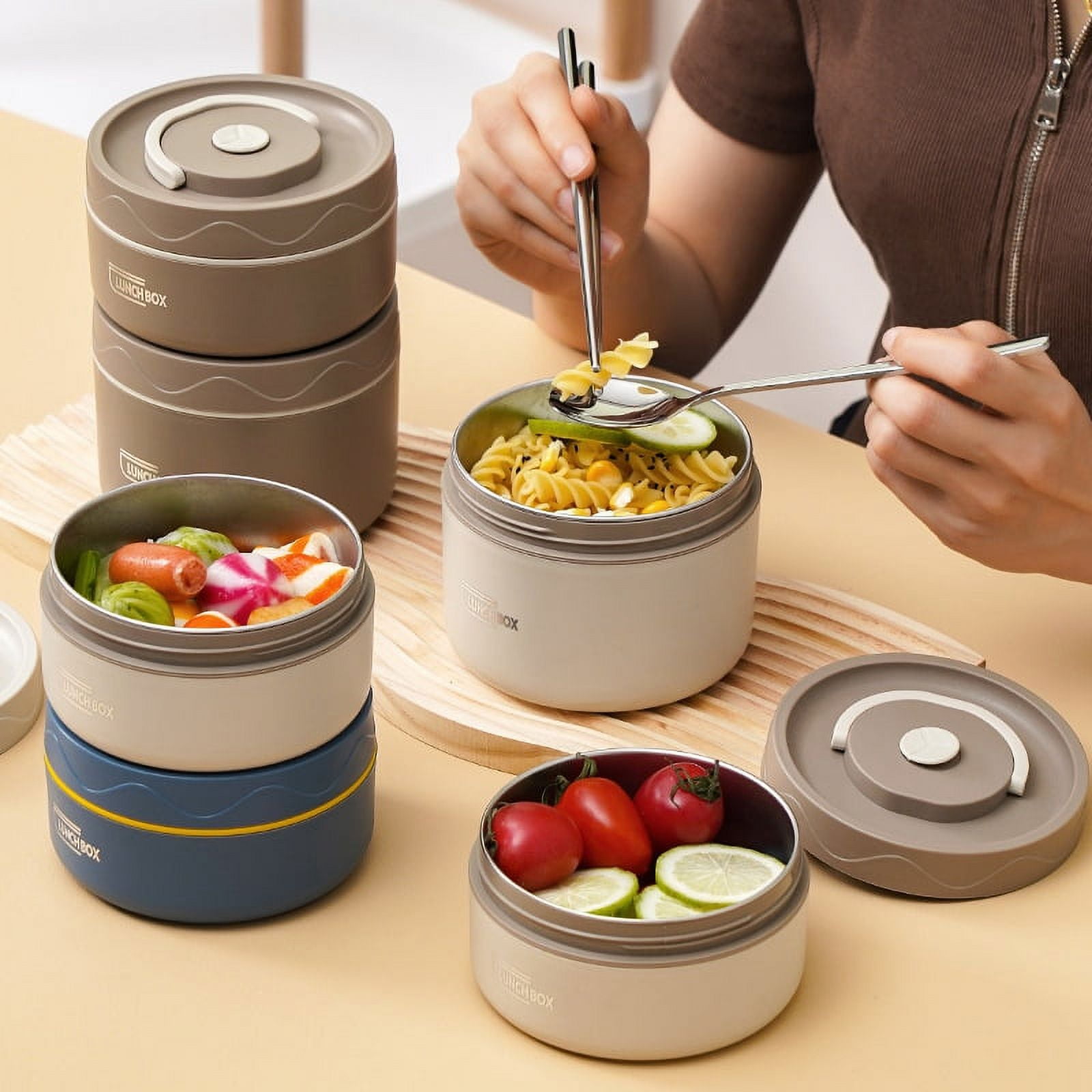
Credit: business.walmart.com
Key Features Of Thermal Lunch Boxes
A thermal lunch box is more than just a regular container. Here are the main features that set them apart:
- Double-wall insulation: Keeps heat in or out for hours.
- Leak-proof lids: Prevent spills, making them safe to carry in bags.
- Multiple compartments: Some designs let you separate different foods.
- Durable materials: Stainless steel is common because it’s strong and doesn’t absorb smells or stains.
- Easy to clean: Many have wide openings or removable parts.
- Portable design: Lightweight and often include handles or carry bags.
Some advanced models even have built-in cutlery, stackable layers, or child-friendly shapes.
Benefits Of Using A Thermal Lunch Box
Choosing a thermal lunch box offers several practical advantages:
- Keeps food safe: Proper insulation helps keep food at safe temperatures, reducing the risk of bacteria.
- Saves money: Bringing homemade meals is cheaper than buying lunch daily.
- Reduces waste: No need for single-use plastic wrap or disposable containers.
- Supports healthy eating: You control the ingredients and portion sizes.
- Suits many diets: Whether you prefer hot rice, pasta, soup, or cold salads, you can pack what you like.
A small but important insight: Many beginners forget that insulation works both ways. If you want to keep food cold, adding a small ice pack inside the box can help, especially on very hot days.
Types Of Thermal Lunch Boxes
Thermal lunch boxes come in several types. Choosing the right one depends on your needs and lifestyle.
| Type | Main Material | Best For |
|---|---|---|
| Single-compartment | Stainless steel or plastic | Soups, stews, pasta |
| Multi-compartment | Stainless steel or glass | Rice, sides, mixed meals |
| Stackable (tiffin style) | Stainless steel | Multiple courses, Indian/Asian meals |
| Jar-style | Stainless steel | Soups, curries, thick dishes |
| Kids’ thermal boxes | BPA-free plastic with steel lining | School lunches |
How To Choose The Best Thermal Lunch Box
Selecting the right thermal lunch box can be confusing. Here’s what really matters:
- Insulation performance: Check how long it keeps food hot or cold. Look for reviews and temperature data from real users.
- Capacity: Think about portion size. A 500ml box suits a small meal; 1-liter or more is better for big appetites.
- Material quality: Stainless steel is most durable and safe. Avoid low-quality plastics that may leach chemicals.
- Ease of cleaning: Wide mouths are easier to wash. Some containers are dishwasher-safe.
- Portability: Consider weight, size, and handle design—especially for children or commuters.
- Leak-proof design: A good seal is essential for soups or saucy dishes.
- Brand reputation: Choose trusted brands with positive feedback.
A less obvious tip: If you often carry several small dishes, consider a stackable thermal lunch box. These let you separate flavors and textures, which is especially helpful for Asian or Mediterranean meals.

Credit: www.amazon.com
Common Mistakes When Using A Thermal Lunch Box
Many people are surprised when their thermal lunch box doesn’t keep food hot as long as expected. Here are some common mistakes to avoid:
- Not preheating the container: Pouring boiling water into the box, letting it sit for 5 minutes, then emptying before adding hot food helps keep meals hotter for longer.
- Overfilling or underfilling: Leaving too much empty space allows heat to escape. Fill the box just below the rim.
- Packing cold food with hot: Mixing temperatures reduces insulation efficiency. Keep hot and cold items separate.
- Not sealing the lid properly: A loose lid lets heat escape and may cause leaks.
Another insight: Clean your thermal lunch box soon after use. Food residue can cause odors or stains, especially if it’s not stainless steel inside.
Care And Maintenance Tips
Taking care of your thermal lunch box ensures it lasts longer and keeps working well.
- Clean after every use: Wash with warm, soapy water and a soft sponge.
- Do not microwave: Most thermal lunch boxes have metal parts and should never go in a microwave.
- Avoid harsh cleaners: Bleach or strong chemicals can damage the insulation layer.
- Dry completely: Store with the lid off to prevent moisture buildup and odors.
- Check seals and gaskets: Make sure rubber parts are not cracked or loose.
If your lunch box develops a smell, fill it with hot water and a tablespoon of baking soda, let it sit for a few hours, then rinse well.
Comparing Thermal Lunch Boxes With Regular Lunch Containers
You might wonder if it’s worth buying a thermal lunch box or just using a basic plastic or glass container. Here’s a quick comparison:
| Feature | Thermal Lunch Box | Regular Container |
|---|---|---|
| Keeps Food Hot/Cold | 4-8 hours | 30-60 minutes |
| Leak-proof | Yes (most models) | Varies |
| Material | Stainless steel, insulated plastic | Plastic, glass |
| Durability | High | Medium |
| Microwave Safe | No | Some are |
| Price | $$ | $ |
Thermal lunch boxes cost more, but they offer better temperature control, especially for hot meals.
Who Should Use A Thermal Lunch Box?
Thermal lunch boxes are useful for many people:
- Students: Enjoy hot lunches at school without using a microwave.
- Office workers: Eat healthy homemade meals instead of fast food.
- Travelers: Keep meals fresh during road trips or flights.
- Outdoor workers: Stay energized with hot food during long shifts.
- Parents: Pack safe, warm meals for kids.
They are also popular with people who have special diets or food allergies, since you can prepare meals at home with safe ingredients.
Real-life Examples
Consider these real-world uses:
- A nurse working long shifts: She packs hot soup and rice in a thermal lunch box, so her meal is still warm hours later.
- A parent preparing school lunch: Hot pasta stays warm for lunchtime, making meals more appealing to children.
- A truck driver on the road: With no time for restaurants, he enjoys homemade stew thanks to his insulated container.
In each case, the thermal lunch box helps solve a real problem—keeping food at the right temperature and making mealtime more enjoyable.
Latest Trends And Innovations
The thermal lunch box market has grown, and there are new features that make these containers even better:
- Electric thermal lunch boxes: Some models plug into a wall or car outlet to reheat food.
- Eco-friendly materials: More brands use BPA-free plastics and recycled steel.
- Smart lids: Digital temperature displays show how hot your food is.
- Designer styles: Fashionable colors and shapes fit every age and lifestyle.
According to a report from Grand View Research, the global insulated lunch box market is expected to grow at over 7% per year, showing their increasing popularity.

Credit: japanesetaste.com
Frequently Asked Questions
What Food Stays Hot The Longest In A Thermal Lunch Box?
Thick foods like stews, curries, and rice dishes keep heat longer than thin soups. Denser foods lose heat more slowly, especially if the lunch box is full and preheated.
How Long Can A Thermal Lunch Box Keep Food Hot?
Most quality thermal lunch boxes keep food hot for 4 to 8 hours. The exact time depends on the brand, amount of food, and how often you open the lid.
Can I Put A Thermal Lunch Box In The Dishwasher?
Some lunch boxes are dishwasher-safe, especially if they have removable inner containers. Always check the manufacturer’s instructions. Stainless steel parts usually clean well by hand.
Are Thermal Lunch Boxes Safe For Kids?
Yes, if you choose a BPA-free, food-grade model with a safe lid. Some are designed with child-friendly shapes and colors. Make sure the box is not too heavy for your child.
Can I Keep Cold Food In A Thermal Lunch Box?
Absolutely. Thermal lunch boxes keep cold food cold as well. For best results, chill the box first and add an ice pack if possible.
Thermal lunch boxes are a smart choice for anyone who wants to enjoy fresh, safe, and tasty meals away from home. With the right container, you can take control of your lunch—whether you like it hot or cold. Choose wisely, follow best practices, and you’ll wonder how you ever managed without one.