Skip to content
When you walk into a kitchenware store or browse online for a new saucepan, you might notice sizes labeled as small, medium, or large. But what does “medium” really mean? For most home cooks, understanding the exact size of a medium saucepan is important. It can affect everything from how much food you cook to how well your recipes turn out.
Let’s break down what size a medium saucepan really is, how it compares to other sizes, and why it matters so much for cooking.
What Defines A Medium Saucepan?
The term “medium saucepan” is common, but there is no strict, universal standard. In most American kitchens, a medium saucepan usually holds 2 to 3 quarts (about 1.9 to 2.8 liters). The diameter is often between 6 and 8 inches (15 to 20 centimeters), and the height is around 3 to 4 inches (7.5 to 10 centimeters).
This size is ideal for tasks like boiling eggs, making sauces, reheating soup, or preparing grains for two to four people. It’s not too big, so you won’t waste energy heating unused space, and not too small, so you avoid spills and overcrowding.
Typical Medium Saucepan Dimensions
Here are standard measurements for medium saucepans:
- Capacity: 2–3 quarts (1.9–2.8 liters)
- Diameter: 6–8 inches (15–20 cm)
- Height: 3–4 inches (7.5–10 cm)
Not all brands use the same measurements, but most medium saucepans fit into this range. If you see a saucepan labeled as medium, check the packaging or product listing for these details.
How Medium Saucepan Sizes Compare
Understanding how medium saucepans fit in with other sizes is helpful when shopping or organizing your kitchen. Here’s a comparison:
| Size | Capacity (Quarts) | Diameter (Inches) | Typical Uses |
|---|---|---|---|
| Small | 1–1.5 | 5–6 | Melting butter, heating milk |
| Medium | 2–3 | 6–8 | Cooking rice, soups, sauces |
| Large | 4–6 | 8–10 | Boiling pasta, stews |
You can see that medium saucepans are right in the middle—not too small for family meals, but not too big for quick reheating.
Why Size Matters In Cooking
Choosing the right saucepan size affects your cooking in several ways:
- Even Heating: A saucepan that’s too small or too large can cause uneven cooking. Medium saucepans balance heat distribution, helping food cook evenly.
- Recipe Accuracy: Most recipes designed for home kitchens assume you’ll use a medium saucepan. Using the correct size helps avoid boiling over or burning food.
- Efficiency: Medium saucepans use less energy compared to larger pots, especially for small portions.
A common mistake is using a large saucepan for a small amount of food. This can lead to burning or uneven results because the heat spreads out too much. On the other hand, overcrowding a small pan can make stirring difficult and lead to spillovers.
Common Uses For Medium Saucepans
Medium saucepans are versatile. Here are some examples:
- Cooking rice or grains: The size allows water to circulate well, avoiding sticky or unevenly cooked grains.
- Making sauces: Enough room for whisking and simmering without splattering.
- Reheating soups: Fits enough soup for two to four servings.
- Boiling eggs: Can hold up to six eggs comfortably.
- Steaming vegetables: Use with a steamer insert for broccoli, carrots, or green beans.
These tasks are usually too large for a small saucepan and too small for a big pot.
How To Measure Your Saucepan
If you’re not sure what size your saucepan is, you can measure it easily:
- Check the bottom: Many saucepans have the size stamped underneath.
- Use a measuring cup: Fill the pan with water, counting how many cups it holds. One quart equals four cups.
- Measure diameter and height: Use a ruler to measure across the top and from the base to the rim.
Knowing these measurements helps when following recipes or buying replacement lids.
Factors To Consider When Choosing A Medium Saucepan
Not all medium saucepans are equal. Here are key things to look for:
- Material: Stainless steel, aluminum, and copper are common. Stainless steel is durable and resists stains. Aluminum heats quickly but can dent. Copper heats best but is expensive.
- Weight: Heavier pans often heat evenly but may be harder to handle.
- Handle design: Stay-cool handles are safer and more comfortable.
- Lid quality: Look for tight-fitting lids to keep heat and moisture in.
- Compatibility: Make sure the pan works with your stove type (gas, electric, induction).
Avoid buying a saucepan just by size. The material and design can impact how well it cooks and how easy it is to clean.
Comparing Popular Medium Saucepan Brands
Choosing a medium saucepan can be overwhelming. Here’s a comparison of three top brands in the US:
| Brand | Capacity (Quarts) | Material | Price Range |
|---|---|---|---|
| All-Clad | 2–3 | Stainless Steel | $80–$150 |
| Cuisinart | 2–3 | Aluminum/Nonstick | $30–$60 |
| Calphalon | 2.5 | Stainless Steel/Nonstick | $40–$90 |
All three brands offer medium saucepans within the typical size range. All-Clad is known for durability, while Cuisinart and Calphalon are more affordable for beginners.
Real-life Examples: How Medium Saucepans Fit Your Kitchen
Let’s look at some practical scenarios:
- Making oatmeal for two: A medium saucepan prevents overflowing while allowing room to stir.
- Cooking pasta for four: You can boil enough noodles without overcrowding.
- Preparing homemade tomato sauce: The medium size lets you simmer and reduce sauce without splashing.
A beginner might think a bigger pan is always better. But using a medium saucepan for these tasks saves energy and reduces mess.
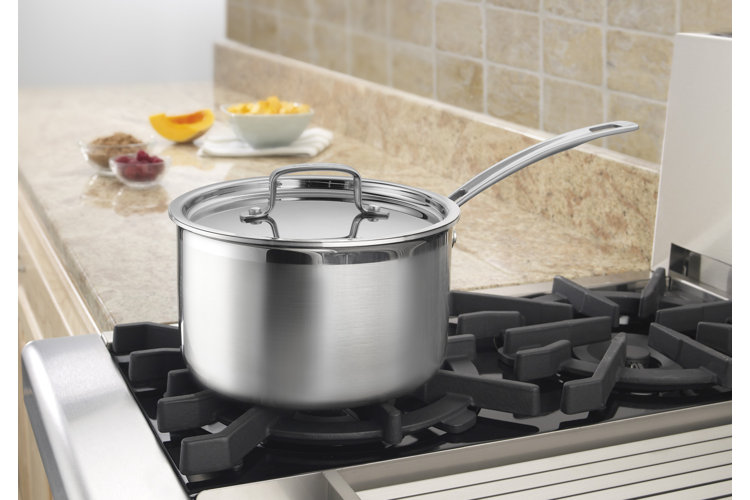
Credit: www.wayfair.com
Non-obvious Insights For Beginners
- Lid Fit Is Critical: Many people overlook the importance of a tight-fitting lid. It helps keep moisture in, reduces cooking time, and prevents spills. If your lid is loose, you might lose flavor or end up with dry food.
- Handle Placement Affects Safety: Medium saucepans with handles placed too close to the body can get hot or cause tipping. Look for handles attached with rivets and designed to stay cool.
These details make cooking safer and more enjoyable.
How Medium Saucepan Size Affects Recipe Results
Some recipes call for a “medium saucepan” without giving exact measurements. Here’s how size impacts results:
- Too Small: Food can boil over, making a mess and wasting ingredients.
- Too Large: You might not have enough depth for proper simmering, which affects flavor and texture.
For example, when making custard or cream-based sauces, medium saucepans provide the right balance of depth and space for whisking. If you use a large pan, the sauce spreads out and can burn. If you use a small pan, the mixture might spill over.
Cleaning And Maintenance Tips
Medium saucepans are generally easy to clean, but here are some tips:
- Rinse immediately: Prevents food from sticking.
- Avoid harsh scrubbers: Can scratch nonstick or stainless surfaces.
- Soak for tough stains: Fill with warm water and let sit for 15 minutes before washing.
Proper care extends the life of your pan and keeps it safe for cooking.
Medium Saucepan Vs. Other Kitchen Pots
It’s easy to confuse saucepans with other pots, like stockpots or sauté pans. Here’s a quick comparison:
| Type | Shape | Typical Size | Best Use |
|---|---|---|---|
| Saucepan | Tall, straight sides | 2–3 quarts | Boiling, simmering, sauces |
| Stockpot | Tall, wider base | 6–12 quarts | Soups, stocks, large batches |
| Sauté Pan | Wide, shallow sides | 3–5 quarts | Searing, frying, sautéing |
A medium saucepan’s shape and size make it distinct and ideal for everyday cooking.

Credit: peggypaulcasella.substack.com
Practical Advisor’s Guide: Buying Tips For Medium Saucepans
If you’re ready to buy a medium saucepan, keep these tips in mind:
- Check return policies: Sometimes a pan feels right in the store but not at home.
- Test handle comfort: Hold the pan as if stirring. If the handle feels awkward, try another model.
- Look for reviews: Other users’ experiences can highlight durability issues.
- Consider weight: Heavy pans are good for even cooking but might be hard to lift.
The right medium saucepan can become your most-used kitchen tool.
Where To Find Reliable Size Information
Many brands publish size guides online. For accurate details on saucepan sizes, you can check resources like Wikipedia, which explains pan types and measurements.

Credit: cookgoldilocks.com
Frequently Asked Questions
How Many Cups Fit In A Medium Saucepan?
A medium saucepan holds 8 to 12 cups of liquid. Since one quart equals four cups, a 2–3 quart pan fits this range. Always check the actual measurement before cooking.
Can I Use A Medium Saucepan For Pasta?
Yes, you can cook small portions of pasta in a medium saucepan. For larger amounts, use a bigger pot to avoid sticking and overcrowding.
Are Medium Saucepans Good For Induction Stoves?
Most modern medium saucepans are induction compatible, especially those made from stainless steel. Always check the manufacturer’s label for compatibility.
What Is The Best Material For A Medium Saucepan?
Stainless steel is most popular for medium saucepans due to its durability and easy cleaning. Nonstick and aluminum are lighter but may wear out faster.
How Do I Know If My Saucepan Is Medium Size?
Measure the capacity (2–3 quarts) or diameter (6–8 inches). If your pan fits these numbers, it is a medium saucepan.
A medium saucepan is a must-have for every kitchen. It balances convenience, size, and versatility—perfect for daily cooking tasks. Knowing what “medium” means helps you cook better, shop smarter, and use your kitchen tools with confidence. Whether you’re boiling, simmering, or reheating, the medium saucepan is your reliable choice.