Packing a lunch box for adults is more than just tossing leftovers or snacks into a container. It’s a chance to fuel your day, control what you eat, and save money. But deciding what to put in lunch box for adults can feel confusing. You want meals that are easy to prep, taste good, and keep you full. Maybe you’re bored of sandwiches. Maybe you want to eat healthier or avoid buying expensive office lunches. This article shares practical ideas, real-life tips, and science-backed advice so your adult lunch box works for your lifestyle.
Why Adult Lunch Boxes Matter
Lunch isn’t just a break—it’s a key moment to recharge. According to the CDC, eating nutritious food at work helps improve focus, productivity, and mood. Adults often skip lunch or grab unhealthy fast food. But a well-packed lunch box can:
- Save up to $2,000 per year compared to eating out
- Reduce daily calories by 300–400 on average
- Lower sugar and sodium intake
Bringing your own lunch means you control portions, ingredients, and taste. You also cut down on packaging waste and support your health goals.
Essential Elements For Adult Lunch Boxes
A balanced lunch box should include:
- Protein: Keeps you full and supports muscle health
- Complex carbs: Provide steady energy
- Healthy fats: Help with vitamin absorption and satiety
- Vegetables & fruits: Add fiber, vitamins, and color
- Hydration: Water or unsweetened drinks
Each element helps you avoid afternoon crashes and keep energy high.
Easy Protein Choices
Protein is the foundation of a satisfying lunch. Adults need about 50–60 grams of protein daily, depending on activity level.
Popular protein options:
- Grilled chicken breast slices
- Hard-boiled eggs
- Tuna or salmon (canned, packed in water)
- Hummus (chickpeas, tahini)
- Greek yogurt (plain, low-fat)
- Tofu or tempeh for plant-based lunches
- Lean turkey or beef slices
For extra convenience, cook protein ahead and portion it for the week.
Smart Carbohydrates
Carbs aren’t bad when you choose the right kind. Complex carbs keep your energy stable.
Best choices:
- Brown rice or quinoa
- Whole wheat pasta or wraps
- Sweet potatoes
- Barley
- Multigrain bread or crackers
Avoid white bread, sugary pastries, and chips. One study found whole grains can reduce risk of heart disease by up to 30%.

Credit: www.amazon.com
Healthy Fat Options
Good fats support your brain and help you feel satisfied.
Try these:
- Avocado slices
- Nuts: Almonds, walnuts, pistachios
- Olive oil drizzle on salads
- Nut butter (peanut, almond)
- Seeds: Chia, sunflower, pumpkin
Keep portion sizes small—about one tablespoon of oil or a small handful of nuts.
Colorful Vegetables And Fruits
Vegetables and fruits bring fiber, antioxidants, and flavor.
Easy veggie ideas:
- Carrot sticks
- Cherry tomatoes
- Cucumber slices
- Bell peppers
- Broccoli florets
Fruit options:
- Apple slices
- Grapes
- Berries
- Banana
- Orange segments
Aim for at least two servings of vegetables and one serving of fruit.

Credit: www.amazon.com
Hydration And Drinks
Staying hydrated is critical for focus. Avoid sugary sodas and juices.
Best options:
- Water (add lemon or cucumber for flavor)
- Unsweetened iced tea
- Sparkling water
- Herbal tea
A reusable bottle makes it easier to remember your drink.
Sample Adult Lunch Box Ideas
Here are some real-world combos for inspiration.
- Mediterranean Bowl: Grilled chicken, brown rice, cucumber, tomato, hummus, olives
- Veggie Wrap: Whole wheat tortilla, roasted veggies, spinach, feta, avocado
- Protein Salad: Mixed greens, tuna, beans, cherry tomatoes, vinaigrette
- Asian Bento: Teriyaki tofu, steamed broccoli, edamame, brown rice
- Snack Box: Hard-boiled egg, multigrain crackers, apple slices, almonds
Each option combines protein, carbs, fat, and vegetables for a balanced meal.
Comparison Table: Common Lunch Box Proteins
To help you choose, here’s a quick guide to the most popular protein sources.
| Protein Source | Calories (per 100g) | Protein (g) | Prep Time |
|---|---|---|---|
| Chicken Breast | 165 | 31 | 10 min (grilled) |
| Hard-Boiled Egg | 155 | 13 | 8 min (boiled) |
| Tuna (Canned) | 130 | 28 | 1 min (drained) |
| Greek Yogurt | 60 | 10 | None |
| Hummus | 166 | 8 | 2 min (scoop) |
Practical Tips For Packing Lunch Boxes
Packing lunch for adults isn’t just about the food—how you pack matters too.
- Use insulated lunch boxes to keep food fresh.
- Pack wet foods (like salads) separate from dry items to avoid soggy bread.
- Choose BPA-free containers for safety.
- Add a small ice pack if you have dairy or meat.
- Use dividers for snacks and sauces.
One insight many miss: let hot foods cool before sealing containers. This prevents moisture and keeps food tasting better.
How To Make Lunch Box Prep Easier
Busy mornings often ruin lunch plans. Here’s how to make lunch box prep simple:
- Batch cook on weekends: Grill chicken, roast veggies, cook rice.
- Pre-cut fruits and veggies: Store in airtight boxes.
- Build a lunch station in your fridge: Keep ingredients together.
- Freeze portions of soup, chili, or pasta for quick grab-and-go.
Many adults skip lunch because they forget to pack. Setting a reminder or prepping ahead solves this problem.
Table: Nutrient Balance For A Typical Adult Lunch Box
Compare the nutrients in a balanced lunch box.
| Component | Calories | Protein (g) | Carbs (g) | Fat (g) | Fiber (g) |
|---|---|---|---|---|---|
| Chicken (100g) | 165 | 31 | 0 | 3 | 0 |
| Brown Rice (1/2 cup) | 110 | 2 | 23 | 1 | 1 |
| Carrots (50g) | 20 | 0 | 5 | 0 | 2 |
| Avocado (1/4) | 60 | 1 | 3 | 5 | 2 |
| Apple (1 small) | 70 | 0 | 19 | 0 | 3 |
Credit: silverhillsbakery.ca
Avoid Common Lunch Box Mistakes
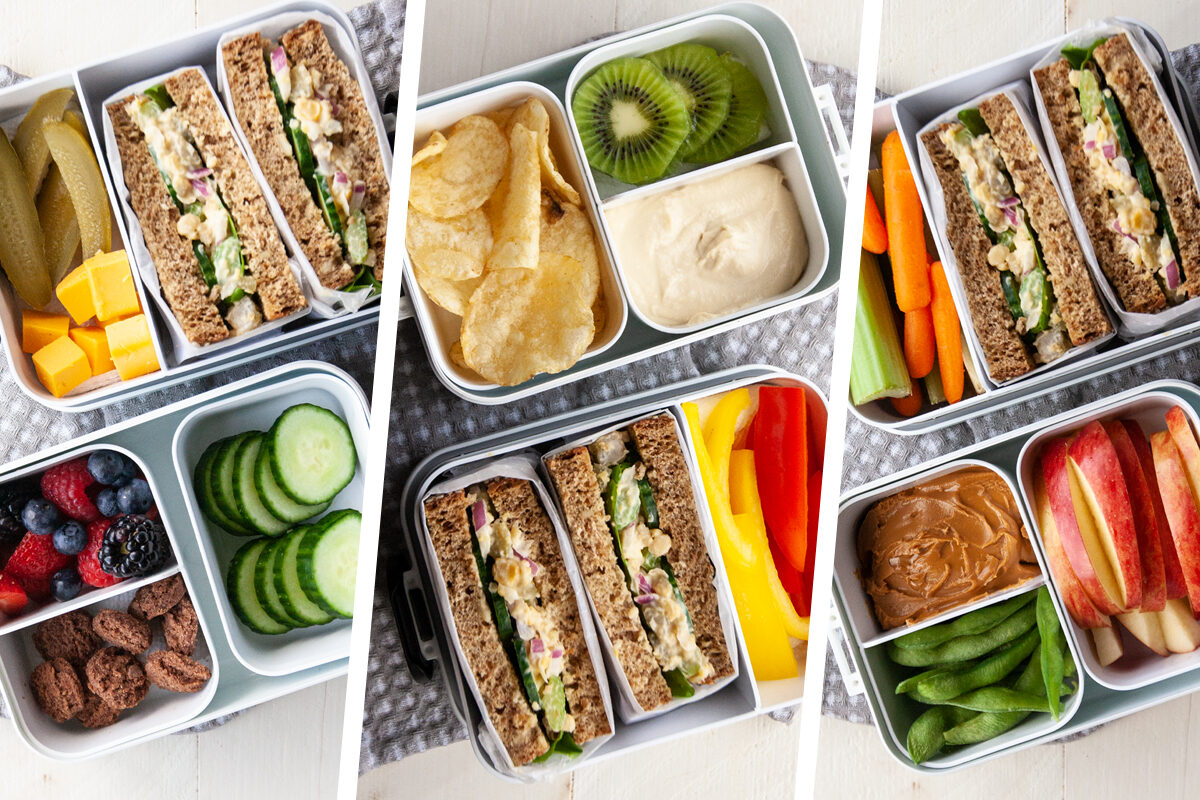
Many adults make errors without realizing. These are the most frequent:
- Packing too little protein: Leads to hunger and snacking.
- Forgetting vegetables: Reduces fiber and nutrients.
- Overloading on simple carbs: Like white bread, rice cakes, crackers.
- Packing large portions: Can cause afternoon fatigue.
- Not keeping food cold: Risks food safety.
A helpful tip: pack your lunch the night before and check the portion sizes. This prevents last-minute rushing and overeating.
Lunch Box Ideas For Special Diets
Not everyone eats the same way. Here are ways to adjust for popular diets:
Vegetarian
- Chickpea salad with spinach, nuts, and feta
- Lentil stew with brown rice
- Vegetable sushi rolls
Low-carb
- Grilled chicken with salad greens, avocado, and boiled eggs
- Cheese cubes with turkey slices, cucumber, and bell pepper
Gluten-free
- Quinoa bowl with turkey, roasted veggies, and hummus
- Rice cakes with almond butter and apple
Dairy-free
- Tuna salad with olive oil, lemon, and veggies
- Stir-fried tofu with broccoli and carrots
Vegan
- Bean chili with brown rice
- Falafel wrap with hummus and veggies
Adjust sauces, dressings, and sides to fit your needs.
You might find this helpful: Best Lunch Boxes for Adults
Table: Lunch Box Storage Options
Choosing the right storage is key for freshness and convenience.
| Container Type | Material | Best for | Drawbacks |
|---|---|---|---|
| Plastic Box | BPA-free plastic | Lightweight, salads, sandwiches | Can stain, absorbs odors |
| Glass Container | Tempered glass | Hot meals, microwaving | Heavy, breakable |
| Stainless Steel | Steel | Durable, dry snacks | Not microwave-safe |
| Insulated Bag | Fabric, foam | Maintains temperature | Needs containers inside |
Non-obvious Insights: What Beginners Often Miss
- Flavor boosters matter: Include a small container of sauce or dressing. Many adults skip this, but it makes vegetables and grains tastier.
- Texture is important: Add crunchy items (like nuts or seeds) and creamy foods (like yogurt or avocado). This keeps your lunch interesting and satisfying.
Beginners also forget to vary meals. Eating the same lunch every day leads to boredom and temptation to eat out. Plan two or three lunch box types each week for variety.
Where To Find More Inspiration
If you want more lunch box recipes and ideas, check out EatRight.org for practical tips from registered dietitians.
Frequently Asked Questions
What Is The Healthiest Thing To Put In An Adult Lunch Box?
The healthiest options combine lean protein, whole grains, vegetables, and a small portion of healthy fat. For example, grilled chicken with brown rice, roasted veggies, and avocado. Avoid processed foods and sugary snacks.
How Can I Keep My Lunch Box Food Fresh Until Lunchtime?
Use an insulated lunch box and add an ice pack. Keep salads and wet foods separate from dry snacks. If possible, refrigerate your lunch box at work. Let hot foods cool before packing to prevent moisture buildup.
What Are Some Quick Lunch Box Ideas For Busy Adults?
Try a bento box with hard-boiled eggs, crackers, cheese, fruit, and carrot sticks. Or pack a wrap with turkey, spinach, and hummus. Batch cooking protein and grains ahead makes weekday packing faster.
How Do I Avoid Soggy Sandwiches In My Lunch Box?
Keep wet ingredients (like tomatoes or lettuce) separate and add them just before eating. Use crusty bread or wraps instead of soft bread. Pack sauces or dressings in small containers.
Can I Meal Prep Lunch Boxes For The Whole Week?
Yes, but choose foods that stay fresh. Cook protein and grains ahead, chop veggies, and store in airtight containers. Avoid foods that wilt, like lettuce. Rotate meals for variety and freeze portions for longer storage.
Packing a lunch box for adults doesn’t need to be boring or stressful. With smart planning and a mix of protein, carbs, healthy fats, and colorful produce, your lunch will keep you energized all day. Try new combinations and adjust for your preferences.
A well-packed lunch box is the easiest way to eat better, save money, and boost your productivity.