Keeping your floors clean is not just about using a mop—it’s about using a mop head that’s in good condition. Many people keep using the same mop head for months, sometimes even years, without realizing how this affects cleanliness and health. A dirty or worn-out mop head can spread germs, leave streaks, and waste your cleaning effort. But how do you know when it’s time to replace your mop head? Let’s dive in and clear up the confusion, so your floors stay truly clean and safe.
Why The Mop Head Matters
A mop head is the part that actually touches your floor. It picks up dirt, absorbs spills, and removes bacteria. If it’s old or dirty, you’re not really cleaning—you’re just moving dirt around. Using a fresh, functional mop head makes cleaning faster and more effective.
It also helps keep your home or workspace healthier.
Signs Your Mop Head Needs Replacing
It’s not always obvious when a mop head is past its prime. Here are the main signs to look for:
- Visible Wear and Tear: If you see holes, frayed edges, or thinning fibers, the mop head can’t clean well.
- Persistent Odor: Even after washing, a bad smell means bacteria are trapped inside.
- Stains That Won’t Go Away: Some stains just won’t budge, no matter how much you wash the mop head.
- Reduced Absorption: If the mop head doesn’t soak up water like before, it’s losing its cleaning power.
- Leaving Streaks: If your floor looks dirtier after mopping, the mop head might be spreading grime.
These signs are easy to miss if you’re not paying attention. Many people think a mop head is fine as long as it looks “okay. ” But ignoring these clues can lead to poor cleaning and even health risks.

Credit: www.youtube.com
How Often Should You Replace A Mop Head?
There’s no single answer, because it depends on:
- Usage frequency: Daily use wears out a mop head faster.
- Type of floor: Rough surfaces damage mop heads more quickly.
- Cleaning environment: Hospitals, restaurants, or schools need stricter hygiene.
Here’s a basic guideline:
| Usage Frequency | Recommended Replacement |
|---|---|
| Daily (Commercial) | Every 1-2 weeks |
| Weekly (Home) | Every 2-3 months |
| Occasional | Every 6 months |
For homes, changing the mop head every 2-3 months is usually enough. For businesses, especially those with high foot traffic, replacing it every 1-2 weeks helps keep floors truly clean.
Mop Head Types And Lifespan
The type of mop head affects how long it lasts. Some materials wear out faster than others. Here’s a quick comparison:
| Mop Head Type | Average Lifespan | Best Use |
|---|---|---|
| Cotton | 1-2 months | General cleaning |
| Microfiber | 3-6 months | Dust & bacteria removal |
| Sponge | 2-3 months | Spills & smooth floors |
| String/Yarn | 1-2 months | Heavy-duty cleaning |
Microfiber mop heads last longer and clean more effectively, especially against bacteria. But even microfiber needs replacing regularly to stay efficient.
Credit: www.ocedar.com
Risks Of Using Old Mop Heads
Many people don’t realize that an old mop head can cause problems:
- Spreading germs: Instead of removing bacteria, you might spread them around.
- Damaging floors: Rough, worn mop heads can scratch delicate surfaces.
- Unpleasant odors: Old mop heads can leave a musty smell in your home.
- Reduced cleaning power: Cleaning takes longer and is less effective.
Studies show that bacteria can survive on mop heads for weeks. According to the CDC, cleaning tools must be changed regularly to avoid cross-contamination, especially in places like hospitals and kitchens.
How To Clean And Maintain A Mop Head
Proper cleaning can extend the life of your mop head, but only to a point. Here are some tips:
- Rinse after each use: Remove as much dirt and debris as possible.
- Wash in hot water: Hot water kills bacteria better than cold water.
- Dry completely: Let the mop head air dry in a well-ventilated area.
- Avoid bleach: Bleach can break down fibers and reduce lifespan.
- Use disinfectant occasionally: For extra hygiene, use a mild disinfectant, but not every time.
Even with careful cleaning, fibers get damaged over time. Washing helps, but doesn’t make a mop head last forever.
How Long Does A Mop Head Stay Hygienic?
A mop head stays hygienic only if cleaned after every use and replaced on time. Data shows that:
| Cleaning Frequency | Mop Head Hygiene Duration |
|---|---|
| After every use | Up to 2 months |
| Weekly | Up to 1 month |
| Rarely | Less than 2 weeks |
A common mistake is to skip cleaning if the mop head “looks clean. ” But bacteria and mold can grow inside, even if you don’t see them.
Factors That Affect Replacement Timing
Not everyone uses their mop in the same way. Here are things that change how often you should replace the mop head:
- Type of dirt: Mud, oil, and food stains wear out mop heads quickly.
- Water quality: Hard water leaves mineral deposits, making mop heads stiff.
- Storage: If you store the mop in a damp place, it gets moldy faster.
- Climate: Humid climates encourage bacteria and mold growth.
For example, a mop used in a kitchen needs replacing more often than one used in a bedroom. If your mop head is often exposed to greasy or oily messes, change it sooner.
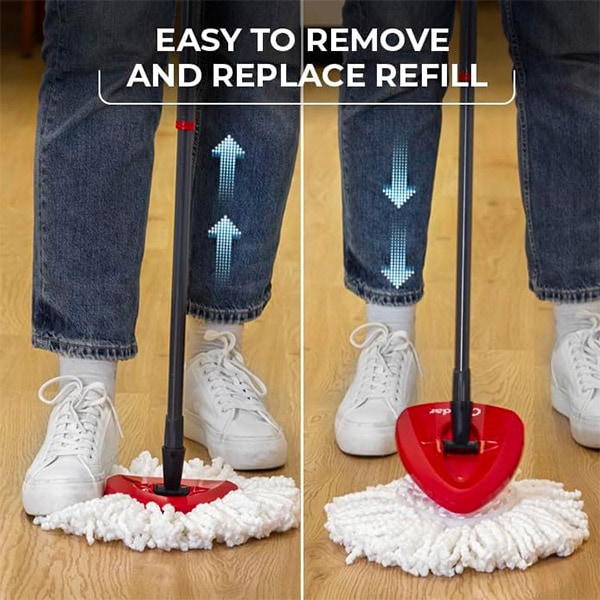
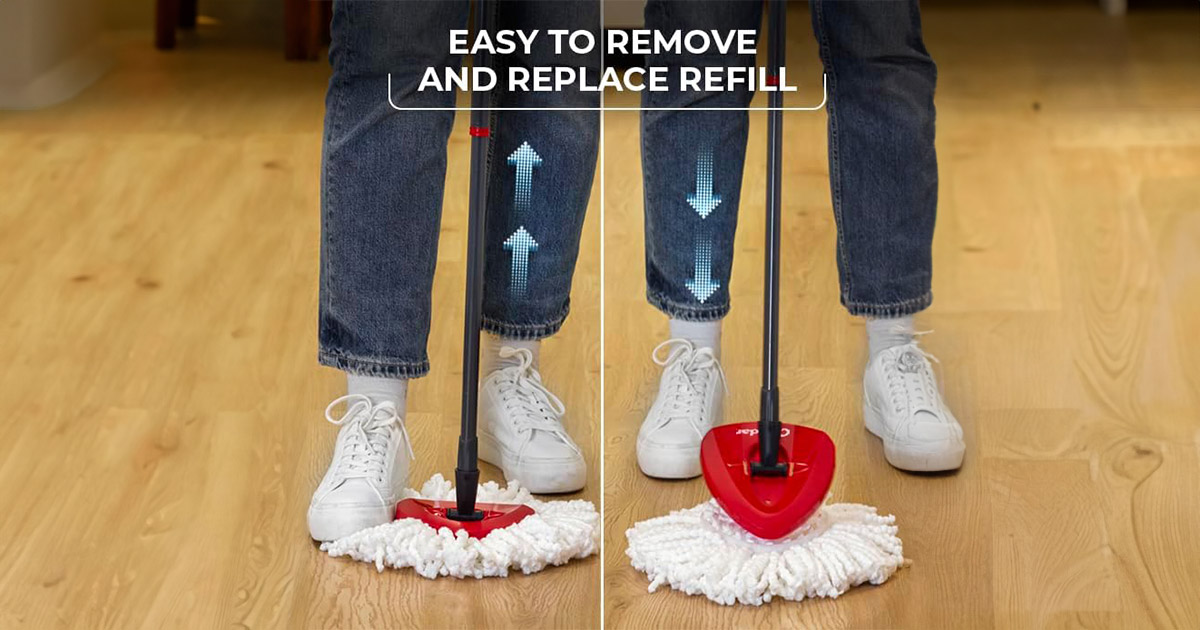
Choosing The Right Mop Head For Easy Replacement
Some mop designs make replacement easy. Look for these features:
- Quick-release mechanism: Makes changing mop heads faster and cleaner.
- Universal fit: Easier to find replacements.
- Color-coded mop heads: Helps avoid mixing cleaning zones (kitchen vs bathroom).
If you struggle with finding the right replacement, consider buying from brands that offer easy-to-find mop heads. This saves time and keeps your cleaning routine smooth.
Practical Tips For Extending Mop Head Life
Want to make your mop head last longer without sacrificing cleanliness? Try these tips:
- Sweep floors before mopping: Reduces dirt and grit, so your mop head stays cleaner.
- Don’t overuse cleaning chemicals: They break down fibers quickly.
- Avoid soaking for too long: Extended soaking causes mold and smells.
- Rotate mop heads: Have a spare so you can switch and dry properly.
- Label for different areas: Using separate mop heads for kitchen and bathroom prevents cross-contamination.
These tricks help, but remember, every mop head has an end date.
Credit: www.ocedar.com
Mistakes To Avoid When Replacing Mop Heads
Many people make errors when it comes to mop head replacement. Here are some common mistakes:
- Waiting for visible damage: Mop heads can be unhygienic before they look damaged.
- Using one mop head for all areas: This spreads germs between rooms.
- Ignoring cleaning instructions: Each material has its own care routine.
- Not keeping spare mop heads: Running out means using an old one longer than you should.
If you avoid these mistakes, your floors will be cleaner and your mop heads will do their job better.
Expert Recommendations
Cleaning experts agree: regular replacement is the best way to keep your floors safe. For example, the CDC recommends using a fresh mop head for each cleaning session in sensitive areas like hospitals. For homes, follow the guidelines above, but always check for signs of wear.
If you want more detailed cleaning advice, check out this helpful resource from the CDC Environmental Cleaning Guidelines.
Frequently Asked Questions
How Do I Know If My Mop Head Is Too Old?
Check for fraying, bad smell, and stains that won’t wash out. If the mop head leaves streaks or doesn’t absorb water well, it’s time to replace it.
Can I Wash And Reuse A Mop Head?
Yes, most mop heads can be washed and reused several times. But after a few months (or weeks for heavy use), fibers break down and hygiene drops.
What Happens If I Don’t Replace My Mop Head?
You risk spreading germs, damaging your floors, and making cleaning harder. Old mop heads hold bacteria and can make your home smell bad.
Should I Use Different Mop Heads For Different Rooms?
Using separate mop heads for areas like the kitchen and bathroom prevents cross-contamination. Color-coding helps you keep track.
Is Microfiber Better Than Cotton For Mop Heads?
Microfiber is usually better for removing bacteria and lasts longer than cotton. But you still need to replace it regularly for best results.
Keeping your mop head fresh is a simple step that makes a big difference. By watching for signs of wear, following replacement guidelines, and avoiding common mistakes, you’ll keep your floors cleaner and your home safer. Don’t wait until your mop head looks destroyed—replace it regularly and enjoy better, easier cleaning every time.