Why Do Tea Kettles Whistle?
Imagine standing in your kitchen, waiting for your cup of tea. Suddenly, your kettle begins to whistle—a sound that signals boiling water is ready. But have you ever wondered why tea kettles whistle? It’s not just a feature for convenience.
The whistle is a result of simple physics, clever engineering, and a bit of history. This article will explain how the whistling works, what’s happening inside your kettle, and why this sound is important. You’ll learn about the science, design, and even some fun facts that most people miss.
Whether you’re a tea lover or just curious, you’ll never hear a kettle the same way again.
The Science Behind Kettle Whistling
The whistling sound is not just random noise. It is a product of physics, especially fluid dynamics and thermodynamics. Here’s how it happens:
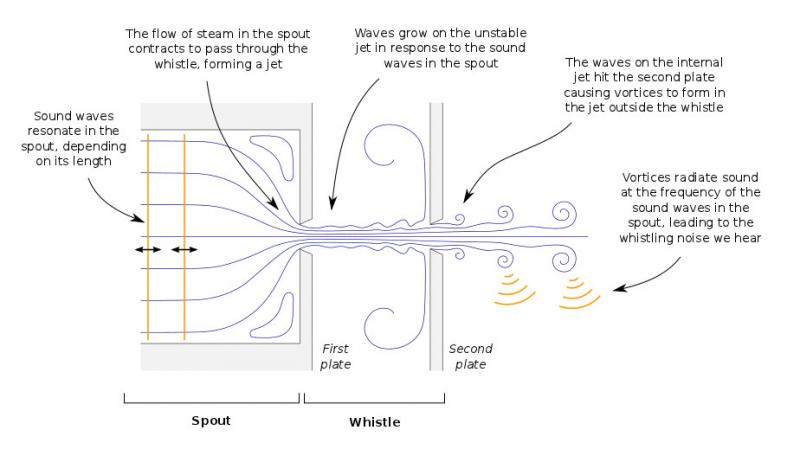
When you heat water in a kettle, the temperature rises and the water starts to evaporate. As the water turns into steam, it builds up pressure inside the kettle. Most kettles have a small hole or a whistle spout on the lid or the spout itself. As the steam tries to escape, it is forced through this tiny opening.
The steam moves quickly through the hole, causing the air and the metal to vibrate. These vibrations create the high-pitched sound we know as a whistle. It’s similar to how musical instruments work—air moves through a small opening and creates sound.
How Steam Creates Sound
The kettle whistle works much like a reed instrument. The steam flows through the whistle’s opening, causing the edges to vibrate. This produces sound waves. The shape and size of the whistle control the pitch and loudness.
A classic study by Cambridge University found that most kettle whistles operate between 2,000 and 4,000 Hz. This range is high enough for humans to hear clearly but not so loud it’s painful.
Key Factors That Influence The Whistle
- Temperature: Water boils at 212°F (100°C) at sea level. The whistle starts as the steam reaches this point.
- Steam Pressure: More pressure means a louder whistle.
- Whistle Shape: Different shapes produce different sounds.
Let’s compare some typical kettle whistle designs:
| Whistle Type | Pitch Range (Hz) | Loudness (dB) | Common Material |
|---|---|---|---|
| Classic Metal Whistle | 2,000–3,500 | 80–90 | Stainless Steel |
| Plastic Whistle | 2,500–4,000 | 70–80 | BPA-Free Plastic |
| Integrated Lid Whistle | 2,200–3,800 | 75–85 | Aluminum |
Why Do We Need Kettles To Whistle?
The whistle isn’t just for fun. It has practical uses:
- Safety: The whistle warns you when the water is boiling. If you forget, the sound alerts you before the kettle boils dry, which can damage the kettle or cause accidents.
- Convenience: You don’t need to watch the kettle. The whistle tells you when it’s ready.
- Energy Efficiency: Knowing when water is boiled prevents wasting gas or electricity.
In older times, people boiled water on open fires. There was no whistle, so kettles would often boil dry, leading to fire hazards. The invention of the whistle made kettles safer and more user-friendly.
Whistle Vs. Non-whistle Kettles
Some modern kettles, especially electric ones, use an automatic shut-off instead of a whistle. Let’s look at the differences:
| Feature | Whistling Kettle | Electric Kettle |
|---|---|---|
| Alert Mechanism | Sound (Whistle) | Automatic Shut-Off |
| Risk of Boil Dry | Lower (Whistle warning) | Very Low (Auto shut-off) |
| Energy Efficiency | Moderate | High |
| Price Range | $15–$50 | $20–$100 |
Credit: www.cam.ac.uk
The History Of The Whistling Kettle
The idea of a whistling kettle started in the early 20th century. Before that, kettles were simple pots. The first whistle was patented in 1923 by J. M. Magee in the US. This invention quickly became popular because it solved the problem of unattended boiling.
Since then, kettle designs have changed, but the whistle remains a key feature. Today, over 60% of stovetop kettles sold worldwide have some form of whistle.
Notable Whistling Kettle Designs
- The Simplex Kettle: Made in England since 1903, famous for its loud whistle.
- Le Creuset Kettle: Known for stylish colors and a soft whistle.
- Modern Electric Kettles: Many still include a whistle for tradition, even if they have auto shut-off.
How A Kettle Whistle Works: Step-by-step
Let’s break down the process:
- Heating Water: You fill the kettle and place it on the stove. Heat transfers to the water.
- Steam Formation: As water boils, steam is produced. Steam is lighter than water and rises.
- Pressure Build-Up: Steam builds pressure inside the kettle. The only escape is through the whistle’s small hole.
- Steam Jet: The steam moves fast through the hole, causing air to vibrate.
- Sound Production: These vibrations create sound waves. The size and shape of the hole decide the sound’s pitch and loudness.
Common Mistakes That Affect Whistling
Many people don’t realize that a dirty or blocked whistle can stop the sound. Mineral deposits from hard water can clog the whistle. Cleaning the whistle regularly ensures it works as intended.
Another mistake is overfilling the kettle. If water blocks the whistle, steam cannot escape, and no sound is produced. Always fill the kettle below the maximum line.
Credit: publishing.aip.org
The Physics Of Whistling: More Than Just Steam
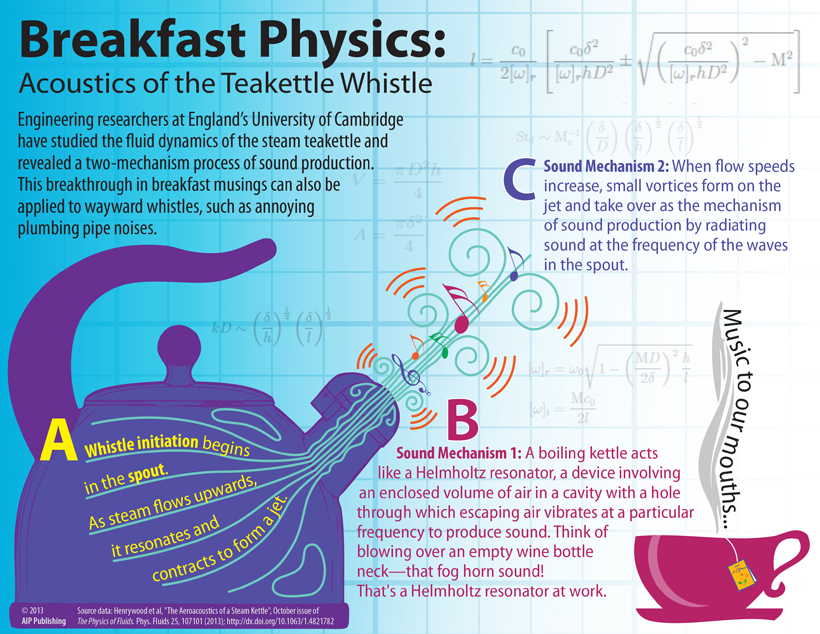
The whistling sound is an example of acoustic resonance. When steam rushes through a narrow opening, it creates turbulence. This turbulence causes air inside the whistle to vibrate at certain frequencies.
Researchers at Cambridge found that the whistle acts like a Helmholtz resonator—the same principle used in blowing over the top of a bottle. The cavity inside the whistle, combined with the opening size, controls the frequency. If you change the whistle’s shape, you change the sound.
Data On Whistling Efficiency
A good whistle uses only a small amount of steam to make a loud sound. Tests show that:
- 90% of steam escapes through the whistle.
- Only 10% of steam is needed to produce a clear whistle.
- Kettles with larger whistles use more energy, but the sound is not always louder.
| Whistle Size | Steam Used (%) | Sound Loudness (dB) |
|---|---|---|
| Small | 8 | 85 |
| Medium | 10 | 90 |
| Large | 15 | 80 |
Why Some Kettles Don’t Whistle
Not all kettles have a whistle. Some reasons include:
- Design Choice: Some kettles are made for silent boiling, especially in offices or hotels.
- Electric Kettles: Most electric kettles have an auto shut-off, so a whistle isn’t needed.
- Material: Glass kettles or very thin metal may not support a whistle.
- Cost: Adding a whistle increases manufacturing cost.
If you want a kettle that whistles, always check the product description. Look for “whistle spout” or “audible alert.”

Credit: www.reddit.com
How To Keep Your Kettle Whistling
To make sure your kettle keeps whistling clearly:
- Clean the Whistle: Use vinegar or mild soap to remove mineral deposits.
- Check Water Level: Don’t overfill. Leave space for steam.
- Inspect for Damage: Cracks or dents can affect how the whistle works.
- Use Proper Heat: Too low heat may not produce enough steam; too high heat can damage the kettle.
Many people forget to clean the whistle or check for blockages. Regular maintenance will keep your kettle working well.
Fun Facts And Non-obvious Insights
- The whistle’s sound is often unique to each kettle. Some people recognize their kettle’s whistle like a ringtone.
- In Japan, kettles called “Tetsubin” produce a softer whistle, considered more relaxing.
- The whistle can also be used as a signal for cooking—some chefs listen for the sound to know when to add ingredients.
- Kettle whistles have inspired musical instrument designs.
- Many modern kettles use double-chamber whistles for a richer, layered sound.
Frequently Asked Questions
Why Does My Kettle Whistle Louder When It’s Almost Empty?
When there’s less water, more steam is produced and escapes faster. The increased steam pressure can make the whistle louder and higher in pitch.
Can I Fix A Kettle Whistle If It Stops Working?
Yes, often the problem is mineral buildup or a blocked hole. Clean the whistle with vinegar and a small brush. If the whistle is damaged, you might need to replace it.
Is It Safe To Leave A Kettle Whistling For A Long Time?
No, it’s best to turn off the heat once the whistle starts. Prolonged whistling can cause the kettle to boil dry, which may damage the kettle or be a fire risk.
Are Electric Kettles Better Than Whistling Kettles?
Electric kettles are more energy-efficient and faster, and they usually have automatic shut-off. Whistling kettles are simple, traditional, and do not require electricity. The best choice depends on your needs.
Can I Buy A Whistle For My Existing Kettle?
Some companies sell whistle attachments for kettles. Make sure the attachment fits your kettle’s spout and is made from safe materials. Always check compatibility before buying.
The next time you hear your kettle whistling, remember that it’s not just a sound—it’s a clever mix of science and design. The whistle protects you, saves energy, and even adds a bit of tradition to your kitchen. If you want to dive deeper into the physics, visit Wikipedia for more. With this knowledge, your tea-making will always start on the right note.