Skip to content
Why Does a Thermos Cup Leak And How Do You Fix It
Thermos cups are popular for keeping drinks hot or cold for hours. They make life easier, whether you’re commuting, hiking, or working at your desk. But even the best thermos can start leaking, turning your bag into a mess or wasting your favorite coffee.
Many people wonder why this happens and how to fix it. The good news is, most leaks are preventable and repairable. In this article, you’ll learn the main reasons a thermos cup leaks, how to spot the problem, and practical solutions to keep your drinks safe.
Common Reasons Why Thermos Cups Leak
Understanding why your thermos cup leaks is the first step to fixing it. Not all leaks are the same, and each cause needs a different approach.
1. Damaged Or Worn Seals
The most frequent cause is a damaged seal. Thermos cups have rubber or silicone rings called gaskets. These gaskets create a tight seal between the lid and the cup.
- Over time, gaskets can crack, flatten, or lose elasticity.
- Cleaning with harsh chemicals or high heat can speed up damage.
- Even tiny cracks can let water escape.
2. Improper Lid Alignment
Many thermos cups use a screw-on lid or a snap-on design. If you don’t close the lid properly:
- The gasket won’t make full contact.
- Threads can wear out, making the lid fit loosely.
- Small misalignments can cause slow leaks.
3. Manufacturing Defects
Sometimes the problem starts with the factory.
- Misplaced gaskets, uneven threading, or poor quality control.
- Some brands have higher leak rates due to bad design.
- Cheap thermos cups often use thin materials or poorly made lids.
4. Pressure Build-up
Hot drinks cause steam, which builds pressure inside the cup.
- If the pressure isn’t released, it can force liquid past the gasket.
- Some thermos cups lack a pressure release valve.
- Shaking the cup or dropping it can increase pressure and cause leaks.
5. Physical Damage
Dropping or hitting your thermos cup can bend or dent the rim.
- Even a small dent can stop the lid from sealing.
- Cracked lids or bodies can cause permanent leaks.
6. User Mistakes
Sometimes leaks happen because of small errors:
- Overfilling the cup leaves no space for the lid.
- Using the wrong lid for your cup model.
- Not cleaning the gasket, leading to stuck particles.
How To Identify The Source Of The Leak
Finding out exactly where your thermos cup leaks is important. Here’s a step-by-step guide:
- Fill the cup with water and close the lid tightly.
- Shake the cup gently and look for drips.
- Check the lid and rim for moisture. If wet, the leak is at the seal.
- Inspect the gasket. Remove it and look for cracks, flattening, or sticky residue.
- Look for dents or cracks on the rim or body.
- Pressurize the cup by filling it with hot water, then check for leaks after a few minutes.
This simple test helps you pinpoint whether the leak comes from the lid, gasket, or body. Sometimes, leaks are only visible when the cup is upside down or under pressure.

Credit: www.walmart.com
Fixing A Leaky Thermos Cup: Practical Solutions
Once you know the problem, you can choose the right fix. Not all leaks need professional repair—many can be fixed at home.
1. Replace The Gasket
If the gasket is damaged, replacing it is the best solution.
- Find the model number of your thermos cup.
- Search for replacement gaskets online or at kitchen stores.
- Remove the old gasket, clean the groove, and fit the new one.
Most gaskets cost less than $5 and are easy to install. Always choose the right size and material.
2. Clean The Seal Area
Sometimes, a leak is caused by dirt or residue.
- Remove the gasket and soak it in warm, soapy water for 10 minutes.
- Clean the lid groove with a soft brush.
- Dry everything fully before reassembling.
Even small crumbs or coffee residue can cause leaks, so regular cleaning helps.
3. Fix Lid Alignment
If the lid doesn’t close straight, try these steps:
- Check the threads for damage or debris.
- Twist the lid slowly and evenly to avoid cross-threading.
- If the lid is warped, try gently bending it back.
Some thermos cups have replaceable lids. If yours is damaged, buy a new lid from the brand’s website.
4. Repair Dents And Cracks
If your cup has a dent or crack, fixing it is harder.
- Small dents can sometimes be pushed out with careful pressure.
- For cracks, use food-safe epoxy to seal them.
- Severe damage often means you need a new thermos cup.
Never use super glue or other toxic materials, as they can contaminate your drink.
5. Release Pressure Safely
For cups that leak due to pressure build-up:
- Leave the lid slightly loose when filling with hot drinks, then tighten after a few minutes.
- Open the pressure release valve if your cup has one.
- Don’t shake or drop the cup with hot liquid inside.
Some brands offer cups with special valves to release steam. If you often drink hot beverages, choose these models.
6. Avoid Common User Mistakes
Prevent leaks with good habits:
- Don’t overfill the cup—leave at least half an inch at the top.
- Use the correct lid for your model.
- Clean your thermos cup regularly, especially the gasket and threads.
Comparing Thermos Cup Brands: Leak Rates And Quality
Some brands are much better at preventing leaks than others. Here’s a comparison of popular brands based on customer reviews and leak rates:
| Brand | Average Leak Rate (%) | Material Quality | Price Range |
|---|---|---|---|
| Thermos | 4 | High | $20–$40 |
| Contigo | 7 | Medium | $15–$35 |
| Hydro Flask | 3 | Very High | $25–$45 |
| Zojirushi | 2 | Very High | $35–$55 |
| Generic Brands | 15 | Low | $5–$15 |
This shows that quality brands have much lower leak rates. Investing in a reliable thermos cup can save you trouble in the long run.
Thermos Cup Lifespan: How Long Before Leaks Start?
How long does a thermos cup last before leaks begin? It depends on usage, cleaning habits, and brand. Here’s a typical breakdown:
| Usage Frequency | Expected Lifespan (Years) | Leak Risk After Lifespan (%) |
|---|---|---|
| Daily (Hot Drinks) | 2–3 | 35 |
| Weekly (Mixed Drinks) | 4–6 | 15 |
| Occasional (Cold Only) | 6–8 | 5 |
Daily use with hot drinks creates more wear on the gasket and lid. Occasional use, especially with cold drinks, means less stress and longer lifespan.
Non-obvious Insights: What Most Users Miss
Many beginners overlook these points:
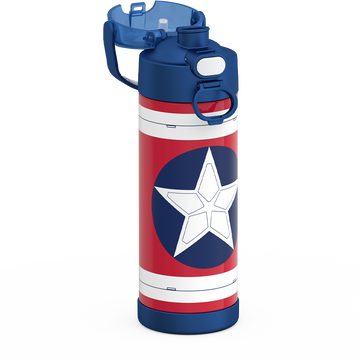
- Gasket material matters: Silicone gaskets last longer than rubber. They’re also more resistant to heat and chemicals.
- Thread wear: Repeated opening and closing wears out the threads, making leaks more likely. Use gentle pressure and avoid forcing the lid.
- Cleaning frequency: Most leaks come from irregular cleaning, not factory defects. Clean the gasket and lid groove every week, not just the cup.
Credit: thermos.com
When Should You Replace Your Thermos Cup?
Sometimes fixing isn’t possible or safe. Here are signs that mean it’s time to buy a new thermos cup:
- The body is cracked or bent beyond repair.
- The lid no longer fits, even with new gaskets.
- You smell metal or plastic odors after cleaning.
- Leaks happen even after cleaning and replacing parts.
If your cup matches any of these, continued use can cause spills or health risks.
How To Prevent Thermos Cup Leaks In The Future
Prevention is always better than repair. Keep your thermos cup in good shape with these tips:
- Wash the gasket and lid weekly.
- Store the cup with the lid off to avoid compressing the gasket.
- Avoid dropping or hitting the cup.
- Use only recommended replacement parts.
- Don’t put your thermos cup in the dishwasher unless the brand says it’s safe.
Many leaks start because of small mistakes. Careful use and regular maintenance will keep your thermos cup working for years.

Credit: www.amazon.com
Frequently Asked Questions
Why Does My Thermos Cup Leak Even After Replacing The Gasket?
If your thermos cup still leaks, check the lid threads and rim for damage. Sometimes, the lid no longer aligns properly, or the rim is bent. Also, make sure you’re using the correct gasket size for your cup.
Can I Use Any Gasket For My Thermos Cup?
No. Gaskets are model-specific. Using the wrong size or material can cause leaks or affect temperature retention. Always check the brand and model number before buying.
Is It Safe To Use Glue To Fix Cracks In My Thermos Cup?
Only food-safe epoxy is safe for repairing cracks. Never use super glue or normal adhesives, as these can release chemicals into your drink. If the crack is near the rim or lid, it’s better to replace the cup.
How Often Should I Clean The Gasket And Lid?
For best results, clean weekly. Remove the gasket and wash it with warm, soapy water. Clean the lid groove and threads to remove coffee, tea, or residue that can cause leaks.
Which Thermos Cup Brand Is Best For Avoiding Leaks?
Brands like Zojirushi and Hydro Flask have the lowest leak rates. They use high-quality materials and tight manufacturing standards. For more details, see this comparison from Consumer Reports.
Taking care of your thermos cup is simple once you know what causes leaks and how to fix them. With the right habits and a few easy repairs, you can keep your drinks safe and your bag dry. If leaks keep happening, don’t hesitate to upgrade to a better model—quality pays off in the long run.