Have you ever turned on your air fryer only to be hit by a strange chemical smell? It’s unsettling, right?
You expect your kitchen to smell like delicious food, not like plastic or chemicals. But why does your air fryer smell like chemicals in the first place? Is it safe to keep using it? You’re not alone in wondering this.
Understanding the source of that smell is key to protecting your health and getting the most out of your air fryer. Keep reading, and you’ll learn what causes these odors, how to tell if your air fryer might be unsafe, and simple steps you can take to fix the problem and enjoy your meals worry-free.
Common Chemical Smells
Air fryers sometimes emit chemical smells that can be worrying. These odors often come from the materials used in the appliance or its coatings. Understanding the common chemical smells helps identify the cause and decide if it is safe to use. Recognizing these odors can also guide proper cleaning and usage habits.
Burning Plastic Odor
A burning plastic smell usually means plastic parts are overheating. This can happen if food or oil drips onto heating elements. It can also occur during the first uses when plastic trims or parts are exposed to heat. The smell should fade after a few uses if the appliance is new and clean.
New Appliance Smell
New air fryers often have a strong chemical odor. This comes from factory coatings or oils used to protect parts during shipping. Heating the air fryer empty for 10 to 15 minutes usually reduces this smell. Ventilate the area well during this process to clear the air faster.
Toxic Fumes From Coatings
Some air fryer baskets have non-stick coatings that release fumes when overheated. These fumes may have a chemical or plastic-like smell. If the coating is scratched or damaged, the risk of toxic fumes rises. Choosing ceramic or stainless steel interiors can lower this problem. Always check for safety certifications before buying.
Causes Of Chemical Odors
Chemical odors from an air fryer can be alarming. These smells often come from various parts inside the appliance. Understanding the causes helps in preventing and fixing the issue. Below are common reasons why your air fryer might smell like chemicals.
Non-stick Coating Breakdown
Many air fryers use non-stick coatings to prevent food from sticking. These coatings can release chemical smells if they start to break down. High heat or scratches damage the surface. This damage can cause the coating to emit fumes that smell like chemicals. Using metal utensils or abrasive cleaners speeds up this process.
Plastic Components Heating
Air fryers contain plastic parts near the heating element. When these plastics heat up, they can emit a strong chemical odor. New air fryers especially may smell like plastic the first few times they are used. Poor quality plastic or overheating can worsen this problem. The smell often fades after a few uses but can return if plastic parts degrade.
Manufacturing Residues
Sometimes, residues from the manufacturing process remain inside the air fryer. These residues include oils, chemicals, or dust. When the fryer heats up, these substances burn off and create a chemical smell. Cleaning the fryer thoroughly before first use reduces this odor. Regular cleaning also prevents residue buildup over time.
Overheating Issues
Overheating can cause parts of the air fryer to emit chemical smells. If the fryer runs too hot or for too long, coatings and plastics can break down faster. Faulty temperature controls or blocked air vents may cause overheating. Avoid leaving the fryer on empty or running it at maximum temperature for long periods.
Health Risks To Watch
Air fryers with a chemical smell can pose health risks. The smell may come from harmful substances in the coating or plastic parts. Breathing these fumes can cause health problems over time. It is important to recognize the dangers and know what to watch for.
Using an air fryer safely helps protect your health. Some chemicals in air fryers can release toxic fumes, especially if the device is damaged or overheated. Knowing the risks can keep you and your family safe.
Exposure To Ptfe And Pfoa
PTFE and PFOA are chemicals often found in non-stick coatings. These substances can release toxic gases when heated above safe temperatures. Prolonged exposure may cause headaches, dizziness, or respiratory issues. Some studies link them to more serious health problems.
Many modern air fryers avoid these chemicals. Look for products labeled PFOA-free or PTFE-free for safer cooking. Choosing ceramic or stainless steel interiors reduces the risk of harmful exposure.
Toxic Fumes From Damaged Surfaces
Scratched or chipped non-stick surfaces can release toxic fumes. Damage breaks the protective layer, allowing chemicals to escape during cooking. These fumes can irritate the lungs and cause allergic reactions. High heat worsens the problem.
Regularly check your air fryer for damage. Replace the unit if you see peeling or cracks. Avoid cooking at very high temperatures with a damaged device to reduce the risk of fumes.
Signs Of Toxic Air Fryers
A strong chemical or plastic smell during use is a warning sign. This odor may indicate harmful substances are releasing into the air. Other signs include visible damage to the coating or plastic parts. Lack of safety certifications also raises concerns.
Stop using the air fryer if you notice these signs. Consider switching to models with clear safety labels. Always follow manufacturer guidelines to keep your cooking environment safe.
Safe Air Fryer Features
Choosing an air fryer with safe features helps reduce chemical smells. These features protect your health and improve cooking experience. Safe materials and trusted certifications matter most. They prevent harmful odors and toxic fumes from developing.
Ceramic And Stainless Steel Interiors
Ceramic and stainless steel interiors avoid harmful chemicals. They resist scratches that release toxins. These surfaces handle heat well without breaking down. Ceramic coatings are natural and non-toxic. Stainless steel lasts long and cleans easily. Both options keep food safe and fresh.
Bpa-free And Pfas-free Materials
Materials free of BPA and PFAS are safer for cooking. BPA is a chemical found in some plastics, while PFAS are “forever chemicals” linked to health risks. Air fryers made without these materials reduce toxic smells and help avoid chemical odors. If you want models that already meet these standards, here are the best BPA-free air fryers.
Safety Certifications To Check
Certifications prove an air fryer meets safety standards. Underwriters Laboratories (UL) is a well-known safety tester. Products with UL certification have passed strict tests. Other certifications may include ETL or CE marks. These confirm the appliance is safe to use. Certified air fryers are less likely to emit chemical smells.
Identifying Toxic Air Fryers
Identifying toxic air fryers is crucial for your health and safety. Some models contain harmful chemicals that release bad odors and fumes. Recognizing signs of toxicity helps avoid exposure to dangerous substances. This section explains key indicators to spot toxic air fryers early.
Visible Damage And Scratches
Scratches or chips on the non-stick surface can release toxic chemicals. Damaged coatings often contain PTFE or PFOA, which are harmful when heated. Check your air fryer basket and interior for any visible wear or peeling. Avoid using the fryer if the coating looks compromised.
Persistent Plastic Smell
A strong, plastic-like smell during cooking signals chemical breakdown. This odor does not fade after cleaning or airing out the device. The smell may come from low-quality plastic parts or toxic coatings. Stop using the air fryer if the plastic smell stays after several uses.
Lack Of Safety Labels
Safe air fryers carry safety certifications such as UL or ETL marks. These labels ensure the product passed safety and material tests. Absence of such labels can mean the fryer was not tested properly. Always check for safety certifications before buying or using an air fryer.
Cleaning To Reduce Smells
Cleaning plays a key role in reducing chemical smells in your air fryer. Residue from cooking oils and food can build up inside. This buildup can cause unpleasant odors over time. Regular cleaning keeps your air fryer fresh and safe to use.
Proper cleaning also helps prevent damage to the non-stick surface. Damaged surfaces may release harmful smells or chemicals. Follow simple cleaning steps to maintain your air fryer’s quality and smell.
Proper Cleaning Methods
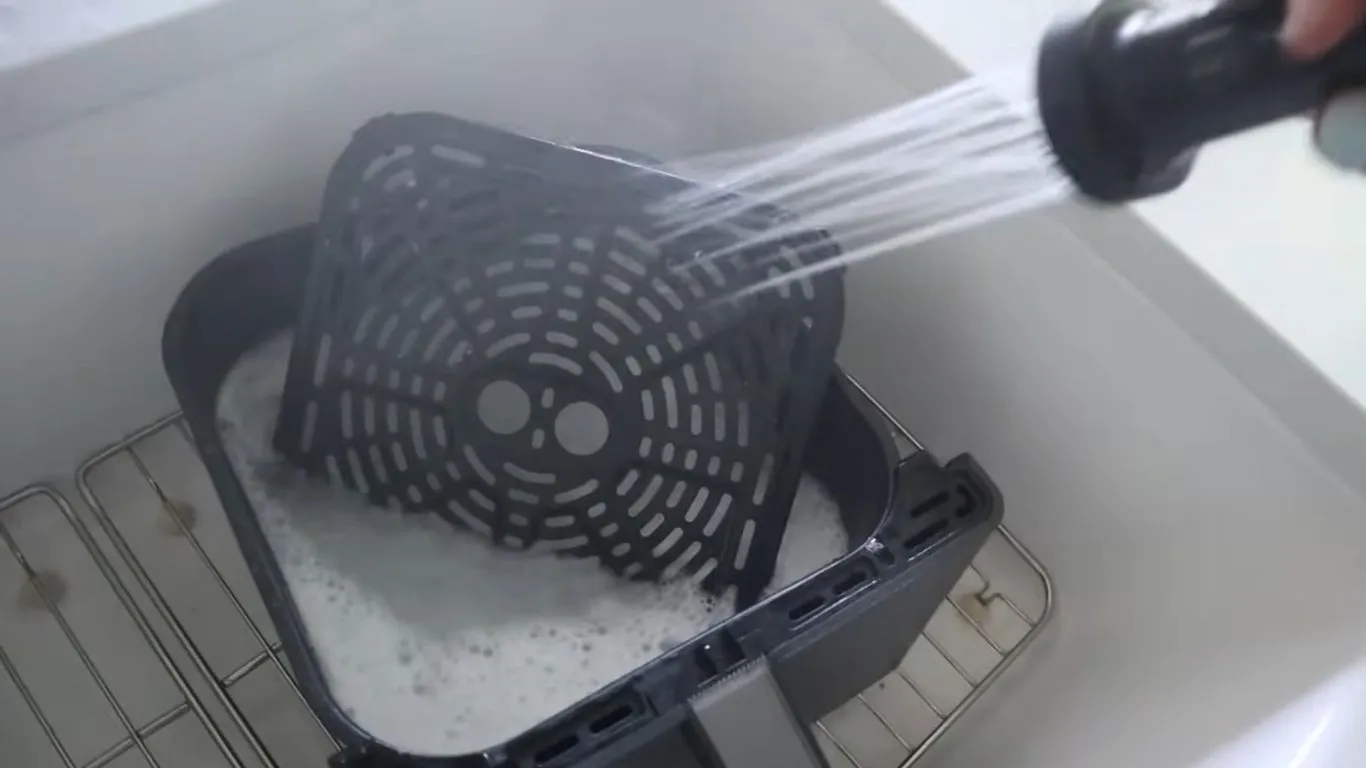
Unplug your air fryer before cleaning. Use warm, soapy water and a soft cloth to wipe the basket and pan. Clean the heating element gently with a damp cloth. Remove any stuck food particles carefully. Avoid soaking the electrical parts in water. Dry all parts thoroughly before reassembling and using the air fryer again.
Avoiding Abrasive Scrubbers
Never use steel wool or harsh scrubbers on your air fryer. These can scratch the non-stick coating and cause damage. Scratches may lead to chemical smells when heated. Use soft sponges or cloths instead. Gentle cleaning protects the coating and prevents odors.
Using Vinegar And Baking Soda
Vinegar and baking soda are natural cleaners that reduce odors. Mix equal parts water and vinegar in a spray bottle. Spray inside the basket and wipe with a cloth. For tough smells, sprinkle baking soda on a damp cloth and gently scrub. Rinse with water and dry completely. These simple ingredients help remove chemical smells safely.
Usage Tips For Safety
Using your air fryer safely can help reduce chemical smells and keep your kitchen fresh. Some simple habits protect the appliance and improve your cooking experience. These tips focus on the right utensils and air flow during use.
Avoiding Metal Utensils
Metal utensils can scratch the air fryer’s non-stick surface. Scratches damage the coating and may release harmful chemicals. Use gentle tools to keep the surface intact. This helps prevent chemical smells and prolongs the air fryer’s life.
Using Silicone Or Wooden Tools
Silicone and wooden tools are safe choices for air fryers. They do not scratch or harm the cooking surface. These materials are heat-resistant and gentle on the appliance. Choosing them reduces the risk of chemical odors and keeps food safe.
Ventilating While Cooking
Proper ventilation helps clear out any fumes or smells. Open windows or use a kitchen fan during cooking. This fresh air flow removes odors quickly. Good ventilation keeps your kitchen smelling clean and helps avoid chemical buildup.
Credit: www.reddit.com
Frequently Asked Questions
How Do I Get Rid Of The Chemical Smell In My Air Fryer?
Clean your air fryer with warm, soapy water and a soft cloth. Run it empty at 400°F for 10 minutes to burn off odors. Use vinegar or lemon juice wipes to neutralize smells. Ensure proper ventilation during use to reduce chemical odors.
How Do I Know If My Air Fryer Is Toxic?
Check for scratched non-stick coatings, persistent plastic smells, and missing safety certifications. Choose BPA-free, PFOA-free, ceramic, or stainless steel interiors. Avoid metal utensils and clean carefully. These signs help identify if your air fryer may release toxic chemicals during use.
Do Air Fryers Give Off Fumes?
Air fryers may release fumes if their non-stick coating is damaged or overheated. Use BPA-free, PFOA-free models to avoid chemical smells. Ensure proper ventilation and avoid scratching the surface to minimize fumes.
Why Are People Getting Rid Of Their Air Fryers?
People discard air fryers due to chemical smells, toxic coating concerns, damaged non-stick surfaces, or safety fears. Some find them hard to clean or bulky.
Why Does My Air Fryer Smell Like Chemicals When New?
New air fryers may emit a chemical odor from manufacturing oils or coatings burning off. This usually fades after a few uses.
Conclusion
A chemical smell from your air fryer often means new parts or coating heating up. Sometimes, plastic or non-stick materials release odors during first use. Always clean your air fryer well before cooking. Avoid scratching the surface to prevent harmful fumes.
Choose models with safe coatings like ceramic or stainless steel. Use the appliance in a ventilated space for fresh air. If the smell stays strong, stop using it and check for damage. Caring for your air fryer keeps your food tasty and your kitchen safe.