A pressure cooker is one of the most useful tools in a modern kitchen. It cooks food quickly, saves energy, and locks in flavors. But what if you see steam or liquid leaking from your pressure cooker? This can be both frustrating and dangerous.
Understanding the reasons behind leaks is the first step to keeping your pressure cooker safe and efficient.
Many people believe pressure cooker leaks are normal. In truth, a well-maintained pressure cooker should not leak. Even a small leak can affect cooking times, waste energy, and sometimes lead to accidents. In this guide, you’ll learn why pressure cookers leak, how to fix common problems, and how to prevent leaks in the future.
You’ll also find practical tips, real-life examples, and comparison tables that help you make sense of your pressure cooker’s behavior.
How Pressure Cookers Work
To understand leaks, it helps to know how a pressure cooker operates. A pressure cooker uses steam pressure to raise the boiling point of water, allowing food to cook faster than in a regular pot. The main parts are:
- Lid with a strong seal (usually a gasket or rubber ring)
- Pressure valve to release extra steam
- Locking mechanism for safety
- Pressure indicator (on most modern models)
When you heat the cooker, water turns into steam. The steam builds pressure inside the sealed pot. This pressure cooks food quickly. The cooker should keep the steam inside until it’s time to release it.
If anything goes wrong with the seal, valve, or lid, steam may escape. This is what people call a “leak. ”
Common Causes Of Pressure Cooker Leaks
Many leaks are caused by simple issues. Here are the most frequent reasons:
1. Damaged Or Misplaced Gasket
The gasket (rubber or silicone ring inside the lid) is the most common source of leaks. Over time, gaskets dry out, crack, or lose their shape. Even a small tear can cause a leak.
Signs of a bad gasket:
- Steam escaping around the lid
- Difficulty closing the lid
- Visible cracks or stiffness
A misplaced gasket, or one that is not seated properly, can also cause leaks.
2. Lid Not Closed Properly
Modern pressure cookers have a locking mechanism. If the lid is not aligned or locked correctly, steam escapes. Sometimes, food debris can block the lid, stopping it from sealing.
3. Overfilling The Pressure Cooker
Every pressure cooker has a maximum fill line. Overfilling, especially with foods that foam (like beans or pasta), can block the pressure valve or force steam and liquid out of the sides.
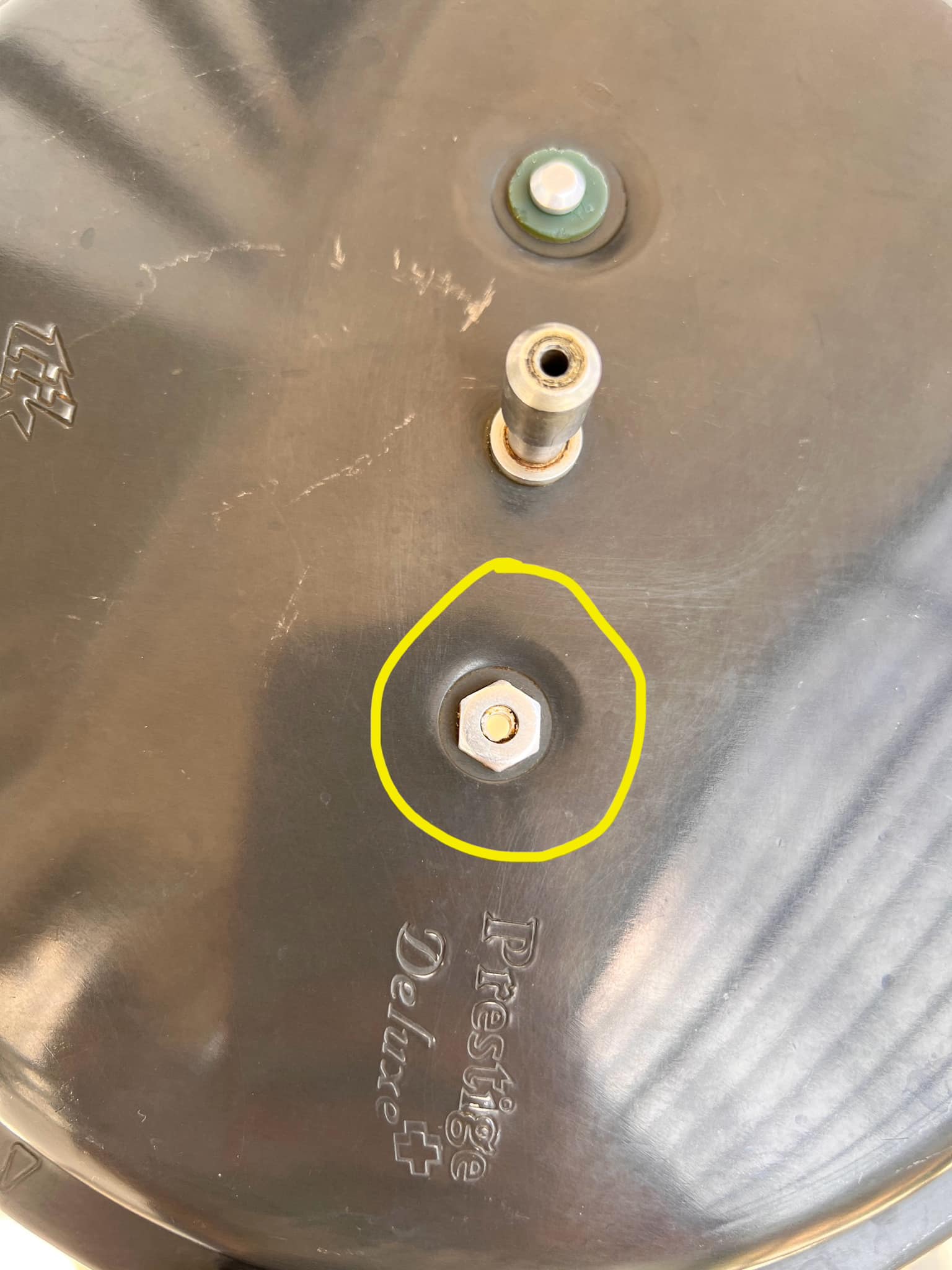
4. Faulty Pressure Valve
The pressure valve releases extra steam to keep the cooker safe. If it’s blocked by food, dirty, or broken, it may leak. Older cookers with “jiggler” valves are more likely to have this problem.
5. Warped Or Damaged Lid/pot
If the lid or pot is bent or warped (from being dropped or heated unevenly), the seal between the lid and pot is lost. This usually causes consistent leaking.
6. Worn Out Or Missing Parts
Small parts like the float valve, sealing ring, or safety plug can wear out or fall off. Missing or damaged parts almost always cause leaks.
7. Incorrect Pressure Setting
Many modern cookers have multiple pressure settings. If you set the pressure too high for the food or the cooker’s capacity, the safety valve may release steam to prevent an explosion. This can look like a leak.
How To Identify Where The Leak Is Coming From
Finding the source of a leak is not always simple. Here’s how to check:
- Look for steam: Watch where steam is escaping—around the lid, through the valve, or from a safety plug.
- Listen for hissing: A steady hiss from the lid edge often means a gasket issue. Hissing from the valve is normal during pressure release but not during cooking.
- Check for liquid: Pooled water around the base or on the lid usually means overfilling or a blocked valve.
- Inspect after cooling: Once the cooker cools, check the gasket, lid, and valve for obvious damage or misalignment.
Quick Comparison: Normal Vs. Problematic Steam Release
This table helps you compare what’s normal and what’s not:
| Condition | Normal | Problematic |
|---|---|---|
| Steam from valve | Short bursts during pressure build-up or release | Constant steam during cooking |
| Steam from lid edge | None | Visible steam or water escaping |
| Hissing sound | Occasional, soft | Loud, constant, or whistling |
Credit: magazine.joovy.com
How To Fix A Leaking Pressure Cooker
Fixing a leak depends on the cause. Here are steps for each problem:
Replace Or Reseat The Gasket
- Remove the gasket and check for cracks, dryness, or food buildup.
- Wash the gasket in warm, soapy water.
- If it’s damaged, replace it with a new one from the manufacturer.
- Make sure the gasket sits flat and even in its groove.
Clean And Inspect The Lid
- Make sure the lid is free of food particles, especially in the sealing area.
- Check the locking mechanism for damage or misalignment.
- Align and lock the lid carefully before starting.
Avoid Overfilling
- Never fill past the max fill line (usually 2/3 full, or 1/2 for foods that foam).
- For beans, rice, or pasta, fill even less to avoid foaming.
- Use enough water to generate steam, but not too much.
Check And Clean The Pressure Valve
- Remove the valve (if possible) and clean it thoroughly.
- Use a thin brush or toothpick to clear blockages.
- If the valve is damaged, order a replacement.
Inspect For Warping Or Damage
- Place the lid upside down on a flat surface. If it rocks or doesn’t sit flat, it may be warped.
- Check the pot’s rim for dents.
- Replace any bent or warped parts. Do not try to bend them back—this can make the problem worse.
Replace Small Parts
- Look for missing or worn float valves, sealing rings, or plugs.
- Order genuine parts from the cooker’s brand.
- Never use non-standard or homemade parts for repairs.
Preventing Future Leaks
Regular care and smart use can prevent most leaks. Here are some proven tips:
- Replace the gasket every 12-18 months or if it looks dry, cracked, or stretched.
- Clean the lid, gasket, and valve after every use. Small food particles cause big problems.
- Check the pressure valve before each use. Make sure it moves freely.
- Store the lid upside down on the cooker, or separately. This prevents the gasket from sticking or warping.
- Use only recommended amounts of food and liquid. Don’t overfill.
- Read the manual. Every cooker is different. Some have special safety features or cleaning steps.
Pressure Cooker Types And Leak Risk
Not all pressure cookers are created equal. Here’s a quick comparison of leak risks for three common types:
| Type | Leak Risk | Common Leak Points |
|---|---|---|
| Stovetop (old models) | High | Gasket, valve, lid alignment |
| Stovetop (modern) | Medium | Gasket, valve |
| Electric (e.g., Instant Pot) | Low | Gasket, float valve, lid sensor |
Insight: Electric pressure cookers have more safety features and better lid sensors, so they leak less often. However, their rubber seals still need regular checking.
Real-life Examples
Case 1: Maria noticed steam escaping from her cooker’s side. She found a tiny piece of rice stuck to the gasket. After cleaning, the leak stopped.
Case 2: John’s old pressure cooker leaked every time he cooked beans. He was overfilling and not using enough water. Once he followed the correct fill instructions, the leaks ended.
Case 3: An electric pressure cooker started leaking after a year. The gasket was stretched and brittle. Replacing the gasket fixed the issue.
These examples show that most leaks are easy to fix with simple checks.
Pressure Cooker Maintenance Checklist
Here’s a handy checklist to keep your pressure cooker leak-free:
- Inspect gasket for cracks or dryness
- Clean lid and gasket after every use
- Check pressure valve for blockages
- Avoid overfilling the pot
- Store lid properly
- Replace old or worn parts regularly
- Follow the manufacturer’s instructions
When To Replace Your Pressure Cooker
Sometimes, the best solution is a new cooker. If your pressure cooker is more than 10 years old, or if it’s had repeated problems, replacement may be safer. Look for:
- Multiple, hard-to-fix leaks
- Warped or damaged pot/lid
- Parts no longer available
- Safety issues (e.g., lid won’t lock properly)
A new pressure cooker is often more energy-efficient and safer. Modern models have extra safety features that help prevent leaks.

Credit: www.youtube.com
Safety First: Why You Should Never Ignore A Leak
A leaking pressure cooker is not just annoying—it can be dangerous. Steam is very hot and can cause burns. If pressure builds up in the wrong place, the cooker could even explode. Always fix leaks right away. Never try to force the lid open if you see steam or hear hissing.
Non-obvious tip: If you use your cooker often, keep a spare gasket on hand. They are cheap and easy to replace, but hard to find in an emergency.
Cost Of Repair Vs. Replacement
Sometimes, fixing a leak is just not worth it. Here’s a rough guide to help you decide:
| Problem | Repair Cost | When to Replace |
|---|---|---|
| Gasket/Valve | $5–$20 | Never (easy fix) |
| Lid or Pot Warped | $30–$60 | Yes, if over 5 years old |
| Multiple Leaks | $40–$80 | Yes, if parts hard to find |
Tip for beginners: Always use genuine parts. Using generic or incorrect parts can make leaks worse or void your warranty.

Credit: www.youtube.com
Frequently Asked Questions
Why Is Steam Coming Out From The Sides Of My Pressure Cooker?
Steam from the sides usually means the gasket is damaged or misplaced. Check for cracks or food debris on the gasket. Make sure the lid is properly locked. If the problem continues, replace the gasket.
Is It Safe To Use A Leaking Pressure Cooker?
No. Leaking pressure cookers are not safe. Steam leaks can cause burns or, in rare cases, explosions. Fix all leaks before using the cooker again.
How Often Should I Change The Gasket?
Most manufacturers recommend changing the gasket every 12–18 months. If you see cracks, dryness, or stretching, change it sooner. Heavy users may need to replace it even more often.
What Foods Cause More Leaks?
Foods that foam or expand—like beans, rice, pasta, and some grains—are more likely to cause leaks if overfilled. Always use less than the maximum fill for these foods.
Where Can I Find Replacement Parts?
Most brands sell parts online or through kitchenware stores. For safety, buy from the official brand or a trusted retailer. For example, you can visit Instant Pot for genuine parts.
A pressure cooker is a great kitchen helper, but only when it’s working correctly. Leaks are almost always fixable, and regular care keeps your cooker safe and efficient. Check your cooker before every use, follow the manual, and never ignore warning signs.
With these tips, you’ll keep your meals fast, flavorful, and safe.