Why Does Pressure Cooker Overflow
A pressure cooker is a kitchen hero. It saves time, keeps flavors in, and cooks food faster than most other methods. But sometimes, you notice something worrying—a sudden overflow. Food or liquid comes out of the steam vent, or even spills around the lid.
This is messy and can be scary. You might wonder, “Why does my pressure cooker overflow? ” Understanding the reasons can help you prevent it, cook safely, and keep your meals tasting great.
How A Pressure Cooker Works
A pressure cooker uses steam pressure to cook food quickly. When you heat water inside, steam builds up. The sealed lid traps this steam, and the pressure rises. High pressure means higher temperature, so your food cooks faster. A valve on the lid controls the steam release. If everything works right, there’s no overflow. But if something goes wrong, pressure or contents may escape.
Common Reasons For Pressure Cooker Overflow
Overflow is not just annoying—it can be dangerous. Here are the main reasons why it happens:
1. Overfilling The Cooker
Every pressure cooker has a maximum fill line. If you fill above this line, the cooker does not have enough space for steam. When pressure builds, food and liquid can block the vent. This forces hot liquid to spill out.
For most models:
- Max fill for food: 2/3 full
- Max fill for liquids or foamy foods: 1/2 full
Some foods, like rice or beans, expand when cooked. If you start with too much, they can block vents and cause overflow.
2. Cooking Foamy Foods
Some foods create a lot of foam when they cook. Examples include pasta, split peas, lentils, rice, and beans. The foam can rise, block the pressure release valve, and push liquid out. Always check your manual for a list of foods that need special care.
3. Using Too Much Water
Too much water creates extra steam. If the cooker is overfilled, or if you use more water than needed, it can lead to overflow. Most pressure cookers need only 1 to 2 cups of water for most recipes.
4. Blocked Vent Pipe Or Safety Valve
The vent pipe (or steam release valve) lets excess steam escape. If it’s blocked by food bits, foam, or minerals, pressure cannot escape safely. Pressure then forces liquid out from other weak points, leading to overflow.
5. High-starch Or Thick Sauces
Starchy foods and thick sauces (like tomato sauce or pureed soups) can bubble and splatter. These tiny splashes can clog valves or build up pressure quickly. Pressure cookers are not ideal for thickening sauces—always thin them before cooking.
6. Sudden Pressure Release
A quick release of pressure (by turning the valve to “venting”) can make liquid inside boil rapidly. If the cooker is full, this can push hot liquid or foam out through the valve—a phenomenon called liquid spitting.
7. Damaged Or Worn Seals
Pressure cookers have a rubber gasket or sealing ring around the lid. If this seal is old, cracked, or dirty, it can let pressure and liquid escape. This may look like overflow but is actually a loss of seal.
8. Incorrect Cooking Settings
Using a higher heat than needed can cause boiling over. Always use the heat settings recommended in your cooker’s manual. For electric models, make sure you choose the right program.
Signs Your Pressure Cooker Is About To Overflow
Recognizing warning signs can prevent a mess or accident:
- Excessive steam or sputtering around the lid
- Bubbling liquid coming from the pressure valve
- Unusual sounds (whistling, gurgling, or hissing)
- Persistent leaking from the sides
If you see these, turn off the heat and let the pressure drop naturally before opening.
What To Do If Overflow Happens
It’s important to act safely if your pressure cooker overflows. Here’s what you should do:
- Turn off the heat immediately.
- Let the cooker cool and depressurize naturally.
- Once safe, remove the lid carefully.
- Clean the gasket, lid, and vent thoroughly.
- Check for food stuck in the vent or on the sealing ring.
Never try to open a cooker while it’s still under pressure.
How To Prevent Pressure Cooker Overflow
There are simple ways to stop this problem before it starts:
1. Follow Fill Guidelines
Always check the max fill line. For foamy or expanding foods, fill only halfway. This leaves space for steam and foam.
2. Use The Right Amount Of Liquid
Most recipes need 1 to 2 cups of water. Only add more if the recipe says so. Too much liquid makes overflow more likely.
3. Avoid Quick Release For Foamy Foods
For beans, grains, and legumes, always use natural release. This means letting the cooker cool down and release pressure by itself. It stops foam and liquid from spraying out.
4. Clean The Vent And Gasket Regularly
After each use, remove the gasket and clean it. Check the vent for food or mineral buildup. A toothpick or small brush can help clear tiny holes.
5. Use Oil Wisely
For starchy foods, add a bit of oil (1 teaspoon) to reduce foaming. This old trick can make a big difference.
6. Watch Cooking Times And Pressure Levels
Don’t overcook food. Set the right time and pressure. If you’re unsure, start with less time—you can always cook more, but you can’t undo an overflow.
7. Do Not Thicken Sauces Before Cooking
If you want a thick sauce, cook it thin first. Thicken it after pressure cooking by simmering with the lid off.
Foods That Often Cause Overflow
Some foods are notorious for causing overflow. Here are a few examples and how to handle them:
| Food Type | Overflow Risk | Prevention Tip |
|---|---|---|
| Rice | High (foams, expands) | Rinse rice well; fill half max |
| Beans/Lentils | High (foaming, swelling) | Soak beans; add oil; use natural release |
| Pasta | Medium (foamy, sticky) | Do not overfill; use enough water |
| Oatmeal | High (sticky, foams) | Cook in a bowl on rack; fill half max |
| Tomato Sauce | Medium (thick, splatters) | Thin with water; avoid thick sauces |
Pressure Cooker Types And Overflow Risk
Not all pressure cookers are the same. Here’s a look at common types and their overflow risks:
| Type | Overflow Risk | Notes |
|---|---|---|
| Stovetop (manual) | Medium | Manual control, need to watch closely |
| Electric (e.g., Instant Pot) | Lower | Has safety features, but foam still an issue |
| Older Models | High | May lack safety valves, riskier for overflow |
Modern electric cookers have more safety controls, but following best practices is still key.
Real-world Examples
Here are a few cases to show how overflow can happen:
- Making soup with too much water: A home cook filled their pressure cooker 90% full to make chicken soup. When the cooker reached pressure, broth sprayed out the vent, making a mess on the stove.
- Cooking beans without oil: Someone cooked unsoaked beans in a pressure cooker, filled to the max. Foam blocked the valve, causing overflow and a sticky mess.
- Using quick release with oatmeal: When the vent was opened quickly, hot oatmeal sprayed out, causing a burn risk.
These examples show that overflow is often the result of simple mistakes.
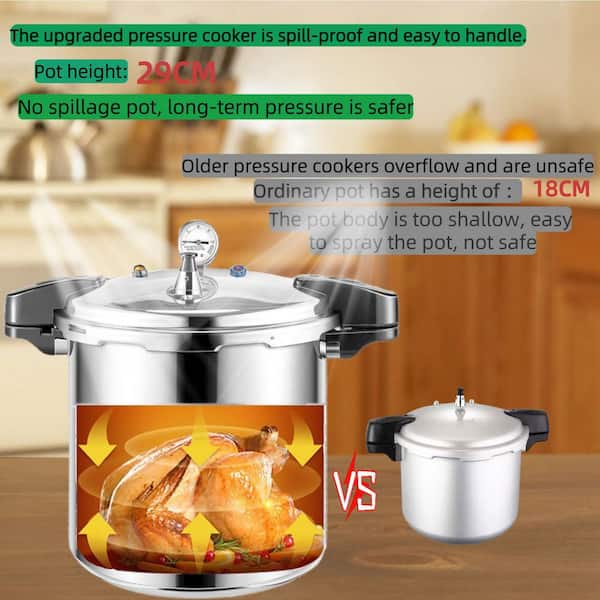
Credit: www.homedepot.com
Non-obvious Insights Most Beginners Miss
- Mineral Buildup Matters: Over time, minerals from tap water can collect in the vent pipe or around the valve. Even a tiny blockage can force an overflow. Clean with vinegar once a month if you have hard water.
- Altitude Changes Boiling Point: At high altitudes, water boils at a lower temperature. Pressure cookers work differently, and you may need to adjust water and cooking times to avoid overflow.
- Lid Orientation: Some pressure cooker lids are designed to fit only one way. If the lid isn’t properly aligned, the seal won’t work, and overflow can happen even if you fill to the right level.
- Gasket Placement: Placing the gasket upside down or not pressing it into its groove can cause leaks and overflow. Always double-check after cleaning.
- Release Methods: Some foods (like split peas) should never be quick-released, even if the manual says it’s okay for most foods. Foam can clog the vent instantly.
Comparing Overflow And Other Issues
Overflow is not the only problem with pressure cookers. Here’s how it compares to other common issues:
| Problem | Cause | Prevention |
|---|---|---|
| Overflow | Overfilling, foam, blocked vent | Follow fill lines, clean vents |
| Food Not Cooked | Not enough pressure, low liquid | Check water and gasket |
| Steam Leak | Damaged gasket, lid not closed | Replace gasket, align lid |
| Burnt Food | Not enough liquid, stuck food | Deglaze pot, add water |

Credit: www.amazon.sa
Safety Tips For Pressure Cooking
- Read the manual every time you try a new recipe.
- Replace the gasket every 12–18 months, or at the first sign of wear.
- Never open the lid until all pressure is released.
- Keep children away from the cooker when in use.
- Clean all parts after every use, not just the pot.
When To Replace Your Pressure Cooker
If your cooker overflows regularly, even after following all tips, it may be time for a new one. Signs include:
- Cracked or warped lid
- Damaged pressure valve
- Gasket won’t seal, even when new
Old cookers may lack safety features. Modern models have better seals, improved venting, and automatic pressure controls. For more information on pressure cooker safety, visit the U.S. Consumer Product Safety Commission.
Frequently Asked Questions
Why Does My Pressure Cooker Spit Out Water?
This usually happens if you overfill the cooker, cook foamy foods, or use quick release on high-starch dishes. Always fill below the max line, and use natural release for foamy foods.
Can I Use Oil In A Pressure Cooker To Stop Overflow?
Yes, adding a small amount of oil (about 1 teaspoon) can reduce foaming in starchy recipes. Make sure not to use too much, as excessive fat can affect flavor.
Is It Safe To Open A Pressure Cooker If It’s Overflowing?
No. Never open a pressure cooker under pressure. Turn off the heat, let it cool, and allow the pressure to drop naturally before opening.
What Foods Should I Avoid Cooking In A Pressure Cooker?
Avoid foods that foam a lot or thicken during cooking, like split peas, oatmeal, or large amounts of pasta. If you do cook them, use less filling and natural release.
How Do I Clean A Blocked Pressure Cooker Vent?
Let the cooker cool, remove the lid, and use a toothpick or small brush to clean the vent. For mineral buildup, soak the parts in vinegar and rinse well.
Pressure cookers are safe and useful when used correctly. By understanding why overflow happens and how to prevent it, you can enjoy fast, tasty meals with less mess and worry.