Skip to content
Why Is My Air Purifier Making Noise?
Many people buy air purifiers to create a quiet, healthy home. But sometimes, your air purifier starts making strange noises. This can be confusing and annoying. You might wonder if the noise means something is wrong, or if it’s just normal.
Let’s explore why air purifiers make noise, what types of sounds are common, and how you can fix or reduce these issues. Understanding the reasons behind the noise will help you keep your air purifier working smoothly and quietly.
Common Types Of Air Purifier Noise
Air purifiers can produce several types of sounds. Knowing the differences can help you identify the problem faster.
- Whirring – Usually from the fan or motor.
- Buzzing – Often electrical or vibration-related.
- Rattling – Loose parts or foreign objects inside.
- Beeping – Alerts or error codes.
- Humming – Normal operation, but can get louder.
Some sounds are normal, especially when the purifier is on high settings. But sudden changes or loud noises usually signal a problem.
Why Is My Air Purifier Making Noise?
Several factors can cause your air purifier to make noise. Here are the most common reasons:
Dirty Or Clogged Filters
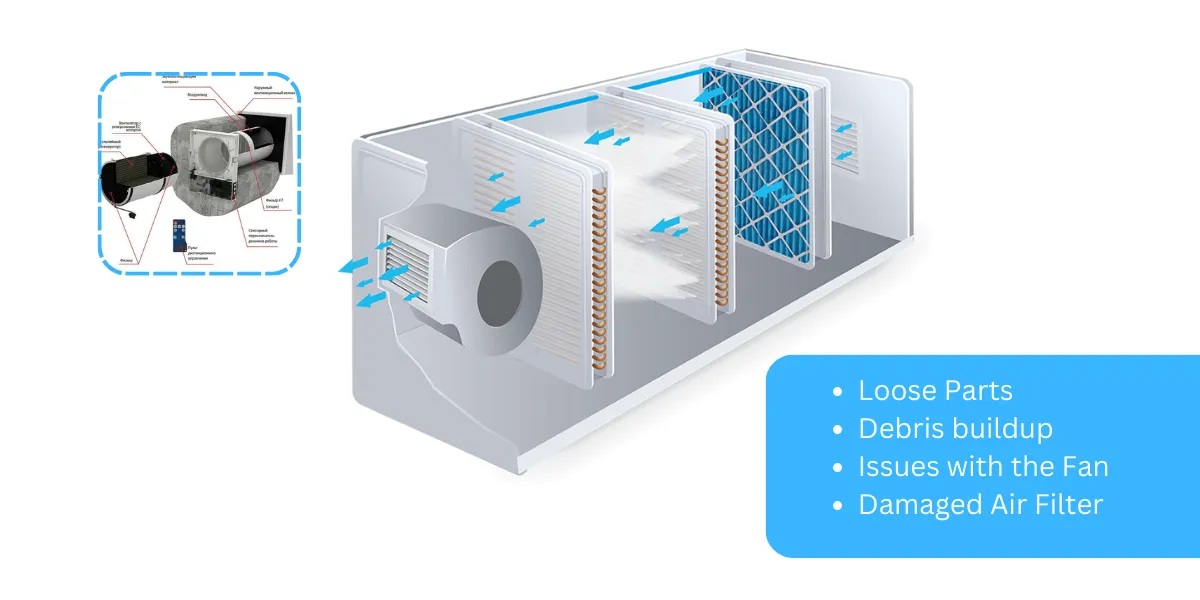
When filters are full of dust, pet hair, or pollen, air cannot flow easily. This forces the motor and fan to work harder, making them louder. Most manufacturers recommend changing filters every 3 to 6 months, but this depends on your home’s air quality.
Fan Issues
The fan is the heart of the air purifier. If the blades are bent, misaligned, or covered in debris, you’ll hear whirring or rattling. Sometimes, lubricating the fan or cleaning it can fix the problem.
Loose Internal Parts
Over time, screws, panels, or other components can become loose. This leads to rattling or vibrating sounds. Opening the unit and tightening parts often stops the noise.
Placement Problems
Where you put your air purifier matters. Placing it on an uneven surface, close to walls, or near other objects can cause vibrations or echoing noises.
Mechanical Failure
Sometimes, parts wear out. Motors may fail or bearings may get damaged. Mechanical failure usually causes loud, unusual sounds and often needs professional repair.
High Fan Speeds
Running your purifier on high settings always makes it noisier. Lower settings reduce the sound, but also lower the cleaning power.
Electrical Issues
Buzzing or clicking can come from electrical problems. This is more serious, and you should unplug the device and consult a technician.
How Loud Should An Air Purifier Be?
Not all air purifiers are silent. Manufacturers measure noise in decibels (dB). Here’s a quick comparison of typical home air purifiers:
| Model | Low Setting (dB) | High Setting (dB) |
|---|---|---|
| Honeywell HPA300 | 40 | 60 |
| Levoit Core 300 | 24 | 50 |
| Dyson Pure Cool | 35 | 62 |
A quiet library is about 30 dB. Normal conversation is 60 dB. If your air purifier is louder than 65 dB, it may be too noisy for home use.
How To Fix Noisy Air Purifiers
You can often solve noise issues yourself. Here are practical steps:
1. Check And Replace Filters
Dirty filters are the most common cause of noise. Remove the filter and inspect it. If it’s gray, clogged, or smells bad, replace it. Use only official filters for your model.
2. Clean The Fan And Internal Components
Turn off and unplug the purifier. Open the housing and gently clean the fan blades and inner parts with a soft brush or cloth. Avoid water unless the manual says it’s safe.
3. Tighten Loose Screws And Panels
Look for any loose screws, panels, or clips inside. Tighten them with the right tool. This reduces rattling.
4. Move The Air Purifier
Place the device on a flat, stable surface. Keep it at least 12 inches from walls or furniture. This helps airflow and reduces vibration.
5. Adjust Fan Speed
Try running the purifier at a lower speed. Many modern units have sleep modes or quiet settings.
6. Lubricate Moving Parts
If your purifier’s manual allows, apply a small amount of oil to the fan motor or bearings. This can help with whirring sounds.
7. Reset Or Update
Some digital air purifiers may beep or buzz due to software glitches. Try resetting the device or updating firmware if available.
8. Seek Professional Repair
If you hear loud grinding, buzzing, or electrical noises, turn off the device and call a technician. Do not use it until fixed.
Credit: twkf.gov.tr
Are Some Air Purifiers Noisier Than Others?
Yes, noise depends on the type and quality of the purifier.
| Type | Average Noise (dB) | Notes |
|---|---|---|
| HEPA Filter | 25–60 | Usually quiet, depends on fan speed |
| Ionizer | 20–50 | Very quiet, but may buzz |
| UV Air Purifier | 30–55 | Low hum, rarely loud |
| Activated Carbon | 25–55 | Similar to HEPA |
| Ozone Generator | 30–70 | Can be loud; not recommended for homes |
HEPA purifiers are popular for homes due to their balance of quiet operation and strong cleaning power.
Non-obvious Insights About Air Purifier Noise
Many people miss a few key details:
- Room Size Matters: Using a small purifier in a large room forces it to run at higher speeds, making it noisier. Always match the purifier to your room size.
- Filter Type Affects Noise: Some filters (like HEPA) block air flow more than others, making the fan work harder. This increases noise, especially if the filter is old.
- Seasonal Changes: In winter, homes are closed up, so dust builds faster. Your purifier may get louder during these months because filters clog more quickly.
- Humidity: Very dry air can cause static electricity, leading to buzzing or crackling sounds inside some air purifiers.
- Pets and Children: Toys, fur, or other objects sometimes get inside the purifier, causing rattling or blockage.
When Should You Replace Your Air Purifier?
Sometimes, fixing isn’t enough. If your air purifier is more than 5–7 years old, repairs may be costly or useless. Older models also use more power and are less efficient. Newer air purifiers use quieter motors, better filter designs, and sometimes smart sensors that adjust speed automatically.
Signs you need a replacement:
- Loud noises after multiple repairs
- Frequent breakdowns
- Filters no longer available
- High energy bills
How To Choose A Quiet Air Purifier
If noise is a concern, keep these tips in mind:
- Look for dB Ratings: Always check the decibel rating before buying. Under 40 dB is considered very quiet.
- Read Reviews: Consumer feedback reveals real-world noise issues.
- Try Before You Buy: Some stores let you test air purifiers.
- Smart Features: Models with automatic speed control can reduce noise at night.
Here’s a quick comparison of quiet air purifier features:
| Feature | Benefit | Noise Impact |
|---|---|---|
| Sleep Mode | Lower fan speed at night | Reduces noise |
| Smart Sensors | Adjust speed based on air quality | Quieter most of the time |
| Advanced Filters | Less blockage, better flow | Fan works easier, less noise |
| Quality Motor | Smooth operation | Minimal vibration |

Credit: www.mspurelife.com
Preventing Air Purifier Noise
Regular care is the best way to prevent noise problems:
- Change filters on schedule
- Clean inside monthly
- Keep the purifier away from walls and corners
- Check for loose parts
- Avoid running on maximum speed unless needed
By following these steps, you’ll enjoy cleaner air and a quieter home.
Frequently Asked Questions
Why Does My Air Purifier Make A Rattling Sound?
A rattling sound usually means something is loose inside, like screws, panels, or even toys and debris. Open the unit and check for loose parts. Tighten screws or remove foreign objects to stop the noise.
Is It Normal For Air Purifiers To Be Noisy?
Most air purifiers make some sound, especially on high settings. Normal noise is a soft hum or whirring. Sudden loud noises, buzzing, or rattling are not normal and need attention.
How Often Should I Change My Air Purifier Filter?
Change filters every 3–6 months for average use. If you have pets, allergies, or live in a dusty area, check monthly. Clean filters keep the purifier quieter and more efficient.
Can A Noisy Air Purifier Affect My Health?
If the noise is very loud or disturbing, it can affect sleep and cause stress. However, air purifier noise does not directly harm your health. It’s important to fix problems for comfort and peace.
What Should I Do If My Air Purifier Buzzes After Cleaning?
A buzzing sound after cleaning might mean something was not put back correctly, or there is an electrical issue. Double-check assembly, make sure filters and panels are secure, and unplug if the buzzing continues. Seek professional help if needed.
—
A noisy air purifier can be frustrating, but most issues are fixable with basic care and attention. By understanding what causes noise, you can quickly identify and solve problems. Regular maintenance, careful placement, and choosing the right model will help you enjoy both clean air and a peaceful home. If problems persist, consider upgrading to a newer, quieter unit. For more technical details on air purifiers and their workings, see Wikipedia.
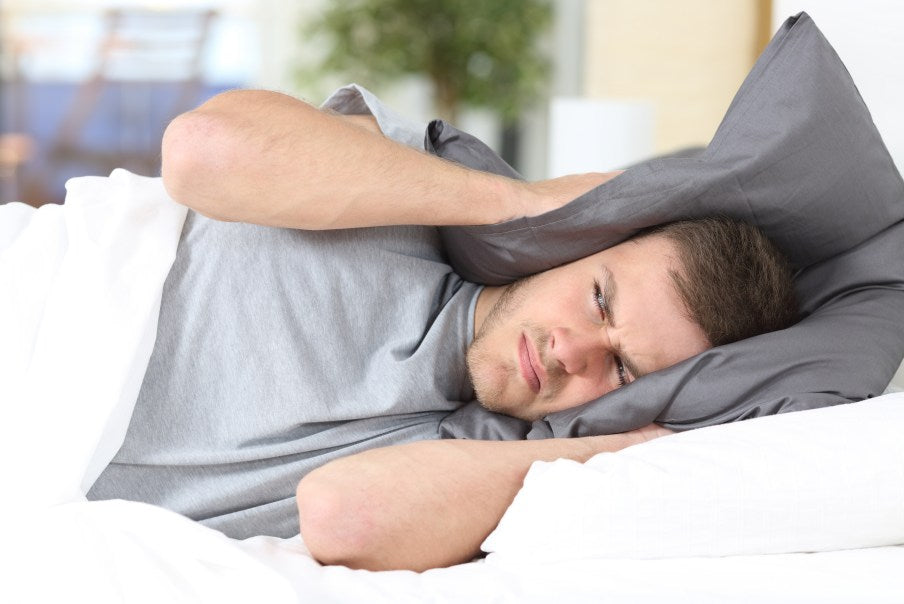
Credit: www.mspurelife.com