Skip to content
A strange gurgling sound from your kitchen sink is more than just an annoyance. It can signal hidden plumbing issues that, if ignored, may lead to bigger headaches and costly repairs. Many people hear this noise and wonder if it’s a sign of a simple clog, a blocked vent, or something more serious. Understanding why your kitchen sink is gurgling is the first step to solving the problem—and protecting your home from water damage and bad odors.
If you’ve ever washed dishes or drained pasta and heard that odd bubbling or glug-glug sound coming from the drain, you’re not alone. This problem is common in both old and new homes. But what causes it? And what can you do about it?
In this article, you’ll discover the main reasons behind a gurgling kitchen sink, how to diagnose the cause, and practical steps to fix it. We’ll also discuss when it’s time to call a plumber and how to prevent this issue in the future.
By the end, you’ll know exactly what that gurgle means—and how to silence it for good.
What Does A Gurgling Sink Mean?
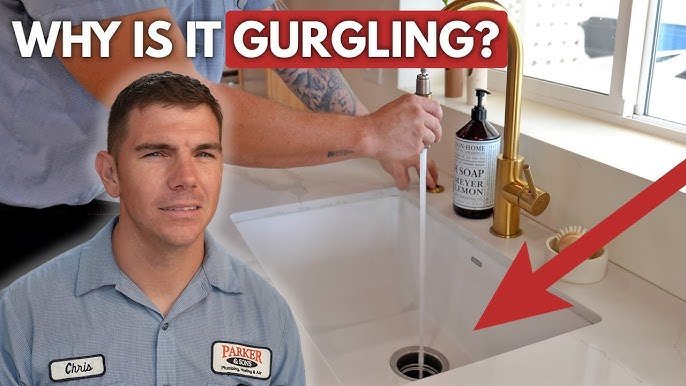
A gurgling sink is a warning sign from your plumbing system. The noise is the sound of air moving through water in your drainpipes. When your sink drains normally, water flows smoothly through the pipes and out to the sewer or septic system. But if something blocks the way, air gets trapped and must find a way to escape. As the air pushes through the water in the pipes, it creates a bubbling or gurgling noise.
This may seem harmless at first, but it often signals a developing problem. In many cases, the cause is a partial blockage or a problem with the venting system. If left unchecked, the issue can get worse, leading to slow drainage, foul smells, leaks, and even pipe damage.
Why Is It Important To Fix A Gurgling Sink Quickly?
Ignoring a gurgling sound from your kitchen sink can have serious consequences. Here’s why you shouldn’t wait:
- Worsening clogs: Small blockages grow over time, eventually causing a complete blockage.
- Bad odors: Trapped debris can cause smells to rise from the drain.
- Water damage: If pipes back up, water can overflow into your kitchen.
- Pipe stress: Air pressure changes can stress joints and seals, leading to leaks.
By paying attention to the early gurgling, you can avoid bigger problems and more expensive repairs.
Main Causes Of A Gurgling Kitchen Sink
There are several reasons why your kitchen sink might gurgle. Here are the most common ones, along with clear explanations and examples.
1. Partial Drain Clog
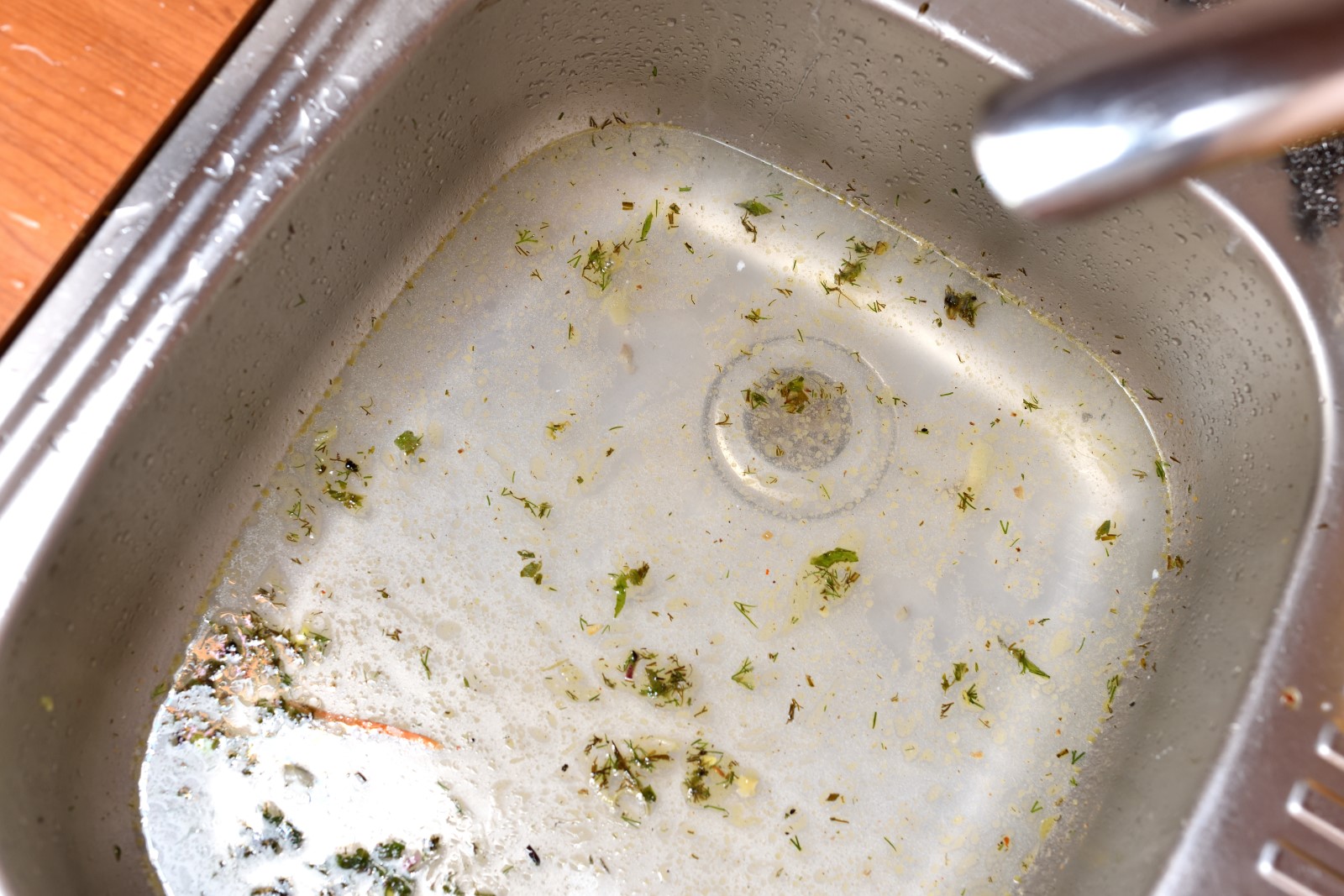
A partial clog is the most frequent cause of gurgling sounds. Food scraps, grease, soap, and debris can collect in the drainpipe, restricting the flow of water. When you run water, it moves past the blockage, but air can get trapped behind it. As the air tries to escape through the water, it makes a gurgling sound.
Example: If you pour cooking oil or coffee grounds down the drain, these can build up over time and form a sticky clog. You might notice the gurgling starts when the sink drains slowly.
2. Blocked Or Improperly Installed Vent Pipe
Every drain system in your home has a vent pipe. This pipe lets air into the drain system, helping water flow freely and preventing sewer gases from entering your home. If the vent is blocked by leaves, a bird’s nest, or even snow, the airflow is reduced. Without enough air, the drain creates a vacuum, pulling air in through the sink and causing gurgling.
Example: In winter, a vent pipe on the roof can be blocked by ice. In summer, debris or a small animal might clog the vent. This is a common cause of gurgling in many homes.
3. Main Sewer Line Problems
A main sewer line blockage is a more serious issue. If your main sewer line (the large pipe that carries waste out of your house) is blocked, all connected drains can be affected. Gurgling may occur in the kitchen sink, bathroom sinks, toilets, and showers.
Example: If you notice gurgling sounds in several fixtures, or if water backs up in one when you use another (like the sink gurgling when you flush the toilet), the problem is likely in the main sewer line.
4. P-trap Issues
The P-trap is the U-shaped bend in the pipe under your sink. It holds water, which blocks sewer gases from coming up into your kitchen. If the P-trap is dry or improperly installed, air can move through the trap, causing gurgling sounds.
Example: If you haven’t used the sink for a long time, the water in the P-trap may evaporate, leading to gurgling and bad smells. Sometimes, a poorly installed P-trap doesn’t hold water properly, allowing air to flow in the wrong direction.
5. Garbage Disposal Problems
If your kitchen sink has a garbage disposal, it can be a source of gurgling if not maintained well. Food particles and grease can get stuck inside the disposal or nearby pipes, causing partial blockages.
Example: Grinding up fibrous foods like celery or potato peels can clog the disposal. You may hear gurgling when running water or using the disposal.
6. Double Sink Plumbing Issues
Many kitchens have a double sink. If the connecting pipe between the two basins is blocked or installed incorrectly, air and water can’t move freely. This often leads to gurgling noises, especially when one side drains slower than the other.
Example: Washing dishes on one side may cause the other side to gurgle, due to poor venting or a clog in the cross pipe.
7. Septic Tank Problems
Homes with a septic tank can experience gurgling sinks if the tank is full, damaged, or the drain field is failing. This can slow the flow of wastewater, causing air to back up into the sink drain.
Example: If your house is on a septic system and you hear gurgling in the kitchen sink, especially after heavy rain, your septic tank may need attention.
8. Pipe Slope And Installation Errors
If your drain pipes are not sloped correctly, water can pool inside the pipes, slowing drainage and trapping air. Poor installation can also create dips or sags, leading to gurgling noises.
Example: A new kitchen remodel with improper pipe angles may develop gurgling issues soon after installation.
9. Air Admittance Valve Failure
Some homes use an air admittance valve (AAV) instead of a traditional vent pipe. This one-way valve lets air in but not out. If the AAV fails, it can’t let air in, and your sink may gurgle.
Example: Older AAVs can get stuck or clogged with dirt, blocking airflow and causing gurgling sounds.
10. Foreign Objects In The Drain
Children may drop small objects down the drain, or kitchen tools may slip in. These can cause partial blockages, trapping air and water.
Example: A small spoon or bottle cap in the drain can lead to unexpected gurgling, even if the sink still seems to drain normally.
How To Diagnose The Cause Of Gurgling
Pinpointing the exact reason for a gurgling kitchen sink takes a bit of detective work. Here’s a step-by-step approach:
- Listen and Observe: Note when the gurgling happens. Is it only when draining the sink, or also when using other appliances like the dishwasher?
- Check Drain Speed: If water drains slowly, a clog is likely.
- Test Other Fixtures: Flush toilets and run bathroom sinks. If they also gurgle, the problem is bigger than just the kitchen.
- Inspect the P-trap: Look under the sink for leaks, improper installation, or a dry trap.
- Look for Smells: Bad odors suggest a dry P-trap or a sewer gas leak.
- Check the Roof Vent: If you can safely access the roof, look for blockages in the vent pipe.
- Consider Recent Changes: If you remodeled recently or added appliances, poor pipe installation could be the issue.
When To Call A Professional
If you can’t find the cause, or if multiple drains are gurgling, call a licensed plumber. Also, seek professional help if:
- Water backs up into the sink or onto the floor.
- You smell strong sewer gas.
- You have a septic system and suspect a tank or drain field problem.
Solutions: How To Fix A Gurgling Kitchen Sink
Depending on the cause, you can try several solutions to stop the gurgling. Always use caution, and don’t use harsh chemicals unless you know your pipes can handle them.
1. Remove A Partial Clog
- Pour boiling water down the drain to dissolve grease.
- Use a plunger to dislodge soft clogs. Be sure to block the other side if you have a double sink.
- Use a drain snake or auger for tougher clogs.
- Avoid chemical drain cleaners unless recommended by a plumber.
2. Clean The Vent Pipe
If you suspect a blocked vent pipe, you may be able to clear it yourself if you’re comfortable with heights.
- Climb onto the roof safely.
- Remove debris from the vent pipe opening.
- Use a plumber’s snake or garden hose to clear blockages.
- If the vent is iced over, pour warm (not boiling) water down the vent.
3. Check And Fix The P-trap
- Place a bucket under the P-trap.
- Unscrew the trap and check for blockages or improper installation.
- Clean out debris and reassemble, making sure it’s sealed and holds water.
4. Service The Garbage Disposal
- Turn off the power to the disposal.
- Remove trapped food with tongs or pliers (never use your hands).
- Run cold water and a few ice cubes through the disposal to clean blades.
- If the disposal is jammed, use the reset button or a hex wrench to turn the motor manually.
5. Address Double Sink Problems
- Check the connecting pipe for blockages.
- Make sure both sides are vented properly.
- Remove any debris or call a plumber if venting is the problem.
6. Maintain Your Septic System
- Have your septic tank pumped every 3–5 years, or as needed.
- Avoid flushing grease, chemicals, or non-biodegradable items down the drain.
- If the drain field is failing, consult a septic professional.
7. Adjust Pipe Slopes
Incorrect pipe slope or installation should be fixed by a professional plumber. Pipes must slope downward at the correct angle to allow proper drainage.
8. Replace A Faulty Air Admittance Valve
If your sink uses an AAV, unscrew the old valve and replace it with a new one of the same size and type.

Credit: diy.stackexchange.com
Preventing Gurgling In The Future
A few simple habits and regular maintenance can keep your kitchen sink gurgle-free.
- Don’t pour grease, oil, or fat down the drain.
- Use a drain strainer to catch food scraps and debris.
- Run hot water after using the sink to flush out soap and fats.
- Clean your garbage disposal regularly with ice and citrus peels.
- Have your plumbing vent checked every few years, especially if you have many trees nearby.
- Schedule septic system maintenance on time.
- Fix leaks and drips quickly to prevent pipe corrosion and blockages.
Unexpected Tips Most Homeowners Miss
- Flush your drains with enzyme cleaners monthly. These natural cleaners break down buildup without damaging pipes, unlike chemical cleaners. Most people overlook this easy step.
- Check your plumbing vent after storms. Heavy rain or wind can blow debris into roof vents, causing hidden blockages. Few homeowners think to inspect the vent unless there’s a visible problem.
Real-world Examples
Let’s look at a few typical scenarios:
- Case 1: Sarah noticed her sink started gurgling after a big holiday dinner. She had poured gravy and cooking oil down the drain. A plumber found a greasy clog in the trap.
- Case 2: Mike’s kitchen sink and bathroom sink both gurgled. The plumber discovered a bird’s nest blocking the vent pipe on the roof.
- Case 3: Priya’s kitchen sink gurgled and had a foul smell. She hadn’t used the sink in months. The P-trap was dry, letting sewer gases into the kitchen. Refilling the trap with water solved the issue.
Credit: www.robinsonsplumbingservice.com
Data: Kitchen Sink Plumbing Issues At A Glance
Here’s a summary of common causes and their frequency based on plumbing industry data:
| Cause | Percentage of Cases (%) | Typical Solution |
|---|---|---|
| Partial Clog | 45 | Drain cleaning, plunging |
| Vent Pipe Blockage | 20 | Clear vent, roof inspection |
| P-Trap Issue | 15 | Trap cleaning, water refill |
| Main Sewer Line Problem | 10 | Professional drain cleaning |
| Other Causes | 10 | Various (AAV, garbage disposal) |
Professional Vs. Diy: When To Call For Help
Sometimes you can fix a gurgling sink on your own, but sometimes it’s safer (and cheaper in the long run) to call a professional.
| Problem Type | DIY Possible? | When to Call a Plumber |
|---|---|---|
| Minor Clog | Yes | If plunging/snaking fails |
| Vent Pipe Blockage | Maybe | If roof access is unsafe or blockage is deep |
| Main Sewer Line | No | Always call a plumber |
| P-Trap Issue | Yes | If leak or improper installation |
| Septic System | No | If tank is full or drain field fails |
Credit: www.youtube.com
Cost Of Fixing A Gurgling Kitchen Sink
Repair costs can vary depending on the cause:
- DIY fixes: $0–$30 (for plungers, snakes, enzyme cleaners)
- Professional drain cleaning: $100–$250
- Vent pipe clearing: $150–$350 (if roof access is needed)
- Main sewer line repair: $300–$2,000+ (if digging is required)
- Septic tank maintenance: $200–$600
Spending a little on prevention can save a lot in future repair bills.
Frequently Asked Questions
Why Does My Kitchen Sink Only Gurgle When The Dishwasher Runs?
When the dishwasher drains, it sends a large amount of water through the same pipe as your sink. If there’s a partial clog or a venting problem, the extra water and air can’t flow freely, leading to a gurgling sound. Cleaning the drain and checking the vent usually solves this problem.
How Can I Tell If The Gurgling Is From A Vent Problem Or A Clog?
If only one sink gurgles and drains slowly, it’s likely a clog. If several fixtures gurgle at the same time, or the problem started after heavy rain or a storm, a vent blockage is more likely. You can also test by pouring water down the vent pipe (if you can access it safely).
Is It Dangerous To Ignore A Gurgling Sink?
Ignoring a gurgling sink can lead to bigger plumbing problems. Small clogs can become full blockages, causing water to back up and possibly overflow. Blocked vents can allow dangerous sewer gases into your home. It’s best to address the problem early.
What Should I Avoid Putting Down My Kitchen Sink To Prevent Gurgling?
To avoid clogs and gurgling, do not put grease, oil, coffee grounds, eggshells, fibrous vegetables (like celery), or non-food items down the drain. These materials can stick to pipes and create tough blockages.
Where Can I Find More Information About Plumbing Vent Systems?
For in-depth details on plumbing venting, you can check resources like the Drain-waste-vent system page on Wikipedia. It covers how vents work and why they’re important for safe, quiet plumbing.
A gurgling kitchen sink doesn’t have to be a mystery or a major problem. With the right knowledge and quick action, you can keep your kitchen quiet, your pipes clear, and your home safe from plumbing troubles. If in doubt, don’t hesitate to ask a professional for help—the peace of mind is worth it.