Why Is My Refrigerator Freezing Food?
A refrigerator should keep food cold, but not frozen. When you open your fridge and find icy vegetables or rock-hard milk, it’s frustrating and confusing. Many people face this problem, and it’s more common than you might think. Understanding why your refrigerator is freezing food can save you money, prevent food waste, and help your appliance last longer.
In this article, you’ll learn the most frequent causes for freezing, how to fix them, and how to stop it from happening again. We’ll break down each factor in clear language, share practical advice, and show you how to check your fridge step-by-step.
By the end, you’ll know exactly what to look for and how to solve the issue.
Common Reasons Your Refrigerator Freezes Food
Several parts and settings in your refrigerator can cause food to freeze. Some issues are simple, while others may need a technician. Let’s explore the most frequent reasons:
1. Temperature Setting Too Low
The easiest cause is the temperature dial. Many fridges have a dial or digital control. If it’s set below 37°F (3°C), food can freeze, especially items close to the coldest area. Milk, eggs, and vegetables are often at risk.
2. Blocked Air Vents
Cold air circulates through vents inside the fridge. If food blocks these vents, the cold air cannot spread evenly. Items closest to the vent get more cold air and may freeze, while other areas stay warmer.
3. Faulty Thermostat
The thermostat tells the fridge when to turn on and off. If it’s broken, the fridge may keep cooling, making the inside colder than needed. This often leads to accidental freezing.
4. Broken Damper Control
A damper control regulates how much cold air moves from the freezer to the refrigerator section. If the damper is stuck open, too much cold air enters the fridge, causing freezing.
5. Malfunctioning Temperature Sensor
Modern fridges use temperature sensors to measure the inside temperature. If a sensor fails, the control board might keep cooling, even when it’s already cold enough.
6. Improper Food Placement
Certain spots in the fridge are colder, especially near the back or bottom. Placing delicate foods like lettuce, eggs, or milk in these areas increases the risk of freezing.
7. Dirty Condenser Coils
Condenser coils help remove heat. If they’re covered in dust, the fridge works harder and may overcool the inside.
8. Leaking Door Seal
A damaged gasket lets warm air in. The fridge then overcompensates by cooling too much, which can freeze food.
9. Faulty Control Board
The main control board tells different parts when to operate. If it malfunctions, cooling cycles may run too long, leading to freezing.
10. Incorrect Fridge Size For Your Needs
If your fridge is too empty, cold air flows more freely and can freeze food. If it’s too full, poor circulation can also create cold spots.
How Refrigerator Cooling Works
To understand why food freezes, it helps to know how a refrigerator keeps things cold.
The Cooling Cycle
A refrigerator uses a compressor to push refrigerant through coils. This refrigerant absorbs heat from inside the fridge and moves it outside. The thermostat and sensors control when the compressor turns on and off.
Air Circulation
Fans and vents move cold air from the freezer to the fridge. The damper control regulates this flow. Good circulation keeps the temperature even, but blockages or failures can cause certain spots to get much colder.
Temperature Zones
Most fridges have colder and warmer zones. The back and bottom are usually the coldest. The door and top shelves tend to be warmer. Knowing these zones helps you place food in the right areas.
Here’s a quick comparison of temperature zones in a typical refrigerator:
| Zone | Typical Temperature | Best for |
|---|---|---|
| Back of Fridge | 32–36°F | Drinks, leftovers |
| Door | 38–42°F | Condiments, juice |
| Bottom Shelf | 34–37°F | Dairy, raw meat |
| Top Shelf | 37–40°F | Ready-to-eat food |
Signs Your Refrigerator Is Freezing Food
You might notice obvious signs, but some are subtle. Here’s what to look for:
- Ice crystals on vegetables or fruit
- Milk or eggs turning solid
- Frozen salad greens
- Water bottles or drinks with ice inside
- Packages stuck to the fridge wall or shelf
- Frost buildup on shelves
Sometimes, only certain foods freeze, depending on their placement. For example, items near air vents or at the back may freeze first.
How To Fix A Refrigerator That Freezes Food
Now that you know the causes, let’s walk through solutions. Most fixes are simple and don’t need special tools.
Step 1: Check The Temperature Setting
Set your fridge to 37°F (3°C). If your fridge uses numbers (1–5), start with the middle setting. Wait 24 hours for the change to take effect. Use a thermometer to check the real temperature.
Step 2: Inspect Food Placement
Avoid placing food near the back wall or close to air vents. Move delicate items like lettuce, eggs, and milk to the middle shelves or the door. If your fridge is empty, add bottles of water to help balance the temperature.
Step 3: Clear Air Vents
Look for vents inside the fridge (usually at the back or side). Move food away so air can flow freely. Blocked vents create cold spots.
Step 4: Clean The Condenser Coils
Unplug your fridge and locate the coils (often at the back or underneath). Use a vacuum or brush to remove dust. Dirty coils make the fridge work harder, which can cause freezing.
Step 5: Check The Door Seal
Run your hand around the fridge door. If you feel cold air leaking, inspect the gasket for cracks or gaps. Replace the seal if needed.
Step 6: Test The Thermostat And Sensors
If none of the above fixes work, the thermostat or temperature sensor may be faulty. Some fridges have a diagnostic mode—check your manual. If you’re unsure, call a technician.
Step 7: Examine The Damper Control
If your fridge has a damper, make sure it opens and closes properly. If it’s stuck open, too much cold air will enter the fridge. Sometimes, you can adjust it manually. If not, a technician can fix it.
Step 8: Check The Control Board
If your fridge runs constantly or cycles irregularly, the control board may be at fault. This is a complex part best checked by a professional.
Step 9: Consider Fridge Size And Load
If your fridge is too empty, add items like water bottles to help stabilize the temperature. If it’s too full, rearrange food so air can circulate.
Preventing Food Freezing In The Future
Once you fix the problem, you’ll want to keep it from happening again. Here are some practical steps:
1. Use A Fridge Thermometer
Check the temperature regularly. Adjust the dial if needed.
2. Don’t Overcrowd Shelves
Leave space for air to move. Avoid blocking vents.
3. Store Sensitive Foods Correctly
Keep delicate items on the middle shelf or door.
4. Regular Maintenance
Clean coils and seals every 6 months. Wipe spills quickly to prevent buildup.
5. Check Door Seal Often
A tight seal stops warm air from entering.
6. Know Your Fridge Zones
Learn which areas are coldest. Place foods accordingly.
7. Balance The Load
If your fridge is empty, add water bottles. If it’s full, rearrange to improve airflow.
8. Adjust For Seasonal Changes
Hot weather or kitchen heat can affect fridge performance. Adjust the temperature setting as needed.
Special Cases: Why Only Some Foods Freeze
Sometimes, only certain foods freeze, while others stay normal. This happens for several reasons:
- Food Placement: Items near vents or the back wall are at higher risk.
- Water Content: Foods with high water content, like lettuce or milk, freeze faster.
- Packaging: Thin containers freeze more easily than thick ones.
- Airflow: Poor circulation causes uneven cooling.
A non-obvious insight is that foods in glass containers freeze slower than foods in plastic or thin packaging. Glass insulates better, so drinks in glass bottles are less likely to freeze.

Credit: www.domex-uk.co.uk
When To Call A Technician
Most refrigerator freezing issues are easy to fix. But if you notice these signs, it’s time to call a professional:
- The fridge keeps running and never turns off
- Food freezes even after you adjust the settings
- The damper or thermostat doesn’t respond
- Water leaks or electrical issues
A technician can test parts like the control board or temperature sensor and replace them if needed.
How Different Fridge Types Handle Cooling
Not all refrigerators work the same way. Here’s a comparison of three common types:
| Fridge Type | Cooling Method | Freezing Risk |
|---|---|---|
| Top-Freezer | Cold air moves from freezer to fridge | High (if damper fails) |
| Bottom-Freezer | Cold air rises from freezer | Medium (airflow less direct) |
| Side-by-Side | Separate cooling for each section | Low (better control) |
Knowing your fridge type helps you understand where the coldest spots are and how to adjust settings.
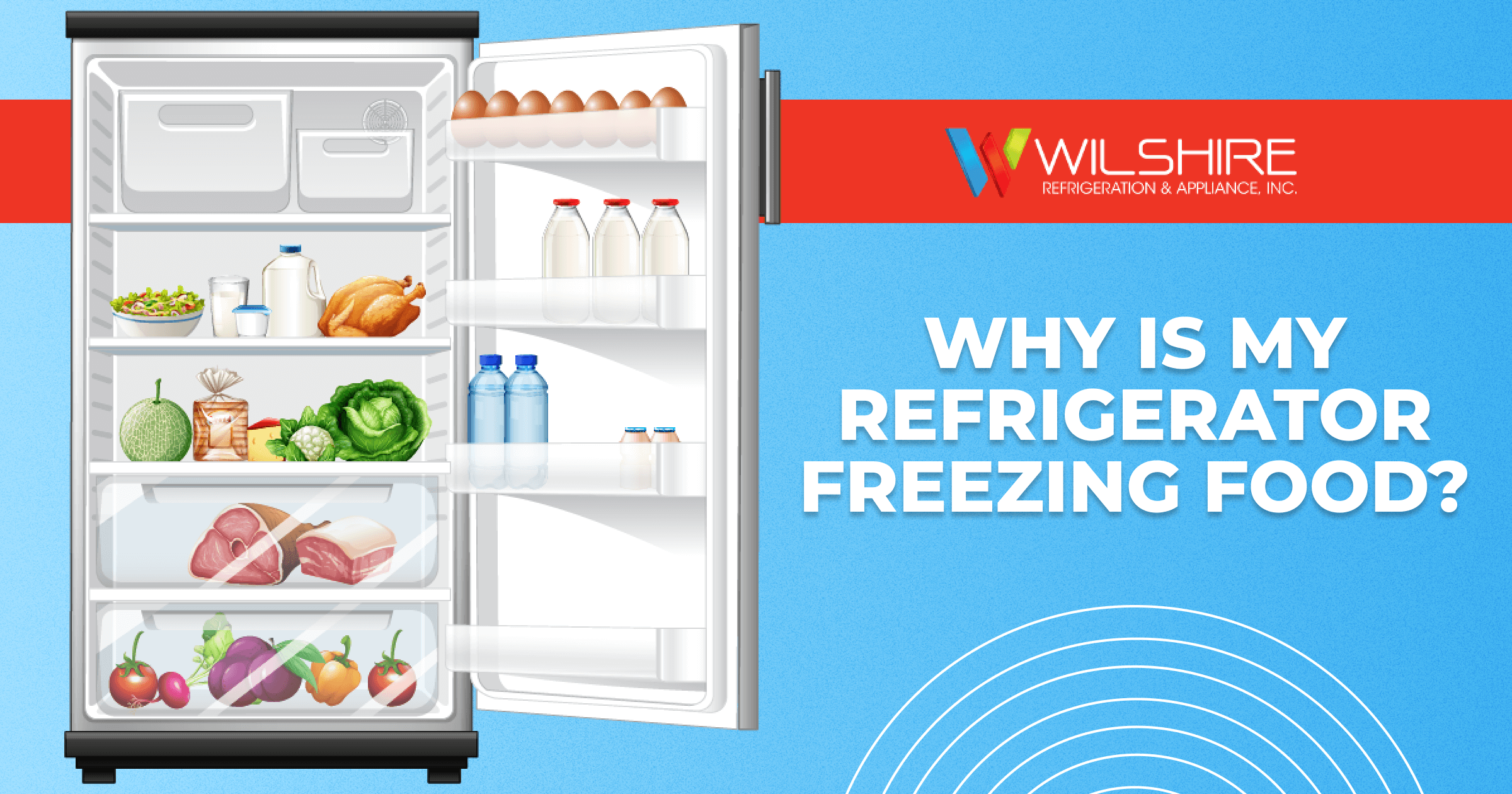
Credit: wilshirerefrigeration.com
Data: How Many People Face This Issue?
According to appliance repair surveys, up to 15% of households report refrigerator freezing problems each year. The most common causes are incorrect temperature settings (45%), blocked vents (22%), and faulty thermostats (12%).
Real-life Example
Maria, a homeowner in Texas, found her lettuce and milk freezing every week. She adjusted the temperature setting, but nothing changed. After moving her food away from the back wall and cleaning the coils, the freezing stopped. Later, she replaced the door seal, which made her fridge work more efficiently.
This shows that sometimes, small changes solve the problem. Cleaning and rearranging food are often more effective than expensive repairs.

Credit: www.lg.com
Non-obvious Insights For Beginners
- Empty Fridge Freezes More Easily: Most people think an empty fridge is better, but it actually makes freezing worse. Cold air moves freely, creating cold spots. Always keep at least half your fridge full for best results.
- Seasonal Adjustments Matter: In summer, kitchens get warmer, which can affect fridge cooling. Adjust your temperature setting as the seasons change. Many people forget this, leading to freezing or spoiled food.
Quick Troubleshooting Guide
If you’re short on time, here’s a step-by-step guide:
- Check temperature setting (aim for 37°F)
- Move food away from vents and back wall
- Clean condenser coils
- Inspect door seal for leaks
- Balance fridge load (not too empty, not too full)
- Use a fridge thermometer
- If problems continue, call a technician
Comparing Solutions: Diy Vs Professional Help
Let’s compare what you can do yourself and what needs an expert:
| Action | DIY? | Needs Technician? |
|---|---|---|
| Adjust temperature setting | Yes | No |
| Move food away from vents | Yes | No |
| Clean coils | Yes | No |
| Replace door seal | Yes/No (depends on skill) | Sometimes |
| Check damper, thermostat, sensor | No | Yes |
| Repair control board | No | Yes |
Frequently Asked Questions
Why Does My Refrigerator Freeze Food Even When I Set The Correct Temperature?
Several reasons can cause this. Blocked air vents, faulty sensors, and damaged door seals can all make your fridge overcool. Placement of food also matters—items near the back or vents freeze faster. Try rearranging food and cleaning coils before calling a technician.
Can A Refrigerator Freeze Food If It’s Almost Empty?
Yes, an empty fridge is more likely to freeze food. With fewer items, cold air circulates more freely and creates cold spots. Keep your fridge at least half full, even if you need to add water bottles or jars.
Should I Use A Refrigerator Thermometer?
A fridge thermometer is very useful. It helps you check if the real temperature matches the setting. Place it in the middle shelf for accurate readings. Adjust the dial as needed to keep the temperature between 37–40°F.
How Often Should I Clean My Refrigerator Coils?
Clean the condenser coils every 6 months. Dirty coils make the fridge work harder, which can cause freezing and higher electricity bills. If you have pets, clean more often because pet hair builds up quickly.
Is Food Safe To Eat After It Has Frozen In The Refrigerator?
Most foods are safe, but texture and taste can suffer. Lettuce, eggs, and dairy often become watery or grainy. If frozen food shows ice crystals, check for signs of spoilage before eating. When in doubt, throw it out.
Final Thoughts
Finding frozen food in your refrigerator is annoying, but it’s usually easy to fix. Start by checking the temperature, rearranging items, and cleaning coils and seals. Knowing how your fridge works, where the cold spots are, and how to prevent freezing will protect your food and save money.
If you’ve tried all the steps and still have problems, don’t hesitate to call a technician. Your refrigerator is a complex machine, and sometimes expert help is needed. For more detailed appliance tips, visit Consumer Reports.
Take care of your fridge, and it will take care of your food. Preventing freezing is simple with regular checks, smart placement, and maintenance. Your kitchen will thank you!